Cannabis Seed Tabbouleh: Replacing Wheat Gluten with Cannabis Protein

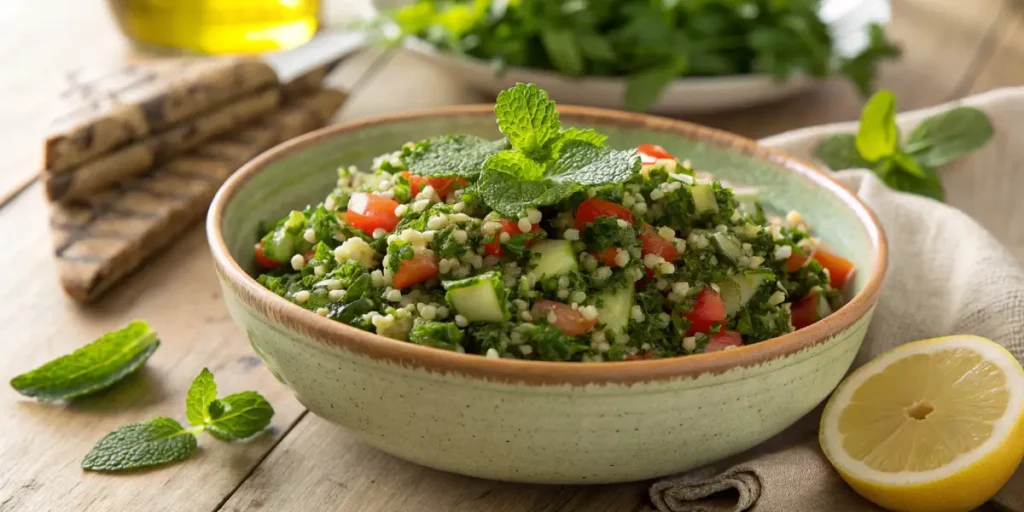
Tabbouleh is arguably the most iconic salad of the Mediterranean Levant, and Cannabis Seed Tabbouleh offers a modern evolution of this classic dish. Its refreshing nature, built upon a precise balance of parsley, mint, and lemon, has made it a global staple for healthy eating. However, the traditional recipe relies heavily on bulgur (cracked wheat) or couscous (semolina), ingredients that, despite their popularity, present insurmountable barriers for those with celiac disease or those who have opted for a low-carb, Ketogenic (Keto) lifestyle.
Substituting cereal with cannabis seeds is not merely an alternative; it is a logical evolution toward nutritional density. By using shelled cannabis seeds (hemp hearts), we instantaneously eliminate gluten and complex carbohydrates, replacing them with a base of complete proteins and healthy fats. The result is a “Cannabis seed Tabbouleh” that maintains the vibrant essence of the original dish but offers a superior texture and digestibility that wheat simply cannot provide.
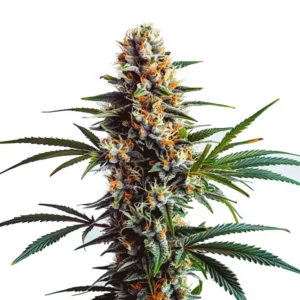
Recommended Strains

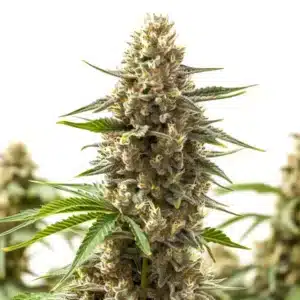
Runtz

|
THC | 19% - 22% (Medium) |

|
Type | Feminized |

|
Yield | Medium |

|
Phenotype | 50% Indica / 50% Sativa |
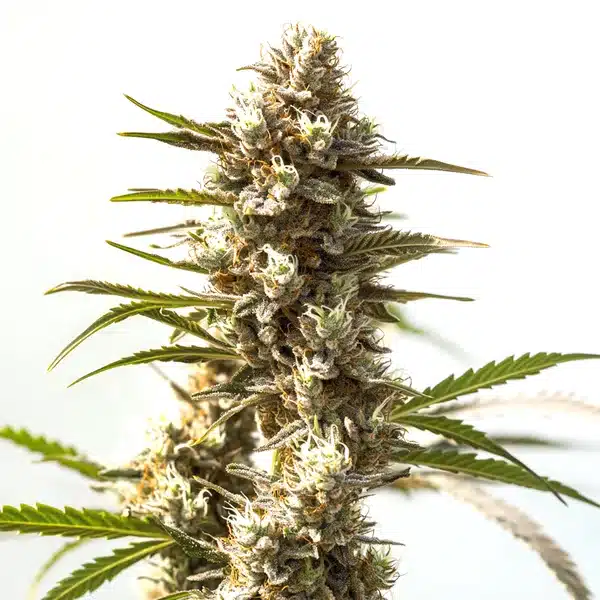
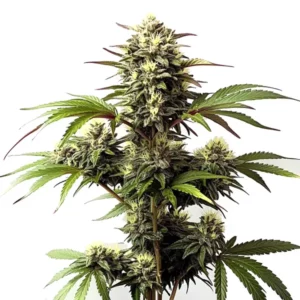
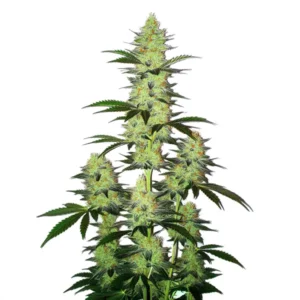
Power Plant
|
|
THC | 13% - 21% (Medium) |
|
|
Type | Feminized |
|
|
Yield | High |
|
|
Phenotype | 40% Indica / 60% Sativa |
The Keto and Celiac Revolution: Ending Dietary Limitations
For those following a Ketogenic diet or suffering from celiac disease, tabbouleh is often a forbidden fruit or, at best, a lackluster vegetable salad without any real body. Wheat, the base ingredient of bulgur, is a massive source of carbohydrates that spikes the glycemic index and triggers inflammation in gluten-sensitive individuals. By introducing cannabis seeds into this equation, we transform a dish that was mostly starch into a source of clean fuel, allowing athletes in cutting phases or people with severe digestive restrictions to enjoy this classic once again.
The competitive advantage of the cannabis seed over other substitutes, such as riced cauliflower, lies in its stability and high-quality caloric intake. While cauliflower can release water and make the salad soggy over time, the cannabis seed absorbs the lemon juice and olive oil without losing its physical integrity. This allows the dish to preserve much better over hours, making it the ideal “meal prep” option for those who need a satiating lunch that won’t result in post-meal lethargy.
Promos & Deals
Texture and Bite: Replicating the Perfect Grain
One of the greatest challenges when replacing a cereal is replicating its “bite” or texture. Cooked bulgur has an elastic, slightly granular consistency that is fundamental to the tabbouleh experience. Surprisingly, shelled cannabis seeds mimic this sensation almost identically, while adding a subtle creaminess reminiscent of fresh pine nuts. Upon chewing, the seed offers an initial resistance that then yields, integrating perfectly with the fiber of the parsley and the juiciness of the tomatoes.
Unlike wheat, which can often become too soft or pasty if over-hydrated, the cannabis seed maintains a constant structure. This allows the lemon and oil dressing to penetrate the salad more uniformly without turning it into a mush. From a sensory perspective, the mild nutty aroma of the cannabis seeds complements the herbaceous freshness of the mint in a way that wheat which is starchier and more neutral simply cannot achieve, elevating the dish to a gourmet category.
Cannabis vs. Wheat: The Battle for Nutritional Density
When we analyze the data, the superiority of cannabis over wheat is overwhelming. Traditional bulgur is rich in fiber, but its protein content is incomplete and its carbohydrate load is high. Conversely, cannabis seeds are one of the few plant sources that contain all nine essential amino acids in the correct proportions. By choosing cannabis, you aren’t just avoiding gluten; you are ingesting a high-bioavailability protein that your body can immediately utilize for tissue repair and hormonal function.
Beyond protein, the true value lies in the essential Omega-3 and Omega-6 fatty acids. Wheat contains almost none of these fats, whereas cannabis provides them in a perfect 3:1 ratio, ideal for combating systemic inflammation. In a society where the overconsumption of processed vegetable oils has imbalanced our cardiovascular health, swapping cereal for cannabis in everyday recipes is a revolutionary move that protects the heart and boosts brain function through real, unadulterated nutrition.
The Master Recipe: Cannabis Tabbouleh Step-by-Step
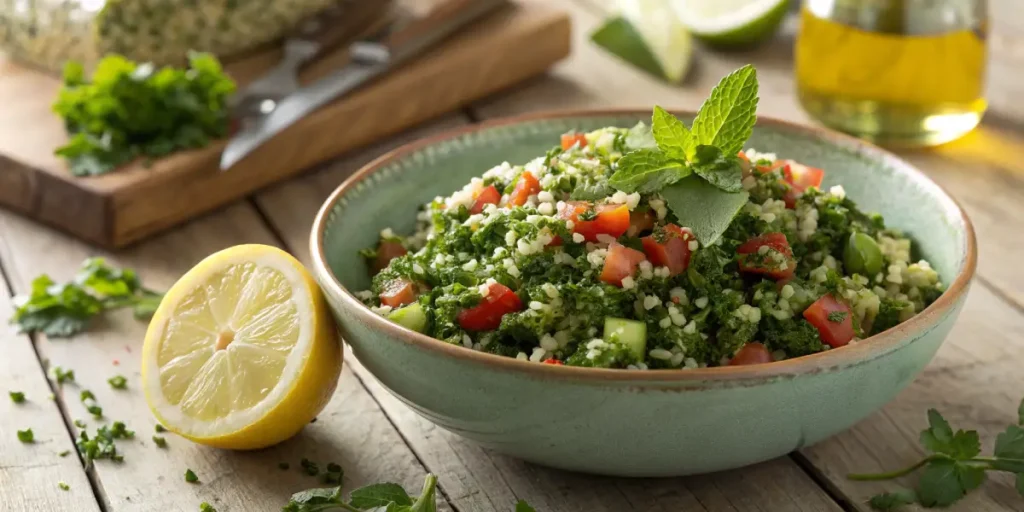
To prepare a Cannabis Tabbouleh that will leave your guests speechless, the key is the balance between the herbs and the “grain.” You will need one generous cup of shelled cannabis seeds, two large bunches of flat-leaf parsley, half a cup of fresh mint, three firm vine-ripened tomatoes, one small green onion, the juice of two lemons, and a healthy splash of Extra Virgin Olive Oil. Unlike traditional tabbouleh, there is no need for cooking or pre-hydration here; the cannabis seed is used raw to keep all its enzymes and vitamins intact.
The process begins by finely hand-chopping the parsley and mint (never use a food processor, as it will oxidize the herbs into a paste). Dice the tomatoes into tiny cubes, discarding excess seeds and water to keep the salad crisp. Mix the herbs and tomatoes in a large bowl, add the cannabis seeds, and dress with lemon, salt, and oil. Let the mixture rest in the refrigerator for at least 30 minutes; this time is vital for the cannabis seeds to absorb the citrus and herbal aromas, creating a harmony of flavors that will make you forget you ever used wheat.
The Blimburn Philosophy: Nutrition with Identity
At Blimburn Seeds, we understand that the cannabis plant is a wellness tool that goes far beyond resin and cannabinoids. Promoting the culinary use of its seeds is a way of honoring the integrity of the species and offering our community innovative ways to care for their health. This Cannabis Tabbouleh is the perfect example of how high-quality genetics can manifest on the plate, reminding us that what we put into our bodies is just as important as what we grow in our gardens.
This dish represents a transition toward a more conscious kitchen, where the origin of the ingredient and its biological impact are the stars of the show. By publishing recipes like this, we seek to tear down the final frontiers of stigma, proving that cannabis is an ally of haute cuisine, sports nutrition, and therapeutic diets alike. We invite every grower and enthusiast to experiment with these seeds, turning every meal into an opportunity to celebrate the versatility of the most complete plant nature has ever provided.
FAQs: Cannabis Seed Tabbouleh (Gluten-Free & Keto)
Why is cannabis seed Tabbouleh better for Celiac or Keto diets?
Traditional Tabbouleh relies on bulgur or couscous, which are high in gluten and complex carbohydrates. By substituting these with shelled cannabis seeds (hemp hearts), you instantly eliminate gluten and drastically reduce the glycemic index. This makes the dish safe for celiacs and perfect for those in ketosis who need high-quality fats and proteins instead of starch.
Does the texture of cannabis seeds really mimic traditional bulgur wheat?
Surprisingly, yes. Shelled cannabis seeds provide a granular “bite” and initial resistance very similar to cooked bulgur. However, unlike wheat which can become mushy if over-hydrated—cannabis seeds maintain their physical integrity. They absorb the lemon and oil dressing without losing their structure, resulting in a cleaner, more refined mouthfeel.
What are the main nutritional advantages of this swap?
Wheat provides incomplete proteins and high carbs, whereas cannabis seeds offer a complete protein profile with all nine essential amino acids. Furthermore, while wheat lacks essential fats, cannabis seeds provide a 3:1 ratio of Omega-6 to Omega-3, which helps fight systemic inflammation and supports cardiovascular health—benefits that traditional cereal-based salads simply cannot offer.
Do I need to cook or soak the cannabis seeds before making the Tabbouleh?
No. One of the best technical features of this recipe is that the seeds are used raw. Unlike bulgur, which requires soaking or boiling, cannabis seeds are ready to use. This preserves their live enzymes, vitamins, and delicate essential oils, ensuring that you get the maximum nutritional potency directly from the plant to your plate.