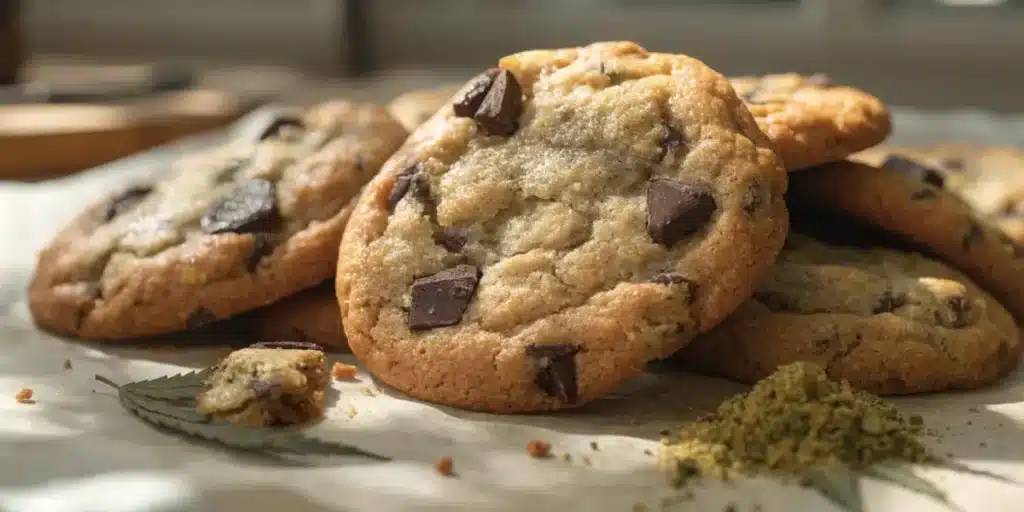
Cannabis Cookie Recipe: Easy Canna Butter Cookies

Quick answer: To make cannabis cookies, first decarboxylate your ground flower (about 240 F / 115 C for 40 minutes), infuse it into butter to make canna butter, then use that butter in a standard cookie recipe. The two rules that matter most are decarbing properly for potency and dosing carefully, since edibles are strong and slow to kick in.
Cannabis cookies are one of the easiest edibles to make at home, and a great introduction to baking with weed. They are discreet, keep well, and let you control both flavour and strength once you understand the two key steps: activating the THC and infusing it into a fat.
Recommended Strains
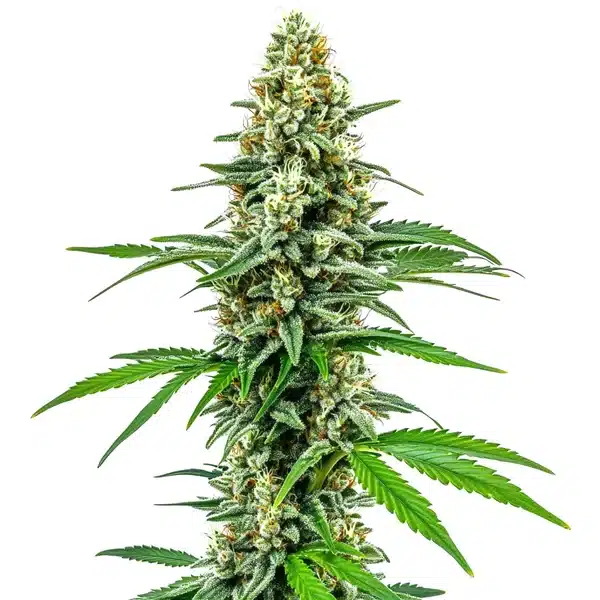
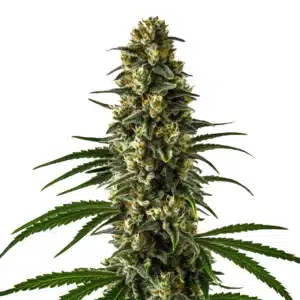
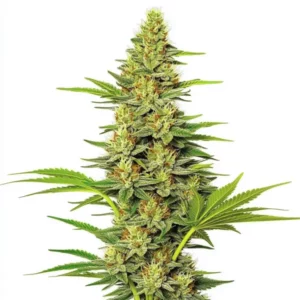
Cookies and Cream

|
THC | 17% - 22% (Medium) |

|
Type | Feminized |

|
Yield | High |

|
Phenotype | 50% Indica / 50% Sativa |

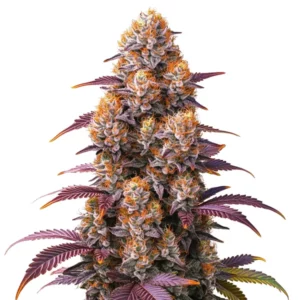
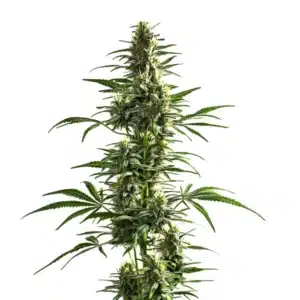
Cookies and Cream Auto
|
|
THC | 20% - 22% (Medium) |
|
|
Type | Autoflowering |
|
|
Yield | High |
|
|
Phenotype | 60% Indica / 40% Sativa |
The trade-off with any edible is that the effects come on slowly and hit harder and longer than smoking. That makes careful dosing the single most important part of the process, which is why this guide covers it before the recipe itself.
How to Dose Cannabis Cookies Safely
Edibles are easy to overdo because they take 30 to 90 minutes to kick in, so people eat more while waiting and then feel far too much. The golden rule is start low and go slow: eat one low-dose cookie, wait at least an hour or two, and only then decide whether to have more.
Use the guide below as a starting point, keep cookies clearly labelled and well away from children and pets, and remember that homemade potency is approximate. If it is your first time, aim for the low end.
| Experience | Dose per cookie (THC) | Notes |
|---|---|---|
| Beginner | 2.5-5 mg | Start here; wait before eating more |
| Occasional user | 5-10 mg | A standard single dose |
| Experienced | 10-20 mg+ | Higher tolerance only |
Promos & Deals
Step 1: Decarboxylation
Decarboxylation is the step that makes edibles work. Raw cannabis contains THCA, which is not intoxicating; gentle heat converts it into active THC. Skip this and your cookies will be weak no matter how much flower you use, because the THC was never activated.
To decarb, spread finely ground flower on a lined tray and bake at around 240 F (115 C) for about 40 minutes, stirring once or twice. Keep the temperature low and use an oven thermometer: too hot and you destroy cannabinoids, too cool and the THCA does not fully convert. Done right, it also mellows the raw, grassy taste.
Step 2: Infusion (Making Canna Butter)
Because THC is fat-soluble, it has to be infused into a fat before it will absorb in your body, which is what makes canna butter the heart of most cookie recipes. Melt butter gently, add your decarbed flower, and simmer on very low heat for two to three hours so the cannabinoids transfer without burning.
Strain the mixture through cheesecloth, squeeze out the butter, and chill it until solid. Butter gives the richest flavour, while coconut oil is a lighter, vegan-friendly alternative. For the oil route and its uses, see our guide to cannabis and coconut oil.
Step 3: The Cookie Recipe
Ingredients: 1 cup (2 sticks) canna butter, 1 cup granulated sugar, 1 cup brown sugar, 2 large eggs, 1 tsp vanilla, 2 1/2 cups all-purpose flour, 1 tsp baking soda, 1/2 tsp salt, 1 cup chocolate chips (optional).
- Preheat the oven to 350 F (175 C) and line a baking sheet with parchment.
- Cream the canna butter with both sugars until smooth.
- Beat in the eggs one at a time, then the vanilla.
- In a separate bowl combine flour, baking soda and salt, then blend into the wet mix.
- Fold in chocolate chips if using.
- Drop rounded tablespoons onto the sheet, spaced apart, and bake 10-12 minutes until the edges brown.
- Cool on the sheet a few minutes, then move to a rack. Portion so you know the dose per cookie.
Tips for Better Cannabis Cookies
A few habits make a big difference. Mix the dough thoroughly so the canna butter is evenly distributed, otherwise some cookies end up far stronger than others. Make them a uniform size to keep the dose per cookie consistent, and do not overbake, since very high heat can degrade some of the THC.
If you want to fine-tune strength, work out the rough total THC in your butter and divide it across the batch. For a deeper breakdown of estimating and controlling edible strength, see our guide to THC dosage for edibles, and for a different treat try our cannabutter gummy recipe.

FAQs about Cannabis Cookie Recipes
How do you make canna butter cookies?
Decarboxylate ground flower at about 240 F (115 C) for 40 minutes, infuse it into melted butter over low heat for two to three hours, then strain to make canna butter. Use that butter in a standard cookie recipe. Portion evenly so each cookie has a known, consistent dose.
How much cannabis do I put in cookies?
Dose by the finished cookie, not the batch. Beginners should aim for about 2.5-5 mg THC per cookie, with 5-10 mg a standard dose. Estimate the total THC in your butter and divide across all the cookies. Start low, wait an hour or two, and only then decide whether to have more.
Why are my weed cookies not strong enough?
The usual reason is skipped or poor decarboxylation, so the THCA never fully converted to active THC. Infusing at too high a heat, or uneven mixing, can also waste potency or concentrate it in a few cookies. Decarb properly at a low temperature, simmer the butter gently, and mix the dough thoroughly.
How long do cannabis cookies take to kick in?
Usually 30 to 90 minutes, because they are digested rather than inhaled. This slow onset is exactly why people accidentally take too much, eating a second cookie before the first has worked. Take one low dose, wait at least an hour or two, and only then decide whether you need more.
How should I store cannabis cookies?
Keep them in an airtight container, clearly labelled, and well out of reach of children and pets, since they look like ordinary cookies. They stay fresh at room temperature for a few days, or longer refrigerated or frozen. Cool, dark storage also helps preserve their potency over time.