Meat Substitutes: Using Cannabis Seeds to Perfect the Texture of Vegan Burgers

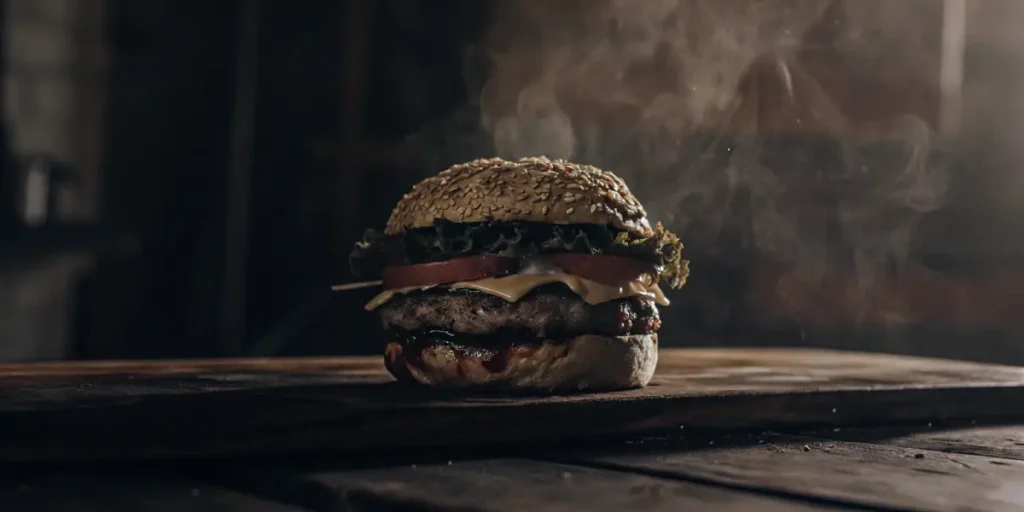
The quest for the perfect cannabis seeds vegan burger has long been the “holy grail” of vegan cuisine. The primary obstacle faced by both professional chefs and home cooks is not flavor which can be replicated with spices and smoke but texture. Many bean-based vegan burgers end up as a soft mush that lacks the structural resistance necessary for a satisfying experience. This is where cannabis hearts enter the fray, not just as a nutritional additive, but as the ultimate technical ingredient to achieve that “bite” that once seemed exclusive to meat.
Integrating cannabis seeds into the production of meat substitutes is a strategy that leverages the seed’s unique morphology. Being small, firm, yet buttery, the seeds act as “micro-structures” within the burger patty. This versatility allows the diner to encounter real mechanical resistance, similar to that offered by connective tissues or small fat deposits in a high-quality beef burger. At Blimburn Seeds, we understand that the cannabis plant is a biological design tool, and its application in food texture is one of its most brilliant yet under-explored facets.
Recommended Strains

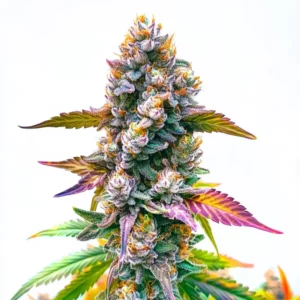
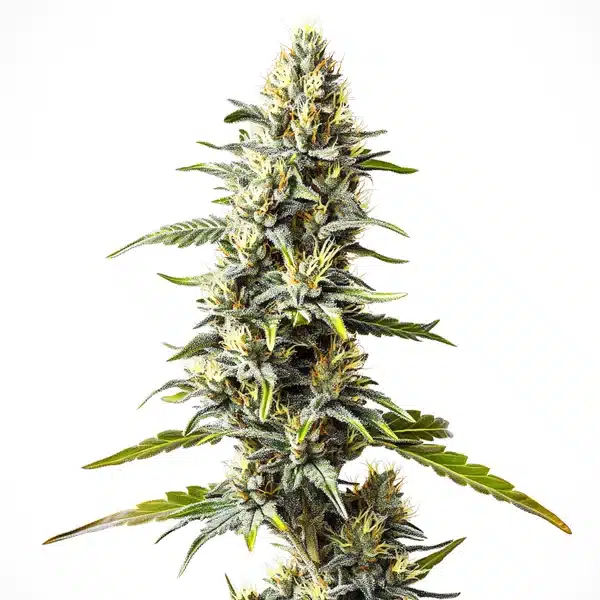
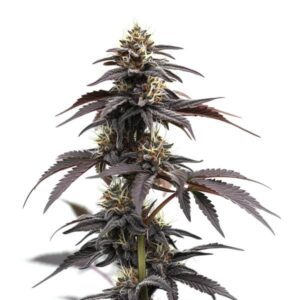
Cake Batter

|
THC | 28% - 30% (High) |

|
Type | Feminized |

|
Yield | Medium |

|
Phenotype | 70% Indica / 30% Sativa |
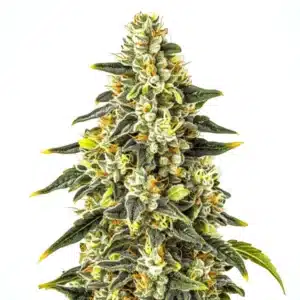
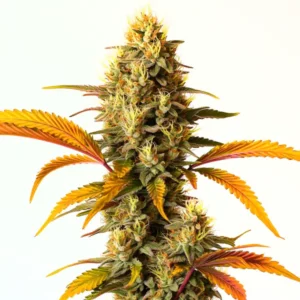
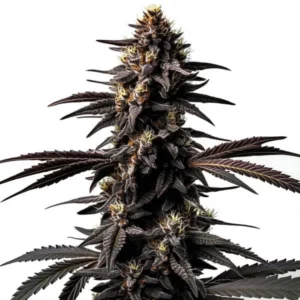
Cream Caramel
|
|
THC | 19% - 24% (High) |
|
|
Type | Feminized |
|
|
Yield | High |
|
|
Phenotype | 90% Indica / 10% Sativa |
The Challenge of the “Mushy” Texture and the Cannabis Solution
Most plant proteins, such as lentils, chickpeas, or tofu, tend to break down under pressure or when they come into contact with the intense heat of a grill. This creates what is known in gastronomy as a “monochromatic texture,” where there is no distinction between the base and the filling. Shelled cannabis seeds (hearts) break this monotony. Due to their composition, they do not hydrate in the same way a legume does; they maintain their physical integrity even after cooking, allowing each bite to have textural nuances and preventing the burger from turning into a shapeless mass inside the bun.
Furthermore, using cannabis hearts allows for a reduction in the reliance on excessively processed binders or refined flours often used to give body to veggie burgers. Being rich in globular proteins, the seeds help to naturally bind the other ingredients together. This results in a much cleaner “Clean Label” burger, where the consumer can identify real ingredients instead of an endless list of industrial gums and thickeners. It is the transition from a “lab-grown burger” to a real, functional, plant-based burger.
Promos & Deals
The Science of the “Bite”: Emulating Meat Fiber
The term “bite” or “mouthfeel” refers to the tactile sensation that food produces in the mouth. In a meat burger, this sensation comes from the mixture of muscle fibers and fat. To replicate this in a plant version, we need ingredients that are neither too hard (like whole nuts) nor too soft. Cannabis hearts occupy that biological “sweet spot”: they are firm enough to be perceived by the teeth but soft enough to integrate during swallowing without being distracting or “splintery,” which often happens when low-quality textured soy is used.
When we mix cannabis seeds with a base of mushrooms (like Portobello) or crushed legumes, we are creating a heterogeneous matrix. The seeds act as structural anchor points that force a more active chewing process, which in turn releases flavors more progressively and satisfyingly. This phenomenon is crucial for the brain, as mechanical chewing is linked to the sensation of satiety and gastronomic pleasure. Cannabis doesn’t just feed the body with its amino acids; it positively “tricks” the senses to provide an experience that rivals animal protein.
Healthy Fats: The Key to Juiciness Without Trans Fats
One of the great mistakes in industrial vegan burgers is the addition of refined coconut or palm oils to try and mimic the juiciness of animal fat. These fats, while functional, are usually saturated and lack real nutritional value. A well-formulated cannabis seeds vegan burger, on the other hand, takes advantage of seeds that come equipped with 30% natural polyunsaturated fats. As the burger cooks, these fats are released slowly, lubricating the plant fibers from within and preventing the patty from drying out on the grill a chronic problem for pea or soy proteins.
This juiciness is of superior quality because it doesn’t leave a greasy film on the palate; instead, it provides an earthy freshness. The lipid profile of cannabis, rich in Omega-3 and Omega-6, holds up well under the moderate temperatures of a domestic grill, keeping its anti-inflammatory properties intact. Thus, while a traditional burger may feel heavy on the digestive system, a burger enriched with cannabis hearts is light, easy to process, and supports cardiovascular health, turning an “indulgence” into a conscious choice for well-being.
Practical Application: How to Integrate Cannabis into Your Mix
To achieve the best results in a cannabis seeds vegan burger, the ideal ratio is to use between 15% and 20% cannabis hearts relative to the total volume of the mix. It is recommended to add the seeds at the end of the mixing process, once the legume or vegetable base has already been processed, to avoid over-grinding them and losing their textural function. A chef’s trick is to use some whole seeds for an extra “crunch” and some lightly crushed seeds, which will help the natural oils act as a biological glue for the patty.
It is important to remember that cannabis has a mild flavor that tends to absorb the aromas of its surroundings. If you are looking for a burger with character, you can marinate the seeds with a bit of liquid smoke, soy sauce, or nutritional yeast before integrating them. Upon exposure to heat, these seeds will develop a toasted aroma reminiscent of sesame or nuts, adding a layer of umami complexity that is very difficult to achieve with other vegetables, sealing a well-rounded and authentic culinary experience.
The Blimburn Philosophy: The Plant as Total Sustenance
At Blimburn Seeds, our vision of cannabis does not stop at the grow room. We firmly believe that the plant is a holistic ally for humans, and its integration into daily cooking is the next logical step in the normalization of this ancient species. Using cannabis seeds in something as everyday as a burger is a way to honor the robustness of its genetics and to take advantage of a resource that nature has perfected over eons for our benefit.
This culinary approach reinforces our mission to educate on the unlimited potential of the plant. When you choose our seeds for your collection, you are acquiring a genetic map of excellence; when you use its derivatives at your table, you are executing that potential for your own health. The cannabis burger is the symbol of a new era: one where botanical science, avant-garde gastronomy, and respect for the body come together in a single delicious, ethical, and deeply nutritious dish.
FAQs about cannabis seeds vegan burger
Why do cannabis seeds solve the “mushy” texture problem in plant-based burgers?
Traditional bean-based burgers often turn into a soft mush when cooked. Cannabis hearts (shelled seeds) act as structural anchors because they do not break down or over-hydrate like legumes. They provide mechanical resistance and a heterogeneous texture that mimics the “bite” of high-quality meat fat or connective tissue.
How do cannabis seeds act as a “clean label” binder?
Instead of relying on industrial gums, thickeners, or excessive refined flours, cannabis seeds use their high globular protein content to help bind the ingredients naturally. This results in a burger with a simpler, more recognizable ingredient list, moving away from ultra-processed laboratory versions to a more functional, plant-based patty.
How do they provide juiciness without using unhealthy saturated fats?
Many industrial vegan burgers use coconut or palm oil to replicate animal fat, which are high in saturated fats. Cannabis seeds contain 30% natural polyunsaturated fats that release slowly during grilling. This lubricates the plant fibers from the inside out, preventing the burger from drying out while providing a heart-healthy, anti-inflammatory lipid profile.
What is the technical “secret” to integrating them into the burger mix?
The ideal ratio is between 15% and 20% of the total mass. For the best texture, you should add the seeds at the very end of the mixing process. This prevents over-grinding, allowing the seeds to maintain their physical integrity and ensuring that their natural oils act as a “biological glue” without turning the mix into a paste.