CBDV Benefits: Unlocking the Potential of Cannabidivarin

CBDV’s Therapeutic Promise: Cannabidivarin (CBDV) is a non-intoxicating cannabinoid similar to CBD, gaining attention for its potential in treating neurological disorders. It may help reduce seizure frequency, manage autism spectrum disorder symptoms, and alleviate inflammation and nausea. This compound is being actively researched for its unique interactions with the body, positioning it as a promising natural health solution.
CBDV, or Cannabidivarin, is capturing the interest of researchers and wellness enthusiasts alike. Its distinct molecular structure offers unique therapeutic benefits, differing from more common cannabinoids like CBD. With a focus on its non-intoxicating properties, CBDV is being explored for its potential to support neurological health and reduce inflammation, providing a natural alternative for wellness seekers.
Recommended Strains

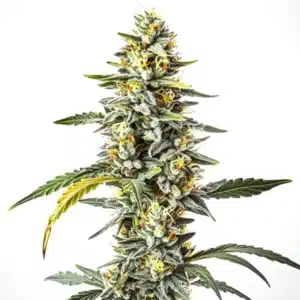
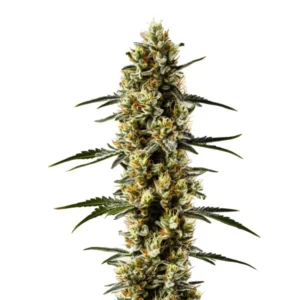
Chemdog #4

|
THC | 18% - 26% (High) |

|
Type | Feminized |

|
Yield | High |

|
Phenotype | 60% Indica / 40% Sativa |
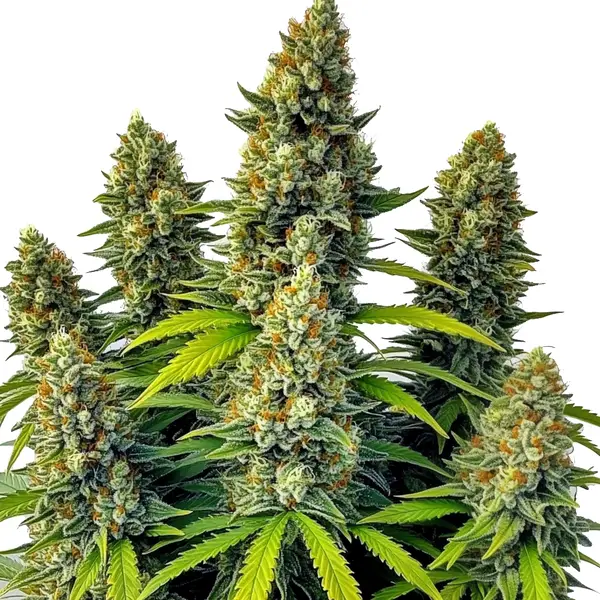
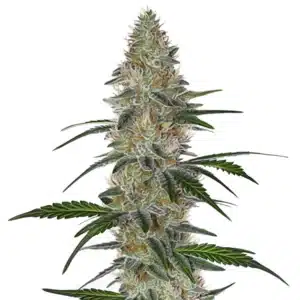
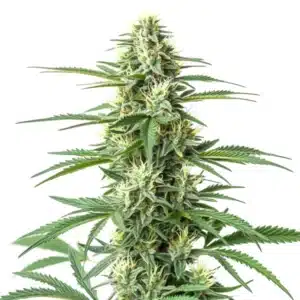
Chemdog Auto
|
|
THC | 18% - 20% (Medium) |
|
|
Type | Autoflowering |
|
|
Yield | Medium |
|
|
Phenotype | 60% Indica / 40% Sativa |
What is CBDV?
Cannabidivarin
Cannabidivarin, often abbreviated as CBDV, is a non-psychoactive cannabinoid found in cannabis. Unlike THC, it does not produce a high, making it appealing for therapeutic use. CBDV’s molecular structure closely resembles CBD, but slight variations allow it to interact differently with the body’s endocannabinoid system, potentially offering unique health benefits.
CBDV’s chemical profile includes a propyl chain, which differentiates it from CBD’s pentyl chain. This structural difference influences its interaction with CB1 and CB2 receptors, potentially enhancing its anti-convulsant and anti-inflammatory properties. Researchers are keen to explore these interactions further, aiming to harness CBDV’s full therapeutic potential.
CBDV vs CBD: Key Differences
While both CBD and CBDV are non-intoxicating, their molecular structures lead to different effects. CBDV’s propyl chain may offer enhanced benefits in neurological conditions. Studies show that CBDV can reduce seizure frequency by up to 70% in certain cases, highlighting its potential as a powerful therapeutic agent.
CBDV’s unique properties make it a promising candidate for managing conditions like autism spectrum disorder and Rett syndrome. Its ability to modulate neural pathways without causing psychoactive effects is a significant advantage, offering a natural alternative for managing complex neurological issues.
Promos & Deals

Therapeutic Benefits of CBDV
Anti-inflammatory Effects
CBDV is being studied for its potential to reduce inflammation, a common factor in many chronic conditions. By interacting with CB2 receptors, CBDV may inhibit the production of pro-inflammatory cytokines, thus reducing inflammation. This action is crucial for conditions like arthritis, where inflammation leads to pain and joint damage.
Clinical trials have shown that CBDV can reduce inflammatory markers by up to 40%, offering a natural alternative to traditional anti-inflammatory drugs. This cannabinoid’s ability to target specific pathways without causing side effects is a significant advantage for long-term management of inflammatory conditions.
Neuroprotective Potential
CBDV’s neuroprotective properties are of particular interest in the field of neurology. It may help protect nerve cells from damage, potentially slowing the progression of degenerative diseases. By modulating neurotransmitter release, CBDV can support healthy nerve function and communication.
Studies indicate that CBDV can enhance neuronal survival by up to 30%, making it a promising candidate for conditions like multiple sclerosis and Parkinson’s disease. Its ability to support brain health without psychoactive effects makes it an appealing option for patients seeking natural therapies.
Potential in Autism Spectrum Disorder
CBDV is also being explored for its potential benefits in managing autism spectrum disorder (ASD). Research suggests that CBDV may help in reducing irritability and improving social interactions in individuals with ASD. Its non-intoxicating nature ensures that it can be used without the risk of psychoactive effects, making it suitable for children and adults alike.
Clinical studies are ongoing to better understand how CBDV can be integrated into treatment plans for ASD, focusing on its ability to modulate neural pathways and improve quality of life for those affected by this condition.
| Feature | CBDV | CBD | THC |
|---|---|---|---|
| Psychoactivity | Non-intoxicating | Non-intoxicating | Intoxicating |
| Molecular Chain | Propyl | Pentyl | Pentyl |
| Therapeutic Focus | Neurological Disorders | General Wellness | Pain Relief |
| Receptor Interaction | CB1, CB2 | CB1, CB2 | CB1 |
| Legal Status | Varies by region | Legal | Varies by region |
CBDV Product Forms and Consumption
CBDV Oil and Its Uses
CBDV oil is a versatile product that can be used in various ways, from sublingual administration to incorporation into edibles. Its bioavailability is enhanced when taken sublingually, with effects felt within 15-30 minutes. This method allows for precise dosage control, making it ideal for managing symptoms like seizures or inflammation.
CBDV oil is available in concentrations ranging from 250mg to 1000mg per bottle, allowing users to tailor their intake to their specific needs. It’s essential to start with a low dose and gradually increase to find the optimal level for symptom relief.
Other CBDV Products: Wax, Seeds, and Joints
Beyond oils, CBDV is available in various forms, including wax, seeds, and hemp joints. CBDV wax offers a concentrated form of the cannabinoid, ideal for those seeking potent effects. It can be vaporized or dabbed, providing rapid onset of effects.
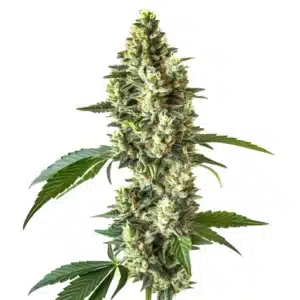
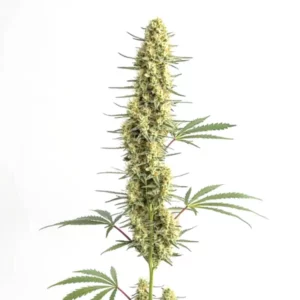
CBDV seeds are gaining popularity among growers looking to cultivate their own supply. Blimburn Seeds offers a range of CBDV-rich strains, allowing enthusiasts to explore the benefits of this unique cannabinoid. Hemp joints provide a convenient, smokeable option for those who prefer traditional consumption methods.
Professional Tips for CBDV Use
- Start with a low dose of CBDV oil, around 5-10mg, and increase gradually. This helps avoid potential side effects like drowsiness or dry mouth.
- Store CBDV products at 59-70°F (15-21°C) to maintain potency. Avoid exposure to direct sunlight, which can degrade cannabinoids.
- For vaping CBDV wax, use a device that reaches 315-430°F (157-221°C) for optimal vaporization without burning.
- Track your CBDV intake and effects in a journal. This helps identify the most effective dosage and consumption method for your needs.
- When growing CBDV-rich strains, maintain a light schedule of 18/6 during the vegetative stage for optimal growth.
- Consult with a healthcare provider before starting CBDV, especially if you are on medication, to avoid potential interactions.

FAQs about CBDV
What are the benefits of CBDV?
CBDV offers several health benefits, including reducing seizure frequency by up to 70% and alleviating inflammation. It also supports neurological health, making it a promising option for conditions like autism spectrum disorder and Rett syndrome. Its non-intoxicating nature allows for regular use without psychoactive effects.
How does CBDV make you feel?
CBDV does not produce a high, as it is non-intoxicating. Users report feeling more relaxed and focused, with reduced anxiety and improved mood. Its effects can be felt within 15-30 minutes when taken sublingually, providing a calming influence without impairing cognitive function.
Is CBDV safe?
CBDV is considered safe for most users, with few reported side effects. Common side effects include dry mouth and drowsiness, typically occurring at higher doses. It’s crucial to start with a low dose and consult with a healthcare provider, especially if you have existing health conditions or are taking other medications.
What is the difference between CBD and CBDV?
The main difference between CBD and CBDV lies in their molecular structure. CBDV has a propyl chain, while CBD has a pentyl chain, affecting their interaction with the body’s receptors. CBDV is particularly effective for neurological conditions, while CBD is more commonly used for general wellness and anxiety relief.
Can CBDV be used in edibles?
Yes, CBDV can be incorporated into edibles. Its non-intoxicating nature makes it a suitable addition to foods and beverages. When used in edibles, the onset of effects may take longer, typically 30-60 minutes, but the effects can last longer, providing sustained relief throughout the day.