Cannabis Seeds vs. Pine Nuts: The Secret to a More Nutritious (and Affordable) Genovese Pesto

Pesto alla Genovese is arguably one of the most sacred pillars of Mediterranean gastronomy. However, any culinary enthusiast exploring alternatives like cannabis pesto has faced the same recurring drama in the supermarket aisle: the exorbitant price of pine nuts. As the cost of these tiny seeds continues to skyrocket, many home cooks have resorted to walnuts or cashews, often sacrificing the authentic texture and flavor profile that defines a true pesto.
But what if the solution lay within the very plant we already admire? Cannabis seeds specifically shelled hemp hearts are not just a viable substitute; in many ways, they outperform the original ingredient. At Blimburn Seeds, we believe in looking at botanical resources through a lens of efficiency and research. Transitioning to a cannabis-based pesto is not just a culinary hack; it is a nutritional upgrade that honors the plant’s deep-rooted history in human agriculture.
Recommended Strains

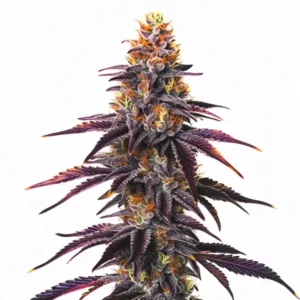
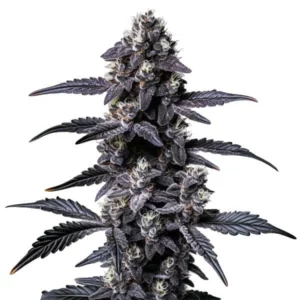
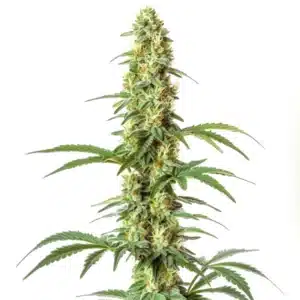
Cafe Racer

|
THC | 25% (High) |

|
Type | Feminized |

|
Yield | Medium |

|
Phenotype | 30% Indica / 70% Sativa |

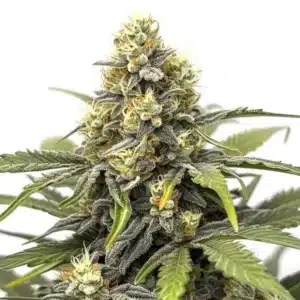
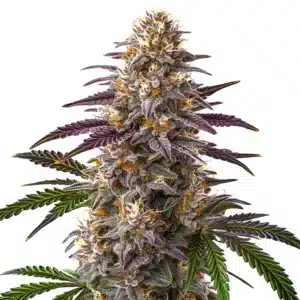
Future #1
|
|
THC | 30% - 37% (High) |
|
|
Type | Feminized |
|
|
Yield | High |
|
|
Phenotype | 50% Indica / 50% Sativa |
The Pine Nut Problem: A Luxury in Decline
The Mediterranean stone pine (Pinus pinea) produces a seed that is expensive for a clear biological reason: these trees take between 15 and 25 years to produce viable cones. The harvesting process remains largely manual and labor-intensive, which, combined with climate change and invasive pests, has pushed global prices to “gourmet” levels. For many, the traditional pesto has become an occasional luxury rather than a household staple.
Beyond cost, there is the mysterious phenomenon known as “Pine Nut Syndrome” (metallogeusia). This temporary taste disturbance leaves a bitter, metallic aftertaste in the mouth for days after consumption, particularly when using low-quality imported varieties. By switching to cannabis seeds, we eliminate this risk entirely while opting for a crop that is significantly more sustainable, resilient, and cost-effective to produce on a global scale.
Promos & Deals

The Taste and Texture Battle: Why Cannabis Works
To understand why cannabis seeds are the perfect substitute, we must break down their organoleptic properties. Pine nuts are prized for their resinous, sweet, and buttery profile. Interestingly, shelled cannabis seeds possess a remarkably similar profile: a mild, nutty, and earthy flavor. This is no coincidence; both pine trees and cannabis share common terpenes, such as pinene. This aromatic synergy ensures that the brain recognizes cannabis pesto as familiar and authentic, maintaining the “forest freshness” that defines high-quality basil.
Regarding texture, the cannabis seed offers a superior “mouthfeel” for emulsions. While walnuts can become oily or bitter when over-processed, cannabis hearts maintain a stable, silky consistency. Their size and softness allow them to mimic the creamy yet slightly granular bite of pine nuts perfectly. When processed into a sauce, they provide a cohesive structure that clings to pasta far more effectively than many other nut-based alternatives, proving that the botanical architecture of the cannabis seed is a masterpiece of culinary functionality.
The Hidden Superfood: A Nutritional Comparison
If the economic factor doesn’t convince you, the nutritional density certainly will. Cannabis seeds are a “complete protein” source, a rarity in the plant kingdom that pine nuts cannot match. They contain all nine essential amino acids required for human health, making this pesto not just a condiment, but a high-performance fuel for cellular repair and muscle recovery.
Furthermore, the lipid profile of the cannabis seed is scientifically superior for cardiovascular health. While pine nuts are healthy, cannabis seeds offer an ideal 3:1 ratio of Omega-6 to Omega-3 fatty acids a balance that research suggests is perfect for human biological needs. By making this substitution, you are transforming a calorie-dense sauce into a preventative medicine, supporting heart health and reducing systemic inflammation with every bite.
The Step-by-Step Recipe: “Blimburn Style” Cannabis Pesto
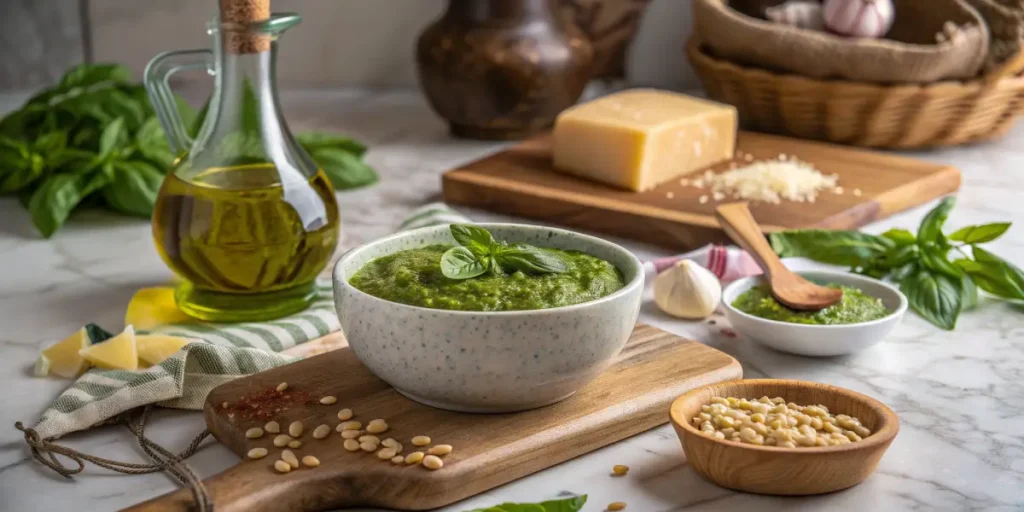
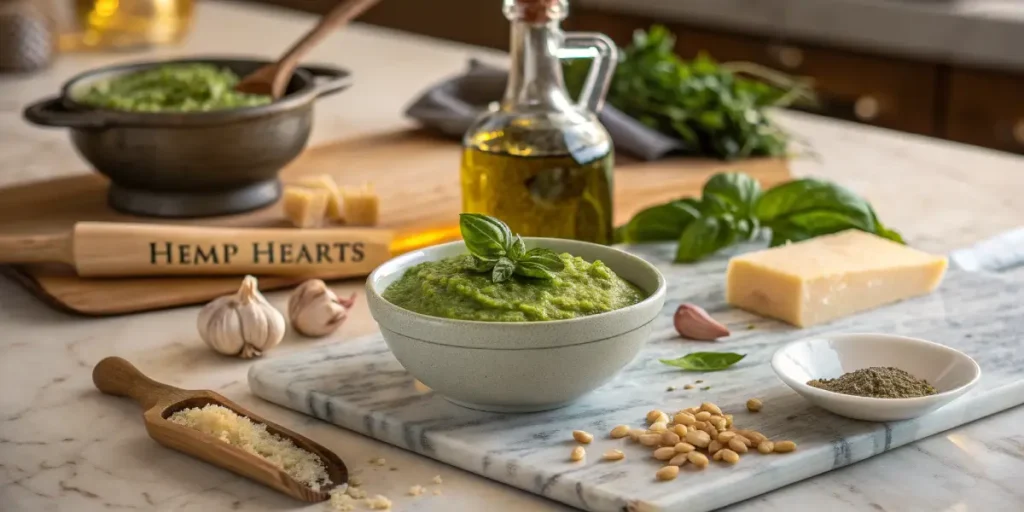
The secret to a world-class cannabis pesto lies in protecting the delicate oils of the seed and the vibrant chlorophyll of the basil. You will need 60g of shelled cannabis seeds, 80g of fresh basil leaves (washed and thoroughly dried), one small garlic clove (degermed for a smoother finish), 50g of freshly grated Parmigiano Reggiano, and 100ml of high-quality Extra Virgin Olive Oil. To keep the color vibrant, we recommend chilling your blender blades in the freezer for ten minutes before starting to prevent heat oxidation.
Begin by pulsing the garlic and a pinch of sea salt into a paste, then add the cannabis seeds and pulse until a creamy, granular base forms. Gradually add the basil leaves, followed by the cheeses, and finally drizzle in the olive oil in a slow stream while blending on a low setting. This method ensures a stable emulsion where the nutty notes of the cannabis seeds act as a bridge between the sharp cheese and the aromatic herbs. The result is a deep emerald sauce that tastes as sophisticated as it looks.
Embracing the Future of Hemp Gastronomy
The integration of cannabis seeds into the Mediterranean diet is not a passing trend; it is a return to nutritional efficiency. By choosing cannabis over pine nuts, you are making a conscious decision to prioritize your health and your wallet without compromising on the sensory pleasures of a classic dish. It is an act of culinary skepticism that pays off, proving that the “traditional” way is not always the most effective way in the modern era.
At Blimburn Seeds, we encourage you to experiment with your harvest and your kitchen. Let the flavor speak for itself at your next dinner party; wait until your guests have finished their second helping before revealing the secret ingredient. You’ll find that most are surprised by how a plant often relegated to other uses can so easily master the art of Italian cuisine, eons after it first began its journey alongside humanity.
FAQs: Cannabis Seeds vs. Pine Nuts in Genovese Pesto
Why do cannabis seeds work so well as a flavor substitute for pine nuts?
The secret lies in terpenes. Both pine trees and the cannabis plant share a common aromatic compound called pinene. This chemical synergy ensures that cannabis seeds (hemp hearts) provide the same “forest-fresh” and resinous notes that characterize traditional pesto, making the substitution nearly indistinguishable to the palate.
What is “Pine Nut Syndrome” and how do cannabis seeds prevent it?
“Pine Nut Syndrome” (metallogeusia) is a temporary medical condition that causes a bitter, metallic aftertaste in the mouth for days after eating certain varieties of pine nuts. By using cannabis seeds, you completely eliminate this risk, opting for a biochemically stable ingredient that is consistently safe and free from the contaminants often found in low-quality imported nuts.
How does cannabis pesto outperform the original version nutritionally?
While pine nuts are healthy, cannabis seeds are a “complete protein” source, containing all nine essential amino acids—a rarity in the plant world. Additionally, they provide a perfect 3:1 ratio of Omega-6 to Omega-3 fatty acids, transforming a high-calorie sauce into a functional food that supports cardiovascular health and reduces systemic inflammation.
Why is it recommended to chill blender blades before making the pesto?
This is a high-level culinary technique to prevent heat oxidation. High-speed blending generates friction and heat, which can quickly degrade the delicate oils in the cannabis seeds and turn the bright green chlorophyll of the basil into a dull brown. Chilling the blades helps maintain a vibrant emerald color and protects the biochemical integrity of the essential fats.