How to Grow Mimosa Strain

Mimosa Strain Overview: The Mimosa strain is a sativa-dominant hybrid (approximately 70% sativa / 30% indica) created by Symbiotic Genetics. Known for its lively citrus scent and high THC levels ranging from 20% to 27%, it delivers invigorating daytime effects. This strain results from crossing Clementine with Purple Punch, appealing to both recreational and medicinal users.
The Mimosa strain is celebrated for its unique terpene profile, dominated by limonene and beta-caryophyllene, which contribute to its citrusy aroma and anti-inflammatory properties. With a flowering time of 8-10 weeks, Mimosa thrives under controlled temperature and humidity. Its vibrant growth demands attention to detail, especially in nutrient management and light cycles.
Recommended Strains

Mimosa

|
THC | 24% - 30% (High) |

|
Type | Feminized |

|
Yield | High |

|
Phenotype | 30% Indica / 70% Sativa |

Mimosa XXL Auto
|
|
THC | 18% - 20% (Medium) |
|
|
Type | Autoflowering |
|
|
Yield | Medium |
|
|
Phenotype | 50% Indica / 50% Sativa |
Overview of Mimosa Strain
Mimosa Strain Genetics and Characteristics
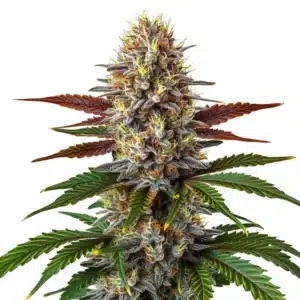
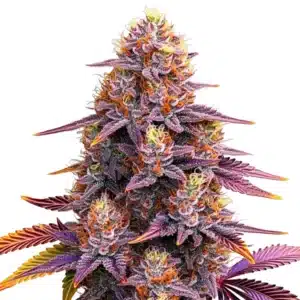
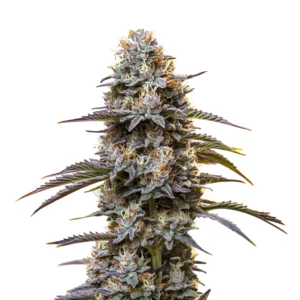
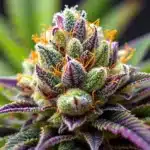
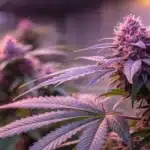
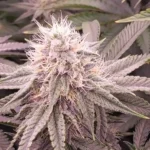
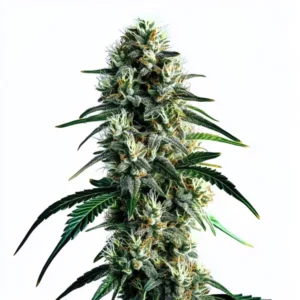
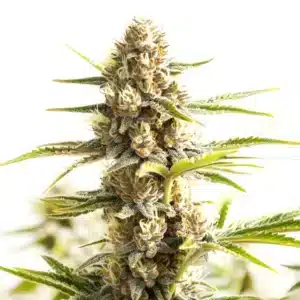
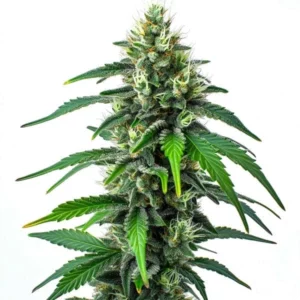
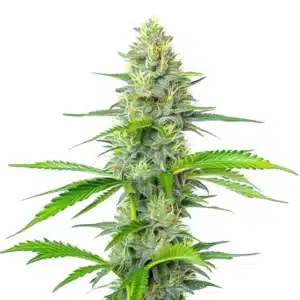
Mimosa is a hybrid strain combining the genetics of Clementine and Purple Punch. This blend results in a sativa-dominant profile, offering both uplifting cerebral effects and a relaxing body high. The strain’s buds are dense and frosty, often displaying vibrant green hues with purple undertones, a visual testament to its rich genetic lineage.
The strain’s terpene profile is primarily composed of limonene (1.0-1.5%), which imparts a zesty citrus aroma and enhances mood by interacting with serotonin receptors. Beta-caryophyllene (0.5-0.8%) adds a peppery note and provides anti-inflammatory benefits through CB2 receptor activation. These terpenes contribute to Mimosa’s complex flavor and therapeutic effects.
Environmental Requirements
For optimal growth, Mimosa requires a stable environment with temperatures between 70-80°F (21-27°C) during the day and slightly cooler at night. Maintaining relative humidity between 40-50% during flowering minimizes mold risk. Adequate lighting, such as 800-1000 µmol/m²/s, is crucial for robust bud development and maximizing THC content.
Ensure your grow space has efficient ventilation to prevent heat buildup and maintain air circulation. This setup reduces the potential for mold and mildew, common issues in high-humidity environments. Regularly monitor environmental conditions using digital hygrometers and thermometers for precise control.
Promos & Deals
Cultivation Guide for Mimosa Strain
Indoor vs Outdoor Growing
Indoor cultivation of Mimosa allows for precise control over environmental conditions, essential for maximizing yield and potency. Use high-quality LED grow lights to simulate natural sunlight and maintain a light cycle of 18-20 hours during vegetative growth, transitioning to 12/12 for flowering. This approach ensures consistent growth and resin production.
Outdoor growers should select a site with ample sunlight and well-draining soil. Mimosa thrives in Mediterranean climates, where temperatures remain warm and stable. In cooler regions, consider using a greenhouse to extend the growing season and protect plants from adverse weather.
Flowering Time and Harvest
Mimosa’s flowering time ranges from 8-10 weeks, with peak harvest typically occurring in late October for outdoor grows. Monitor trichome development closely; harvest when trichomes are milky with some turning amber, indicating optimal cannabinoid and terpene levels. This timing ensures maximum potency and flavor.
Post-harvest, dry the buds in a dark, well-ventilated area at 60-70°F (15-21°C) with 50-60% humidity. Curing in airtight jars at 58-62% RH enhances flavor and smoothness. This process can take 2-4 weeks, but patience ensures a superior product.
Advanced Cultivation Techniques
Implementing advanced techniques like hydroponics can significantly enhance the growth of the Mimosa strain. Hydroponics allows precise control over nutrient delivery, ensuring that the mimosa weed plant receives optimal nutrition. Maintain a pH range of 5.5-6.5 for hydroponic systems to facilitate nutrient uptake. Additionally, consider using CO2 enrichment to boost photosynthesis, leading to increased yields.
Low-stress training (LST) is another effective method to maximize light exposure and improve yields. By gently bending and tying down branches, you can create an even canopy, allowing more light to reach lower parts of the mimosa cannabis plant. This technique not only increases yield but also promotes more uniform bud development.
| Feature | Mimosa F1 | Purple Punch F1 | Bruce Banner 3 Fbv |
|---|---|---|---|
| THC Content | 20-27% | 18-20% | 24-29% |
| Dominant Terpene | Limonene | Myrcene | Caryophyllene |
| Flowering Time | 8-10 weeks | 7-9 weeks | 9-10 weeks |
| Yield (Indoor) | 1.5-1.8 oz/ft² (450-550 g/m²) | 1.4-1.6 oz/ft² (400-500 g/m²) | 1.6-2.0 oz/ft² (500-600 g/m²) |
| Effect | Uplifting, Energizing | Relaxing, Calming | Euphoric, Creative |
Professional Tips for Growing Mimosa Strain
- Maintain 70-80°F (21-27°C) during the day. Temperatures below 65°F (18°C) can slow growth, while above 85°F (29°C) may cause heat stress.
- Ensure 58-62% RH during curing. Below 55% arrests terpene development; above 65% promotes Botrytis within 48 hours.
- Use 800-1000 µmol/m²/s light intensity during flowering for optimal bud development and resin production.
- Monitor nutrient levels closely. Excess nitrogen during flowering can inhibit bud growth and reduce yield quality.
- Implement low-stress training (LST) to maximize light penetration and improve overall yield.
- Regularly check for pests and diseases. Early detection and organic treatments prevent infestations and maintain plant health.
Effects and Benefits of Mimosa Strain
Recreational and Medicinal Uses
Mimosa’s effects are primarily uplifting and energizing, making it ideal for daytime use. Its high THC content (20-27%) delivers a euphoric high that enhances creativity and focus. These effects are complemented by a subtle body relaxation, making it suitable for social activities or creative endeavors.
Medicinally, Mimosa is valued for its potential to alleviate stress, depression, and fatigue. The presence of limonene and beta-caryophyllene contributes to its mood-enhancing and anti-inflammatory properties, offering relief from chronic pain and anxiety. This makes it a versatile option for various therapeutic applications.

FAQs About Mimosa Strain
Is Mimosa Sativa or Indica?
Mimosa is a sativa-dominant hybrid, approximately 70% sativa and 30% indica. This balance provides both cerebral stimulation and physical relaxation. Its sativa traits are evident in the uplifting and energizing effects, while the indica influence offers a calming body high. This combination makes Mimosa versatile for various uses.
Is Mimosa Strain Top Shelf?
Yes, Mimosa is considered a top-shelf strain due to its high THC content, complex terpene profile, and balanced effects. With THC levels ranging from 20% to 27% and a rich blend of terpenes like limonene and beta-caryophyllene, it delivers a premium experience that appeals to both recreational and medicinal users.
How Strong is Mimosa?
Mimosa is a potent strain with THC levels between 20% and 27%, making it suitable for experienced users seeking a strong effect. Its potency delivers a powerful cerebral high accompanied by a relaxing body sensation. This strength is balanced by its uplifting and mood-enhancing properties, making it a popular choice.
What Strain is Good for Seizures?
While Mimosa is not specifically known for treating seizures, strains high in CBD like CBD Zenergy are often recommended. CBD-dominant strains offer anticonvulsant properties without the psychoactive effects of THC, providing potential relief for seizure disorders. Consult with a healthcare professional for personalized advice.
What Makes Mimosa Exotic?
Mimosa’s exotic appeal lies in its unique genetic lineage, combining Clementine and Purple Punch. Its vibrant citrus aroma, high THC content (20-27%), and balanced effects contribute to its exotic status. The strain’s visual appeal, with frosty, colorful buds, further enhances its desirability among cannabis enthusiasts.