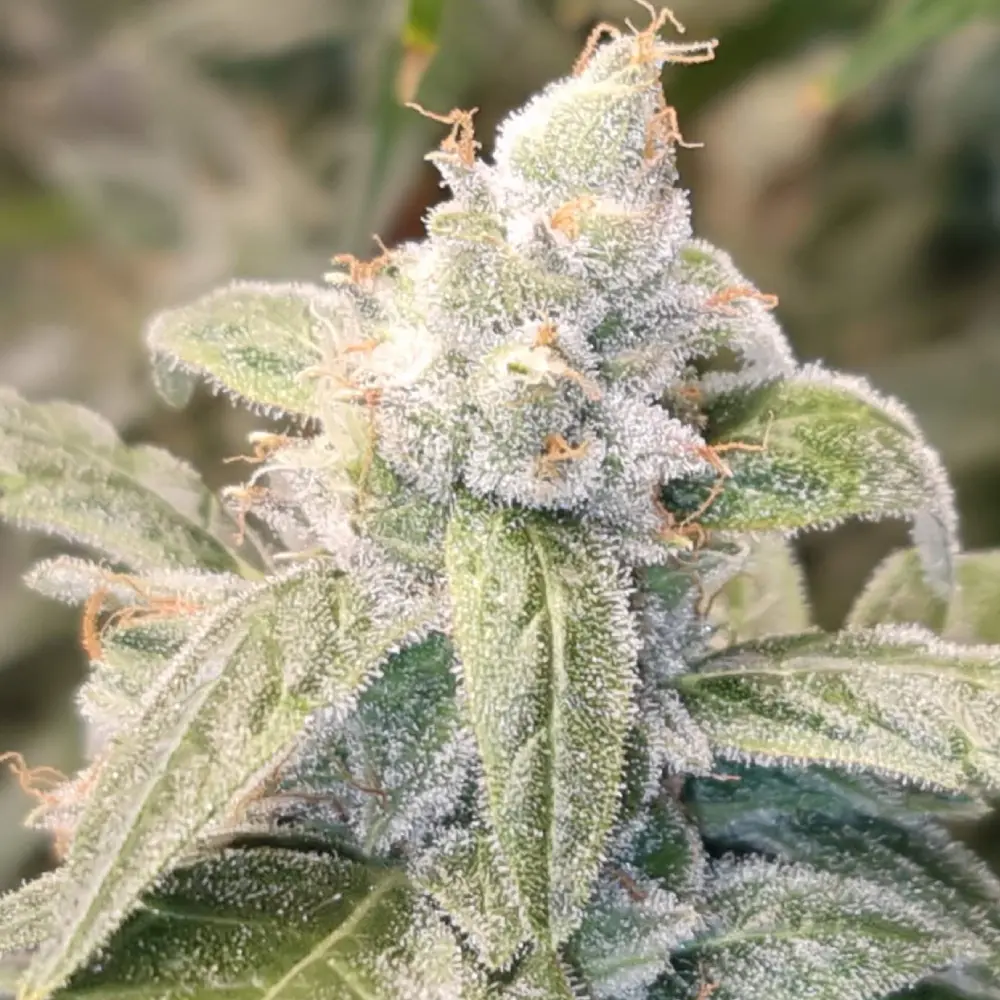
How to Grow Cheese Autoflower

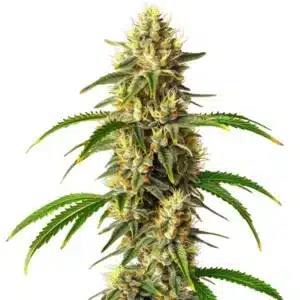
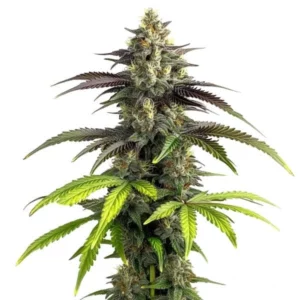
Cheese autoflower features: This strain is a fast-maturing cannabis variety, blending the iconic UK Cheese (Skunk #1 x Afghani) with a ruderalis type. It is celebrated for its intense, earthy-cheese scent and calming, euphoric high. Typically, it progresses from seed to harvest in about 10 to 12 weeks, making it a favorite among growers.
Cheese Autoflower is a standout strain due to its unique terpene profile, featuring a dominant myrcene content of 0.8-1.2%, which contributes to its signature aroma. The flowering period spans 10-12 weeks, making it ideal for quick harvests. This strain thrives in various environments, offering growers flexibility and robust yields.
Recommended Strains
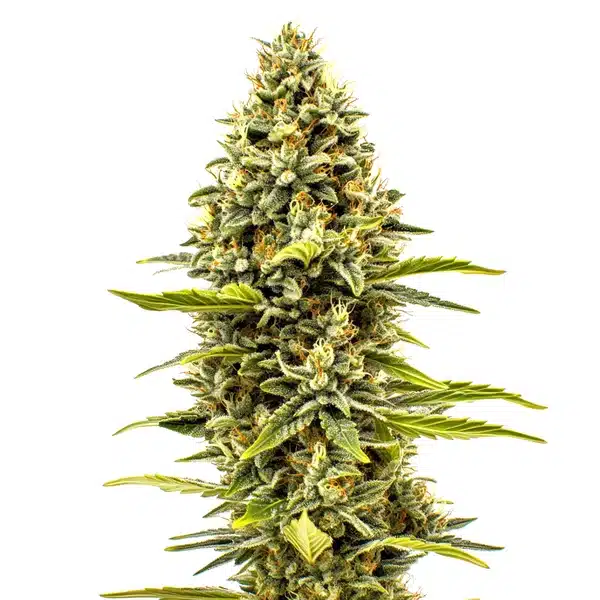
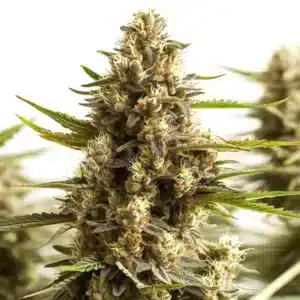
Cheese Auto

|
THC | 10% - 15% (Medium) |

|
Type | Autoflowering |

|
Yield | Medium |

|
Phenotype | 75% Indica / 25% Sativa |
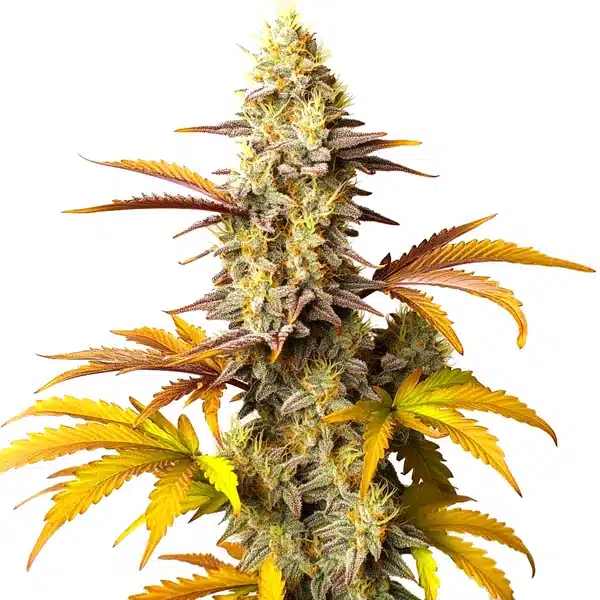
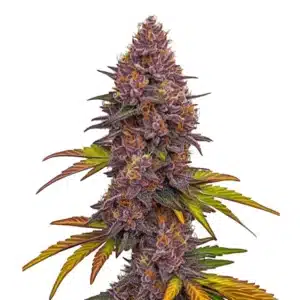
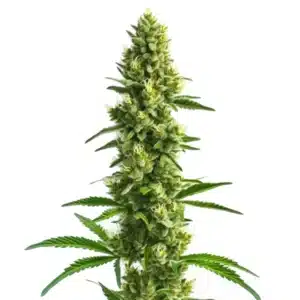
Blue Cheese Autoflower
|
|
THC | 14% - 16% (Medium) |
|
|
Type | Autoflowering |
|
|
Yield | High |
|
|
Phenotype | 80% Indica / 20% Sativa |
Cheese Autoflower Strain Overview
Characteristics and Genetics
Cheese Autoflower is a hybrid strain that combines the robust genetics of Cheese and Critical Mass Auto. This mostly Indica variety reaches heights of up to 4.92 feet (1.5 meters) and features dense, trichome-rich buds. The strain’s THC content ranges from 10% to 15%, while CBD levels remain low at approximately 0.5%.
The terpene profile of Cheese Autoflower is led by myrcene, which enhances THC uptake and provides anti-inflammatory benefits. Caryophyllene, present at 0.4-0.7%, adds a spicy aroma and interacts with CB2 receptors to reduce pain and anxiety. Limonene, at 0.5-0.8%, contributes a citrusy scent and mood-enhancing properties.
Flavor and Effects
The flavor profile of Cheese Autoflower is complex, with dominant cheesy and earthy notes complemented by sweet undertones. The effects are balanced, offering a mix of euphoria and relaxation. Users experience an uplifting high, suitable for both recreational and medicinal purposes, particularly for managing depression and fatigue.
Cheese Autoflower’s effects are attributed to its terpene synergy, where myrcene enhances THC’s psychoactive effects, while caryophyllene provides a grounding sensation. This makes it ideal for users seeking a creative yet calming experience.
Promos & Deals
Growing Cheese Autoflower
Indoor vs Outdoor Cultivation
Cheese Autoflower adapts well to both indoor and outdoor environments. Indoors, it requires a controlled climate with temperatures between 70-80°F (21-27°C) and humidity levels of 50-60% during the vegetative stage, dropping to 40-50% during flowering. Outdoors, it thrives in sunny climates, benefiting from natural light cycles.
Indoor growers should use LED lights providing 800-1000 µmol/m²/s for optimal growth. Outdoor growers must ensure the plant receives at least 6 hours of direct sunlight daily. This strain’s compact size makes it suitable for discreet cultivation, but its strong aroma necessitates odor control measures.
Environmental Requirements
To maximize yield, maintain a temperature range of 68-77°F (20-25°C) and a relative humidity of 40-50% during flowering. Proper ventilation and airflow are essential to prevent mold in the dense buds. A carbon filter can help manage the strain’s pungent aroma indoors.
Cheese Autoflower benefits from a nutrient regimen of N:P:K 3:1:2 during the vegetative phase and 1:3:2 during flowering. Avoid overfeeding, as autoflowers are sensitive to nutrient burn. Regular monitoring of pH levels, ideally between 6.0-6.5, ensures nutrient uptake efficiency.
Advanced Cultivation Techniques
For experienced growers, implementing advanced techniques can significantly enhance the growth and yield of Cheese Autoflower. Techniques such as Low-Stress Training (LST) and Screen of Green (ScrOG) can be employed to maximize light exposure and promote even canopy development. These methods help distribute light more efficiently across the plant, encouraging uniform bud growth and potentially increasing yield, making them equally beneficial for cultivars such as the Cream Cheese strain.
Moreover, integrating CO2 supplementation can further boost growth rates. CO2 is crucial for photosynthesis, and increasing its concentration in the grow area can enhance plant metabolism, leading to more robust growth. However, it’s essential to maintain proper ventilation to prevent CO2 buildup, which can be detrimental to plant health.
| Feature / Merkmal | Cheese Autoflower | Blue Cheese Autoflower | Critical Cheese Autoflower |
|---|---|---|---|
| THC Content | 10-15% | 14-16% | 12-14% |
| Height | 4.92 ft | 1.5 m | 4.92 ft | 1.5 m | 4.92 ft | 1.5 m |
| Flowering Time | 10-12 weeks | 8-10 weeks | 8-10 weeks |
| Dominant Terpene | Myrcene | Caryophyllene | Limonene |
| Yield Indoor | 1.31 – 1.47 oz/ft² | 400 – 450 g/m² | 1.47 – 1.64 oz/ft² | 450 – 500 g/m² | 1.31 – 1.47 oz/ft² | 400 – 450 g/m² |
Cheese Autoflower Seeds and Germination
Germination Techniques
Begin germination by soaking Cheese Autoflower seeds in water for 24-48 hours at 70-85°F (21-29°C). Alternatively, use the paper towel method, ensuring darkness for optimal results. Once taproots appear, transfer seeds to a light, well-draining medium, maintaining humidity at 60-70%.
Use seedling trays or small pots with pre-moistened soil to give young plants a strong start. Provide gentle airflow and indirect light initially to prevent seedlings from stretching. Gradually increase light intensity as they develop.
Cheese Autoflower Growth Stages
During the vegetative phase, Cheese Autoflower rapidly develops its structure. This phase lasts a few weeks, with 18-20 hours of light per day recommended. Use a balanced nutrient formula rich in nitrogen to support robust growth.
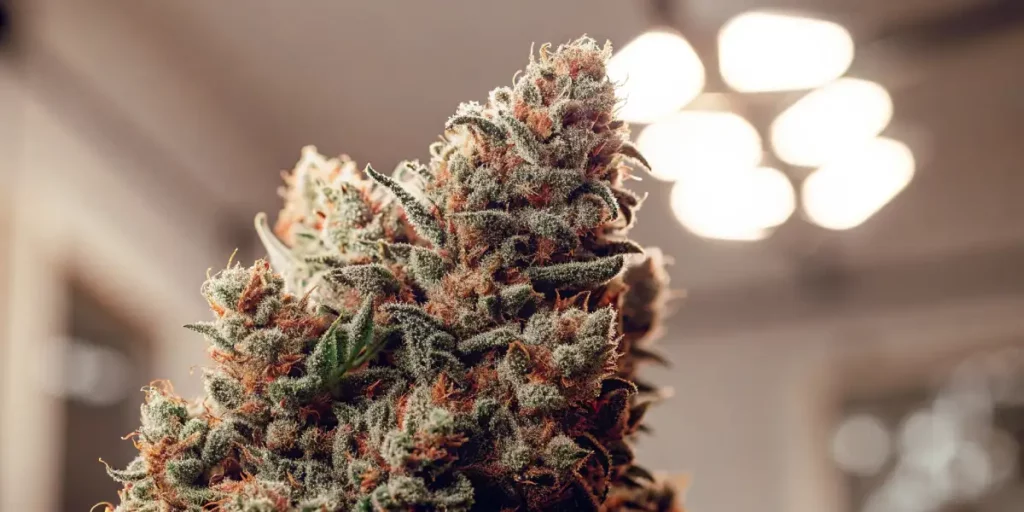
In the flowering phase, expect dense, trichome-coated buds within 10-12 weeks. Maintain 18-20 hours of light to ensure full bud development. Transition to a phosphorus and potassium-rich bloom formula to enhance resin production.
Professional Tips for Growing Cheese Autoflower
- Maintain 68-77°F (20-25°C) during flowering to optimize bud development. Fluctuations can stress plants, reducing yield.
- Use a carbon filter to control Cheese Autoflower’s strong aroma indoors. Without it, the scent can permeate living spaces.
- Monitor pH levels between 6.0-6.5 for nutrient uptake. Deviations can cause nutrient lockout, stunting growth.
- Provide 800-1000 µmol/m²/s of light intensity for indoor grows. Insufficient light reduces photosynthesis efficiency.
- Ensure 50-60% humidity during vegetative growth, dropping to 40-50% in flowering. High humidity risks mold in dense buds.
- Use N:P:K 3:1:2 during vegetative phase and 1:3:2 in flowering. Incorrect ratios can lead to deficiencies or toxicities.
Frequently Asked Questions
How long does it take for Cheese autoflower to grow?
Cheese Autoflower typically takes about 10-12 weeks from seed to harvest. This quick growth cycle makes it ideal for growers looking to achieve multiple harvests per year. Its compact size and resistance to pests make it a favorite among both novice and experienced cultivators.
What is the best Cheese strain?
The best Cheese strain often depends on personal preference. Original Cheese offers a classic taste and aroma, while Blue Cheese Auto provides a fruitier profile. Critical Cheese Autoflower is known for its enhanced yield and faster flowering time, making it a popular choice for commercial growers.
What are the most potent autoflowers?
The most potent autoflowers include strains like Gorilla Glue Auto, known for THC levels up to 24%, and Girl Scout Cookies Auto, with THC levels reaching 22%. These strains provide strong psychoactive effects, making them ideal for experienced users seeking a powerful high.
What is a fast bud?
A fast bud refers to cannabis strains bred to have a rapid flowering period, typically 6-8 weeks. These strains, often autoflowering, are ideal for growers looking to maximize harvests within a short growing season. Fast buds are popular in regions with limited growing windows.
How can I control the smell when growing Cheese Autoflower?
To control the strong aroma of Cheese Autoflower, use carbon filters in your ventilation system. This helps neutralize odors before they escape the grow space. Growing outdoors in well-ventilated areas or using odor-neutralizing agents can also help manage the scent effectively.