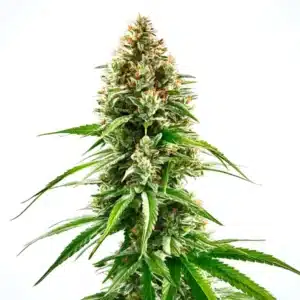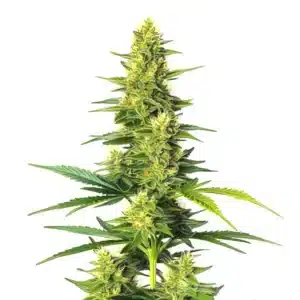
How To Grow Early Skunk

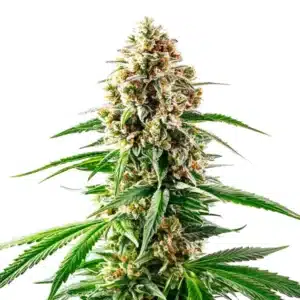
Early Skunk is a robust, indica-dominant hybrid (65% indica, 35% sativa) created by crossing Skunk #1 with Early Pearl. Known for its high yields and mold resistance, it has a short flowering period and delivers a balanced, uplifting high. The strain is famous for its classic skunky, floral aroma and is ideal for diverse climates.
Early Skunk is celebrated for its rich terpene profile, dominated by myrcene and caryophyllene, which contribute to its earthy and spicy aroma. With a flowering time of just 7-9 weeks, this strain is perfect for growers seeking a swift turnaround. Its adaptability to various climates makes it a favorite among cultivators worldwide.
Recommended Strains
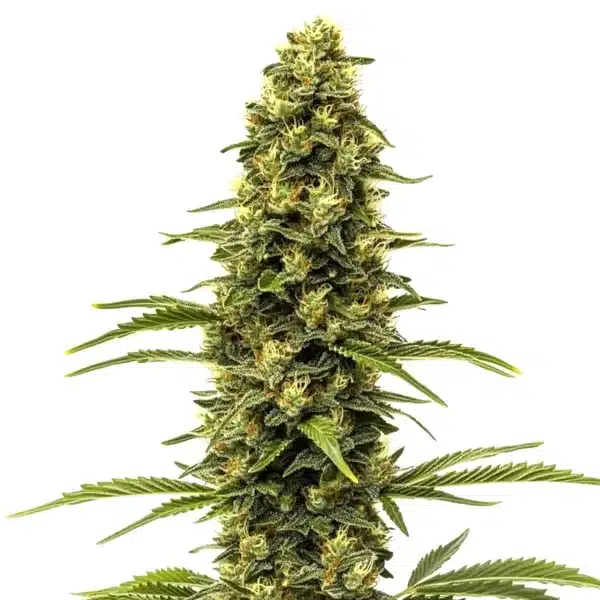
Early Skunk

|
THC | 20% (Medium) |

|
Type | Feminized |

|
Yield | High |

|
Phenotype | 65% Indica / 35% Sativa |
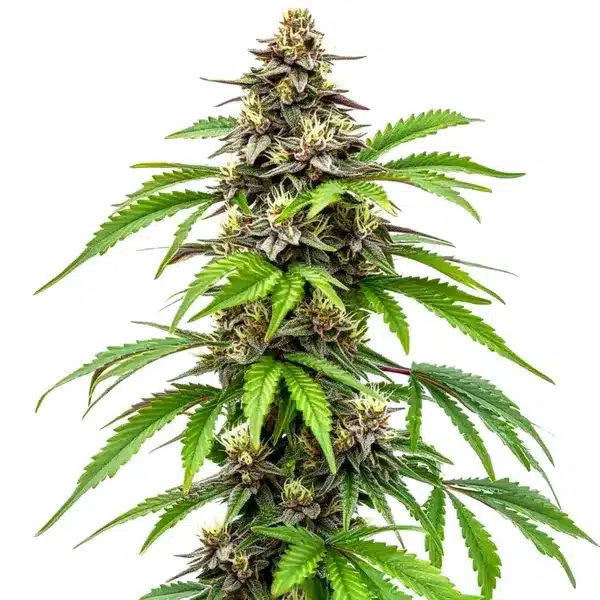
Early Skunk Fast Version
|
|
THC | 15% - 19% (Medium) |
|
|
Type | Fast Flowering |
|
|
Yield | High |
|
|
Phenotype | 65% Indica / 35% Sativa |
Introduction to Early Skunk Strain
What Makes Early Skunk Unique?
Early Skunk stands out due to its robust genetic lineage, combining the legendary Skunk #1 with the resilient Early Pearl. This combination results in a strain that is not only mold-resistant but also capable of thriving in less-than-ideal conditions. Its indica dominance ensures a sturdy, bushy plant structure, which supports heavy buds.
With a typical THC content ranging from 20%, Early Skunk offers a potent yet balanced high. The presence of myrcene (0.5-1.0%) enhances its calming effects, while caryophyllene (0.3-0.6%) adds a peppery kick and potential anti-inflammatory benefits. This terpene synergy contributes to its well-rounded experience.
Growing Early Skunk: Step-by-Step
Starting with germination, Early Skunk seeds respond well to the paper towel method. Maintain a temperature of 70°F to 77°F (21°C to 25°C) to ensure optimal sprouting. During the vegetative stage, an 18/6 light cycle is recommended, with a focus on nitrogen-rich nutrients to promote vigorous growth.
As the plant transitions to flowering, switch to a 12/12 light cycle. The flowering stage lasts 7-9 weeks, during which phosphorus and potassium-rich fertilizers support bud development. Keep humidity levels between 40-50% to prevent mold on the dense buds.
Promos & Deals
Indoor vs. Outdoor Growing
Best Practices for Indoor Cultivation
Indoor cultivation of Early Skunk allows for precise environmental control. Maintain temperatures between 68°F and 77°F (20°C to 25°C) and humidity levels at 40-50%. Use a carbon filter to manage the strain’s potent aroma. Expect the plant to reach heights of 3-5 feet (90-150 cm) indoors.
Lighting should provide 800-1000 µmol/m²/s during peak flowering. This ensures dense bud formation and maximizes resin production. Regular pruning and training techniques like LST can enhance light penetration and increase yields.
Outdoor Growing Advantages
Early Skunk truly shines in outdoor environments, where it can reach heights of 4-6.5 feet (120-200 cm). Its resilience to cooler climates makes it suitable for regions like the Pacific Northwest. The strain’s early finishing time allows for harvest before autumn rains, reducing the risk of mold.
In warmer climates such as California, Early Skunk thrives, producing abundant yields. Ensure good airflow around the plant to prevent humidity-related issues. Regular monitoring of soil pH (6.0-7.0) and nutrient levels is crucial for optimal growth.
| Feature | Early Skunk | GG4 X Zkittlez | Bruce Banner X Grape |
|---|---|---|---|
| THC Content | 20% | 20-24% | 15-20% |
| Dominant Terpene | Myrcene | Caryophyllene | Limonene |
| Flowering Time | 7-9 weeks | 8-10 weeks | 8-10 weeks |
| Yield (Outdoor) | 17.64 – 22.93 oz/plant | 500 – 650 g/plant | 19.4 oz/plant | 550 g/plant | 17.64 – 21.16 oz/plant | 500 – 600 g/plant |
| Height | 8.2 ft | 2.5 m | 6.56 ft | 2 m | 4.92 ft | 1.5 m |
Maximizing Yields with Early Skunk
To maximize yields, focus on maintaining optimal environmental conditions. During the vegetative stage, ensure a high nitrogen intake to promote leaf and stem growth. Transition to phosphorus and potassium-rich nutrients during flowering to enhance bud density and potency. Implementing a consistent light cycle and maintaining proper humidity levels are key to preventing mold and ensuring healthy development.
For outdoor growers, selecting the right planting time is crucial. Early Skunk seeds should be planted after the last frost to take advantage of the full growing season. In regions with shorter summers, consider starting seeds indoors to give plants a head start.
Professional Tips for Growing Early Skunk
- Maintain 58-62% RH during curing to preserve terpenes. Below 55% can halt terpene development, while above 65% risks mold.
- Use a balanced NPK ratio of 3:1:2 during the vegetative stage to support robust leaf growth.
- Switch to a 1:3:2 NPK ratio during flowering to enhance bud density and resin production.
- Ensure light intensity reaches 800-1000 µmol/m²/s during flowering for optimal photosynthesis.
- Monitor soil pH between 6.0 and 7.0 to ensure nutrient uptake and prevent deficiencies.
- Employ LST techniques to maximize light exposure and increase yields by up to 30%.

FAQs about Early Skunk
Is Early Skunk a sativa or indica?
Early Skunk is an indica-dominant hybrid, consisting of 65% indica and 35% sativa genetics. This blend provides a relaxing body high typical of indicas, while the sativa influence adds a touch of cerebral stimulation. Its balanced nature makes it suitable for various uses, from daytime relaxation to evening unwinding.
What is the original Skunk strain?
The original Skunk strain, known as Skunk #1, was developed in the 1970s. It is a cross between Afghani, Acapulco Gold, and Colombian Gold. Skunk #1 is renowned for its potent aroma and balanced effects, typically containing 15-19% THC. It laid the foundation for many modern hybrids, including Early Skunk.
What was the Skunk strain in the 80s?
In the 1980s, Skunk strains became popular for their strong aroma and potency. Skunk #1 was the most notable, with THC levels around 15-19%. It was a staple in the cannabis community, known for its easy cultivation and reliable yields. Its genetics influenced numerous hybrids, making it a cornerstone of cannabis breeding.
What is the strongest Skunk strain?
GG4 X Zkittlez is considered one of the strongest Skunk hybrids, with THC levels reaching 22-28%. This strain combines the potency of GG4 with the flavorful profile of Zkittlez, resulting in a powerful, euphoric high. Its robust effects and rich terpene profile make it a favorite among seasoned users.
Can I use Early Skunk in edibles?
Yes, Early Skunk is suitable for edibles due to its balanced cannabinoid profile. With THC levels between 15-20%, it provides a moderate psychoactive effect. When decarboxylated and infused into oils or butters, it can be used to create flavorful and potent edibles. Always dose carefully to avoid overconsumption.