Croptober: When and How to Harvest Cannabis Outdoors

Croptober is the nickname for the big outdoor cannabis harvest season in the Northern Hemisphere, that magic window from late September through November when sun-grown plants finish and months of work finally pay off. It is the most important stretch of the year for any outdoor grower. Below, when it happens, how to know your plants are ready, and how to bring them in before the autumn rain spoils them.
It is also a bit of a ritual: trimming marathons, jars filling with cured buds, and the whole outdoor community finishing at once. But timing is everything, harvest too early and you lose potency, too late and rain or mold can ruin a season’s work. So let’s start with when Croptober actually lands for you.
Recommended Strains

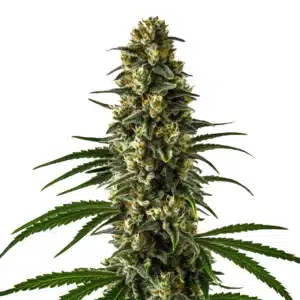
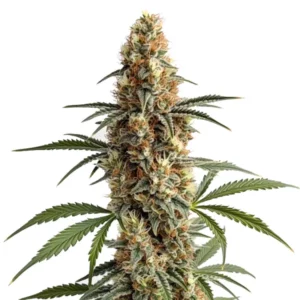
Fat Bastard

|
THC | 30% - 38% (High) |

|
Type | Feminized |

|
Yield | High |

|
Phenotype | 50% Indica / 50% Sativa |

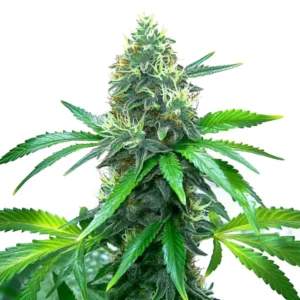
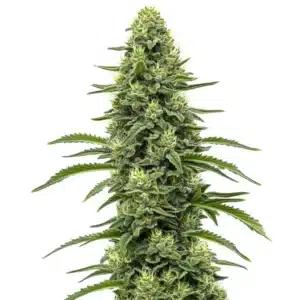
GG4
|
|
THC | 27% (High) |
|
|
Type | Feminized |
|
|
Yield | High |
|
|
Phenotype | 40% Indica / 60% Sativa |
When Is Croptober? Harvest Window by Region
Exactly when Croptober peaks depends on your latitude and climate, since outdoor plants finish as the days shorten. As a rough guide:
| Climate / region | Typical Croptober harvest window |
|---|---|
| Cooler north (Canada, northern Europe, Pacific Northwest) | Late September to mid-October |
| Temperate mid-latitudes (most of the US, central/southern Europe) | Early to late October |
| Warm south (California, Spain, Mediterranean) | Mid-October into November |
| Autoflowers (any region) | By age, about 10-12 weeks from sprout, so they can finish earlier and beat the rain |
Promos & Deals
How to Know Your Plants Are Ready
The calendar is only a guide; the plant tells you when it is truly ready. The most reliable sign is the trichomes, the tiny resin glands on the buds. Checked with a loupe, clear trichomes mean it is too early, milky-white means peak THC, and amber means a heavier, more sedative effect. Most growers harvest when trichomes are mostly milky with a little amber. Our guide on what color trichomes should be at harvest walks through it in detail.
Croptober’s biggest enemy is weather. As autumn brings rain, cold nights and humidity, dense buds are prime targets for bud rot (botrytis). Watch the forecast closely: it is often better to harvest a day or two early than to lose a crop to mold in a wet spell. Fast-finishing autoflowers are popular with northern growers precisely because they can finish before the worst of the rain arrives.
Cutting the plant is only half the job. Once harvested, a slow dry and a proper cure are what turn fresh buds into smooth, aromatic flower. Hang in a cool, dark, airy space, then jar and cure. See our guides on drying weed and curing at the right humidity to finish strong.
Why Croptober Moves the Whole Market
There is a market side too. With millions of outdoor plants finishing at once, supply floods in and wholesale prices often dip for a while, so you may spot good deals. But Croptober is also the ultimate real-world test of genetics: growers finally see which strains shrugged off powdery mildew, handled a cold snap, or delivered those dense, heavy colas, and which fell short.
How Croptober Shapes Next Year’s Genetics
Breeders and seed banks treat Croptober as a giant feedback loop. If a sativa crushed it this year, expect demand for similar genetics next spring; if a new indica finished fast before the rains, that tells breeders which traits win in the real world. That loop, grower feedback shaping the next generation of seeds, is how legendary strains are born and how quality keeps improving.
That feedback loop also drives what is available to buy. A strong Croptober for fast, mold-resistant or autoflowering genetics pushes seed banks to stock more of them the following spring, a trend accelerated by shorter, less predictable outdoor seasons in many regions. The practical takeaway for growers is to buy your seeds early, before the pre-season rush empties the shelves of the most popular lines.
Why Stable Genetics Matter
A seed is a tiny, dormant promise, you invest time, money and a whole season into it. If it grows unstable or weak, or does not match the description, that trust is gone. That is why stable, reliable genetics matter so much: with a proven strain you know what you are growing before Croptober even begins, which takes a lot of the gamble out of an outdoor season.
In the end, Croptober is more than cutting down plants. It is harvesting a season’s knowledge, celebrating the craft, and setting up an even better grow next year. Time it right, watch the trichomes and the weather, and cure it well, and your Croptober will be one to remember.

FAQs About Croptober
What exactly is Croptober?
Croptober is slang for the main outdoor cannabis harvest season in the Northern Hemisphere, a blend of “crop” and “October.” It usually runs from late September through November, when most sun-grown plants reach full maturity. The exact timing depends on your climate and the strain, with cooler regions finishing earlier.
How do I know when to harvest during Croptober?
Check the trichomes with a magnifier rather than trusting the calendar. Clear means too early, milky-white means peak THC, and amber means a more sedative, couch-lock effect. Most growers cut when trichomes are mostly milky with a little amber. Also watch the forecast and harvest early if heavy rain threatens.
How does Croptober affect cannabis prices?
Because a huge amount of outdoor cannabis hits the market at once, Croptober often causes a temporary dip in wholesale prices from the surge in supply. The effect is usually strongest in the weeks right after the main harvest, when sun-grown flower is most abundant, so it is a good time to find deals.
Does Croptober affect next year’s seeds?
Yes, indirectly. Breeders and seed banks watch which strains performed best during Croptober: the biggest yields, the best mold resistance, the fastest finishers. That real-world feedback shapes which strains trend the following spring and which traits breeders prioritize in the next generation of seeds.
Why does genetic stability matter?
Genetic stability means a pack of seeds reliably grows into plants that match the breeder’s description. An unstable strain throws wildly different plants from the same pack, so you cannot predict height, potency or finish time, risky for a once-a-year outdoor grow. Stabilized genetics let you plan your Croptober with confidence.