When to Switch from Vegetative to Flowering Stage Indoors

Indoor photoperiod plant transition: Switch to a 12-hour light and 12-hour dark cycle when plants reach half their final desired height. This is crucial as plants can double or triple in size during the initial flowering stretch. Flipping early helps prevent them from outgrowing the grow space, ensuring optimal growth and yield management.
Transitioning cannabis from vegetative to flowering indoors is a pivotal step in maximizing yields. During this phase, terpenes such as myrcene and limonene develop, influencing aroma and effects. Typically, flowering lasts 8-12 weeks, with environmental control being crucial. Ensuring optimal light cycles and nutrient adjustments can significantly impact the final product’s quality and potency.
Recommended Strains
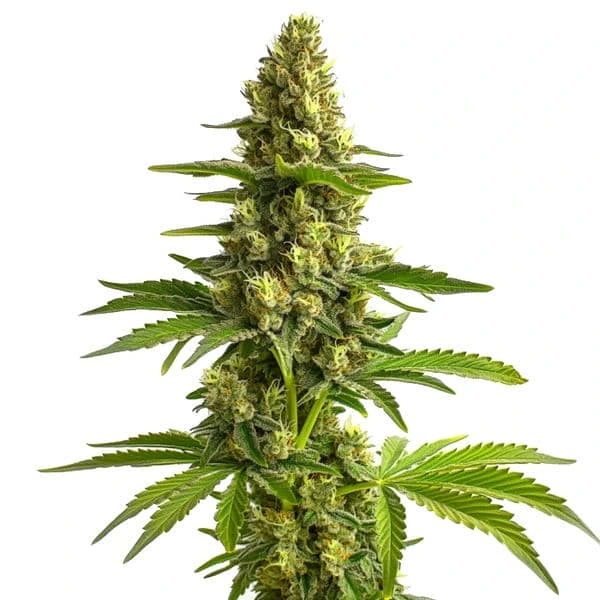
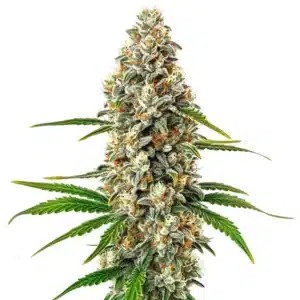
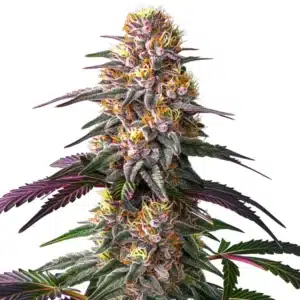
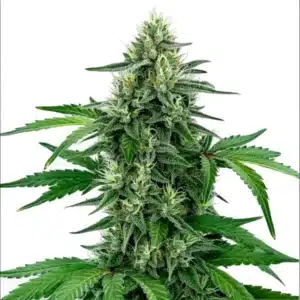
Bruce Banner #3

|
THC | 20% - 29% (High) |

|
Type | Feminized |

|
Yield | High |

|
Phenotype | 50% Indica / 50% Sativa |

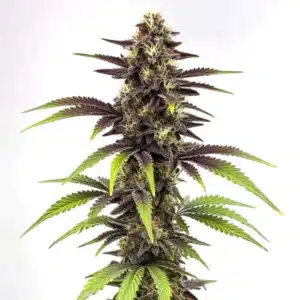
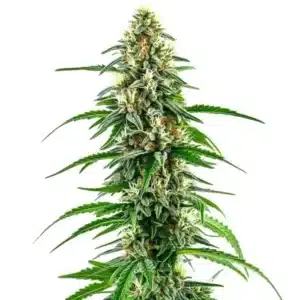
Bruce Banner 2.0
|
|
THC | 25% - 30% (High) |
|
|
Type | Feminized |
|
|
Yield | High |
|
|
Phenotype | 35% Indica / 65% Sativa |
Recognizing Growth Stages
Vegetative Indicators
During the vegetative stage, cannabis plants exhibit vigorous growth, characterized by lush foliage and robust stems. This phase is marked by the development of at least four to six nodes, crucial for supporting future bud weight. Oscillating fans are essential during this period, promoting stronger branches capable of sustaining heavy flowers.
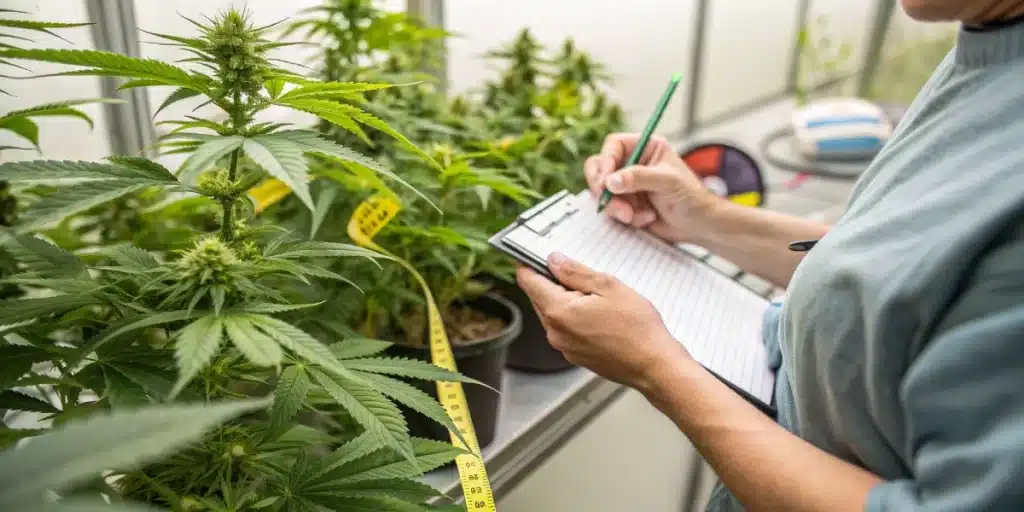
Height is another critical factor; plants should reach approximately 24 inches (60 cm) before transitioning. This ensures adequate energy reserves for flowering. Indica strains, in particular, benefit from this height as they tend to slow vertical growth once flowering begins.
Monitoring plant health is vital. Leaves should be vibrant green and pointing upwards, indicating optimal nutrient uptake. Any signs of stress, such as yellowing or wilting, should be addressed before switching to the flowering stage.
Transition Signals
Pre-flowers are key indicators of a plant’s readiness to transition. These small formations at the nodes reveal plant sex, with males developing sacs and females showing white pistils. Recognizing these signs ensures that plants are sexually mature and ready for the flowering phase.
Height management is crucial indoors. Techniques like topping and low-stress training (LST) should be completed during the vegetative stage. Additionally, preventive fumigation is recommended to eliminate pests before they can harm developing flowers.
The light schedule plays a pivotal role in triggering flowering. Transitioning from an 18/6 to a 12/12 light/dark cycle signals the plant to begin blooming. This change must be carefully timed to coincide with the plant’s readiness.
Promos & Deals
Adjusting Care for Transition
Nutrient Changes
As plants prepare to flower, their nutritional needs shift significantly. While nitrogen is vital during the vegetative phase, phosphorus and potassium become essential for bud development during flowering. Excess nitrogen during this stage can hinder bud growth and reduce yield quality.
Maintaining the correct pH level is crucial for nutrient absorption. In soil, aim for a pH of 6.5, while hydroponic systems should be kept between 5.5–6.5. Regular monitoring ensures plants receive the nutrients needed for optimal growth.
Adjusting nutrient ratios is a delicate process. A common mistake is failing to reduce nitrogen levels, which can lead to nutrient burn and stunted growth. Gradual changes in the nutrient mix help plants transition smoothly.
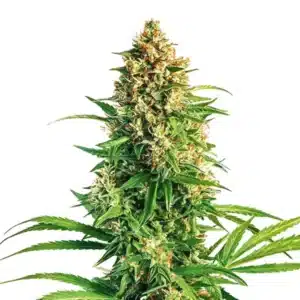
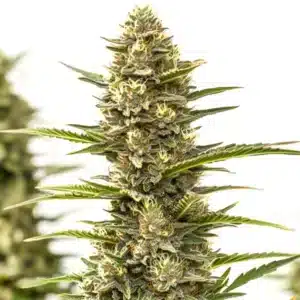
| Feature | Bruce Banner X Kali Mist | Purple Gelato Lemon Bean | Amnesia X Ak 47 |
|---|---|---|---|
| THC Content | 24-28% | 22-26% | 20-24% |
| Dominant Terpene | Limonene | Caryophyllene | Myrcene |
| Flowering Time | 9-10 weeks | 8-9 weeks | 10-11 weeks |
| Yield | 1.8 oz/ft² (550 g/m²) | 1.5 oz/ft² (450 g/m²) | 2 oz/ft² (600 g/m²) |
| Effect | Euphoric, Uplifting | Relaxing, Happy | Energetic, Creative |
Final Preparations
Timing the transition to flowering is critical. Switching when plants are half their final height prevents overcrowding and maximizes light exposure. Techniques like LST and topping should be implemented a week or two before the switch to allow recovery.
Structural integrity is vital as plants enter flowering. Adding supports like stakes or a trellis can prevent branches from breaking under the weight of developing buds. This proactive step ensures a healthy flowering phase.
Environmental adjustments are also necessary. Increasing ventilation and adjusting light placement can mitigate heat and humidity issues, reducing the risk of mold and other complications.
Environmental Considerations
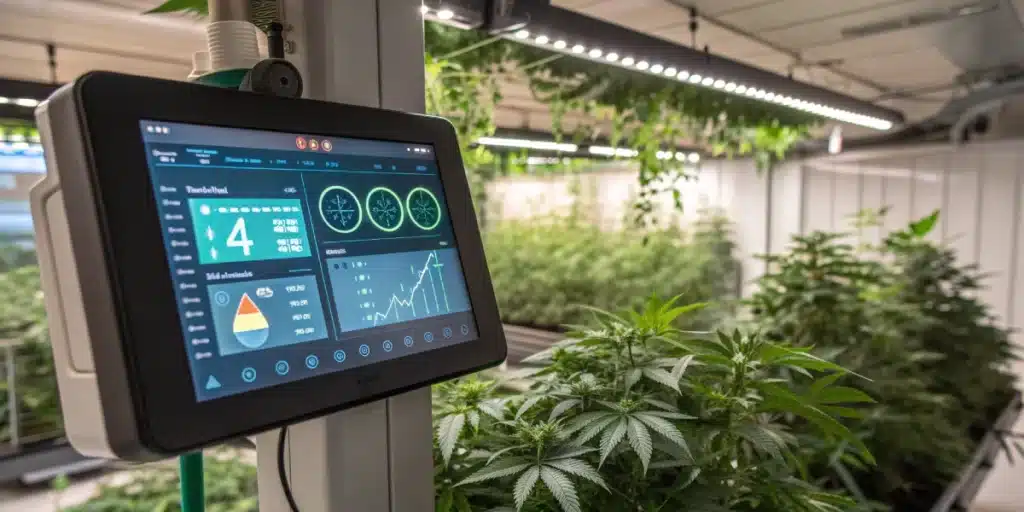
Daytime temperatures should be maintained between 20°C – 25°C (68°F – 77°F) to promote healthy growth. At night, a drop of 8°C – 11°C (15°F – 20°F) is optimal. Humidity levels should be adjusted to 40% – 50% during flowering to prevent bud rot. CO2 enrichment can enhance photosynthesis, leading to more vigorous growth.
Professional Tips for Indoor Transition
- Maintain a 12/12 light cycle to trigger flowering. This simulates natural seasonal changes, encouraging plants to bloom. Avoid inconsistent light schedules, which can stress plants and reduce yields.
- Ensure a pH level of 6.5 in soil for optimal nutrient absorption. Incorrect pH can lead to nutrient lockout, stunting growth. Regularly test and adjust pH levels to maintain plant health.
- Use a N:P:K ratio of 1:3:2 during flowering. This supports bud development and enhances flavor profiles. Over-fertilizing can cause nutrient burn, so adjust feeding schedules carefully.
- Implement LST techniques to maximize light exposure and improve yields. This method reduces the risk of mold by increasing airflow. Avoid aggressive pruning during flowering as it can stress plants.
- Monitor humidity levels, keeping them between 40-50% during flowering. High humidity can lead to mold, while low levels may cause nutrient deficiencies. Use dehumidifiers to maintain optimal conditions.
- Increase ventilation to manage heat and humidity. Proper airflow prevents mold and supports healthy growth. Inadequate ventilation can lead to pest infestations and reduced yields.
FAQs on Transitioning Stages
How many nodes before switching to flower?
Switch to flowering when your cannabis plants have developed at least four to six nodes. This ensures they have a strong structure to support bud development. Nodes are crucial as they indicate the plant’s maturity and readiness for the flowering stage, typically at a height of around 24 inches (60 cm).
How to transition from vegetative to flowering indoor?
To transition, adjust the light cycle from 18/6 to 12/12 to simulate shorter days. Ensure the environment is optimized with adequate ventilation and humidity control. Transitioning too early can lead to smaller yields, so wait until plants are mature, with at least four to six nodes.
When should I switch my grow light from veg to bloom?
Switch your grow light from veg to bloom when plants reach about half their final desired height. This typically occurs after 4-6 weeks of vegetative growth. The change to a 12/12 light cycle signals the plant to start flowering, crucial for maximizing yield and managing plant size.
How long is the flowering stage indoors?
The indoor flowering stage typically lasts 8 to 12 weeks, depending on the strain. Indica strains often flower in 8-9 weeks, while sativa strains may take up to 12 weeks. This period is critical for bud development and requires careful monitoring of environmental conditions to ensure optimal growth.
What are the signs of a plant ready to flower?
Signs include the development of pre-flowers at the nodes, indicating sexual maturity. Female plants show white pistils, while males develop sacs. Plants should also have robust stems and a thick canopy, typically reaching 24 inches (60 cm) in height, to support the flowering phase.