Autoflower 12/12 Light Cycle: Is It Worth It?

Autoflowering cannabis plants: While they can flower under any light cycle, using a 12/12 light cycle may reduce yields compared to longer cycles like 18/6. Autoflowers don’t rely on light schedules to trigger flowering, allowing flexibility but potentially at the cost of productivity. An 18/6 cycle optimizes growth and yield, making it more suitable for maximizing output.
Autoflowering strains are celebrated for their ability to flower based on age rather than light cycles, offering growers flexibility. The terpene profile of these strains can vary significantly, with myrcene often enhancing relaxation. Flowering time typically spans 70-80 days from seed, allowing for multiple harvests annually. This article delves into the implications of using a 12/12 light cycle.
Recommended Strains
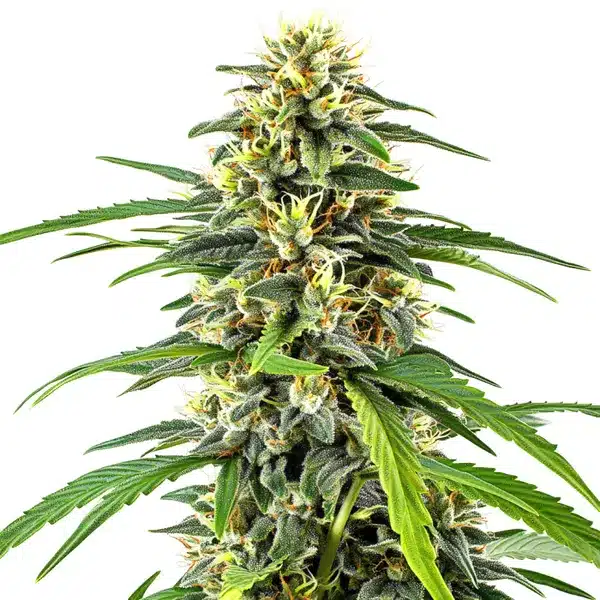
Amnesia Haze

|
THC | 18% - 22% (Medium) |

|
Type | Feminized |

|
Yield | High |

|
Phenotype | 30% Indica / 70% Sativa |
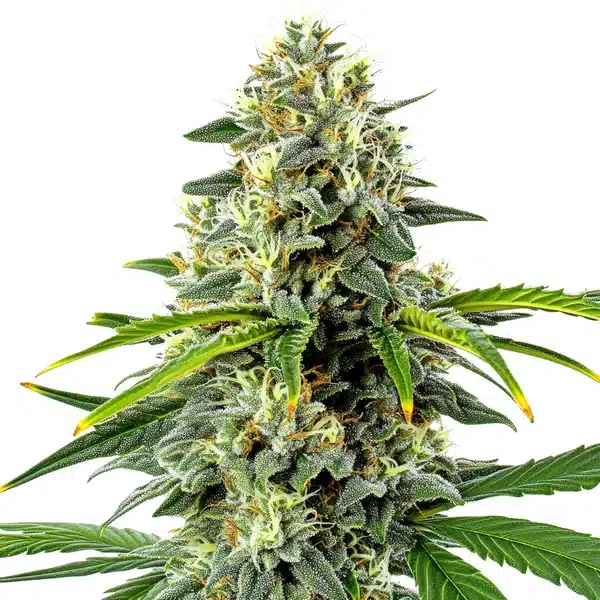
Haze Autoflower
|
|
THC | 18% - 24% (High) |
|
|
Type | Autoflowering |
|
|
Yield | High |
|
|
Phenotype | 20% Indica / 80% Sativa |
Autoflower Light Cycles Explained
What is a 12/12 Light Cycle?
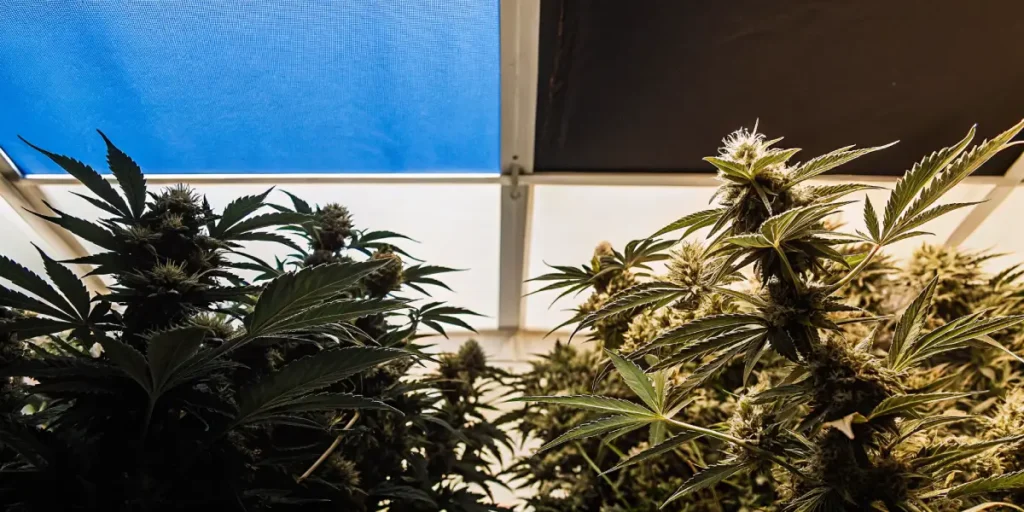
A 12/12 light cycle involves providing 12 hours of light followed by 12 hours of darkness. This schedule is standard for photoperiod plants to initiate flowering. However, for autoflowers, this cycle doesn’t trigger flowering but can impact growth. Autoflowers flower based on maturity, not light exposure, making them adaptable to various cycles.
Using a 12/12 cycle on autoflowers limits light exposure, potentially reducing photosynthesis efficiency. This can slow growth and decrease yield. Typical light cycles for autoflowers, such as 18/6, provide more light, promoting vigorous growth and higher yields. The 12/12 cycle is more energy-efficient but may not optimize plant potential.
Effects of 12/12 on Autoflower Growth
Implementing a 12/12 light cycle can save energy but might compromise plant growth. Autoflowers under this schedule receive less light, which can limit their photosynthetic activity. This reduction in light can lead to smaller plants and lower yields compared to those grown under an 18/6 cycle, which provides more light for energy production.
While a 12/12 schedule can simplify mixed grows with photoperiod plants, it often results in less dense buds. For growers prioritizing yield, maintaining an 18/6 cycle is advisable. This cycle ensures optimal light for photosynthesis, supporting robust plant development and maximizing bud production.
Promos & Deals
When to Use a 12/12 Light Cycle
Ideal Scenarios for 12/12
Using a 12/12 light cycle can be beneficial when growing autoflowers alongside photoperiod plants that require this schedule to flower. This approach simplifies grow room management by aligning light schedules, reducing the need for separate spaces. However, it may not be ideal for maximizing autoflower yields.
In scenarios where energy costs are a concern, a 12/12 cycle can help reduce electricity usage. This is particularly useful in large-scale operations where energy efficiency is crucial. However, growers should weigh the trade-off between energy savings and potential yield reduction when considering this light cycle.
| Feature | Stardawg Auto | Gelato X Honey Drop | Cinderella 99 X Somango |
|---|---|---|---|
| THC Content | 22-26% | 20-24% | 18-22% |
| Dominant Terpene | Myrcene | Limonene | Caryophyllene |
| Yield | 1.5 oz/ft² (450 g/m²) | 1.8 oz/ft² (550 g/m²) | 1.6 oz/ft² (500 g/m²) |
| Flowering Time | 70 days | 75 days | 72 days |
| Effect | Relaxing | Euphoric | Uplifting |
Comparing Light Cycles: 12/12 vs. 18/6
Comparing the 12/12 and 18/6 light cycles reveals distinct differences in growth and yield potential. The 18/6 schedule provides more light, encouraging faster growth and larger yields. Conversely, the 12/12 cycle conserves energy but limits growth, making it less suitable for growers focused on maximizing output.
For those balancing energy efficiency with plant health, the choice of light cycle depends on specific goals. An 18/6 cycle is recommended for maximizing yield, while a 12/12 cycle may be preferred for energy savings in mixed grows. Understanding these differences helps growers make informed decisions.
Technical Insights into Light Cycles
Photosynthesis is a critical process for plant growth, relying heavily on light exposure. Autoflowers under a 12/12 light cycle may experience reduced photosynthetic efficiency due to limited light availability. This can result in slower metabolic rates and less carbohydrate production, affecting overall plant vigor.
Moreover, the 18/6 light cycle aligns more closely with the natural circadian rhythms of plants, promoting optimal metabolic function. The extended light period facilitates greater CO2 uptake and oxygen release, enhancing growth. This cycle also supports higher transpiration rates, essential for nutrient uptake and water movement within the plant.
Professional Tips for Autoflower Light Cycles
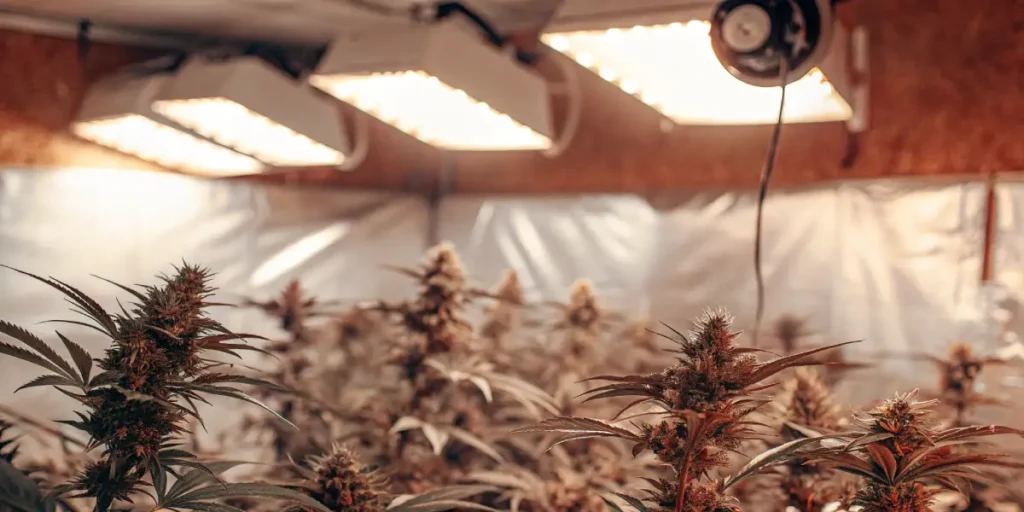
- Maintain 18/6 light cycle for optimal growth. This cycle provides sufficient light for photosynthesis, promoting robust plant development and maximizing yield. Avoid reducing light exposure unnecessarily.
- Monitor temperature at 68-77°F (20-25°C) during the light period. Temperature fluctuations can stress plants, impacting growth and yield. Ensure consistent climate control.
- Use a digital timer to automate light cycles. Manual adjustments can lead to inconsistencies, affecting plant health. Digital timers ensure precise control over light exposure.
- Adjust nutrient levels to match light cycle. Autoflowers under 12/12 may require less nitrogen. Overfeeding can lead to nutrient burn, reducing plant vitality.
- Consider light intensity, maintaining 800-1000 µmol/m²/s during peak flowering. Insufficient light intensity limits photosynthesis, affecting growth and bud density.
- Regularly check for signs of stress, such as yellowing leaves. Stress indicators can signal environmental imbalances, requiring immediate attention to prevent yield loss.
FAQs About Autoflower Light Cycles
Is 12 12 ok for autoflowers?
Yes, you can use a 12/12 light cycle for autoflowers, but it’s not optimal. Autoflowers don’t need light changes to flower, but less light can slow growth and reduce yield. An 18/6 cycle is recommended for better results, providing more light for photosynthesis and energy production.
When should I switch my plants to 12 12?
Switching to a 12/12 light cycle is typically for photoperiod plants to induce flowering. Autoflowers don’t require this switch as they flower based on age. However, if growing with photoperiods, aligning cycles can simplify management. Ensure your setup supports the specific needs of both plant types.
How long does 12 12 from seed take?
For autoflowers, flowering time isn’t dependent on a 12/12 cycle. They typically mature in 70-80 days from seed, regardless of light schedule. However, using 12/12 may extend the total grow time due to reduced growth rates, impacting overall yield and plant size.
Does flowering time start at 12:12?
For photoperiod plants, flowering time starts when switched to a 12/12 cycle. Autoflowers, however, begin flowering based on age, not light changes. Their flowering time is often predetermined, typically starting around 30 days from seed, independent of the light schedule.
What are the benefits of an 18/6 cycle for autoflowers?
An 18/6 light cycle provides more light for photosynthesis, promoting faster growth and larger yields. Autoflowers thrive with longer light exposure, enhancing energy production and bud development. This cycle balances growth and energy efficiency, optimizing plant potential and overall yield.