Starting Plants Indoors and Moving Outdoors: A Complete Guide

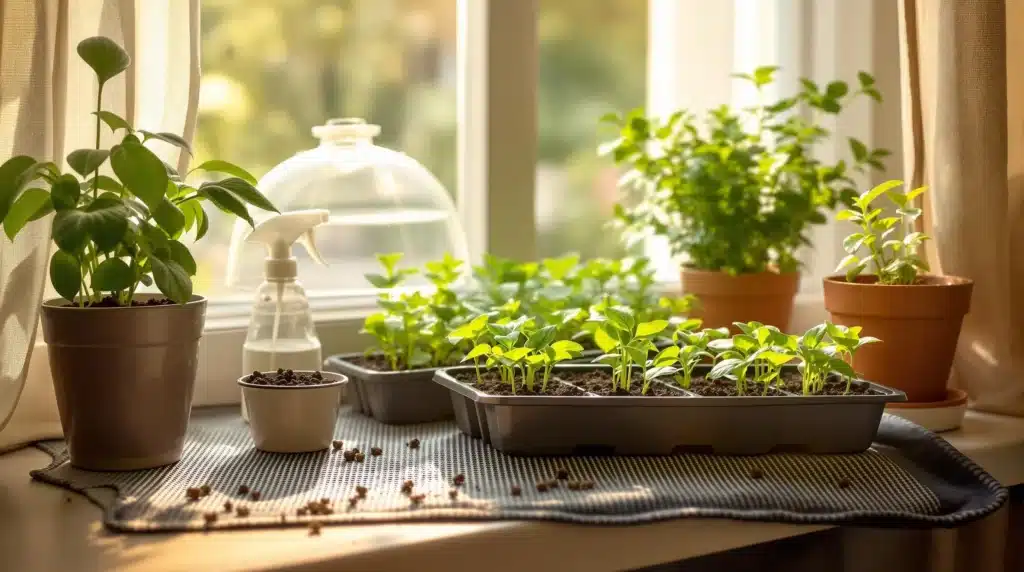
Indoor to Outdoor Transition: Starting plants indoors before moving them outdoors extends the growing season and enhances plant resilience. Begin indoors for 4 to 6 weeks, ensuring seedlings are robust before acclimating them to outdoor conditions. This method shields young plants from pests and adverse weather, promoting healthier growth and maximizing yield potential.
Creating an optimal indoor environment for seed germination involves precise control over light, temperature, and humidity. Terpenes like Myrcene, which enhances THC uptake, thrive under these conditions. Indoor germination typically spans 4 to 6 weeks, allowing for a controlled environment where seedlings develop strong roots and foliage before facing outdoor elements.
Recommended Strains

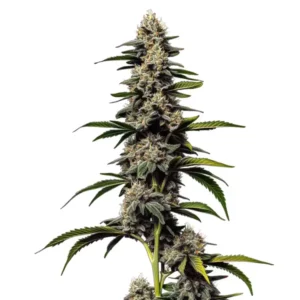
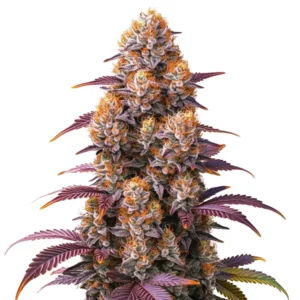
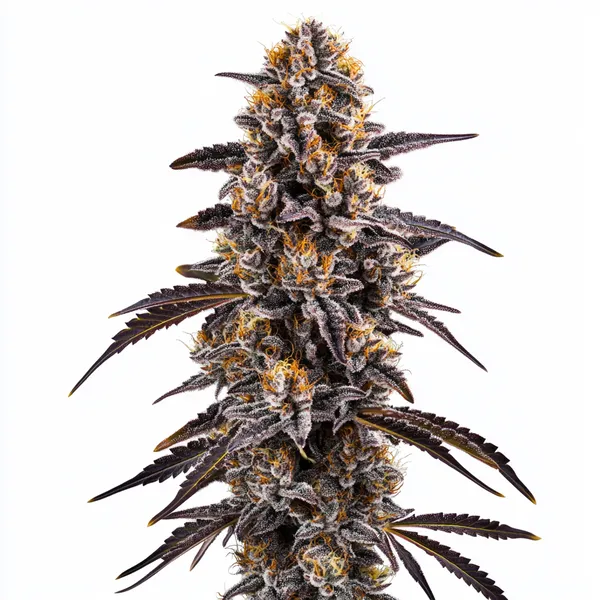
Slurricane

|
THC | 24% - 28% (High) |

|
Type | Feminized |

|
Yield | High |

|
Phenotype | 60% Indica / 40% Sativa |
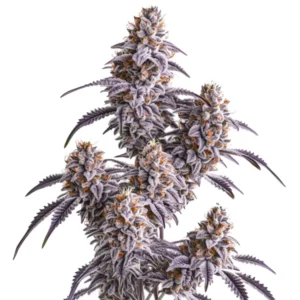
Slurty 3
|
|
THC | 19% - 23% (Medium) |
|
|
Type | Feminized |
|
|
Yield | High |
|
|
Phenotype | 90% Indica / 10% Sativa |
Benefits of Starting Plants Indoors
Controlled Environment for Early Growth
Starting plants indoors allows for meticulous control over temperature, humidity, and light, crucial for seedling development. Maintaining a temperature range of 70°F to 80°F (21°C to 27°C) ensures optimal enzyme activity for germination. Humidity levels should hover around 70% to prevent dehydration of young seedlings, using humidifiers or domes to maintain this environment.
Providing consistent light, ideally 16-18 hours a day, mimics natural spring conditions. Using full-spectrum LED lights can enhance photosynthesis, promoting robust growth. This setup not only accelerates development but also reduces the risk of pests and diseases common in outdoor environments.
Extending the Growing Season
Indoor germination gives your plants a head start, allowing you to transplant them outdoors as soon as the last frost passes. This approach can extend the growing season by up to 4 weeks, crucial for regions with shorter summers. Early planting results in a longer flowering period, maximizing yield.
By the time outdoor conditions are favorable, your seedlings have developed strong root systems and foliage, ready to take advantage of the extended daylight and warmer temperatures. This preparation ensures a more resilient plant capable of withstanding environmental stressors.
Promos & Deals

Ideal Indoor Conditions for Germination
Temperature and Humidity Requirements
Maintaining ideal temperature and humidity is critical for seed germination. Aim for a consistent temperature of 70°F to 80°F (21°C to 27°C) to facilitate enzymatic activities necessary for sprouting. Relative humidity should be kept around 70% to prevent seed desiccation, using humidity domes or trays with covers.
Ensure proper ventilation to avoid mold and mildew, which thrive in stagnant air. A small fan can help circulate air, reducing the risk of fungal issues. Monitoring with a digital hygrometer ensures precise control over these conditions, crucial for successful germination.
| Feature | Pineapple Kush Regular | Green Crack | Fruity Flavour Fruit Punch |
|---|---|---|---|
| THC Content | 18-22% | 20-24% | 15-20% |
| Dominant Terpene | Myrcene | Pinene | Limonene |
| Flavor Profile | Tropical, Earthy | Citrus, Pine | Fruity, Sweet |
| Growth Time | 8-9 weeks | 9-10 weeks | 8-9 weeks |
| Yield | 18-20 oz/plant | 20-22 oz/plant | 16-18 oz/plant |
Moisture and Container Selection
Consistent moisture is essential for seed germination, but overwatering can lead to root rot. Use containers with drainage holes to prevent waterlogging. Seedling trays or biodegradable pots are excellent choices, allowing easy transplanting without disturbing root systems.
Water seedlings when the top inch of soil feels dry, ensuring moisture reaches the roots. A spray bottle can provide a gentle mist, preventing soil compaction and promoting healthy root growth. Regularly check soil moisture to maintain optimal conditions for seedling development.
Hardening Off Your Plants
Steps for Hardening Off
Hardening off is a gradual process of acclimating indoor seedlings to outdoor conditions. Start by placing plants outside in a shaded area for 1-2 hours, gradually increasing exposure to direct sunlight and wind over 7-10 days. This process reduces transplant shock, allowing plants to adapt to environmental changes.
Monitor weather conditions closely during this period. Avoid exposing seedlings to extreme temperatures or heavy rain. If necessary, bring plants indoors during adverse weather. This careful transition minimizes stress and prepares plants for successful outdoor growth.
Common Mistakes to Avoid
Avoid rushing the hardening off process. Sudden exposure to full sun and wind can cause leaf burn and stunted growth. Gradual acclimation over a week is essential for plant health. Another common mistake is neglecting watering during this period; ensure soil remains moist but not waterlogged.
Pay attention to signs of stress, such as wilting or leaf discoloration. Adjust exposure times and provide shade if necessary. Proper care during hardening off ensures a smooth transition and robust outdoor growth.
Choosing the Right Time to Transplant
Best Time to Plant Weed Outdoors
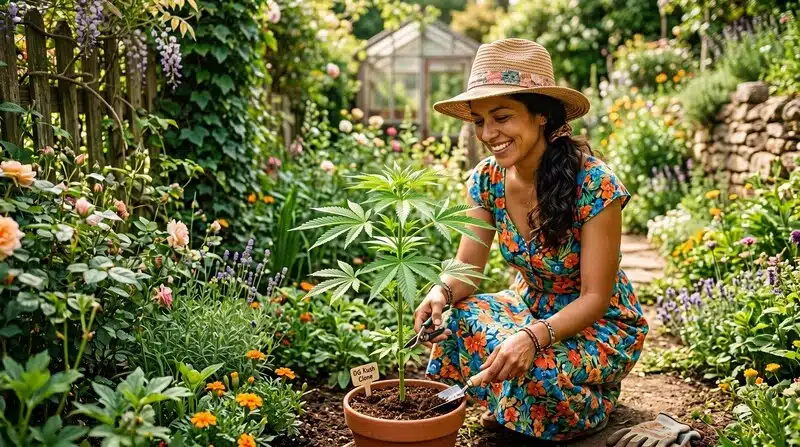
The ideal time to transplant seedlings outdoors is after the last frost date in your region. Soil temperatures should consistently be above 60°F (15°C) for optimal root growth. Transplanting too early can expose plants to frost damage, while waiting too long can limit growth potential.
Choose a cloudy day or late afternoon for transplanting to reduce transplant shock. This timing minimizes exposure to intense sunlight, allowing plants to establish roots without added stress. Proper timing is crucial for maximizing yield and plant health.
Professional Tips for Successful Transplanting
- Maintain 70°F to 80°F (21°C to 27°C) indoors for optimal seedling growth. Temperatures outside this range can hinder enzyme activity.
- Use containers with drainage to prevent root rot. Overwatering is a common mistake that can lead to fungal issues.
- Gradually increase outdoor exposure during hardening off. Sudden changes can cause leaf burn and stunted growth.
- Transplant after the last frost date when soil is above 60°F (15°C). Early planting risks frost damage.
- Water thoroughly after transplanting to encourage deep root growth. Neglecting this can lead to poor establishment.
- Monitor for pests during the transition. Young plants are vulnerable, and early intervention is key.
Frequently Asked Questions
How long does it take to transition plants from indoor to outdoor?
The transition typically takes 7 to 10 days. Start by placing plants outside for 1-2 hours, gradually increasing exposure to sunlight and wind. This gradual process helps minimize transplant shock and ensures plants adapt well to their new environment.
What are common mistakes when starting seeds indoors?
Common mistakes include overwatering, insufficient light, and not maintaining proper humidity levels. Overwatering can lead to root rot, while inadequate light results in weak, leggy seedlings. Maintaining 70% humidity is crucial for healthy seedling development.
How to transition indoor seedlings to outdoors?
Begin by placing seedlings in a shaded outdoor area for a few hours, gradually increasing their exposure to sunlight over 7-10 days. Monitor weather conditions and bring plants indoors during adverse weather to prevent stress and damage.
How long do plants go into shock after transplanting?
Plants can experience transplant shock for 1 to 2 weeks. Symptoms include wilting and slowed growth. Proper hardening off, watering, and timing can minimize shock and promote quicker recovery.
What is the best soil temperature for transplanting?
The best soil temperature for transplanting is above 60°F (15°C). This ensures optimal root growth and reduces the risk of frost damage. Use a soil thermometer to check temperatures before transplanting.