How Often to Water Marijuana Plants Outside in Summer

Quick answer: In summer, outdoor marijuana usually needs watering every two to three days in mild weather, daily once temperatures top 85 F (29 C), and sometimes twice a day in a heatwave. The real rule is to water when the top inch or two of soil has dried, and to water deeply at the base early in the morning.
Summer watering is less about a fixed schedule and more about reading conditions. Heat, wind and low humidity all pull moisture out of the plant and soil faster, so the same plant that is happy with a drink every few days in June might need water daily, or even twice a day, during a July heatwave.
Recommended Strains
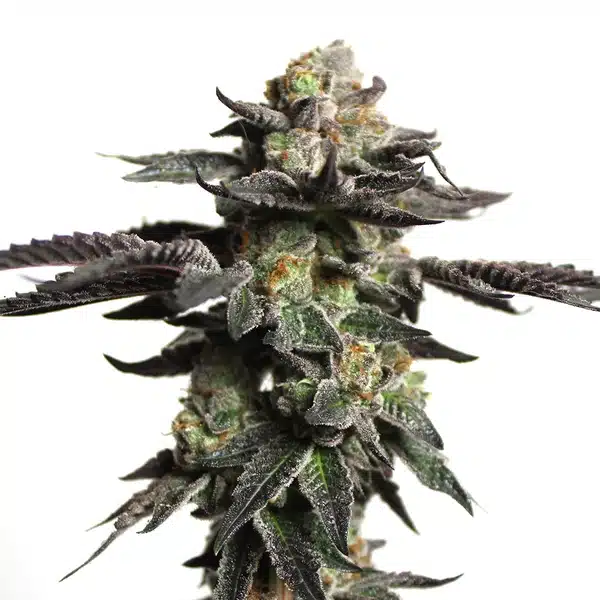
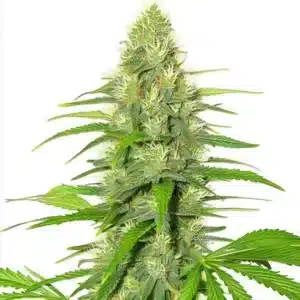
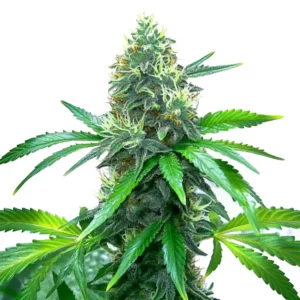
Zombie Death Fuck

|
THC | 23% (Medium) |

|
Type | Feminized |

|
Yield | Medium |

|
Phenotype | 50% Indica / 50% Sativa |

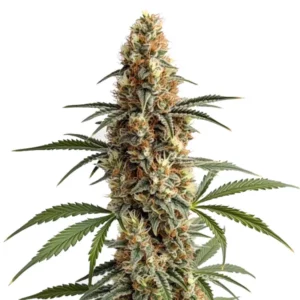
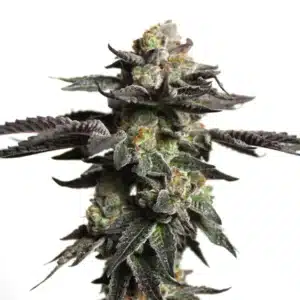
Sweet Zombie
|
|
THC | 20% - 25% (High) |
|
|
Type | Feminized |
|
|
Yield | High |
|
|
Phenotype | 80% Indica / 20% Sativa |
The reliable approach is to check the soil rather than the calendar: when the top inch or two has dried out, it is time to water. Overwatering is just as harmful as underwatering, so this simple check prevents both. The table below gives a starting point you can adjust to your own garden.
| Conditions | Watering frequency | Tip |
|---|---|---|
| Mild summer (under 80 F) | Every 2-3 days | Check top 1-2 inches of soil first |
| Hot (85 F+) or windy/dry | Daily | Water deeply at the base, early morning |
| Heatwave (90 F+) | Up to twice daily | Mulch to cut evaporation; check pots midday |
| After rain / high humidity | Less often | Only water when soil has dried down |
| Potted vs in-ground | Pots dry faster | Pots may need water more often than beds |
How Heat, Humidity and Wind Change Watering
Temperature is the biggest driver. As heat rises, plants transpire faster, losing moisture through their leaves, so above about 85 F (29 C) daily watering is common and in extreme heat you may need to water twice. Humidity works the other way: in humid air plants hold moisture longer and need watering less often.
Wind is the factor people forget. A dry breeze strips moisture from leaves and soil quickly, and combined with heat it can dehydrate a plant in hours. Sheltering pots from strong wind, using windbreaks, and mulching the soil surface all help the plant hold water and cut how often you need to top it up.
Promos & Deals
Best Time of Day to Water in Summer
The best time to water outdoor cannabis in summer is early morning, before the heat of the day. Watering then lets the plant take up moisture and build reserves before peak transpiration, and it reduces evaporation loss compared with midday watering. It also means foliage dries through the day, lowering mold risk.
Early evening is a reasonable second choice in very hot climates, giving the plant a cooler window to drink. Avoid watering in the midday sun, when much of it simply evaporates, and avoid late-night watering that leaves soil and leaves wet and cold overnight, which can invite mold and root problems.
Watering During Heatwaves
In hot, dry climates and during heatwaves, water needs climb sharply. Once temperatures push past 90 F (32 C), plants, especially in pots, can dry out within a day and may need watering twice: once early morning and again in the evening. Check potted plants in particular, since their limited soil holds less reserve.
Deep watering helps plants cope. Watering slowly and thoroughly so moisture reaches the lower roots encourages deeper root growth and greater drought resilience than frequent shallow sprinkles. Mulching the soil surface is one of the best heatwave tactics, cutting evaporation and keeping the root zone cooler and more consistently moist.
Signs of Over- and Under-Watering
“Reading the plant keeps you from guessing. Underwatered plants wilt, with drooping, limp leaves and dry, light soil that recovers soon after watering. Overwatered plants also droop, but the leaves look puffy and the soil stays constantly wet, which suffocates roots and can lead to root rot, a more dangerous problem than a thirsty plant.
The fix for both is the same discipline: water by checking the soil, not the clock, and make sure containers drain well. For feeding alongside watering, see our guides to the best nutrients for outdoor cannabis and, for autoflowers specifically, our autoflower watering schedule.
FAQs About Watering Outdoor Marijuana Plants
How often should I water outdoor marijuana plants in summer?
Usually every two to three days in mild summer weather, daily once it tops 85 F (29 C), and up to twice a day in a heatwave, especially for potted plants. Rather than a fixed schedule, water when the top inch or two of soil has dried out, and water deeply at the base.
What is the best time of day to water cannabis outdoors?
Early morning is best, before the day heats up. The plant can take up water before peak transpiration, evaporation loss is lower, and foliage dries through the day, reducing mold risk. Early evening works as a second option in very hot climates. Avoid watering in midday sun or late at night.
How do I know if I am overwatering outdoor plants?
Overwatered plants droop with puffy leaves and the soil stays constantly wet, which can cause root rot. Underwatered plants wilt with dry, light soil and perk up after watering. Check the top inch or two of soil before watering, and ensure pots drain well, to avoid both extremes.
Should I water outdoor cannabis every day in summer?
Not always. Daily watering suits hot spells above 85 F (29 C), windy conditions or potted plants, but in milder summer weather every two to three days is often enough. Check the top inch or two of soil and water when it has dried. Overwatering is as harmful as underwatering.
How much water does an outdoor cannabis plant need?
It scales with plant and pot size and the weather, but a large summer plant can drink several litres a day in heat. Rather than a fixed amount, water deeply until it drains, then wait until the top inch or two of soil dries before watering again. Bigger plants in hot, dry weather need the most.
Is it bad to water cannabis at night?
Generally yes, avoid it. Watering late leaves soil and foliage wet and cool overnight, which encourages mold, mildew and root problems, especially outdoors with dew. Early morning is best, giving the plant a full warm day to take up moisture and dry its leaves. Early evening is an acceptable second choice in extreme heat.