When to Plant Seeds in Illinois: A Complete Guide

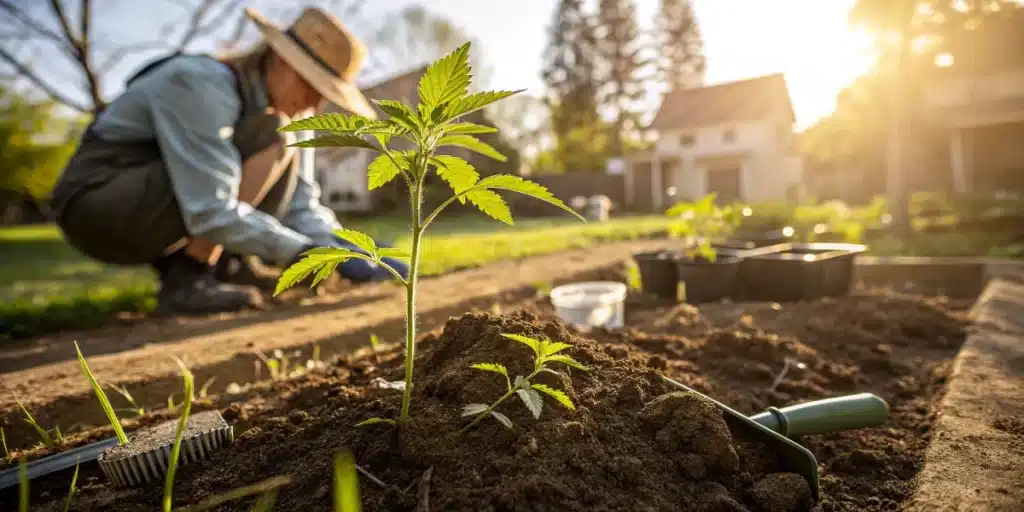
Optimal Planting Time in Illinois: In Illinois, the ideal period to plant seeds varies by region. Generally, seeds should be started indoors 6-8 weeks before the last frost date. For outdoor planting, it’s best to wait until mid-May when the soil has warmed to at least 60°F (15.5°C). Adjust your planting schedule based on your specific zone for best results
Timing your seed planting in Illinois can significantly influence your garden’s success. The state’s varied climate means that planting schedules differ across regions. Knowing the local climate, including factors like soil temperature and frost dates, is crucial. This guide will help you navigate these variables to optimize your planting strategy for a bountiful harvest.
Recommended Strains

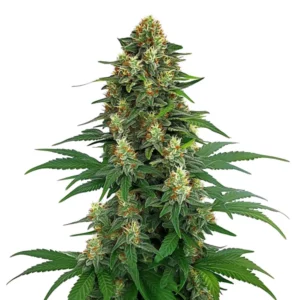
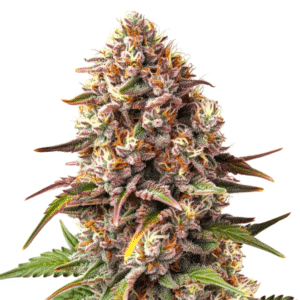
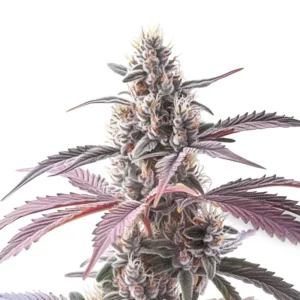
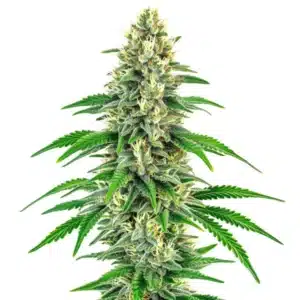
Cherry Pie

|
THC | 18% - 25% (High) |

|
Type | Feminized |

|
Yield | High |

|
Phenotype | 60% Indica / 40% Sativa |

Bubba Kush Autoflower
|
|
THC | 15% - 20% (Medium) |
|
|
Type | Autoflowering |
|
|
Yield | Medium |
|
|
Phenotype | 90% Indica / 10% Sativa |
Illinois Planting Zones Explained
When to plant seeds in Illinois zone 5
Zone 5 in Illinois experiences a short growing season, with the last frost typically occurring around mid-May. This means starting seeds indoors is essential for many plants. For instance, tomatoes and peppers should be started indoors 6-8 weeks before this date to ensure they are ready for transplanting as soon as the soil temperature reaches 60°F (15.5°C).
Experienced growers recommend using a soil thermometer to monitor temperatures closely. This practice helps avoid premature planting, which can lead to stunted growth or frost damage. Additionally, using grow lights can enhance seedling development indoors, ensuring robust plants ready for outdoor conditions.
Best Time to Start Seeds Indoors in Illinois
Starting seeds indoors allows you to extend the growing season, especially critical in Illinois’ zone 5. The ideal time to start seeds indoors is about 6-8 weeks before the last expected frost. This timing ensures that your seedlings are strong enough to withstand outdoor conditions when transplanted.
Utilizing a reliable indoor seed starting chart can help you plan effectively. This chart should include specific dates for starting various vegetables like tomatoes, peppers, and cucumbers. Ensure your indoor environment maintains a temperature of 70°F – 75°F (21°C – 24°C) for optimal germination.
Promos & Deals

Outdoor Planting Calendar for Illinois
When to start planting seeds outdoors
In Illinois, the outdoor planting season typically kicks off in mid-May, once the risk of frost has passed. This timing is crucial for crops like corn and beans, which thrive in warmer soil. Planting too early can result in poor germination rates and reduced yields.
To maximize your harvest, refer to an Illinois planting calendar, which provides specific dates for various crops. This calendar is a valuable tool, helping you plan your planting schedule according to your local climate and soil conditions.
What to Plant Now by ZIP Code
Planting by ZIP code allows for a more tailored approach, considering local microclimates. For example, areas near Chicago may have slightly different planting times compared to southern regions of Illinois. A vegetable planting calendar by ZIP code can guide you in selecting the right crops to plant at the right time.
Utilizing this method ensures that you are planting crops that are well-suited to your specific area’s climate, leading to healthier plants and better yields. This approach also helps in staggering plantings to extend harvest periods.
Seasonal Planting Tips for Chicago
Chicago planting calendar
Chicago’s urban environment presents unique challenges and opportunities for gardeners. The city’s microclimates can affect planting times, making a Chicago-specific planting calendar invaluable. This calendar considers urban heat islands, which can extend the growing season slightly compared to rural areas.
For optimal results, consider using raised beds or containers to manage soil quality and temperature more effectively. This method also helps in controlling pests and diseases, which can be more prevalent in urban settings.
When to Plant Tomatoes and Other Vegetables
When to plant tomatoes in Illinois
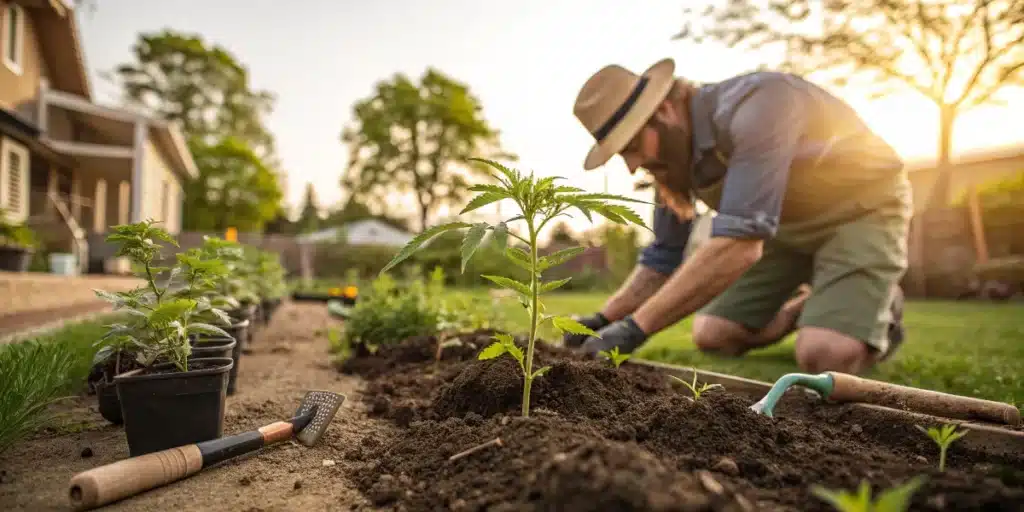
Tomatoes are a popular crop in Illinois, but timing is crucial. Planting tomatoes too early can expose them to frost, while planting too late can shorten the growing season. The best time to plant tomatoes outdoors is after the last frost date, typically mid-May in most parts of Illinois.
Ensure soil temperatures are consistently above 60°F (15.5°C) before transplanting. This ensures that tomatoes can establish quickly and begin producing fruit. Using black plastic mulch can help warm the soil and protect young plants from unexpected cold snaps.
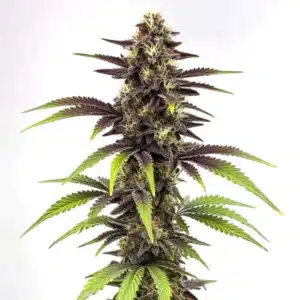
| Feature | Blue Dream | Bubba Kush Auto | Cherry Pie |
|---|---|---|---|
| THC Content | 17-24% | 15-20% | 18-25% |
| Dominant Terpene | Myrcene | Caryophyllene | Limonene |
| Aroma | Berry, Blueberry, Mango, Sweet | Citrus, Earthy, Incense, Kush | Blueberry, Earthy, Sweet |
| Effect | Happy, Relaxed, Talkative | Happy, Relaxed, Talkative | Happy, Relaxed, Talkative |
| Yield Indoor | 1.97 oz/ft² | 600 g/m² | 1.31 oz/ft² | 400 g/m² | 1.15 – 1.64 oz/ft² | 350 – 500 g/m² |
Professional Tips for Planting in Illinois
- Start seeds indoors 6-8 weeks before the last frost. This ensures plants are mature enough to withstand outdoor conditions.
- Maintain soil temperatures above 60°F (15.5°C) for optimal seed germination and plant growth.
- Use a soil thermometer to avoid planting too early, which can result in frost damage.
- Utilize black plastic mulch to warm the soil and protect young plants from unexpected cold snaps.
- Consider raised beds in urban areas like Chicago to manage soil quality and temperature effectively.
- Refer to a planting calendar by ZIP code for tailored planting schedules based on local climate conditions.
Frequently Asked Questions
What can I plant in October in Illinois?
In October, you can plant cool-season crops like spinach, kale, and garlic in Illinois. These crops thrive in cooler temperatures and can withstand light frosts. Ensure soil temperatures are still above 40°F (4.5°C) for optimal germination and growth.
What is the 70 30 rule in gardening?
The 70 30 rule in gardening suggests that 70% of your garden should be perennial plants, while 30% should be annuals. This balance ensures a sustainable garden with year-round interest, reducing the need for annual replanting.
Which flower seeds can I plant in October?
October is ideal for planting flower seeds like poppies, larkspur, and sweet peas in Illinois. These flowers prefer cooler temperatures and can establish roots before winter. Plant when soil temperatures are around 50°F (10°C).
What can you plant in September and October?
In September and October, plant cool-season vegetables like lettuce, radishes, and carrots. These crops can handle cooler temperatures and will mature before the first hard frost. Ensure soil temperatures remain above 45°F (7°C) for successful germination.
How does the 70 30 rule apply to gardening in Illinois?
In Illinois, applying the 70 30 rule helps maintain a balanced garden. Perennials provide structure and reduce maintenance, while annuals add seasonal color. This approach is beneficial in Illinois’ variable climate, offering resilience and year-round interest.