When to Plant Seeds in Ohio: A Complete Guide

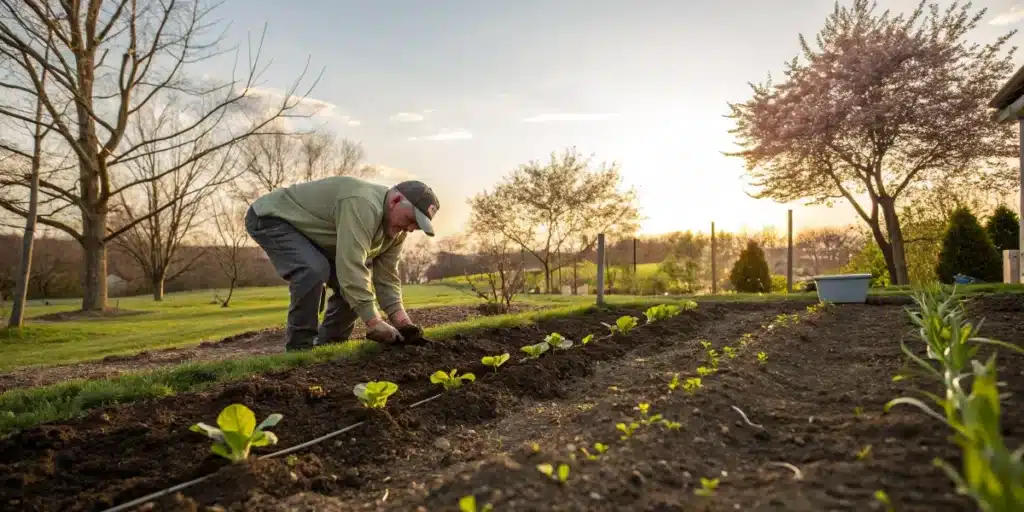
Ohio Planting Schedule: In Ohio, planting seeds typically begins in early spring, with variations based on the region’s climate zones, specifically USDA zones 5b to 6b. This timing is crucial for ensuring successful growth and harvest. The state’s diverse climate requires gardeners to adjust planting schedules accordingly for optimal results.
Ohio’s varied climate zones necessitate precise planting schedules for optimal gardening success. With an knowing of local climate conditions, you can plan your garden effectively. Explore the nuances of Ohio’s planting zones, which range from 5b to 6b, to ensure your seeds thrive. This guide will help you navigate the best planting times for vegetables and flowers.
Recommended Strains

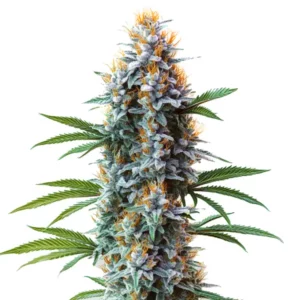
Blueberry Regular

|
THC | 22% - 24% (High) |

|
Type | Regular |

|
Yield | High |

|
Phenotype | 80% Indica / 20% Sativa |

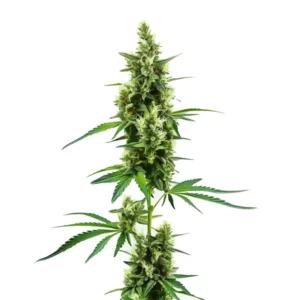
Amnesia
|
|
THC | 15% - 20% (Medium) |
|
|
Type | Feminized |
|
|
Yield | High |
|
|
Phenotype | 30% Indica / 70% Sativa |
Best Time to Plant Seeds in Ohio
Ohio’s Climate Zones and Planting
Ohio’s climate is categorized into USDA zones 5b to 6b, which influences when to plant seeds in Ohio. Zone 5b experiences temperatures as low as -15°F (-26°C), while zone 6b has milder winters, with lows around -5°F (-21°C). These variations affect the planting schedule, requiring gardeners to tailor their plans based on their specific zone.
Experienced growers report that knowing these zones helps in selecting the right crops and planting times. For instance, Zone 5b may require starting seeds indoors earlier to protect against late frosts, while Zone 6b allows for earlier outdoor planting. The growing community has communicated the importance of adjusting planting schedules to match these climatic conditions.
When to Plant Vegetables in Ohio
For those wondering when to plant potatoes in Ohio, the ideal time is generally late March to early April in Zone 6b, while Zone 5b may require waiting until mid-April. Similarly, knowing when to plant lettuce in Ohio is crucial; it thrives in cooler temperatures, so early spring or late summer is best. Use our vegetable planting calendar by ZIP code to ensure optimal planting times.
Discover what vegetables are best to plant now by ZIP code to optimize growth. This tailored approach ensures that your crops are planted at the right time for your specific location, maximizing yield and minimizing the risk of frost damage. Many cultivators share that this method leads to more successful harvests.
| Feature | GG4 | Blueberry Regular | Amnesia |
|---|---|---|---|
| THC Content | 27% | 22-24% | 15-20% |
| Dominant Terpene | Humulene | Myrcene | Limonene |
| Flowering Time | 8-10 weeks | 7-9 weeks | 8-10 weeks |
| Yield Outdoor | 24.69 – 28.22 oz/plant | 12.35 – 17.64 oz/plant | 26.46 oz/plant |
| Effect | Happy, Relaxed, Talkative | Focused, Happy, Relaxed | Energetic, Euphoric, Giggly |
Promos & Deals


Planting Flowers in Ohio
Zone 6b Planting Schedule for Flowers
In Zone 6b, the planting schedule for flowers begins in late April to early May. Our Zone 6b planting schedule for flowers helps you choose the right time to plant annuals and perennials. Even if you’re in Zone 6a, our schedule provides insights for flowers, ensuring that your garden blooms beautifully throughout the season.
Download our Zone 6b planting schedule PDF for a detailed guide. This resource provides specific planting dates and care tips for a wide variety of flowers, helping you achieve a vibrant garden. Refer to our comprehensive Zone 6 planting schedule for more details on flower planting in Ohio.
Tips for Successful Planting in Ohio
- Maintain soil temperatures between 60°F and 70°F (15°C – 21°C) for optimal seed germination. Cold soil can delay germination and reduce plant vigor.
- Use a soil pH of 6.0 to 7.0 for most vegetables. Outside this range, nutrient uptake can be impaired, affecting plant growth.
- Ensure consistent moisture levels by watering deeply once a week. Overwatering can lead to root rot, while under-watering stresses plants.
- Apply a balanced N:P:K fertilizer (10:10:10) at planting to support initial growth. Avoid excessive nitrogen, which can lead to lush foliage but poor fruiting.
- Monitor for pests like aphids and caterpillars, which can damage crops. Use integrated pest management strategies to control infestations.
- Rotate crops annually to prevent soil-borne diseases and nutrient depletion. This practice improves soil health and crop yields.
FAQs
What can you plant in October in Ohio?
In October, Ohio gardeners can plant garlic and cover crops like rye and clover. These crops thrive in cooler temperatures and prepare the soil for spring planting. Garlic should be planted 2 inches deep and 6 inches apart, while cover crops can be broadcasted over the soil surface.
What is the 70 30 rule for gardening?
The 70 30 rule suggests that 70% of your garden should be dedicated to staple crops, while 30% can be experimental or specialty plants. This approach ensures a reliable harvest while allowing room for variety. For example, focus on staples like tomatoes and peppers, with the remainder for unique varieties.
Can I plant grass seed in October in Ohio?
Yes, October is an excellent time to plant grass seed in Ohio. Cooler temperatures and increased rainfall create ideal conditions for germination. Use a cool-season grass mix and ensure soil temperatures are above 50°F (10°C) for successful establishment.
Is October too late to plant?
October is not too late to plant certain crops in Ohio. While it’s late for warm-season vegetables, it’s perfect for garlic and cover crops. These plants benefit from the cooler weather and help prepare the soil for spring. Ensure planting occurs before the first hard frost.