Top Types of Microbial Contamination in Cannabis Plants Revealed

Microbial contamination in cannabis plants is a significant concern for both novice and experienced growers. Knowing the types of microbial contamination in cannabis plants is essential, as the presence of harmful microbes can directly impact the quality, potency, and safety of cannabis products. Knowing these different contamination risks is crucial for maintaining healthy crops and ensuring safe consumption.
Cannabis plants are susceptible to various microbial contaminations, including fungi, bacteria, and yeast. Each type of contamination presents unique challenges and requires specific strategies for prevention and control. By identifying these microbial threats, growers can take proactive measures to protect their plants.
Recommended Strains
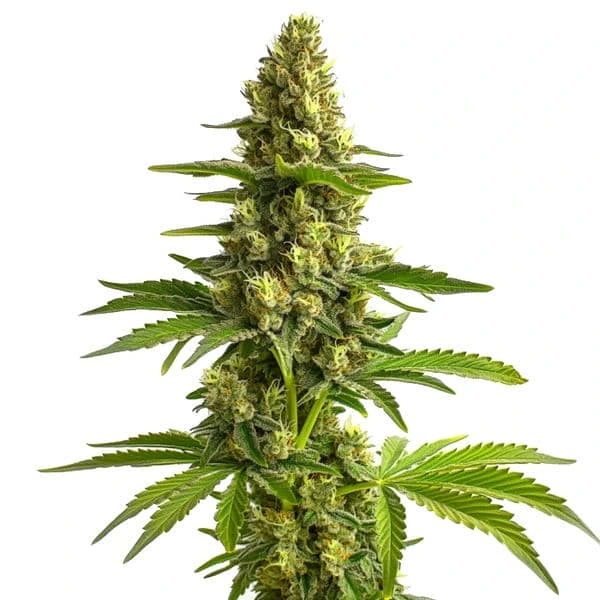
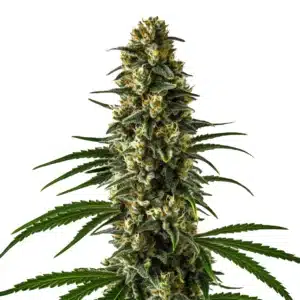
Bruce Banner #3

|
THC | 20% - 29% (High) |

|
Type | Feminized |

|
Yield | High |

|
Phenotype | 50% Indica / 50% Sativa |

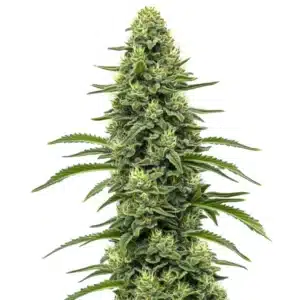
GG4
|
|
THC | 27% (High) |
|
|
Type | Feminized |
|
|
Yield | High |
|
|
Phenotype | 40% Indica / 60% Sativa |
Practical knowledge about microbial contamination can make a difference in your cannabis cultivation success. Whether you’re growing popular strains like GG4, Bruce Banner, or Girl Scout Cookies from Blimburn Seeds, keeping your plants free from microbial threats is essential.
Fungal Contamination in Cannabis Cultivation
Fungal contamination in cannabis cultivation is a persistent issue that growers must manage diligently. The lifecycle of fungi can be rapid, and once established, it can quickly spread throughout the plant. This type of microbial contamination in cannabis plants can lead to significant yield losses and impact the overall quality of the harvest.
Environmental conditions such as temperature and humidity are critical factors that influence fungal growth. By knowing these dynamics, growers can adjust their cultivation practices to create less favorable conditions for fungi. Regular monitoring and adjustments are necessary to keep fungal threats at bay, ensuring the health and productivity of cannabis crops.
Fungal contamination is a common issue in cannabis cultivation. Fungi thrive in warm and humid environments, making cannabis plants particularly vulnerable. The most notorious fungal contaminant is powdery mildew, easily recognizable by its white, powdery appearance on leaves and buds.
Another common fungal problem is botrytis, also known as bud rot. It affects cannabis flowers, especially in dense buds where moisture can be trapped. This fungus leads to a grayish mold, destroying the plant tissue and rendering the affected parts unusable. Regular inspections and proper ventilation are key to preventing fungal contamination in cannabis cultivation.
Prevention and Control of Fungal Contamination
To effectively manage fungal contamination, growers should focus on maintaining optimal growing conditions. This includes ensuring adequate spacing between plants to promote air circulation and reduce humidity levels within the canopy. Such measures can significantly lower the risk of mold contamination in cannabis flowers.
Another effective strategy is the use of natural or biological fungicides, which can provide an additional layer of protection against fungal pathogens. These products are often derived from plants or beneficial microbes, offering a safer alternative to chemical fungicides. Implementing these strategies can bolster your defenses against types of microbial contamination in cannabis plants.
To combat fungal contamination, maintaining optimal humidity levels is crucial. Invest in a reliable hygrometer to monitor and adjust humidity in your grow space. Aim for a humidity level between 40-50% during flowering to minimize the risk of mold contamination in cannabis flowers.
Utilizing fans and exhaust systems can help improve air circulation, reducing stagnant air that encourages fungal growth. Regularly checking your plants for early signs of infection can prevent widespread contamination. If you spot any signs of fungi, remove affected parts immediately to halt the spread.
Growing resilient cannabis strains like Bruce Banner from Blimburn Seeds can also be a preventative measure. These strains have been bred for resistance to common pathogens, making them less susceptible to fungal attacks. This proactive approach can save you time and resources in the long run.
Promos & Deals
Bacterial Pathogens in Marijuana Plants
Bacterial pathogens in marijuana plants can be particularly insidious due to their ability to spread quickly and often go unnoticed until significant damage has occurred. They can disrupt the plant’s vascular system, leading to wilting and death if not controlled promptly. Knowing the types of bacterial pathogens that affect cannabis can help growers implement targeted prevention strategies.
Advanced microbial testing for cannabis safety can be a valuable tool in identifying bacterial threats early. By incorporating regular testing into your cultivation practices, you can detect contamination before it becomes a widespread problem. This proactive approach is essential for maintaining plant health and ensuring high-quality yields.
Bacterial pathogens can wreak havoc on cannabis plants, leading to stunted growth and poor yields. These microscopic organisms can cause diseases such as bacterial leaf spot and canker. These diseases typically manifest as dark, water-soaked spots on leaves and stems.
One way bacterial pathogens spread is through contaminated water or soil. Ensuring clean water sources and sterile growing conditions can mitigate the risk. Implementing a microbial testing regime for cannabis safety can help identify and address bacterial issues early.
Strategies to Manage Bacterial Pathogens
Employing crop rotation and companion planting can reduce the prevalence of bacterial pathogens in marijuana plants by disrupting their life cycles. Introducing beneficial insects that prey on harmful bacteria can also play a role in maintaining a balanced ecosystem that supports plant health.
In addition, adopting a holistic approach to plant nutrition can enhance the plant’s natural defenses. Ensuring that your cannabis plants receive adequate nutrients can bolster their ability to resist bacterial invasions. Together with proper sanitation and resistant strains from Blimburn Seeds, these strategies form a comprehensive approach to managing types of microbial contamination in cannabis plants.
Sanitation is your first line of defense against bacterial pathogens in marijuana plants. Regularly clean and sterilize your tools and equipment. This simple practice can significantly reduce the chance of bacteria spreading from plant to plant.
Consider using resistant strains like GG4 from Blimburn Seeds, which have been developed to withstand bacterial attacks. These strains offer a robust defense against common bacterial threats, ensuring healthier plants and better yields.
Incorporating beneficial bacteria into your growing medium can also be beneficial. These friendly microbes outcompete harmful bacteria, creating a healthier root environment. This method not only manages bacterial pathogens but also enhances plant growth and resilience.
Yeast Infections in Cannabis Crops
Yeast infections in cannabis crops, although less frequent, can still pose significant challenges to growers. Yeasts thrive in environments with high moisture content, making the drying and curing processes critical points for potential contamination. Proper handling during these stages is essential to prevent the development of off-flavors and reduced product quality.
Regular monitoring and adjustments to environmental conditions can help mitigate the risks associated with yeast infections. Utilizing advanced microbial testing for cannabis safety during these stages can provide early detection and allow for timely interventions, ensuring the integrity of your cannabis products.
While less common than fungal or bacterial infections, yeast can still pose a threat to cannabis crops. Yeasts are single-celled fungi that can cause fermentation issues, leading to off-flavors and compromised quality in cannabis products.
Yeast infections often occur in improperly dried or cured cannabis. The presence of excess moisture provides an ideal environment for yeast proliferation. This highlights the importance of proper drying and curing techniques in preventing yeast infections in cannabis crops.
Preventing Yeast Infections
To prevent yeast infections, it is crucial to maintain strict hygiene standards throughout the cultivation and processing stages. Using sanitized equipment and maintaining a clean environment will reduce the likelihood of yeast contamination. Additionally, employing desiccants during the drying process can help maintain optimal humidity levels.
Incorporating strains known for their resistance to microbial threats, such as those from Blimburn Seeds, can also be beneficial. These strains are less prone to yeast infections in cannabis crops, providing an added layer of security for growers. By adopting these preventive measures, you can ensure the production of high-quality cannabis free from microbial contamination.
To prevent yeast infections, ensure your cannabis is dried thoroughly before curing. Use a hygrometer to monitor humidity levels during the drying process, aiming for 55-60% humidity to prevent microbial growth.
During curing, regularly check your cannabis for any signs of yeast contamination. If you detect a sour or off smell, it may indicate yeast activity. Address it promptly by adjusting humidity or extending drying time.
Choosing strains like Girl Scout Cookies from Blimburn Seeds can help. These strains have a robust structure and are less prone to microbial issues, offering a safer choice for growers concerned about yeast infections.
FAQs about types of microbial contamination in cannabis plants
What are common signs of microbial contamination in cannabis plants?
Common signs of microbial contamination include discolored spots on leaves, unusual smells, and changes in plant vigor. Fungal infections often present as white or grayish molds, while bacterial infections can cause dark, water-soaked lesions. Yeast infections might be indicated by off-flavors or a sour smell in dried buds.
Regular inspections of your cannabis plants can help identify these signs early. If you notice any abnormalities, it’s crucial to take action quickly to prevent the spread of contamination. Maintaining a clean growing environment is essential for minimizing microbial risks.
How does microbial contamination affect cannabis quality?
Microbial contamination can significantly impact the quality of cannabis. Fungal and bacterial pathogens can reduce plant health, leading to lower yields and compromised potency. Yeast infections can alter the flavor profile, making the product less desirable.
Contaminated cannabis is not only less effective but can also pose health risks to consumers. That’s why microbial testing for cannabis safety is critical. Ensuring your plants are free from contamination is vital for producing high-quality, safe cannabis products.
What preventive measures can I take against microbial contamination?
Implementing good sanitation practices is key. Regularly clean your growing environment and tools to prevent the spread of pathogens. Monitoring and controlling humidity levels can also reduce the risk of fungal and yeast infections.
Choose resistant cannabis strains like those offered by Blimburn Seeds. These strains are bred for resilience against common microbial threats. Additionally, incorporating beneficial microbes into your soil can create a more robust defense against harmful pathogens.
Is microbial contamination more likely indoors or outdoors?
Microbial contamination can occur in both indoor and outdoor settings, though the risks vary. Indoor grows are often more controlled, allowing for better management of humidity and sanitation. However, limited airflow can increase the risk of mold contamination in cannabis flowers if not properly managed.
Outdoor grows are exposed to natural elements, which can introduce various microbial threats. However, natural airflow and sunlight can help mitigate some risks. Both environments require diligent monitoring and preventive measures to minimize contamination.
Can microbial contamination be completely eliminated?
While it’s challenging to eliminate microbial contamination entirely, it can be effectively managed. Maintaining a clean and controlled growing environment is crucial. Regular monitoring, proper sanitation, and choosing resistant strains can significantly reduce the risk.
By staying vigilant and addressing issues promptly, growers can keep microbial threats at bay. Remember, prevention is easier and more effective than dealing with an outbreak. With the right strategies, you can ensure healthy, high-quality cannabis plants.