Essential Guide: What is Microbial Contamination in Cannabis?

Microbial contamination in cannabis refers to the presence of unwanted microorganisms such as bacteria, molds, and yeasts on cannabis plants or products. These microbes can affect the health of consumers and the quality of the cannabis. Just like any other agricultural product, cannabis is susceptible to these microbial invaders. Knowing how to identify and address these issues is critical for both first-time buyers and seasoned growers.
Microbial contamination testing in cannabis is a vital process in ensuring safety and quality. These tests help identify the types of microbes present and guide the necessary steps to mitigate risks. Testing can be done at various stages, from cultivation to the final product. This ensures that the cannabis consumed is free from harmful levels of microbial contamination.
Recommended Strains
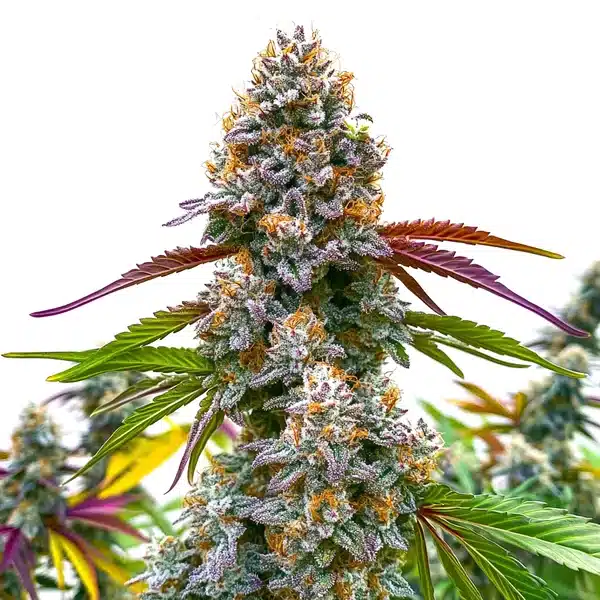
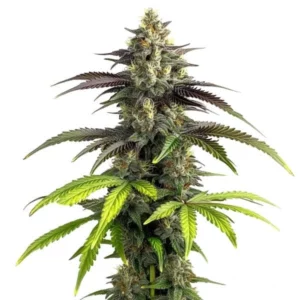
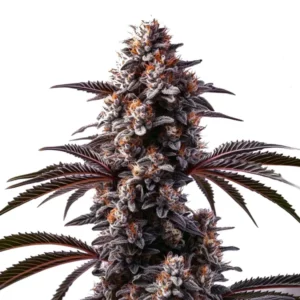
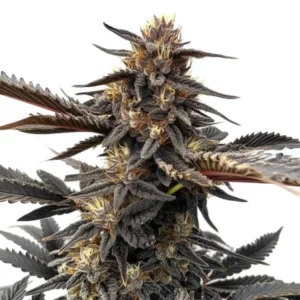
Critical Daddy Purple

|
THC | 19% (Medium) |

|
Type | Feminized |

|
Yield | High |

|
Phenotype | 50% Indica / 50% Sativa |

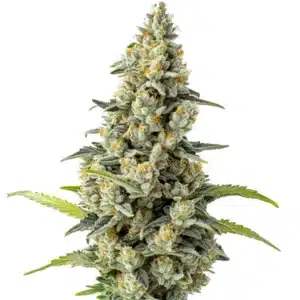
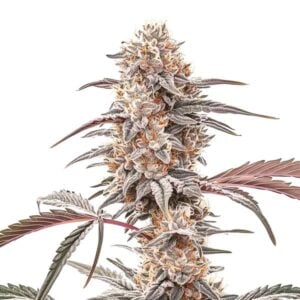
GG4
|
|
THC | 27% (High) |
|
|
Type | Feminized |
|
|
Yield | High |
|
|
Phenotype | 40% Indica / 60% Sativa |
The effects of microbial contamination on cannabis quality are manifold. Contaminated cannabis can have a diminished flavor, altered potency, and even pose health risks to consumers. For example, moldy cannabis can release mycotoxins, which are harmful when inhaled. Therefore, maintaining strict hygiene and testing protocols is essential to prevent these adverse effects.
Common Microbes in Cannabis Contamination
There are several common microbes that can lead to contamination in cannabis. These include Aspergillus, Penicillium, and Pseudomonas, among others. Aspergillus is a type of mold that can cause respiratory infections, particularly in individuals with weakened immune systems. Its presence in cannabis is a significant concern.
Penicillium is another type of mold that can grow on cannabis plants. While generally less harmful, it can still alter the taste and aroma of the cannabis, affecting the overall experience for the consumer. Pseudomonas, a type of bacteria, can thrive in moist environments and is often found in improperly stored cannabis products. Its presence can lead to spoilage and reduced shelf life.
Knowing what is microbial contamination in cannabis includes recognizing these common microbes and their potential effects. By identifying these culprits early through microbial contamination testing in cannabis, growers can implement targeted strategies to mitigate risks. This not only preserves the quality of the cannabis but also ensures consumer safety.
Furthermore, knowledge about the prevalence of these microbes can guide cultivation practices. For instance, Aspergillus thrives in certain environmental conditions, so controlling humidity and ensuring proper ventilation can significantly reduce the risk of its growth. This approach underscores the importance of both prevention and regular monitoring in maintaining a safe cannabis product.
Promos & Deals
Preventing Microbial Contamination in Cannabis
Preventing microbial contamination in cannabis starts with proper cultivation practices. Using sterilized equipment, maintaining clean growing environments, and ensuring adequate air circulation can reduce the risk of contamination. It’s also essential to monitor humidity levels, as excessive moisture can promote mold growth.
Another effective strategy is using microbial contamination testing in cannabis. Regular testing allows growers to detect contamination early and take corrective measures. This proactive approach can save time and money while ensuring a high-quality product. Blimburn Seeds offers strains like Critical Daddy Purple, known for its resilience against common microbial threats.
To further enhance prevention efforts, growers can incorporate biological control agents that naturally suppress harmful microbes. These agents can be particularly effective in organic cultivation systems, where chemical interventions are limited. By integrating such biocontrol methods, growers can create a more balanced ecosystem that resists microbial invasion.
Training and education for growers are also crucial in preventing microbial contamination in cannabis. By knowing the best practices and staying informed about new research developments, growers can continuously improve their methods. This commitment to learning and adaptation helps ensure that the cannabis produced remains safe and high-quality, meeting both consumer expectations and regulatory requirements.
Microbial Contamination Regulations for Cannabis
Regulations around microbial contamination in cannabis vary by region, but they typically set limits on the allowable levels of specific microbes. These regulations are in place to protect consumers and ensure product quality. Growers must comply with these standards through regular testing and quality control measures.
In many areas, failing to meet these regulations can result in penalties, product recalls, or bans from the market. Therefore, staying informed about the regulatory landscape is crucial for cannabis producers. Strains like GG4 from Blimburn Seeds are often bred to meet these stringent quality standards, offering both potency and safety.
Knowing these microbial contamination regulations for cannabis is not only about compliance but also about safeguarding the health of consumers. By adhering to these standards, producers can significantly reduce the risks associated with microbial contamination, thereby enhancing the overall trust and credibility of their products.
Moreover, as the cannabis industry continues to grow, regulations are likely to evolve. Producers must remain vigilant and adaptable, incorporating any changes into their cultivation and processing practices. This agility ensures that they remain competitive in the market while consistently delivering safe, compliant cannabis products.
Microbial Contamination Effects on Cannabis Quality
The impact of microbial contamination on cannabis quality can be significant. For instance, a cannabis strain infected with mold may have an altered terpene profile, leading to a less potent aroma and taste. This can diminish the overall consumer experience and reduce the perceived value of the product.
Furthermore, microbial contamination can affect the visual appeal of cannabis. Moldy cannabis often displays discoloration and a powdery residue, making it less attractive to potential buyers. These visual cues can deter experienced consumers who are knowledgeable about the signs of contamination.
Microbial contamination effects on cannabis quality extend beyond sensory attributes. Contaminated cannabis may also experience a reduction in its cannabinoid content, which directly impacts its potency. This can lead to a subpar product that does not meet the expectations of consumers seeking specific therapeutic or recreational effects.
To combat these effects, growers must implement robust microbial contamination testing in cannabis throughout the production process. Regular testing ensures that any contamination is identified and addressed promptly, preserving the integrity and quality of the final product. This commitment to quality control is essential for maintaining consumer satisfaction and brand reputation in the competitive cannabis market.
FAQs about what is microbial contamination in cannabis
What are the risks of microbial contamination in cannabis?
Microbial contamination can pose several health risks, including respiratory issues and infections, particularly for individuals with compromised immune systems. Consuming contaminated cannabis can lead to adverse health effects, which is why testing and prevention are crucial.
Besides health concerns, microbial contamination affects the quality and safety of the cannabis product. It can lead to unpleasant flavors, reduced potency, and a shorter shelf life. This impacts consumer satisfaction and can lead to financial losses for producers.
Knowing what is microbial contamination in cannabis is essential for both consumers and producers. For consumers, it means being aware of potential health risks and choosing products from reputable sources. For producers, it involves implementing effective prevention strategies and adhering to regulatory standards to minimize contamination risks.
Moreover, microbial contamination can tarnish the reputation of a brand if not properly managed. As the cannabis industry becomes more competitive, maintaining high standards of quality and safety through rigorous testing and compliance is essential for long-term success.
How can I test for microbial contamination in my cannabis?
Testing for microbial contamination in cannabis can be done through specialized laboratories that offer microbial analysis services. These tests can identify the type and level of microbes present, helping growers take corrective actions.
Home growers can also use at-home testing kits, although these may not be as comprehensive as laboratory tests. Regular testing throughout the cultivation process is recommended to ensure early detection and management of contamination.
Besides to laboratory testing, visual inspections and environmental monitoring can provide further insights into potential contamination risks. By combining these approaches, growers can develop a comprehensive strategy for maintaining clean and healthy cannabis crops.
Investing in quality microbial contamination testing in cannabis is a worthwhile endeavor for both commercial and home growers. It not only safeguards the health of consumers but also contributes to the production of high-quality cannabis that stands out in the market.
Are there any specific strains resistant to microbial contamination?
Yes, some cannabis strains are known for their resistance to microbial contamination. Strains such as Critical Daddy Purple, GG4, and Sour Diesel from Blimburn Seeds are bred to withstand common pathogens, making them a good choice for growers concerned about contamination.
These strains not only offer resistance but also maintain high-quality yields, ensuring that growers do not have to compromise on potency or flavor while protecting their crops from microbial threats.
Choosing resistant strains is a proactive approach to preventing microbial contamination in cannabis. These strains have been selectively bred to exhibit traits that deter common microbes, reducing the need for extensive interventions during cultivation.
Incorporating resistant strains into a cultivation plan can provide an added layer of security against contamination. When combined with best practices in cultivation and regular testing, growers can achieve a high standard of safety and quality in their cannabis products.
What steps can I take to prevent microbial contamination in cannabis?
Maintaining a clean growing environment is crucial. This includes sterilizing tools, ensuring proper ventilation, and monitoring humidity levels. Regular cleaning and maintenance of the grow area can significantly reduce the risk of contamination.
Implementing microbial contamination testing in cannabis at different growth stages is also recommended. By identifying contamination early, growers can take necessary measures to protect their crops and ensure a safe, high-quality product.
Education and training are also key components in preventing microbial contamination. Growers should stay informed about the latest research and techniques in cannabis cultivation, allowing them to adapt to new challenges and improvements in the field.
Additionally, integrating technology, such as automated environmental controls, can optimize growing conditions and minimize human error. These technologies can help maintain the ideal conditions for cannabis cultivation, further reducing the risk of microbial contamination.
What are the regulations around microbial contamination in cannabis?
Regulations vary by region, but they generally set legal limits on the presence of specific microbes in cannabis products. These rules are designed to protect consumers and ensure that cannabis products are safe for consumption.
Producers must stay informed about these regulations and comply with testing and quality control requirements. Non-compliance can lead to penalties, product recalls, or bans from the market, impacting a brand’s reputation and financial standing.
Knowing what is microbial contamination in cannabis also involves knowing how regulations are applied and enforced. This knowledge helps producers navigate the regulatory landscape effectively, ensuring that their products meet all necessary safety and quality standards.
As regulations continue to evolve, producers must remain proactive in adapting their practices. This not only ensures compliance but also positions them as leaders in the industry who prioritize consumer safety and product excellence.