Top-Rated Cannabis Fertilizers for Chlorosis: Expert Proven Guide

Chlorosis in cannabis plants can be a real downer, turning vibrant green leaves to a disheartening yellow. It often happens because your plants aren’t getting the nutrients they need. But don’t worry, the right cannabis fertilizers can help. These top-rated cannabis fertilizers for chlorosis can make a big difference in your garden, whether you’re a first-time grower or a seasoned pro.
To tackle chlorosis, it’s essential to use fertilizers rich in the nutrients that your plants are craving. This guide will steer you through the best organic cannabis fertilizers for chlorosis, giving your plants the nutrition they need. It’s all about finding what works for your specific strains and growing conditions.
Recommended Strains
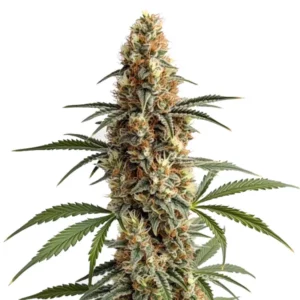
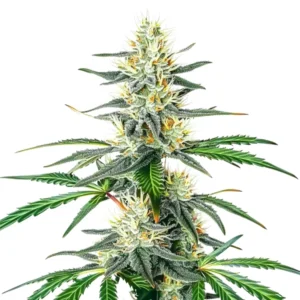
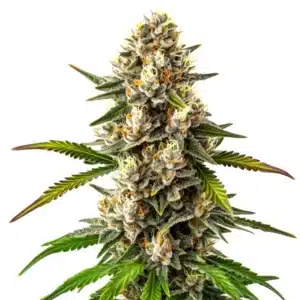
Mango

|
THC | 20% - 22% (Medium) |

|
Type | Feminized |

|
Yield | Medium |

|
Phenotype | 70% Indica / 30% Sativa |

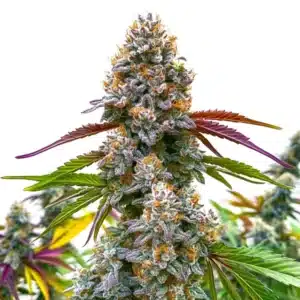
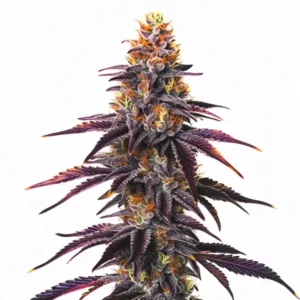
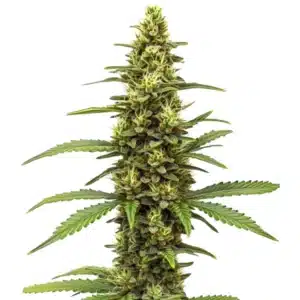
Blackberry Moonrocks
|
|
THC | 26% - 33% (High) |
|
|
Type | Feminized |
|
|
Yield | High |
|
|
Phenotype | 80% Indica / 20% Sativa |
When dealing with chlorosis, you might notice yellowing leaves, particularly on the younger foliage. This discoloration often indicates a lack of essential nutrients. The products featured here are highly recommended cannabis fertilizers for leaf yellowing. They are packed with the right nutrients to bring your plants back to health.
Identifying the Right Fertilizers
Choosing the right fertilizer can be daunting, especially with so many options. It’s crucial to consider the specific needs of your cannabis plants. Look for top cannabis nutrients for chlorosis prevention that contain a balanced mix of nitrogen, phosphorus, and potassium, often referred to as N-P-K on labels.
For example, nitrogen is crucial for photosynthesis, which keeps your leaves green and healthy. Phosphorus supports root development, and potassium strengthens the plant’s overall resilience. Together, these elements form the backbone of effective fertilizers for cannabis chlorosis treatment. A well-balanced mix will prevent nutrient deficiencies that lead to chlorosis.
Exploring various brands can also yield top-rated cannabis fertilizers for chlorosis, each offering a unique formulation that might better suit specific growing environments. Some fertilizers also incorporate beneficial microbes that enhance nutrient uptake, adding another layer of protection against chlorosis. Make sure to read the labels carefully and choose products that have been tried and tested by experts.
Additionally, some of the best organic cannabis fertilizers for chlorosis are formulated to cater to specific stages of the plant’s lifecycle, providing tailored nutrients when they are most needed. This targeted approach not only addresses chlorosis but also enhances the overall vigor and yield of your cannabis plants. Opt for fertilizers that can be easily integrated into your existing feeding schedule for seamless nutrient management.
Nutrient-Rich Fertilizers for Effective Treatment
One effective strategy is to use a liquid fertilizer that can be easily absorbed by the plant’s roots. Liquid fertilizers are generally quicker to correct deficiencies compared to granular ones. They allow for precise feeding, helping you address chlorosis in no time.
If you’re growing strains like Mango from Blimburn Seeds, known for their rich terpene profiles, using premium cannabis fertilizers for chlorosis recovery can enhance both growth and flavor. Opt for organic options that provide a slow release of nutrients, ensuring your plants get what they need over time.
Incorporating trace elements such as zinc and copper alongside iron and magnesium can further improve the plant’s ability to synthesize chlorophyll. These micronutrients, though required in smaller quantities, play a vital role in photosynthesis and overall plant health. Ensuring that your fertilizer includes these components can lead to noticeable improvements in leaf color and vitality.
Moreover, alternating between different types of fertilizers can prevent the buildup of certain nutrients, which could lead to imbalances and further chlorosis. This rotational feeding strategy can be particularly beneficial for maintaining the health of strains that are more sensitive to nutrient fluctuations, providing them with a balanced diet that fosters robust growth.
Promos & Deals
Top Cannabis Strains for Resilience
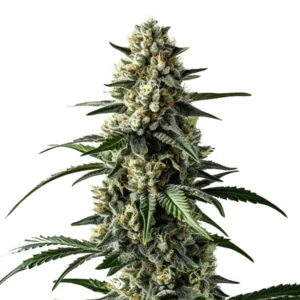
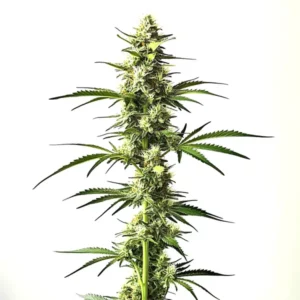
Choosing resilient cannabis strains can make managing chlorosis easier. Strains like Gelato from Blimburn Seeds are known for their hardiness and ability to withstand nutrient imbalances. This strain thrives even when the conditions aren’t perfect, making it a favorite among growers.
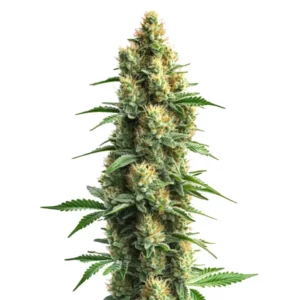
Another excellent choice is the Critical Daddy Purple strain. Its robust nature allows it to absorb nutrients efficiently, reducing the likelihood of chlorosis. Pairing this strain with the best organic cannabis fertilizers for chlorosis can yield impressive results in both potency and yield.
Resilient strains often possess genetic traits that make them less susceptible to environmental stressors, including nutrient deficiencies. This genetic robustness makes them ideal candidates for growers who are still fine-tuning their nutrient regimens. By selecting these hardy strains, you can focus on optimizing other aspects of your grow operation, knowing that your plants have a robust foundation.
Additionally, experimenting with cross-breeding these resilient strains can lead to new varieties that combine desirable traits such as high yield, rich terpene profiles, and chlorosis resistance. This genetic experimentation can lead to the development of new favorites in the cannabis community, offering both quality and resilience in challenging growing conditions.
Troubleshooting Chlorosis in Cannabis
When dealing with chlorosis, it’s crucial to monitor your soil’s pH level. Cannabis plants prefer a slightly acidic environment, with a pH around 6.0 to 7.0. If the pH is off, your plants might struggle to absorb nutrients, leading to yellowing leaves.
Regularly check the pH of your water and soil. You can use pH-adjusting solutions to bring your levels back to the ideal range. This small adjustment can greatly enhance the effectiveness of even the most highly recommended cannabis fertilizers for leaf yellowing.
Beyond pH and drainage, keep an eye on environmental factors such as light intensity and temperature, as these can exacerbate chlorosis symptoms. Excessive heat or insufficient light can stress plants, reducing their ability to process nutrients effectively. Pairing proper environmental adjustments with top-rated cannabis fertilizers for chlorosis can create a more hospitable environment for your plants, enhancing the impact of your nutrient regimen.
In cases where chlorosis persists despite optimal nutrient and environmental conditions, consider testing for pests or diseases. Certain pests can damage root systems, impairing nutrient uptake and causing chlorosis-like symptoms. Addressing these underlying issues can be crucial for long-term plant health and productivity.
The Function of Organic Fertilizers
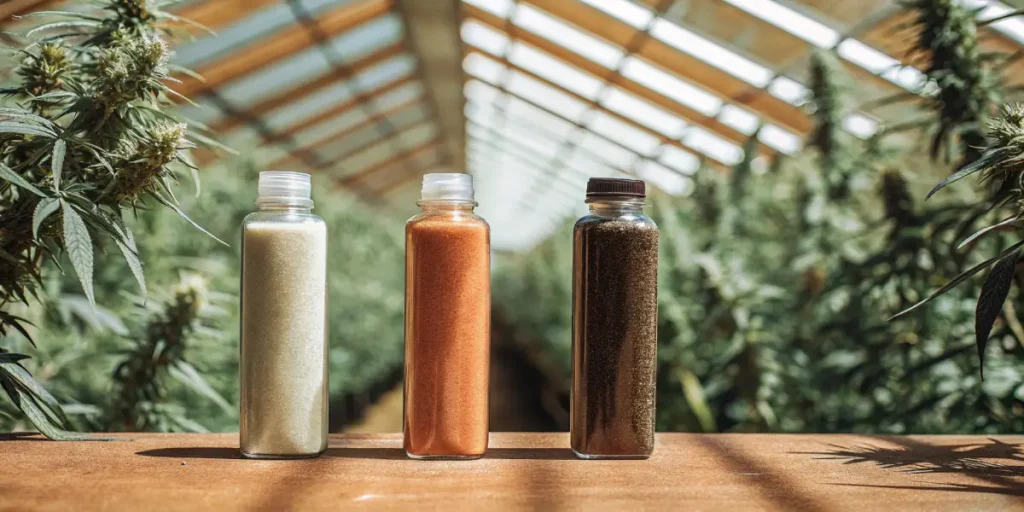
Organic fertilizers play a significant role in maintaining plant health and preventing chlorosis. They release nutrients slowly and improve soil health over time. This gradual release is beneficial for preventing nutrient burn, a common issue with synthetic fertilizers.
Using organic fertilizers also promotes beneficial microbial activity in the soil. These microbes help break down organic matter, making nutrients more accessible to your plants. For strains like Blackberry Moonrocks from Blimburn Seeds, which have a high appetite for nutrients, organic fertilizers can be a game-changer.
An additional benefit of organic fertilizers is their ability to improve soil structure and increase water retention, which is especially useful in preventing nutrient leaching. This improved soil condition creates a more stable growing environment, allowing your cannabis plants to thrive and reach their full potential.
Furthermore, organic fertilizers are often derived from renewable resources, making them an environmentally friendly choice. By opting for the best organic cannabis fertilizers for chlorosis, you contribute to sustainable farming practices while enhancing the health and productivity of your cannabis garden.
FAQs about top-rated cannabis fertilizers for chlorosis
What causes chlorosis in cannabis plants?
Chlorosis in cannabis plants is primarily caused by nutrient deficiencies. The most common culprits are a lack of nitrogen, iron, or magnesium. These nutrients are essential for chlorophyll production, which gives leaves their green color. When your plants don’t receive enough of these nutrients, the leaves can turn yellow.
Environmental factors can also contribute to chlorosis. Poor soil drainage, incorrect pH levels, or overwatering can prevent plants from absorbing nutrients efficiently. It’s important to diagnose the underlying cause to effectively treat chlorosis with top-rated cannabis fertilizers for chlorosis.
Besides to nutrient deficiencies and environmental factors, genetic predispositions in certain strains can make them more prone to chlorosis. Knowing the specific needs of your chosen strains can help mitigate these risks. By selecting top cannabis strains known for resilience, you can reduce the likelihood of chlorosis in your garden.
Moreover, chlorosis can sometimes be a symptom of broader systemic issues within your growing setup. Regularly assessing and adjusting your growing practices can help identify and rectify these problems, ensuring that your plants remain healthy and vibrant throughout their lifecycle.
How can I prevent chlorosis in my cannabis garden?
Preventing chlorosis involves ensuring your plants receive balanced nutrition. Regularly test your soil and water pH levels to ensure they are within the ideal range for cannabis. This helps in nutrient absorption and prevents chlorosis from developing in the first place.
Using a well-rounded fertilizer regimen is also crucial. Opt for products that are known as the best organic cannabis fertilizers for chlorosis. These fertilizers provide all the essential nutrients your plants need. Additionally, selecting resilient strains like those from Blimburn Seeds can help mitigate the risk of chlorosis.
Implementing a proactive approach to pest management can also prevent stress-induced chlorosis. Pests can weaken plants and make them more susceptible to nutrient deficiencies. Regular inspections and the use of natural pest deterrents can help maintain plant health and prevent chlorosis.
Finally, ensuring optimal growing conditions such as adequate light, temperature control, and proper humidity levels can support robust plant growth. These environmental factors work in tandem with top-rated cannabis fertilizers for chlorosis, creating a holistic approach to plant care that minimizes the risk of yellowing leaves.
Are there specific strains that are more prone to chlorosis?
Some cannabis strains are naturally more resilient to nutrient imbalances, while others are sensitive. Strains with larger leaves or fast growth rates may require more nutrients and can be more prone to chlorosis if not properly fed. Paying attention to the specific needs of your chosen strain is key.
Strains like Gelato and Future #1 from Blimburn Seeds are known for their ability to thrive under less-than-ideal conditions. Choosing such strains and pairing them with effective fertilizers for cannabis chlorosis treatment can help maintain plant health.
Knowing the genetic background of your chosen strains can provide insights into their nutrient needs and potential vulnerabilities. Researching the lineage of your plants can guide your nutrient management strategies, ensuring that you meet their specific requirements.
Additionally, growers can experiment with different strains in small test grows to identify which varieties are most compatible with their growing conditions. This trial-and-error method can lead to the discovery of strains that are not only resistant to chlorosis but also offer high yields and exceptional quality.
What are the signs that my cannabis plant has chlorosis?
Chlorosis typically presents as yellowing leaves, especially on the younger growth. This discoloration can start at the leaf edges and spread inward. Other signs include stunted growth and reduced vigor. If you notice these symptoms, it’s crucial to intervene quickly.
Besides yellowing, check for other symptoms such as leaf curling or brown spots, which can indicate specific nutrient deficiencies. Using premium cannabis fertilizers for chlorosis recovery can help rectify these issues and restore your plants to full health.
Another indicator of chlorosis can be the presence of pale or translucent leaves, which suggest a severe lack of chlorophyll. In these cases, immediate action with highly recommended cannabis fertilizers for leaf yellowing is necessary to prevent further decline.
Consistent monitoring of your plants’ overall health and growth patterns can help catch signs of chlorosis early. By incorporating regular visual inspections into your routine, you can quickly identify and address issues before they become more serious.
Is there a difference between organic and synthetic fertilizers for treating chlorosis?
Yes, there is a difference. Organic fertilizers release nutrients slowly and improve overall soil health, making them a preferred choice for many growers. They support a healthy ecosystem in the soil, which can enhance nutrient uptake over time.
Synthetic fertilizers, on the other hand, provide immediate nutrient availability, which can be beneficial in acute cases of chlorosis. However, they can also lead to nutrient burn if not used correctly. Both types have their advantages, and the choice often depends on your growing goals and philosophy.
For growers who prioritize sustainability and soil health, the best organic cannabis fertilizers for chlorosis offer a long-term solution that nurtures the entire ecosystem. These fertilizers help build a resilient soil structure that can support plant health in the face of various challenges.
Synthetic options may be more suitable for those needing rapid results or operating in controlled environments where precise nutrient delivery is critical. By knowing the strengths and limitations of each fertilizer type, growers can make informed decisions that align with their cultivation objectives and environmental considerations.