Best Organic Fertilizers for Outdoor Cannabis

Quick answer: The best organic fertilizers for outdoor cannabis build healthy living soil and feed the plant naturally. Core choices are compost and worm castings for all-round soil health, well-rotted manure or blood meal for nitrogen in veg, bone meal or rock phosphate for phosphorus in flower, and kelp or wood ash for potassium and micronutrients. Match the input to the stage, feed the soil, and let soil microbes do the rest.
Outdoor cannabis thrives on organic feeding, because growing in the ground or large pots lets you build a living soil that feeds the plant naturally all season. Instead of synthetic salts, organic growers use inputs like compost, manure, bone meal and kelp to nourish both the soil life and the plant, which many believe improves flavour, aroma and resilience while being kinder to the environment.
Recommended Strains

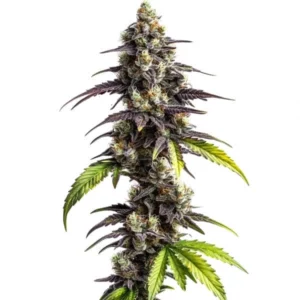
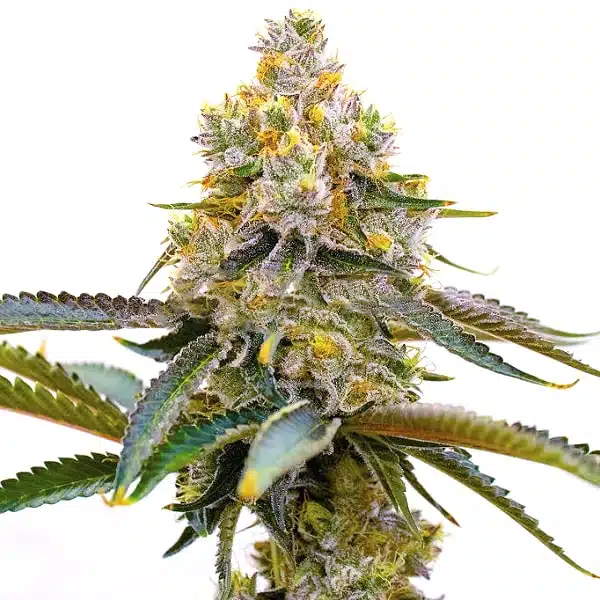
Alaskan Purple

|
THC | 15% - 20% (Medium) |

|
Type | Feminized |

|
Yield | Medium |

|
Phenotype | 70% Indica / 30% Sativa |
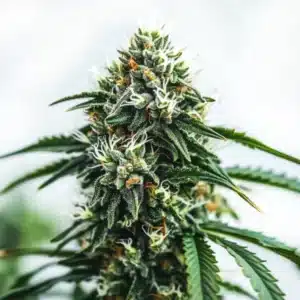
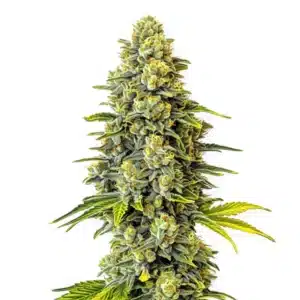
Amnesia Purple
|
|
THC | 18% - 21% (Medium) |
|
|
Type | Feminized |
|
|
Yield | High |
|
|
Phenotype | 30% Indica / 70% Sativa |
This guide focuses specifically on the organic, outdoor angle: why organic suits outdoor grows, the main types of organic fertilizer, which to use at each stage, and simple DIY options. For the broader outdoor-feeding picture (including non-organic options) and general organic feeding, we link to our dedicated guides below.
| Organic input | Mainly provides | Best for |
|---|---|---|
| Compost / worm castings | Balanced nutrients + soil life | Base soil health all season |
| Manure (well-rotted) | Nitrogen and organic matter | Vegetative growth |
| Bone meal / rock phosphate | Phosphorus | Flowering |
| Kelp / wood ash | Potassium and micronutrients | Flowering and overall vigour |
| Fish emulsion / blood meal | Fast organic nitrogen | Quick veg boost |
Why Go Organic Outdoors?
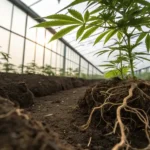
Organic growing works with the soil rather than just feeding the plant directly. Compost, castings and other organic matter feed a living web of microbes that break nutrients down into forms roots can absorb, creating a self-sustaining, buffered system that is hard to overfeed or burn. Outdoors, where plants tap into a large volume of soil, this approach really shines, the soil becomes a reservoir of slow-release nutrition.
The practical benefits are healthier, more resilient plants, more forgiving feeding, and, many growers argue, better flavour and aroma thanks to a full, natural nutrient spectrum. It is also more sustainable and environmentally friendly than synthetic salts. The trade-off is that organic feeding is slower to correct deficiencies, so building good soil early matters.
Promos & Deals


Types of Organic Fertilizers and When to Use Them
Different organic inputs cover different needs. For nitrogen-driven vegetative growth, compost, well-rotted manure, blood meal and fish emulsion are reliable choices. As plants move into flowering and need more phosphorus and potassium, bone meal, rock phosphate, kelp and wood ash take over. Worm castings and quality compost underpin everything, feeding soil life and supplying a gentle, balanced base all season.
Many outdoor growers combine a rich base soil (compost plus amendments) with occasional liquid feeds (compost tea, fish emulsion) for a boost. Match the input to the stage, more nitrogen in veg, more phosphorus and potassium in bloom, and avoid piling on nitrogen late. For the general outdoor feed and specific products, see our guides on the best fertilizer for outdoor grow and the best organic cannabis fertilizer.
DIY Organic Feeding Methods
You can make effective organic feeds at home. Compost and worm bins turn kitchen and garden waste into premium soil amendments, while compost tea (steeping finished compost in aerated water) makes a gentle liquid feed full of microbes. Many growers also use diluted fish emulsion, and amend beds with bone meal, kelp meal and wood ash before and during the season.
DIY organic feeding is cheap and sustainable, but go gently: home brews vary in strength, so dilute well and watch the plants. Build your base soil before planting, then top-dress and feed through the season as needed. For a popular organic nitrogen source and flowering nutrients, see our guides on fish fertilizer and the best organic nutrients for flowering.
Common Organic Feeding Mistakes to Avoid
Even organic grows go wrong in predictable ways. The most common mistake is treating organic inputs like synthetic ones and over-applying them: piling on manure or guano ‘to be safe’ can still burn plants or throw the soil out of balance, so follow sensible rates and let the soil do the work. Another is adding too much nitrogen late into flowering, which hurts bud development and flavour regardless of whether the source is organic.
A third is neglecting the soil itself, organic growing is really soil growing, so skipping compost, mulch and microbial life means the fertilizers have less to work with. Build a living soil first, feed it steadily, and correct problems slowly, since organic amendments act more gradually than salts. Patience and good soil beat heavy feeding every time in an organic outdoor garden.

FAQs
What is the best organic fertilizer for outdoor cannabis?
There is no single best; the strongest approach combines compost and worm castings for soil health, manure or blood meal for nitrogen in veg, bone meal or rock phosphate for phosphorus in flower, and kelp or wood ash for potassium. Match the input to the growth stage and feed the soil, not just the plant.
Is organic fertilizer better for outdoor weed?
Outdoors, organic feeding works especially well because plants tap into a large volume of living soil that buffers nutrients and is hard to overfeed. Many growers find it gives healthier, more resilient plants and better flavour, and it is more sustainable. The trade-off is that it corrects deficiencies more slowly, so build good soil early.
Can I make organic cannabis fertilizer at home?
Yes. Compost and worm bins turn waste into premium soil amendments, compost tea makes a gentle microbial liquid feed, and inputs like bone meal, kelp and wood ash cover flowering needs. Home brews vary in strength, so dilute well and watch the plants. Building a rich base soil before planting does most of the work.
Can you overfeed cannabis with organic fertilizer?
Yes. Although living soil is more forgiving than synthetic salts, over-applying strong organic inputs like manure, guano or blood meal can still burn plants or unbalance the soil. Follow recommended rates, build healthy soil, and correct issues slowly, organic amendments act gradually, so patience works better than heavy feeding.