Proven Tips for Preventing Nutrient Imbalances in Organic Cannabis Grows

Growing organic cannabis is both an art and a science. Preventing nutrient imbalances in organic cannabis grows is key to achieving a healthy crop. Balancing nutrients in organic cannabis cultivation is essential, as nutrient imbalances can lead to poor plant health and reduced yields. Organic cannabis growers need to ensure that their plants are receiving the right nutrients in the correct amounts.
Nutrient lockout is a common issue that occurs when plants cannot absorb nutrients, even if they are present in the soil. Preventing nutrient lockout in organic cannabis involves maintaining the right pH levels and using appropriate soil amendments. Regularly testing soil pH can help avoid this problem.
Recommended Strains
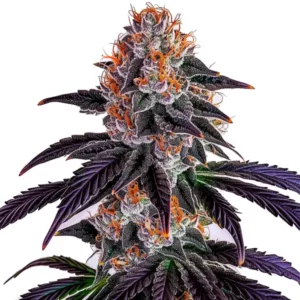
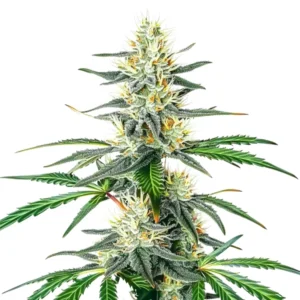
Mamba Negra

|
THC | 18% (Medium) |

|
Type | Feminized |

|
Yield | High |

|
Phenotype | 55% Indica / 45% Sativa |
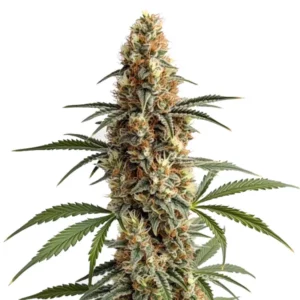
Dama Blanca
|
|
THC | 18% - 20% (Medium) |
|
|
Type | Feminized |
|
|
Yield | Medium |
|
|
Phenotype | 45% Indica / 55% Sativa |
Organic growers often face challenges with nutrient deficiencies. Organic cannabis nutrient deficiency solutions include using natural fertilizers and composts to replenish essential nutrients. Monitoring plant health and adjusting nutrient levels as needed can prevent these deficiencies from affecting your crop.
Balancing Nutrients in Organic Cannabis Cultivation
Balancing nutrients is crucial for the health of your cannabis plants. This process involves providing the right mix of macronutrients and micronutrients. Macronutrients like nitrogen, phosphorus, and potassium are essential for plant growth. Micronutrients, though needed in smaller amounts, are equally important.
An effective way to balance nutrients is by using organic amendments. These can include worm castings, bat guano, and fish emulsion. Each of these provides a unique set of nutrients that can help maintain the balance in the soil. For instance, worm castings are rich in nitrogen, while bat guano is high in phosphorus.
Balancing nutrients in organic cannabis cultivation requires a keen knowing of each plant’s specific needs. Different strains may have varying nutrient requirements, making it essential to tailor your approach. Regular observation and soil testing will guide you in making the necessary adjustments to your feeding regimen.
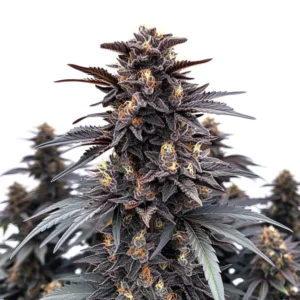
Incorporating cover crops can also aid in balancing nutrients. These plants naturally fix nitrogen into the soil, reducing the need for synthetic inputs. By using cover crops as green manure, growers can enhance soil fertility, promoting a balanced nutrient profile and preventing nutrient imbalances in organic cannabis grows. For growers cultivating strains like Mamba Negra, maintaining rich, well-balanced soil is especially important to support vigorous growth and full terpene expression.
Promos & Deals


Avoiding Nutrient Toxicity in Organic Cannabis
Nutrient toxicity occurs when plants absorb too much of a nutrient, which can be as harmful as a deficiency. To avoid this, it’s essential to follow recommended dosage guidelines for any fertilizers or amendments. Overfeeding is a common mistake among new growers.
Organic cannabis growers should pay attention to signs of nutrient toxicity, such as leaf burn or unusual color changes. Adjusting your feeding schedule and reducing the amount of fertilizer can help mitigate these issues. Using a balanced organic fertilizer can prevent excessive nutrient levels.
Knowing the signs of nutrient toxicity is vital for maintaining plant health. Symptoms like leaf curling or darkening can serve as early warnings, allowing growers to take corrective action promptly. By staying vigilant, you can ensure that your plants thrive without the adverse effects of over-fertilization.
Integrating regular flushing of the soil can also help in avoiding nutrient toxicity in organic cannabis. This process involves watering the plants with plain water to wash away excess nutrients. Regular flushing ensures that nutrient levels remain balanced, preventing toxic buildup and promoting healthy growth.
Optimizing Nutrient Uptake in Organic Cannabis Grows
Optimizing nutrient uptake involves creating the right conditions for your cannabis plants to absorb nutrients effectively. This includes maintaining proper soil structure, moisture levels, and pH balance. Good soil aeration allows roots to breathe and absorb nutrients efficiently.
Mulching can help retain soil moisture and regulate temperature, creating an optimal environment for nutrient absorption. Additionally, using mycorrhizal fungi can enhance nutrient uptake by extending the root system. These fungi form symbiotic relationships with plant roots, increasing the surface area for nutrient absorption.
Incorporating organic matter into the soil can enhance its structure, further optimizing nutrient uptake in organic cannabis grows. Organic matter improves soil porosity, allowing for better water retention and root expansion, which are crucial for nutrient absorption.
Practicing crop rotation can also contribute to optimizing nutrient uptake. By alternating different crops in your growing area, you can break pest and disease cycles and improve soil health. This practice ensures that nutrient depletion is minimized, supporting the vitality of your cannabis plants.

Preventing Nutrient Lockout in Organic Cannabis
Preventing nutrient lockout requires maintaining the correct pH levels in your soil or growing medium. Nutrient lockout can occur when pH levels are too high or too low, preventing plants from absorbing essential nutrients. Regular pH testing is crucial for avoiding this issue.
Organic growers can use natural amendments like dolomite lime to adjust soil pH. This amendment can help raise pH levels if they are too low. Conversely, adding sulfur can lower pH levels if they are too high. Adjustments should be made gradually to avoid shocking the plants.
Preventing nutrient lockout in organic cannabis also involves selecting the right soil type and composition. A well-draining soil with a balanced texture can facilitate proper root growth and nutrient uptake, reducing the risk of lockout. Using a pH meter or test kit regularly can provide quick insights into soil conditions.
Companion planting is another strategy that can aid in preventing nutrient lockout. Certain plants can naturally alter soil pH and nutrient availability, complementing the needs of cannabis plants. By carefully selecting companion plants, growers can create a more balanced and nurturing growing environment.
Organic Cannabis Nutrient Deficiency Solutions
Addressing nutrient deficiencies in organic cannabis grows involves identifying the specific nutrient lacking and providing an appropriate solution. For instance, yellowing leaves may indicate a nitrogen deficiency, which can be corrected with compost or organic nitrogen sources.
Calcium deficiencies are also common in organic cannabis cultivation. These can cause issues like leaf curl and stunted growth. Adding gypsum or calcium-rich fertilizers can help resolve this problem. Regularly monitoring plant health can help catch deficiencies early.
One of the most effective organic cannabis nutrient deficiency solutions is the use of foliar sprays. These sprays allow for quick nutrient delivery directly to the leaves, providing immediate relief from deficiencies. They are especially useful for micronutrient deficiencies that occur despite adequate soil nutrient levels.
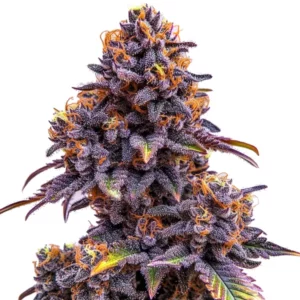
Incorporating kelp meal or seaweed extract into your feeding routine can also address multiple nutrient deficiencies. These organic supplements are rich in essential trace elements and plant hormones, promoting overall plant health and resilience. Consistent use can prevent deficiencies and support vigorous growth, especially when cultivating premium genetics like Dama Blanca, conocida por su vigor y alta demanda nutricional en cada etapa del crecimiento.

FAQs about preventing nutrient imbalances in organic cannabis grows
How can I prevent nutrient lockout in my organic cannabis grow?
Nutrient lockout can be prevented by maintaining the appropriate pH levels in your growing medium. Regular pH testing and adjustments using natural amendments like dolomite lime or sulfur can help. It’s important to monitor these levels consistently to ensure your plants can access the nutrients they need.
Additionally, ensure your soil is well-aerated and not compacted, as this can also hinder nutrient absorption. Using organic amendments can improve soil structure and promote healthy root growth, further reducing the risk of nutrient lockout.
Regularly rotating your crops can help in preventing nutrient lockout in organic cannabis. This practice not only aids in breaking disease cycles but also rejuvenates the soil, making nutrients more readily available. Crop rotation can lead to healthier plants and more robust yields.
Choosing the right watering practices is equally important. Overwatering can lead to waterlogged soil and nutrient lockout, while underwatering can cause the soil to become too dry. Striking a balance in irrigation ensures that nutrients are dissolved and available for plant uptake.
What are the signs of nutrient toxicity in cannabis plants?
Nutrient toxicity often presents as leaf burn, which appears as brown or yellow tips on the leaves. Other signs include dark green foliage and slowed growth. If you notice these signs, it’s crucial to reduce the amount of fertilizer being used and flush the soil with water.
Regular observation of your plants will help you catch these issues early. Adjusting your feeding schedule and using a balanced organic fertilizer can prevent nutrient toxicity from occurring in the first place.
In more severe cases, nutrient toxicity can lead to leaf drop or necrosis, where the leaf tissue dies. Recognizing these advanced symptoms early allows for rapid intervention, such as initiating a flush or adjusting the nutrient regimen to restore balance.
To avoid nutrient toxicity, consider implementing a feeding schedule that alternates between feeding and plain watering. This approach ensures that nutrient levels remain within an optimal range, preventing buildup and promoting sustained plant health.
How do I balance nutrients in my organic cannabis grow?
Balancing nutrients involves providing a mix of macronutrients and micronutrients that meet the needs of your cannabis plants. Organic amendments like worm castings and bat guano can be used to achieve this balance. It’s important to follow recommended dosage guidelines to avoid overfeeding.
Regular soil testing can help you understand the nutrient content of your growing medium and make necessary adjustments. Consistent monitoring and adjustments are essential for maintaining nutrient balance and ensuring healthy plant growth.
Knowing the specific nutrient needs of different cannabis strains can aid in balancing nutrients effectively. Each strain may have unique requirements, and tailoring your approach accordingly can lead to optimal growth and yield.
Incorporating biochar into the soil can enhance nutrient retention and availability, further aiding in balancing nutrients in organic cannabis cultivation. Biochar improves soil structure and increases its capacity to hold nutrients, ensuring they are available when needed by the plants.
Can mulching help with nutrient management in organic cannabis cultivation?
Yes, mulching can play a significant role in nutrient management. It helps retain soil moisture, regulate temperature, and prevent weed growth. This creates a more stable environment for your plants, promoting healthy nutrient uptake.
Using organic materials like straw or wood chips as mulch can also contribute to soil fertility as they decompose. This natural process adds nutrients back into the soil, supporting the overall health of your cannabis grow.
Mulching also aids in preventing soil erosion and compaction, which can affect nutrient availability. By protecting the soil surface, mulch ensures that the roots have access to a consistent supply of nutrients, fostering a thriving growing environment.
Integrating living mulches, such as clover, can further enhance nutrient management. These cover crops fix nitrogen and improve soil structure, complementing traditional mulching techniques and contributing to a holistic approach to preventing nutrient imbalances in organic cannabis grows.
What are some organic solutions for nutrient deficiencies in cannabis plants?
Organic solutions for nutrient deficiencies include using compost, bone meal, fish emulsion, and other natural fertilizers. These provide essential nutrients without the risk of chemical buildup, promoting healthy plant growth.
Identifying the specific deficiency and adjusting your feeding regimen accordingly is crucial. For instance, yellowing leaves may indicate a nitrogen deficiency, which can be addressed with nitrogen-rich amendments. Consistent monitoring and appropriate adjustments are key to resolving nutrient deficiencies.
Utilizing rock dust is another effective organic solution for nutrient deficiencies. Rock dust contains a broad spectrum of minerals that can replenish soil nutrient levels, supporting robust plant health and growth.
Composting tea, made from steeping compost in water, is a dynamic way to provide plants with essential nutrients in a liquid form. This method allows for quick absorption and can be tailored to address specific deficiencies, making it a versatile tool in organic cannabis nutrient deficiency solutions.