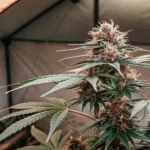
Autoflower Week 8: Key Tips for Optimal Growth

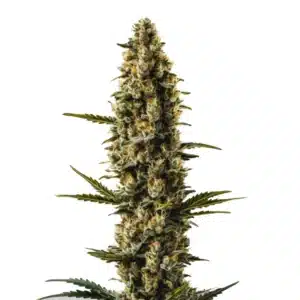
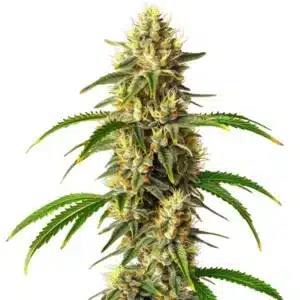
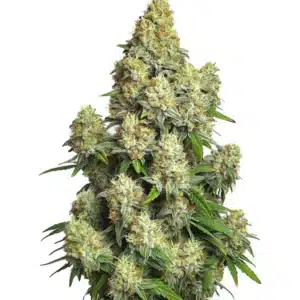
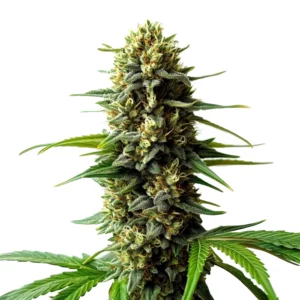
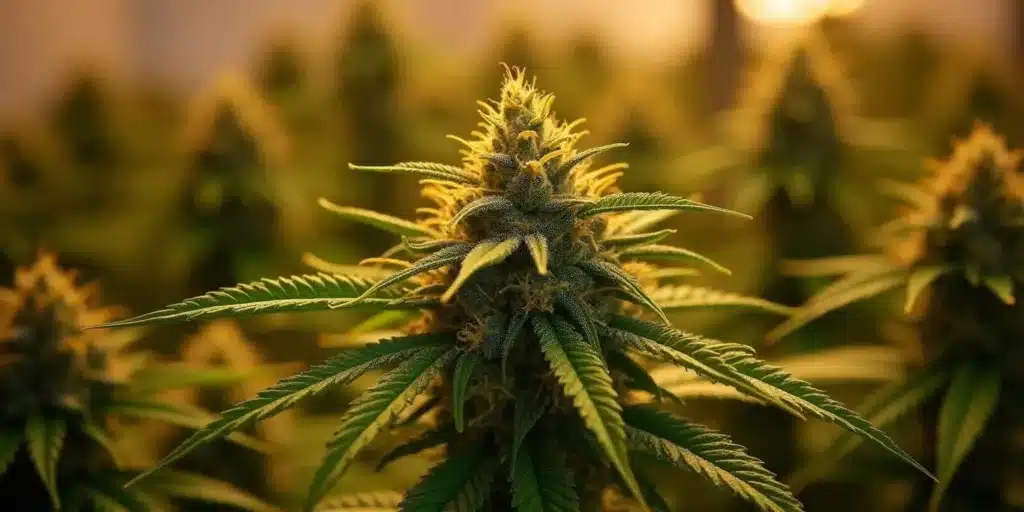
Peak Flowering Stage: By week 8, most autoflower strains are at the height of their flowering phase. Buds become dense, covered in trichomes, and emit a strong aroma. While some strains may be ready for harvest, many require an additional 2–4 weeks to fully mature, with harvest times typically falling between weeks 10 and 12.
As your autoflower cannabis plants reach week 8, the focus shifts to maximizing terpene production and ensuring optimal flowering time. This stage is crucial for enhancing the aromatic profile and potency of your buds. Knowing the specific needs of your plants during this period can significantly impact the final quality and yield of your harvest.
Recommended Strains
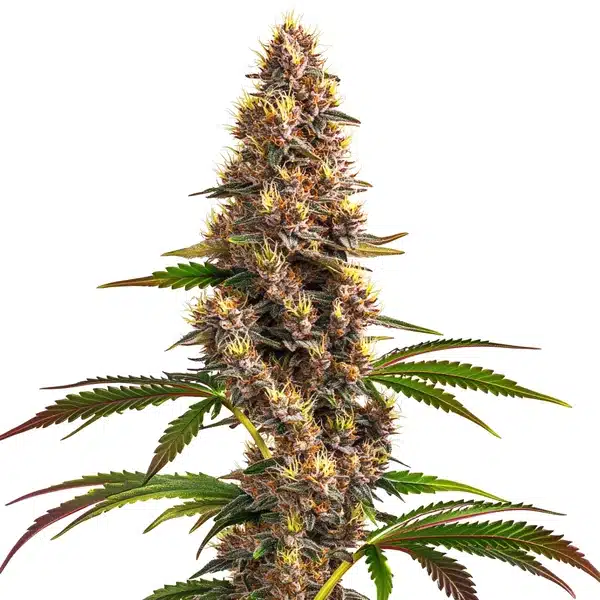
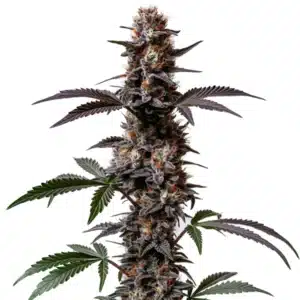
Super Boof

|
THC | 25% - 28% (High) |

|
Type | Feminized |

|
Yield | Low |

|
Phenotype | 60% Indica / 40% Sativa |
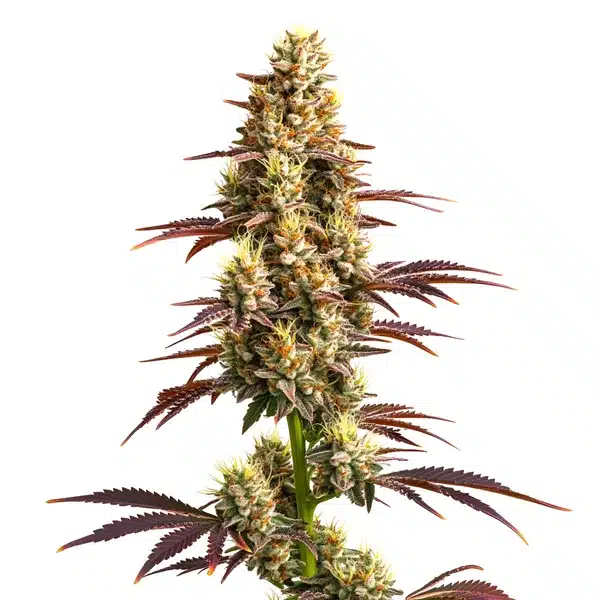
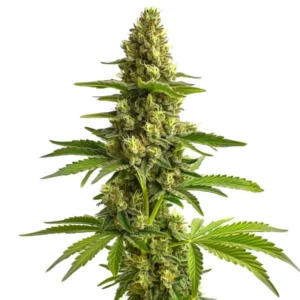
Super Boof Auto
|
|
THC | 25% - 28% (High) |
|
|
Type | Autoflowering |
|
|
Yield | Low |
|
|
Phenotype | 60% Indica / 40% Sativa |
What to Expect in Week 8
Bud Development and Trichome Changes
During week 8, autoflowers experience significant bud swelling, with trichomes transitioning from clear to cloudy, and some may even show amber hues. This change is a critical indicator of potency, as cloudy trichomes suggest peak THC levels. Ensure your lighting is optimal, with 800-1000 µmol/m²/s to support this crucial phase of growth.
Trichome development is essential for the plant’s defense and cannabinoid production. The shift in trichome color is a signal that the plant is nearing its peak potency. Monitor these changes closely using a magnifying glass or microscope to determine the ideal harvest window.
Nutritional Needs and Adjustments
As autoflowers progress through week 8, their nutritional demands shift. Increase phosphorus and potassium to support bud development, while reducing nitrogen to prevent excessive leaf growth. Aim for a nutrient ratio of N:P:K 1:3:2 during flowering. Excess nitrogen can lead to nutrient burn, so monitor plant response closely.
Adjusting nutrient levels is crucial for optimizing bud quality and yield. A high-quality bloom fertilizer can enhance the plant’s ability to produce dense, resinous buds. Be vigilant for signs of nutrient deficiencies or toxicities, which can manifest as leaf discoloration or stunted growth.
Promos & Deals

Defoliation Strategies for Week 8
Timing and Techniques
Defoliation can be beneficial in week 8 to improve light penetration and airflow. Focus on removing large fan leaves that block light from reaching lower buds. This practice should be done sparingly to avoid stressing the plant. Aim to defoliate early in the week to give plants time to recover before harvest.
Effective defoliation can enhance bud development by allowing more light to reach the lower canopy. This can lead to more uniform bud growth and increased yields. However, over-defoliation can stress the plant, reducing its overall vigor and productivity.
Pest and Disease Management
Week 8 is a critical time for monitoring pests and diseases. Common pests include spider mites and aphids, which can damage buds and leaves. Inspect plants regularly, especially the undersides of leaves, for signs of infestation. Use organic pesticides as a preventive measure, ensuring they are safe for flowering plants.
Maintaining a clean growing environment is crucial for preventing pest and disease outbreaks. Ensure proper ventilation and humidity control, keeping levels below 50% to deter mold growth. Regularly clean tools and surfaces to minimize the risk of contamination.
Environmental Conditions and CO2
During week 8 of flowering, maintaining optimal environmental conditions is crucial. Daytime temperatures should range between 20°C – 25°C (68°F – 77°F), with a nighttime drop of 8°C – 11°C to enhance bud development. Humidity levels should be kept between 40% – 50% to prevent bud rot. Additionally, CO2 enrichment can significantly boost photosynthesis, leading to increased bud density and potency.
| Feature | Northern Lights X Big Bud Auto | Purple Kush Auto | Moby Dick Auto |
|---|---|---|---|
| THC Percentage | 20-24% | 18-22% | 22-26% |
| Dominant Terpene | Myrcene | Limonene | Caryophyllene |
| Yield (oz/ft²) | 1.5-1.8 oz/ft² | 1.2-1.5 oz/ft² | 1.8-2.2 oz/ft² |
| Flowering Time (weeks) | 8-9 weeks | 7-8 weeks | 9-10 weeks |
| Height (inches) | 30-40 inches | 25-35 inches | 35-45 inches |
Preparing for Harvest
Timing Your Harvest
Harvest timing is crucial for maximizing potency and flavor. Use a magnifying glass to inspect trichomes. When most are cloudy with a few amber, it’s time to harvest. This stage ensures a balance between THC potency and the desired effects, whether cerebral or relaxing.
For a more cerebral high, harvest when trichomes are mostly cloudy. For a relaxing effect, wait for more amber trichomes. This decision impacts the overall experience and should align with your personal preferences or intended use of the cannabis.
Post-Harvest Considerations
After harvesting, drying and curing are essential for preserving quality. Hang branches in a dark room with 50% humidity and temperatures of 59-70°F (15-21°C). This process allows flavors to develop and prevents mold. Store dried buds in airtight containers away from light.
Proper post-harvest handling ensures that the hard work put into cultivation translates into a high-quality final product. Avoid rushing the drying process, as this can lead to harsh smoke and reduced flavor profiles.
Professional Tips for Autoflower Week 8
- Maintain 58-62% RH during curing. Below 55% can halt terpene development, while above 65% risks mold growth within 48 hours. Use a digital hygrometer for accuracy.
- Adjust light intensity to 800-1000 µmol/m²/s to support dense bud formation. Insufficient light can lead to airy buds and reduced yield.
- Reduce nitrogen levels to prevent excessive vegetative growth. High nitrogen can lead to nutrient burn and compromise bud quality.
- Inspect the underside of leaves for pests. Early detection prevents infestations from escalating and damaging the crop.
- Use organic pesticides that are safe for flowering plants to manage pests without affecting bud quality.
- Monitor trichome color closely to determine the ideal harvest time. This ensures maximum potency and the desired effect profile.
Frequently Asked Questions
What week do autoflowers fatten up?
Autoflowers typically start to fatten up around week 8, as they enter the peak flowering stage. Buds become denser and more resinous, indicating increased cannabinoid production. Ensure optimal lighting and nutrient levels to support this critical growth phase and maximize yield.
What should my buds look like at 8 weeks?
At 8 weeks, buds should appear dense and covered in trichomes, with a noticeable aroma. Trichomes should be transitioning from clear to cloudy, with some amber hues. This indicates peak potency and readiness for harvest in the coming weeks.
What week do autoflowers stretch the most?
Autoflowers generally stretch the most during weeks 3 to 5, as they transition from vegetative to flowering stages. This period is crucial for plant height and structure, setting the foundation for bud development in later weeks.
What week do autoflowers start to smell?
Autoflowers typically start to emit a noticeable aroma around week 4, as flowering begins. This aroma intensifies as buds develop, reaching its peak in the later flowering stages, around weeks 7 to 9, when trichome production is at its highest.
How can I increase yield during week 8?
To increase yield during week 8, focus on optimizing light penetration and nutrient levels. Implementing techniques like defoliation can improve light access to lower buds, while adjusting nutrient ratios supports bud development and overall plant health.