Proven Tactics for Easy Powdery Mildew in Cannabis Prevention & Control

Powdery mildew is a common issue that can affect cannabis plants, impacting both yield and quality. Knowing powdery mildew in cannabis prevention & control is essential, as this fungal disease appears as white, powdery spots on leaves and buds and can spread quickly if not treated. Fortunately, there are effective strategies to combat this problem, helping ensure healthy growth and bountiful harvests.
One of the key strategies for powdery mildew in cannabis prevention & control is maintaining optimal environmental conditions. By managing temperature, humidity, and airflow, you can create an inhospitable environment for the mildew. Additionally, choosing resistant strains from reputable sources like Blimburn Seeds can further bolster your defense.
Recommended Strains

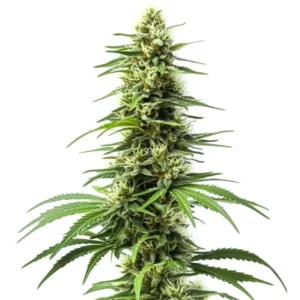
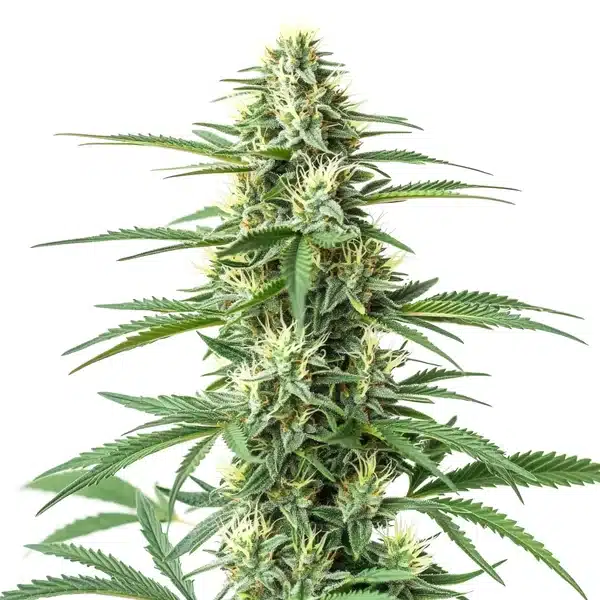
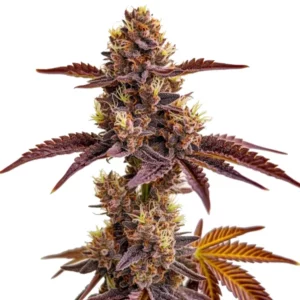
Blue Dream

|
THC | 17% - 24% (High) |

|
Type | Feminized |

|
Yield | High |

|
Phenotype | 50% Indica / 50% Sativa |
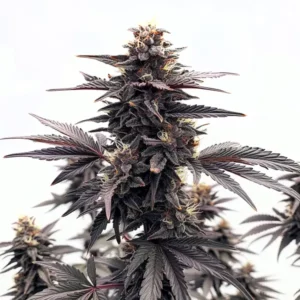
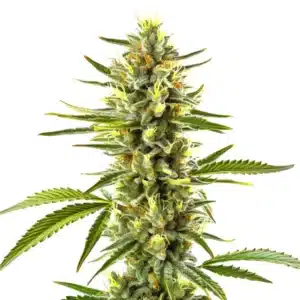
CBD Critical Mass (1:1)

|
CBD | 5% (Low) |
|
|
Type | CBD Feminized |
|
|
Yield | Medium |
|
|
Phenotype | 60% Indica / 40% Sativa |
Another tactic is the use of organic solutions for powdery mildew in marijuana plants. These solutions are not only safer for the environment but also gentle on your plants. From neem oil to baking soda sprays, these natural remedies can effectively curb the spread of mildew, keeping your cannabis healthy and thriving.
Environmental Control to Prevent Cannabis Powdery Mildew
Controlling the environment is crucial for preventing powdery mildew in cannabis cultivation. This involves regulating temperature and humidity levels. Cannabis plants thrive in environments with a temperature of around 70-85°F and humidity levels between 40-60%.
Proper airflow is another important factor. Good air circulation can prevent the stagnant conditions that mildew loves. Use oscillating fans to keep air moving around your plants. In greenhouse setups, ensure vents are open and fans are functioning well to maintain a steady flow of fresh air.
Apart from temperature and humidity, regular cleaning of the growing area is a vital step in environmental control to prevent cannabis powdery mildew. Dust and plant debris can harbor mildew spores, so keeping your space tidy can significantly reduce the risk of infection. Sterilizing tools and equipment used in the grow room can further prevent the spread of powdery mildew.
Another approach is to incorporate air filtration systems. These systems can help in reducing airborne spores by keeping the air clean and fresh. Combining filtration with regular monitoring of environmental parameters ensures a comprehensive strategy for powdery mildew in cannabis prevention & control.
- Maintain temperature at 70-85°F
- Keep humidity between 40-60%
- Ensure adequate airflow with fans
- Regularly check and calibrate environmental controls
Promos & Deals

Choosing Resistant Cannabis Strains
Selecting the right cannabis strain can be a game-changer in powdery mildew prevention. Some strains are more resistant to mildew, giving you a head start in your growing journey. Blimburn Seeds offers several strains known for their resilience.
An example includes the potent and resilient GG4 strain, which is famous for its robust growth and resistance to diseases. Another excellent choice is Blue Dream, which combines strength and quality, making it a favorite among growers.
For those looking for a high-yielding option, Critical Mass stands out. This strain not only provides a substantial harvest but also shows impressive resistance to mildew, making it ideal for both novices and seasoned growers.
Incorporating resistant strains not only aids in preventing powdery mildew in cannabis cultivation but also reduces the need for chemical interventions. By choosing strains from trusted providers like Blimburn Seeds, growers can focus on optimizing other aspects of their cultivation practices, knowing their plants have an inherent defense against mildew.
Furthermore, exploring hybrids that combine the best traits of multiple strains can offer enhanced resistance. These hybrids not only boost resilience to mildew but also provide diverse flavors and effects, enriching the overall cannabis cultivation experience.
How to Stop Powdery Mildew in Cannabis Greenhouses
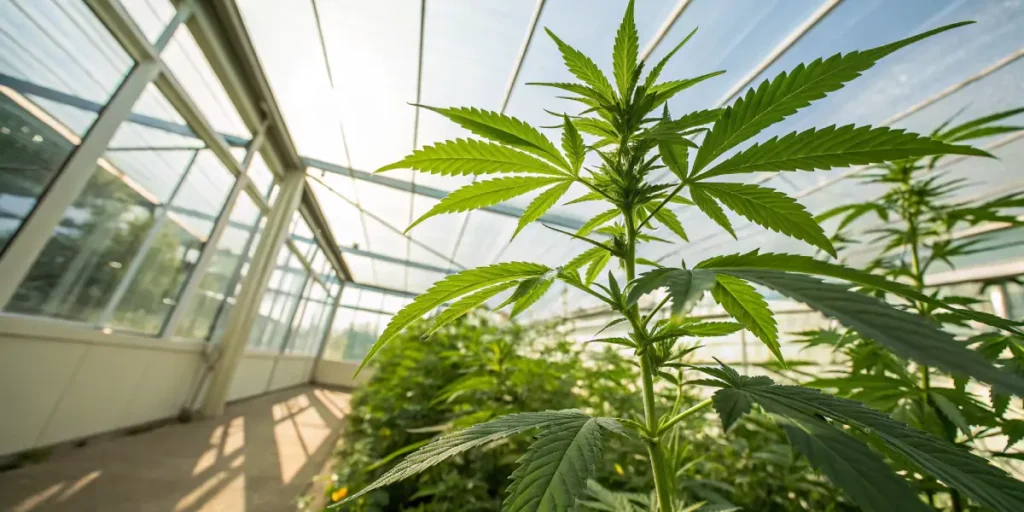
Greenhouses offer controlled conditions but can also be a breeding ground for mildew if not managed carefully. Regularly inspect your plants for early signs of mildew, such as white spots on leaves. Early detection is key to stopping its spread.
Use fungicides specifically designed for greenhouses. The best fungicides for powdery mildew on cannabis are those that are effective yet gentle on plants. Organic options like sulfur-based fungicides can be particularly beneficial.
Incorporating beneficial insects can also help. Certain insects, like ladybugs, naturally control mildew by feeding on the spores. This biological approach can be an effective complement to your mildew prevention toolkit.
Maintaining cleanliness in the greenhouse is also crucial. Regularly sanitize surfaces and remove dead plant material, as these can harbor mildew spores. Implementing strict hygiene practices is a proactive step in how to stop powdery mildew in cannabis greenhouses.
Adjusting the microclimate within the greenhouse by using shade nets or cooling systems can prevent conditions that favor mildew growth. By fine-tuning these elements, growers can create an optimal environment that supports healthy cannabis growth while keeping mildew at bay.
- Inspect plants regularly for mildew signs
- Use suitable fungicides for greenhouse environments
- Consider biological controls like beneficial insects
- Maintain strict cleanliness to reduce spore spread

FAQs about powdery mildew in cannabis prevention & control
What are the first signs of powdery mildew in cannabis?
The initial signs of powdery mildew include small white or grey powdery spots on the leaves and stems. These spots can easily be mistaken for dust. As the infection progresses, the spots become larger and denser, covering more leaf surface and potentially spreading to buds.
It’s essential to regularly inspect your plants, especially in the early stages of growth. Catching powdery mildew early can make treatment easier and prevent significant damage. If you notice these signs, take action immediately to stop the spread.
Beyond visual inspection, using a magnifying glass can help in detecting early signs of mildew that might be invisible to the naked eye. This level of scrutiny is especially important in dense canopies where airflow might be limited, creating ideal conditions for mildew to thrive.
Implementing a routine inspection schedule can aid in consistent monitoring. By setting aside regular times to check plants, growers can quickly spot and address powdery mildew outbreaks, effectively incorporating powdery mildew in cannabis prevention & control into their maintenance routine.
Can powdery mildew affect cannabis yield?
Yes, powdery mildew can significantly affect cannabis yield. The fungus weakens the plant by interfering with photosynthesis, which is crucial for plant growth and bud production. Severely infected plants may produce fewer and lower-quality buds.
To protect your yield, it’s important to implement powdery mildew in cannabis prevention & control measures. Regular monitoring and swift action when symptoms appear can help safeguard your plants and ensure a bountiful harvest.
Powdery mildew’s impact is not limited to quantity; it also affects the quality of the buds. Infected buds may have altered flavors and reduced potency, impacting the overall consumer experience. This makes early detection and prevention even more critical.
By focusing on environmental control and selecting resistant strains, growers can minimize the impact of mildew on their crops. A proactive approach can save time and resources in the long run, ensuring a successful and high-quality harvest.
Are there organic solutions for powdery mildew in marijuana plants?
Indeed, there are several organic solutions that can effectively control powdery mildew. Neem oil is a popular choice, known for its antifungal properties. It can be mixed with water and applied to affected areas to halt mildew growth.
Another natural remedy is a baking soda solution. Mixing baking soda with water and applying it to the plant’s surface can change the pH level, creating an environment where mildew cannot thrive. These organic methods are not only effective but also safe for the environment.
Additionally, milk sprays have been found to be a simple yet effective organic solution for powdery mildew in marijuana plants. Diluting milk with water and spraying it on the foliage can help due to the enzymes and proteins that inhibit mildew growth.
Essential oils, such as rosemary and tea tree oil, can also be used as natural fungicides. These oils have antifungal properties that can suppress mildew growth while being gentle on the plants and the surrounding ecosystem.
How do I choose the best fungicides for powdery mildew on cannabis?
When selecting fungicides, consider both effectiveness and plant safety. Look for products specifically labeled for use on cannabis and effective against powdery mildew. Organic fungicides, such as those containing sulfur or copper, can be effective without harming your plants.
Reading reviews and consulting with other growers can also provide insights into the most effective products. Start with a small application on a few plants to test efficacy and plant response before widespread use.
The best fungicides for powdery mildew on cannabis often combine safety and efficacy. Opt for products that are easy to apply and have proven results in similar growing conditions. This approach ensures that the fungicides will work effectively in your specific environment.
Consider the residual effects of fungicides as well. Some products may leave residues that could affect the plant’s flavor or safety if not properly managed. Always follow the manufacturer’s instructions to ensure safe and beneficial results for your cannabis plants.
What environmental control measures are effective in preventing powdery mildew?
Effective environmental control is crucial for preventing powdery mildew. Maintaining the right temperature and humidity levels is a good starting point. Aim for temperatures between 70-85°F and humidity levels of 40-60% to create an unfavorable environment for mildew.
Ensure good airflow throughout your growing area, whether indoors or in a greenhouse. Regularly clean your space to remove any potential mildew spores, and consider using air filtration systems to keep the air fresh and clean.
Besides to these measures, implementing a dehumidifier can be beneficial in areas prone to high humidity. This device helps maintain optimal moisture levels, reducing the chances of mildew thriving in your grow area.
Using hygrometers and thermometers can provide real-time data on environmental conditions. These tools allow for quick adjustments, ensuring that your cannabis plants are growing in conditions that are consistently monitored and controlled, forming a key part of powdery mildew in cannabis prevention & control.