Why Is My Plant Flowering in Veg? Causes and Solutions

Unexpected Flowering in Veg: If your plant begins flowering during the vegetative stage, it may be due to disruptions in light cycles, stress, or genetic predispositions. Photoperiod strains need consistent light to stay in veg, and any interruption can trigger flowering. Address this by ensuring stable lighting and managing stressors; reverting to veg can take weeks but is possible.
Causes of Accidental Flowering During Veg
Light Cycle Disruptions
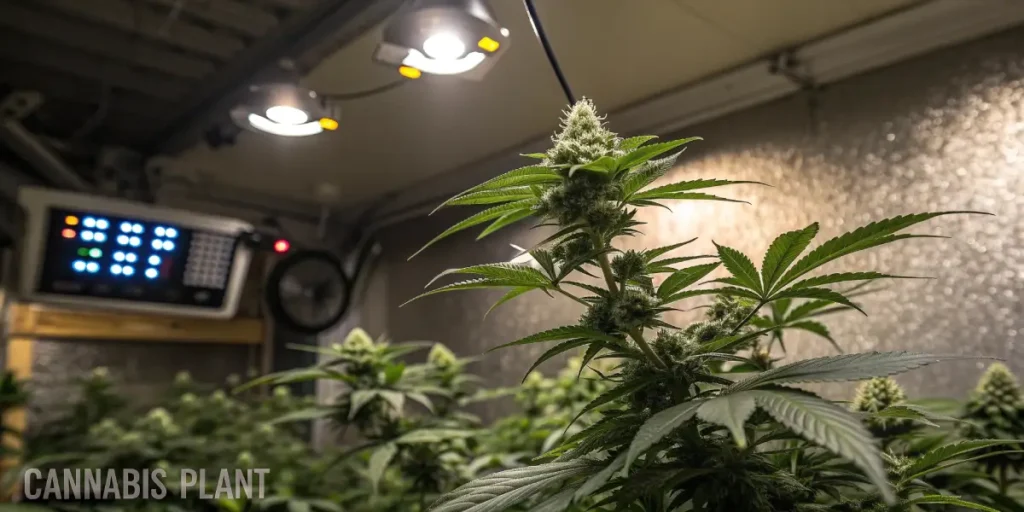
Photoperiod cannabis strains rely heavily on stable light cycles to determine their growth stage. During the vegetative phase, these plants require 18 to 24 hours of light daily. Any deviation from this schedule, even for a short period, can trigger flowering. This is because plants interpret darkness as a signal to begin reproductive growth.
Recommended Strains

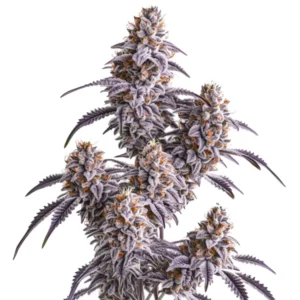
Mamba Negra

|
THC | 18% (Medium) |

|
Type | Feminized |

|
Yield | High |

|
Phenotype | 55% Indica / 45% Sativa |

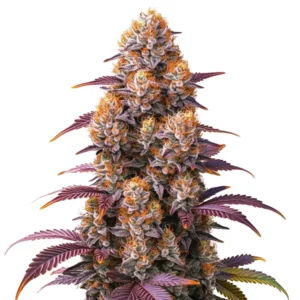
Mamba Negra Auto
|
|
THC | 8% - 15% (Medium) |
|
|
Type | Autoflowering |
|
|
Yield | Medium |
|
|
Phenotype | 80% Indica / 20% Sativa |
Power outages or faulty timers can lead to these disruptions. A sudden change in the light schedule confuses the plant’s internal clock, causing it to enter the flowering phase prematurely. This can significantly impact the plant’s size and yield, potentially reducing it by up to 30%.
To prevent such issues, regularly inspect your lighting equipment and ensure your grow space is completely lightproof. Even minor light leaks can lead to accidental flowering during veg, making it essential to maintain a consistent environment.
Stress-Induced Flowering
Stress can also cause cannabis plants to flower prematurely. Environmental stressors, such as extreme temperatures or physical damage, can alter the plant’s hormonal balance, leading it to flower as a survival mechanism. This stress response is often mediated by hormones like ethylene.
Physical damage, such as aggressive pruning or root disturbance, can trigger this stress response. Similarly, temperature extremes—whether too hot or too cold—can push the plant into flowering. Maintaining stable conditions is crucial to prevent this.
Ensure your grow space remains within the optimal temperature range of 68°F to 77°F (20°C to 25°C) and avoid unnecessary handling of the plants. This stability helps keep the plant in the vegetative stage until you’re ready for it to flower.
Genetic Factors
Genetics play a significant role in a plant’s response to environmental cues. Photoperiod strains are sensitive to light cycles, while autoflower strains flower automatically after a set period. Some strains are more resilient to minor light changes, while others may flower at the slightest disturbance.
Choosing the right strain for your growing conditions can reduce the risk of accidental flowering. For instance, autoflower strains like Auto CBD Lemon Haze are less affected by light cycle inconsistencies.
Consider switching to strains that are known for their resilience if accidental flowering is a recurring issue in your setup. Researching strains that have been bred for indoor conditions can also help manage environmental fluctuations better.
Promos & Deals
How to Reverse Early Flowering
Adjusting Light Cycles
To revert a flowering plant back to its vegetative state, increase the light exposure to 18 to 24 hours per day. This signals the plant to resume vegetative growth. However, this process, known as re-vegging, can take several days to weeks, depending on how far along the plant is in the flowering process.
Consistency is key when attempting re-vegging. Avoid sudden changes to light intensity or duration. Monitor the plant closely for signs of stress during this transition period. Over time, you should start to see vegetative growth return, such as the development of new leaves and stems.
Gradually adjusting the light cycle rather than making abrupt changes helps the plant acclimate without additional stress. This approach can prevent further complications and support the plant’s recovery.
Nutrient Management
Switching back to a nitrogen-rich nutrient formula can further encourage re-vegging. During the vegetative phase, cannabis plants rely on higher nitrogen levels to support leaf and stem growth. Transitioning back to this nutrient balance helps stimulate the necessary growth patterns for the veg stage.
Be cautious with nutrient concentration, as overfeeding can create further stress and delay recovery. Gradually adjust the nutrient regimen, allowing the plant to acclimate without additional stress. Monitoring the plant’s health during this period is essential.
Signs of overfeeding, such as yellowing leaves or nutrient burn, may require adjustments. Ensuring a balanced nutrient intake supports the plant’s transition back to vegetative growth.
How to Reveg a Flowering Plant
Revegging a flowering plant involves manipulating the light cycle and nutrient regimen to encourage the plant to return to vegetative growth. By increasing light exposure to 18-24 hours daily and providing a nitrogen-rich nutrient solution, you can stimulate new leaf and stem development. This process can take several weeks, requiring patience and consistent care.
| Feature | Auto CBD Lemon Haze | Sweet Tooth X GG | Bruce Banner 3 Fbv |
|---|---|---|---|
| THC Content | 5-8% THC | 18-22% THC | 24-28% THC |
| Dominant Terpene | Limonene | Myrcene | Caryophyllene |
| Yield | 1-1.5 oz/ft² (300-450 g/m²) | 1.5-2 oz/ft² (450-600 g/m²) | 2-2.5 oz/ft² (600-750 g/m²) |
| Flowering Time | 8-9 weeks | 9-10 weeks | 8-9 weeks |
| Effect | Relaxing | Euphoric | Uplifting |
Preventing Accidental Flowering in Future Grows
Light Management Tips
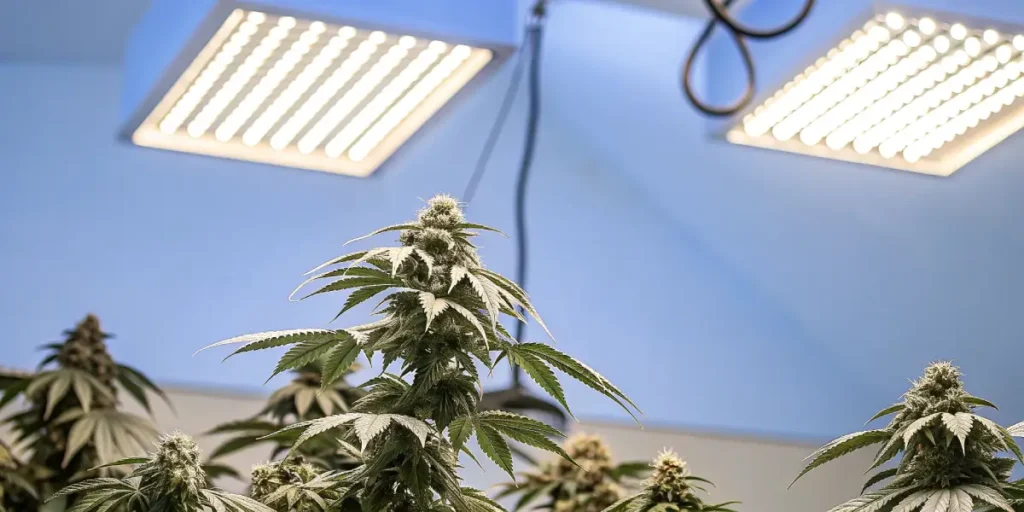
Invest in high-quality timers to minimize the risk of lighting disruptions. Consistent timers prevent issues like lights turning on or off at incorrect intervals, which can disrupt the light cycle and trigger early flowering. Inspect for light leaks in your grow space.
Even minimal light exposure can cause photoperiod plants to start flowering. A lightproof grow tent or careful adjustments to windows and doorways can help. Installing a backup power system, such as an uninterruptible power supply (UPS), can maintain lighting even during short power outages.
Ensure your grow space is completely lightproof to prevent accidental flowering. Regularly check for any cracks or openings where light could enter during the dark period. This proactive approach helps maintain a consistent environment for your plants.
Creating a Low-Stress Environment
Keeping the grow space within the optimal temperature range helps prevent stress. Cannabis plants thrive within specific temperature ranges during each growth phase, and extreme fluctuations can disrupt their growth cycle. Provide a balanced nutrient regimen, particularly in nitrogen levels.
This supports vegetative growth and minimizes the risk of premature flowering. Regularly monitor and adjust nutrient intake based on the plant’s needs. Reducing handling and providing a stable environment allows plants to grow without unnecessary stress.
Excessive pruning or frequent transplanting can stress plants. This stability reduces the likelihood of accidental flowering. Maintaining a low-stress environment is crucial for healthy plant development and maximizing yield potential.
FAQs About Accidental Flowering
Can You Reveg a Flowering Plant?
Yes, you can revert a flowering plant back to veg by increasing light exposure to 18 to 24 hours per day. This process, known as re-vegging, can take several days to weeks. Signs of re-vegging include new leaf growth and a gradual shift back to a more typical vegetative structure.
Is Pre Flowering in Veg Normal?
Pre flowering in veg is not typical and often indicates stress or light cycle issues. It can be triggered by environmental stressors or genetic predispositions. Maintaining stable conditions and consistent lighting can help prevent this occurrence, ensuring your plant remains in the vegetative stage.
What Are the Signs of Accidental Flowering?
Signs of accidental flowering include the early appearance of pistils, a shift in growth pattern, and changes in leaf shape and size. The plant may become more compact or form clusters of leaves. Regularly checking for these indicators can help you identify if a plant is flowering early.
Does Vegging Longer Increase Yield?
Yes, extending the vegetative phase can increase yield by allowing the plant more time to develop branches and foliage. This results in a larger plant with more bud sites. However, it’s essential to maintain optimal conditions and nutrient levels to support this extended growth period.
When Should I Remove Fan Leaves During Veg?
Fan leaves should be removed strategically during veg to improve light penetration and airflow. Removing too many at once can stress the plant. It’s best to remove leaves that are blocking light from reaching lower branches, ensuring the plant receives adequate light for photosynthesis.