Proven Steps: How to Design a Light Exposure Study for Cannabis

Designing a light exposure study for cannabis involves several key steps. It’s about finding the right balance of light intensity and duration to enhance growth. This guide walks you through the essentials of how to design a light exposure study for cannabis, whether you’re a novice or a seasoned grower.
Light is vital for the photosynthesis process. It can influence plant size, yield, and cannabinoid content. In cannabis, this means your light setup can make a big difference. Let’s dive into the specifics and get your cannabis plants thriving.
Recommended Strains

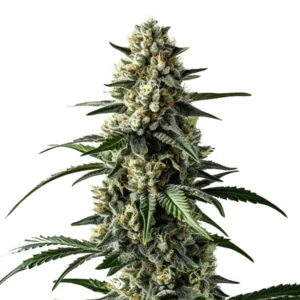
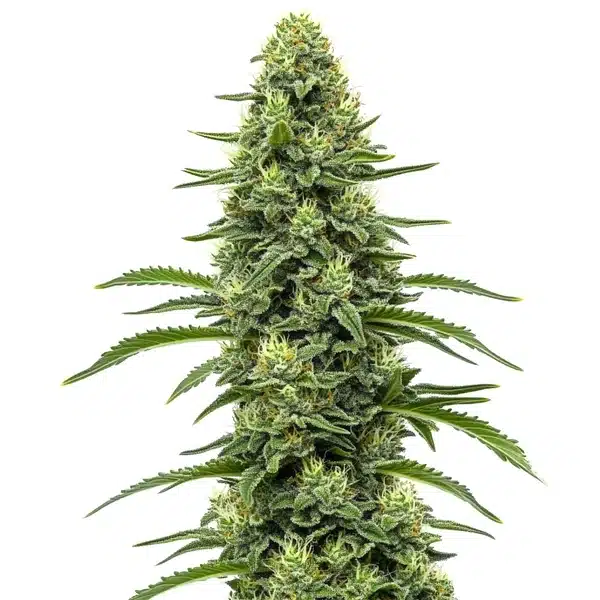
Blue Dream

|
THC | 17% - 24% (High) |

|
Type | Feminized |

|
Yield | High |

|
Phenotype | 50% Indica / 50% Sativa |
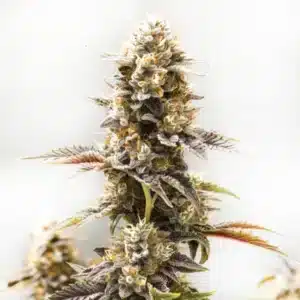
Skywalker
|
|
THC | 21% (Medium) |
|
|
Type | Feminized |
|
|
Yield | Medium |
|
|
Phenotype | 45% Indica / 55% Sativa |
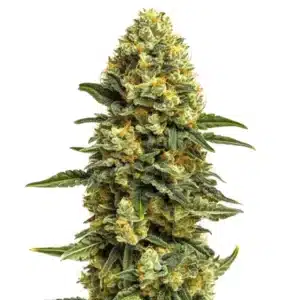
Consider the popular strain, Blue Dream from Blimburn Seeds. With its remarkable growth potential, knowing light exposure can significantly boost its yield. Let’s see how to achieve this through a well-designed study.
Setting Up the Environment
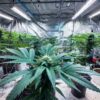
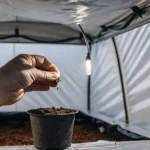
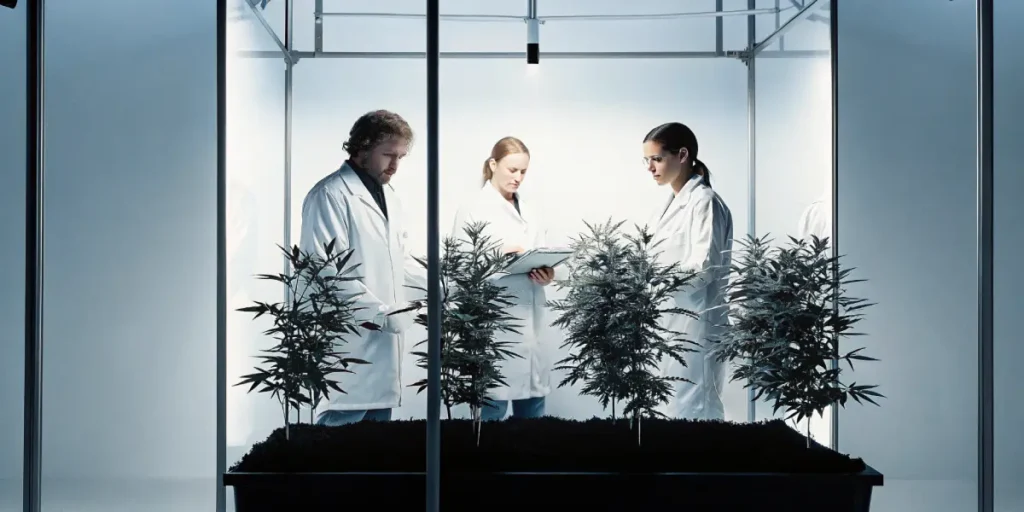
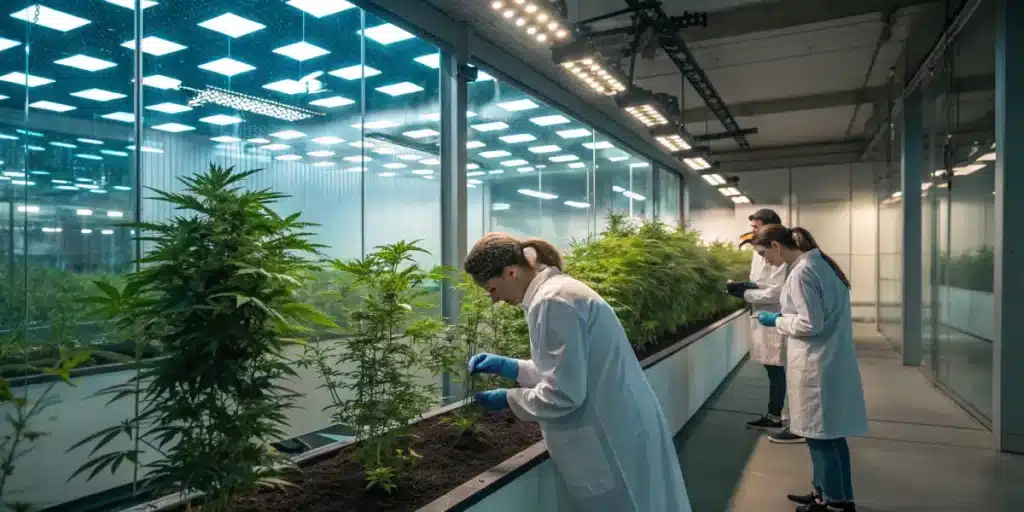
Your first step is designing a controlled environment for cannabis light exposure. This involves setting up a space where you can regulate all variables. Think of it like a science lab for your plants.
Temperature, humidity, and air circulation are crucial. Use fans and dehumidifiers to maintain optimal conditions. This ensures your light exposure study results are accurate and replicable. It’s how to design a light exposure study for cannabis that truly reflects the plant’s potential.
Creating such an environment requires meticulous planning. You’ll need to carefully select materials that can withstand the conditions necessary for growth while minimizing any external light interference. Blackout curtains or reflective materials can help contain and maximize the light you’re providing.
Another aspect to consider is the layout of your grow space. Ensuring that every plant receives equal light exposure is crucial for consistent results. Arranging plants in a grid pattern can help achieve this, preventing any one plant from overshadowing another and affecting their growth potential.
Choosing the Right Equipment
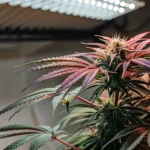
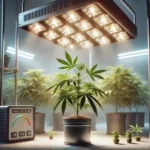
Invest in quality light sources. LED lights are popular for their energy efficiency and adjustable spectrum. They allow you to simulate different environments, from sunny skies to overcast days. This flexibility is key when analyzing light spectrum effects on cannabis yields.
Next, consider your measurement tools. How to measure light intensity for cannabis research? A light meter will be your best friend here. It helps ensure your plants receive the optimal light exposure duration for cannabis growth studies.
When selecting your equipment, it’s important to consider the specific needs of the cannabis strains you’re studying. Different strains may require different light spectrums or intensities to reach their full potential. Customizing your setup to accommodate these needs can lead to more accurate and beneficial results.
Additionally, think about the scalability of your equipment. As you refine your study and potentially expand your operations, having equipment that can grow with you is an invaluable asset. This foresight ensures that you can maintain best practices for light exposure in cannabis cultivation research over time.
Monitoring and Adjusting Light Exposure
Once your setup is in place, regular monitoring is critical. Use timers to adjust light exposure automatically. This consistency helps prevent stress and promotes healthy growth.
Keep a detailed log of your observations. Note changes in plant behavior with different light intensities. This data is invaluable for knowing how different strains react to varied lighting conditions. It’s a key part of best practices for light exposure in cannabis cultivation research.
Monitoring tools such as cameras or sensors can be utilized to observe plant responses in real time. These tools provide a wealth of data that can help you make informed decisions about any necessary adjustments to light exposure.
Adjusting light exposure doesn’t just mean changing the intensity or duration. It also involves knowing the nuances of light spectrum and its effects on plant morphology. By experimenting and recording these effects, you can optimize the light conditions for each growth stage of your plants.
Promos & Deals

Analyzing Results
After your study, it’s time to analyze the collected data. Look for trends in plant growth, yield, and health. Compare this against the light conditions they experienced.
This analysis helps refine your approach. It provides insights into the optimal light exposure duration for cannabis growth studies. The data can also guide future experiments, enhancing the quality of your cannabis cultivation.
Data analysis is an iterative process that can reveal subtle yet critical insights into how to design a light exposure study for cannabis. This process guides your future decisions, allowing you to refine your methods for even better results.
Sharing your analysis with other growers or researchers can further enhance your knowing. Collaborative discussions can offer new perspectives and ideas, potentially uncovering overlooked aspects of your study.
Interpreting the Data
Effective interpretation of your results is crucial. This means knowing not just what happened, but why. Look for correlations between light exposure and plant performance.
For instance, did increased light intensity lead to higher yields? Did altering the light spectrum affect the cannabinoid profile? These insights are invaluable for refining your growing techniques.
Interpreting data involves a mix of quantitative and qualitative analysis. While numbers provide a clear picture of growth and yield, qualitative observations about plant health and vigor are equally important in drawing comprehensive conclusions.
Utilize statistical tools and software to aid in data interpretation. These can help identify patterns or anomalies that might not be immediately apparent, leading to more accurate conclusions and strategies for future studies.
Implementing Findings
Once you’ve interpreted your data, apply these findings to your future grows. Adjust your light exposure setups based on what you’ve learned.
This iterative process is how to design a light exposure study for cannabis that continuously improves. Each cycle of planting and analysis brings you closer to the perfect growing conditions.
Implementing findings isn’t just about altering light setups; it’s about integrating a holistic approach to plant care. Consider how changes in light exposure might affect other aspects of growth, such as nutrient uptake or water requirements.
Documenting each change and its outcome is crucial. This practice not only helps in refining your methods but also contributes to a broader knowledge base that can benefit the entire cannabis cultivation community.
FAQs about how to design a light exposure study for cannabis
What is the best light spectrum for cannabis growth?
The best light spectrum can vary depending on the growth stage. For seedlings, a blue light spectrum is ideal as it promotes strong root development and compact growth. During the flowering stage, a red light spectrum enhances bud production and increases yields.
LED lights with adjustable spectrums allow you to tailor the light according to the plant’s needs. Experimenting with different spectrums during your light exposure study can provide insights into optimizing plant health and productivity.
Knowing the plant’s developmental needs at each stage allows you to apply the right spectrum at the right time. This tailored approach can significantly boost both the quality and quantity of your yields.
The adaptability of LED lights makes them an excellent choice for those learning how to design a light exposure study for cannabis. Their versatility supports experimentation and learning, crucial for refining your cultivation techniques.
How do I measure light intensity effectively?
Using a light meter is the most effective way to measure light intensity. This tool measures the amount of light that reaches your plants, ensuring they receive adequate exposure for optimal growth.
Position the light meter at the canopy level of your plants to get accurate readings. Regularly check and adjust the light levels to maintain consistency throughout your study.
Regular calibration of your light meter is essential to ensure accuracy. Inconsistencies in readings can lead to incorrect conclusions, affecting the outcomes of your study.
Documenting light intensity readings at different times of the day can provide a more comprehensive knowing of light exposure patterns, helping to fine-tune your growth environment.
Why is a controlled environment important?
A controlled environment eliminates variables that could skew your study results. It allows for accurate comparisons between different light exposure setups, ensuring your findings are valid.
Maintaining consistent temperature, humidity, and air circulation is crucial. This stability helps isolate the effects of light exposure on your cannabis plants, providing clear insights into how different lighting conditions affect growth.
Designing a controlled environment for cannabis light exposure is foundational to any successful study. It ensures that your results reflect the true impact of light alterations rather than extraneous factors.
Such environments mimic the precision of scientific experiments, making your findings more reliable and your techniques more replicable by others in the cultivation community.
Can different strains affect study results?
Yes, different cannabis strains can respond uniquely to light exposure. Each strain has its own optimal conditions for growth, affecting how they react to light intensity and spectrum.
It’s important to tailor your light exposure study to the specific needs of each strain. Doing so will help you maximize the potential of your plants and produce the best possible yields.
Knowing the genetic background and growth characteristics of each strain is key to customizing your approach and achieving optimal results in your light exposure study.
Engaging with the broader community, perhaps through forums or research groups, can provide insights into how other growers have optimized light conditions for various strains.
What are the benefits of using LED lights?
LED lights offer several advantages for cannabis cultivation. They are energy-efficient, produce less heat, and have adjustable spectrums, allowing you to simulate various lighting conditions.
These features make LED lights ideal for light exposure studies. They provide the flexibility needed to explore different light setups and their effects on cannabis growth and yield.
Another advantage of LED lights is their longevity. They require less frequent replacements, reducing operational costs and environmental impact over time.
The ability to precisely control and adjust LED lights according to the needs of your cannabis strains makes them an invaluable tool in any cultivation research, enhancing your ability to implement best practices for light exposure in cannabis cultivation research.