Expert Guide: Phytoremediation Using Hemp for Heavy Metals

Phytoremediation using hemp: benefits and limitations for heavy metals is a groundbreaking approach for addressing environmental issues caused by heavy metals. Hemp, a versatile plant, offers a natural way to clean contaminated soils by absorbing heavy metals through its roots. This process not only helps in detoxifying the soil but also provides a sustainable solution for environmental cleanup.
While the benefits of hemp in soil detoxification are significant, it’s essential to understand the limitations of hemp in removing heavy metals. Hemp’s ability to absorb toxins depends on various factors such as soil type, metal concentration, and environmental conditions. However, the potential of hemp-based phytoremediation for environmental cleanup remains promising.
Recommended Strains

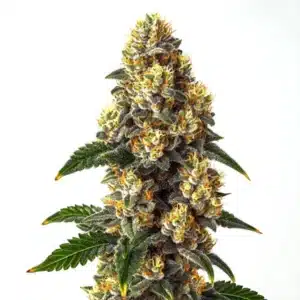
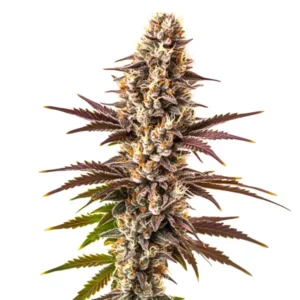
Blue Dream

|
THC | 17% - 24% (High) |

|
Type | Feminized |

|
Yield | High |

|
Phenotype | 50% Indica / 50% Sativa |
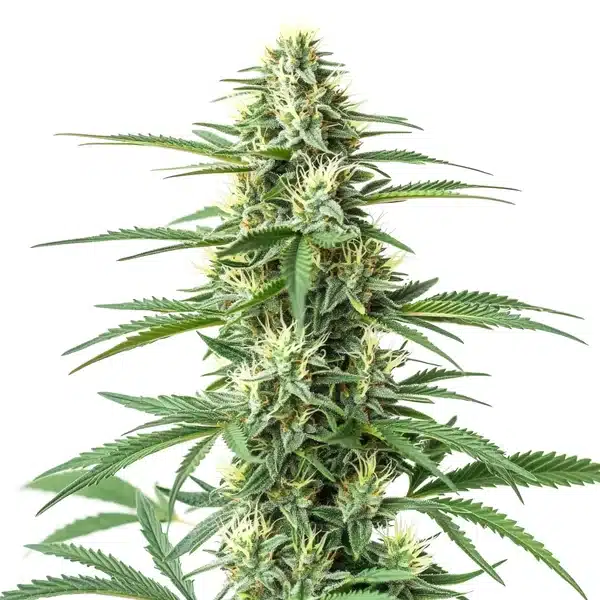
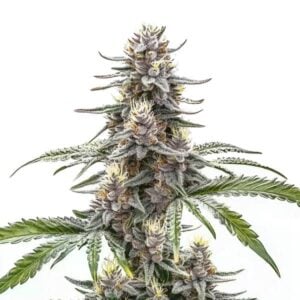
CBD Critical Mass (1:1)

|
CBD | 5% (Low) |
|
|
Type | CBD Feminized |
|
|
Yield | Medium |
|
|
Phenotype | 60% Indica / 40% Sativa |
For those new to the world of cannabis or seasoned growers considering hemp for phytoremediation, it’s important to select the right strain. Blimburn Seeds offers a variety of high-quality strains that are particularly effective for this purpose. Let’s dive deeper into how hemp can be used to tackle heavy metal pollution and the challenges that come with it.
The Science Behind Hemp Phytoremediation
Hemp is a highly effective plant for phytoremediation due to its deep root system and rapid growth. These roots penetrate the soil, absorbing heavy metals such as lead, cadmium, and mercury. This process, known as heavy metal absorption, allows hemp to clean contaminated sites efficiently.
The benefits of hemp in soil detoxification are well-documented. Hemp not only absorbs heavy metals but also stabilizes the soil structure, preventing further erosion and degradation. This dual action makes hemp an excellent candidate for phytoremediation projects aimed at restoring polluted land.
Besides, hemp’s ability to thrive in nutrient-poor soils makes it particularly useful in areas where other plants may struggle to survive. Its resilience adds an extra layer of utility for phytoremediation, allowing it to be deployed in a wide range of environmental conditions. This flexibility is crucial for achieving successful outcomes in diverse settings.
Moreover, ongoing research continues to explore how specific genetic traits in hemp can be harnessed to enhance its phytoremediation capabilities. By selecting strains that are more adept at heavy metal absorption, scientists and agronomists can further optimize the use of hemp for environmental cleanup, making it an even more potent tool in the fight against soil contamination.
Benefits of Using Hemp for Heavy Metal Remediation
One of the key benefits of using hemp for phytoremediation is its environmental friendliness. Unlike traditional methods that may involve chemical treatments, hemp offers a natural and sustainable way to address soil contamination. This reduces the need for harmful chemicals and minimizes the ecological footprint.
Hemp’s ability to grow in various soil types adds to its appeal. It thrives in poor soil conditions, making it a versatile option for different environments. This adaptability further enhances its role in environmental cleanup, allowing for widespread application across diverse landscapes.
Furthermore, hemp’s rapid growth cycle enables multiple harvests within a single growing season, increasing the potential for efficient soil detoxification. This characteristic makes it an attractive option for projects on tight timelines, where quick results are essential for restoring soil health.
Additionally, the economic benefits of hemp phytoremediation extend beyond just soil detoxification. By integrating hemp into crop rotation plans, farmers can improve soil quality while maintaining profitability, creating a win-win scenario for both the environment and the agricultural sector.
Promos & Deals


Limitations of Hemp in Removing Heavy Metals
While hemp is effective in many scenarios, there are limitations of hemp in removing heavy metals that must be considered. Not all heavy metals are absorbed equally, and some may remain in the soil even after several growing cycles. This can limit the overall effectiveness of the remediation process.
The concentration of heavy metals also plays a significant role in hemp’s phytoremediation capabilities. In areas with extremely high levels of contamination, hemp may not be able to absorb enough toxins to make a significant impact. This requires careful assessment and planning before implementing a phytoremediation strategy.
Another limitation is the potential for bioaccumulation within the plant, which can pose additional disposal challenges. When hemp absorbs heavy metals, these contaminants can accumulate in the plant tissues, requiring careful handling and monitoring to ensure they do not re-enter the environment.
Furthermore, the success of phytoremediation using hemp depends on environmental factors such as climate and soil pH, which can affect the plant’s growth and absorption abilities. Tailored solutions and site-specific assessments are essential to maximize the effectiveness of hemp-based remediation efforts.
Challenges in Using Hemp for Heavy Metal Remediation
One of the challenges in using hemp for heavy metal remediation is the potential impact on the plant itself. High concentrations of heavy metals can affect hemp’s growth and health, limiting its ability to thrive and absorb toxins. This necessitates monitoring and management throughout the phytoremediation process.
Another challenge is the disposal of hemp biomass post-harvest. Once hemp has absorbed heavy metals, it becomes hazardous waste and must be disposed of properly. This involves additional costs and regulations that need to be considered when planning a phytoremediation project.
Moreover, regulatory frameworks surrounding the cultivation and disposal of hemp used in phytoremediation are still evolving in many regions. Navigating these regulatory landscapes can be complex, requiring stakeholders to stay informed and compliant with local laws and guidelines.
The initial cost and investment required to start a hemp phytoremediation project can also be a barrier for some landowners. Access to funding and resources is crucial to overcoming these challenges, highlighting the need for support from governmental and environmental organizations to facilitate these efforts.
Choosing the Right Hemp Strain for Phytoremediation
Selecting the right hemp strain is crucial for successful phytoremediation. Different strains have varying capabilities in terms of growth rate, root system development, and heavy metal absorption. It’s important to choose a strain that aligns with the specific conditions of the contaminated site.
Blimburn Seeds offers several strains that are well-suited for phytoremediation. The Blue Dream strain, for example, is known for its vigorous growth and resilience, making it a popular choice for those tackling heavy metal pollution. Its ability to thrive in different conditions adds to its effectiveness.
When selecting a strain, it’s essential to consider the specific heavy metals present in the soil. Some strains may be more effective at absorbing certain metals, providing a targeted approach to remediation. This specificity enhances the efficiency of the process, ensuring that the most problematic contaminants are addressed.
Besides to strain selection, knowing the local ecosystem and environmental factors will help in creating a customized phytoremediation plan. Collaborating with agronomists and environmental scientists can provide invaluable insights, enabling the selection of the most suitable hemp strain for optimal results.

FAQs about phytoremediation using hemp: benefits and limitations for heavy metals
What makes hemp a suitable plant for phytoremediation?
Hemp is a suitable plant for phytoremediation due to its fast growth, deep root system, and adaptability to various soil conditions. These characteristics allow hemp to efficiently absorb heavy metals from the soil, making it an effective tool for environmental cleanup. Additionally, hemp’s resilience to poor soil conditions further enhances its capabilities in phytoremediation efforts.
The plant’s ability to stabilize soil structure while absorbing toxins contributes to its effectiveness. This dual action not only helps in detoxifying the soil but also prevents further degradation. Hemp’s natural approach to remediation provides an eco-friendly alternative to conventional methods, adding to its suitability.
Furthermore, hemp’s minimal maintenance requirements make it an attractive option for large-scale projects. Its natural hardiness means less intervention is needed, allowing for cost-effective deployment across vast areas. This efficiency is particularly beneficial in resource-limited settings.
Moreover, as research continues to uncover new applications and benefits of hemp in soil detoxification, its role in environmental science is expected to grow. With increasing awareness of its potential, hemp phytoremediation is set to become a cornerstone of sustainable land management strategies worldwide.
Are there specific strains of hemp that are better for heavy metal absorption?
Yes, certain strains of hemp are more effective at absorbing heavy metals than others. Strains like CBD Critical Mass, Industrial Plant, and Blue Dream from Blimburn Seeds are known for their robust growth and efficient heavy metal absorption capabilities. These strains are specifically bred to thrive in phytoremediation projects, offering enhanced environmental cleanup potential.
Choosing the right strain depends on factors such as soil conditions, climate, and the specific contaminants present. Conducting soil tests and consulting with experts can help identify the most suitable strain for a given phytoremediation project, ensuring optimal results.
Moreover, ongoing breeding programs aim to develop new hemp varieties with improved phytoremediation traits. By selecting and cross-breeding plants that exhibit superior heavy metal absorption, researchers hope to expand the range of effective strains available for environmental cleanup.
Investing in the right hemp strain can significantly enhance the success of remediation projects. By leveraging the unique properties of each strain, stakeholders can tailor their approach to address specific environmental challenges efficiently and effectively.
How does hemp disposal work after phytoremediation?
After hemp has absorbed heavy metals from the soil, the biomass becomes contaminated and must be disposed of as hazardous waste. This requires adherence to specific regulations and guidelines to ensure safe and environmentally responsible disposal. Options include incineration or secure landfilling, depending on local regulations.
Proper disposal is crucial to prevent the release of absorbed toxins back into the environment. This step adds additional costs and considerations to the phytoremediation process, but it’s necessary to ensure the overall success and safety of the project.
In some cases, innovative technologies are being explored to extract valuable metals from hemp biomass, potentially creating new revenue streams. By recovering metals like cadmium or lead, the disposal process could become more economically viable while reducing waste.
Collaboration with waste management experts and adherence to best practices are essential for developing effective disposal strategies. By ensuring compliance with environmental regulations, stakeholders can minimize risks and enhance the sustainability of hemp-based phytoremediation projects.
What are the economic benefits of using hemp for soil detoxification?
Using hemp for soil detoxification can provide economic benefits by allowing farmers to cultivate the plant for both phytoremediation and commercial purposes. Hemp’s versatility enables it to be used in various industries, including textiles, construction, and health products, creating additional revenue streams.
Furthermore, the use of hemp for remediation can enhance land value by restoring contaminated sites to productive use. This not only benefits individual farmers but also contributes to broader economic and environmental goals, making hemp a valuable asset in sustainable agriculture and land management.
Additionally, hemp cultivation can attract government incentives and subsidies aimed at promoting sustainable practices. These financial supports can offset initial costs, making it more feasible for farmers to engage in phytoremediation projects.
Investing in hemp-based phytoremediation for environmental cleanup can also create job opportunities in the agricultural and environmental sectors. By boosting local economies and promoting green technologies, hemp offers a multifaceted approach to sustainable development.
What challenges should be considered when using hemp for heavy metal remediation?
One of the primary challenges when using hemp for heavy metal remediation is managing the plant’s health in highly contaminated areas. High levels of heavy metals can impair hemp’s growth and toxin absorption capabilities, necessitating careful monitoring and management throughout the process.
Another challenge involves the safe disposal of hemp biomass post-remediation. Once the plant has absorbed heavy metals, it becomes hazardous waste and must be disposed of according to specific regulations. This adds complexity and cost to the phytoremediation process but is essential for ensuring environmental safety and compliance.
Additionally, public perception and acceptance of hemp as a remediation tool can impact the implementation of projects. Educating communities about the benefits and limitations of hemp in removing heavy metals is vital to gaining support and overcoming potential resistance.
The logistics of large-scale hemp cultivation, including securing seeds, managing land use, and addressing potential cross-contamination, are also critical considerations. Careful planning and collaboration among stakeholders are key to addressing these challenges and ensuring the success of hemp phytoremediation initiatives.