Proven Guide: Phytoextraction vs Phytostabilization for Heavy Metal Soils

When it comes to managing heavy metal soils, two key strategies often considered are phytoextraction and phytostabilization. In the context of phytoextraction vs phytostabilization for heavy metal soils, both methods utilize plants to remediate contaminated land, but they operate in fundamentally different ways. Whether you’re a first-time cannabis seed buyer or an experienced grower, knowing these approaches can help you make more informed decisions about soil management and long-term crop health.
Phytoextraction involves using plants to absorb contaminants from the soil into their roots and shoots. Over time, these plants are harvested, removing the metals from the environment. On the other hand, phytostabilization aims to reduce the mobility of contaminants, keeping them in place to prevent spreading. This method is particularly useful for land where removing metals isn’t feasible but reducing their impact is crucial.
Recommended Strains

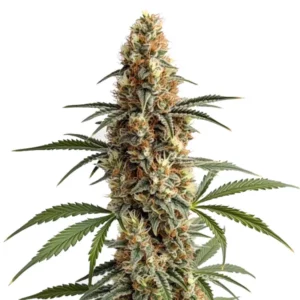
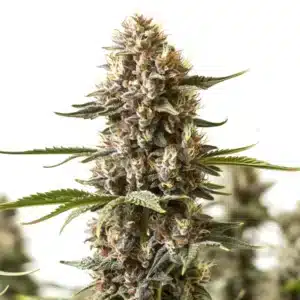
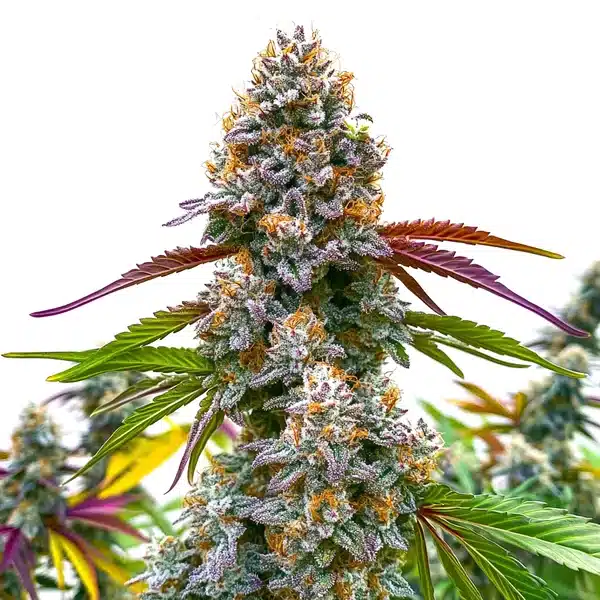
Tangie

|
THC | 19% - 22% (Medium) |

|
Type | Feminized |

|
Yield | High |

|
Phenotype | 30% Indica / 70% Sativa |
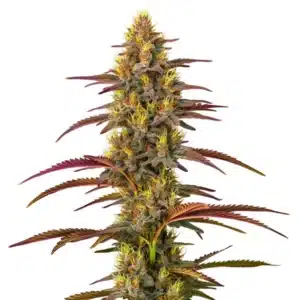
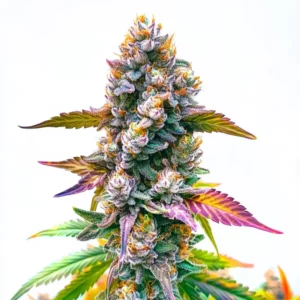
Critical Daddy Purple
|
|
THC | 19% (Medium) |
|
|
Type | Feminized |
|
|
Yield | High |
|
|
Phenotype | 50% Indica / 50% Sativa |
For cannabis growers, knowing which method suits your soil can directly impact your crop yield and quality. Heavy metals can affect plant health, leading to reduced growth and compromised flower quality. Blimburn Seeds offers strains that can thrive even in challenging soil conditions, ensuring your plants remain robust and productive.
Phytoextraction Efficiency in Heavy Metal Soil
Phytoextraction is all about efficiency. Some plants are natural heavy metal absorbers, making them ideal for this process. These plants are cultivated in contaminated areas and then harvested once they accumulate significant amounts of metals. The efficiency of this method depends on the plant species used and the specific metals present in the soil, especially when analyzing phytoextraction vs phytostabilization for heavy metal soils.
For instance, plants like sunflower and mustard have shown remarkable capability in absorbing metals like lead and cadmium. Selecting the best plants for phytoextraction is crucial, as different species target different metals. Cannabis, under certain conditions, can also participate in phytoextraction. Blimburn Seeds offers strains that can adapt well to these conditions, maximizing plant health and metal uptake.
Besides to plant selection, the success of phytoextraction depends on ongoing soil monitoring and management practices. Regular soil testing helps determine the levels of heavy metals and assess the phytoextraction efficiency in heavy metal soil. This information can guide growers in adjusting their strategies, such as choosing different plant species or altering planting densities to enhance metal uptake.
Moreover, environmental factors such as temperature, water availability, and soil pH can influence phytoextraction outcomes. By knowing these variables and their interactions with plant growth, growers can optimize conditions for maximum metal removal. Blimburn Seeds’ expertise in resilient cannabis strains provides a valuable resource for those looking to implement phytoextraction effectively.
Promos & Deals
Phytostabilization Techniques for Contaminated Land
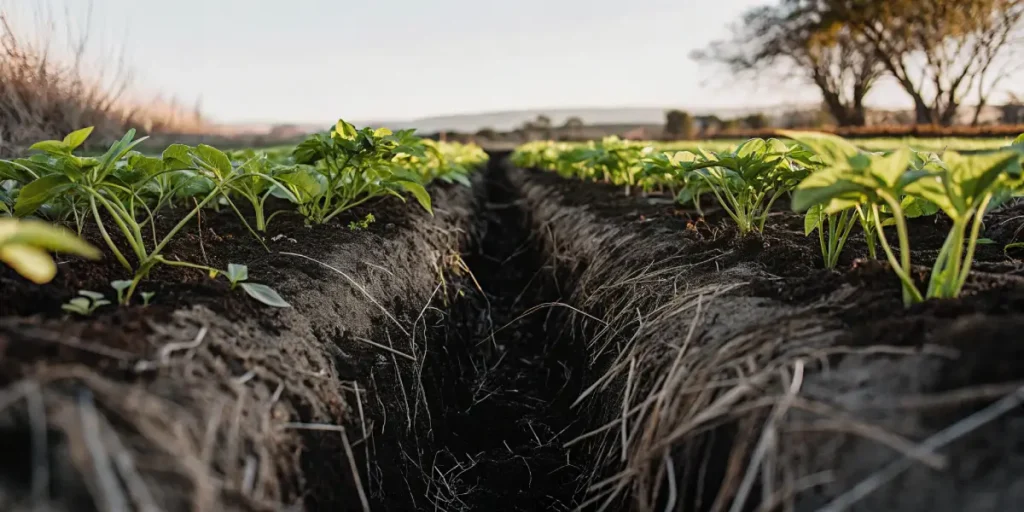
Phytostabilization works by immobilizing contaminants within the soil. This method is beneficial in areas where removing metals might disrupt the ecosystem. Plants used in phytostabilization release chemicals that bind metals, reducing their bioavailability and preventing them from entering water systems.
Grasses and other hardy plants are often employed in phytostabilization. These species are chosen for their root systems that help stabilize soil structure. Cannabis can also play a role here, especially strains that develop extensive root networks. Blimburn Seeds has strains that not only stabilize but also thrive in metal-rich soils, providing additional benefits to growers.
Implementing phytostabilization techniques for contaminated land requires careful planning and plant selection. The choice of plants must consider the specific metals present and the soil’s physical and chemical properties. In some cases, combining different plant species can enhance soil stabilization and improve the overall effectiveness of the method.
Phytostabilization also involves regular maintenance to ensure long-term success, especially when comparing strategies like phytoextraction vs phytostabilization for heavy metal soils. This includes monitoring plant health, controlling invasive species, and adjusting soil amendments as needed. By maintaining a healthy plant cover, growers can ensure the continued immobilization of contaminants and protect the surrounding environment. Blimburn Seeds offers strains that are well-suited for such long-term phytostabilization projects.
Comparing Phytoextraction and Phytostabilization Benefits
The benefits of phytoextraction include the actual removal of metals from the soil, which can lead to long-term soil health improvement. However, it’s a process that requires time and repeated plantings to achieve significant results. This method is ideal for growers looking to rehabilitate land for future use.
Phytostabilization, meanwhile, offers immediate benefits by preventing metal spread and reducing contamination risks. It’s a quicker solution for stabilizing land, particularly in areas where soil disturbance is undesirable. Both techniques have their place, and sometimes a combination of both might be the best approach.
When comparing phytoextraction and phytostabilization benefits, it’s essential to consider the specific goals and constraints of the site. Phytoextraction is advantageous for long-term land use planning, as it removes contaminants, allowing for future agricultural or developmental activities. In contrast, phytostabilization is better suited for immediate containment, especially where soil integrity must be preserved.
Growers can leverage the strengths of both methods by using them in tandem. For instance, phytostabilization can be employed initially to stabilize the soil and prevent erosion, followed by phytoextraction to gradually reduce metal concentrations. This integrated approach can maximize the benefits of both strategies, providing a comprehensive solution to manage heavy metal soils. Blimburn Seeds offers versatile strains that can support both methods effectively.
Cost Analysis of Phytoextraction Versus Phytostabilization
Cost is a significant factor when deciding between phytoextraction and phytostabilization. Phytoextraction involves not just planting but also harvesting and disposing of contaminated biomass, which can add to expenses. However, its potential to permanently remove contaminants makes it a worthwhile investment for long-term land use.
Phytostabilization generally incurs lower initial costs since it primarily involves planting and maintenance. There’s no need for biomass removal unless the area is redeveloped. This method can be more cost-effective, especially for large-scale applications where stability is prioritized over metal removal.
In the cost analysis of phytoextraction versus phytostabilization, growers must also consider the economic potential of the plants used. While phytoextraction may involve higher upfront costs, the biomass harvested can sometimes be used for bioenergy production, offsetting some expenses. Moreover, the long-term benefits of soil restoration can lead to increased land value and productivity, justifying the investment.
Phytostabilization, on the other hand, requires minimal ongoing costs, making it an attractive option for budget-conscious projects. By selecting low-maintenance plants and implementing efficient management practices, growers can maintain soil stability without incurring significant expenses. Blimburn Seeds’ adaptable strains offer cost-effective solutions for both phytoextraction and phytostabilization efforts.
Best Plants for Phytoextraction and Phytostabilization
Choosing the right plants is essential for successful phytoextraction or phytostabilization. Some plants are naturally better suited for these roles due to their tolerance to heavy metals and ability to grow in challenging conditions. Willows and poplars are often used for phytoextraction because of their rapid growth and high biomass.
For phytostabilization, grasses like fescue and rye are common choices due to their dense root systems that help bind soil particles. Cannabis, especially strains from Blimburn Seeds like Tangie, can also serve dual purposes by stabilizing soil and offering potential economic returns.
When selecting the best plants for phytoextraction and phytostabilization, it’s crucial to assess the site’s specific conditions, including soil composition and climatic factors. Some plants may thrive better in particular environments, and knowing these nuances can lead to more effective soil management outcomes. Consulting with experts or conducting small-scale trials can help identify the most suitable species for a given site.
Moreover, the integration of diverse plant species can enhance the effectiveness of both phytoextraction and phytostabilization. By using a combination of plants with varying root structures and metal uptake capabilities, growers can achieve more comprehensive soil remediation. Blimburn Seeds provides a range of strains that can be tailored to meet diverse soil management needs, ensuring successful results in heavy metal soils.
FAQs about phytoextraction vs phytostabilization for heavy metal soils
What is the main difference between phytoextraction and phytostabilization?
Phytoextraction focuses on removing heavy metals from the soil by accumulating them in the plant tissues, which are then harvested and disposed of. This method leads to the permanent removal of contaminants, improving soil quality over time. It is ideal for areas where long-term soil health is a priority and the removal of metals is feasible.
Phytostabilization, in contrast, aims to immobilize contaminants within the soil, preventing them from spreading or entering water systems. It does not remove the metals but reduces their bioavailability and risk of exposure. This method is useful in areas where soil disturbance must be minimized and immediate stabilization is necessary.
Can cannabis be used for phytoextraction or phytostabilization?
Yes, cannabis can be used for both phytoextraction and phytostabilization, depending on the strain and soil conditions. Some cannabis strains have natural resilience to heavy metals and can absorb them effectively, making them suitable for phytoextraction. Blimburn Seeds offers strains like Critical Daddy Purple, which are known for their adaptability and robust growth.
For phytostabilization, cannabis can help stabilize soil through its extensive root network, reducing erosion and metal mobility. Choosing the right strain is crucial, and Blimburn Seeds provides a variety of options to suit different soil management needs, ensuring successful outcomes for growers.
How long does it take for phytoextraction to be effective?
The effectiveness of phytoextraction depends on various factors, including the type of metals present, plant species used, and environmental conditions. Typically, it requires multiple planting and harvesting cycles over several seasons to achieve significant reductions in soil metal concentrations. This process demands patience but can lead to substantial long-term benefits in soil health.
Growers interested in using phytoextraction should plan for a multi-year effort, regularly monitoring soil conditions and adjusting plant selections as necessary. Blimburn Seeds resilient strains can help maintain plant health throughout this process, ensuring consistent metal uptake and removal.
What are the cost implications of using phytoextraction or phytostabilization?
Phytoextraction generally involves higher costs due to the need for planting, harvesting, and disposing of contaminated plant material. However, its potential to permanently remove contaminants can justify the investment, especially for long-term land rehabilitation projects. It is essential to consider both initial costs and long-term benefits when evaluating this method.
Phytostabilization tends to have lower initial costs as it mainly involves planting and maintaining vegetation without the need for biomass removal. This makes it a more economical choice for immediate stabilization or when budget constraints are a concern. Growers should assess their financial situation and soil management goals to determine the most cost-effective approach.
Which Blimburn Seeds strains are best suited for heavy metal soils?
Blimburn Seeds offers several strains that are well-suited for heavy metal soils, providing both resilience and high-quality yields. Strains like Mamba Negra and Critical Daddy Purple are known for their robust growth and adaptability to challenging soil conditions, making them excellent choices for both phytoextraction and phytostabilization efforts.
For growers interested in maximizing economic returns while managing soil health, Tangie is another strain that can thrive in metal-rich environments. By selecting the right strains, growers can achieve successful soil management outcomes while enjoying the benefits of high-quality cannabis production.