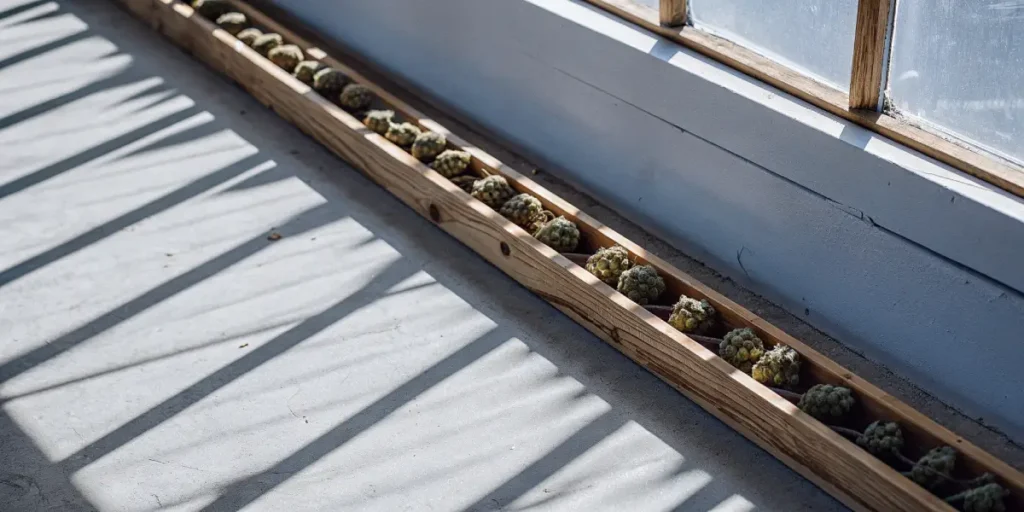
Proven Reasons Why Proper Drying Increases Potency Stability

Proper drying is a crucial step that is often overlooked by both novice and experienced cannabis growers. Knowing why proper drying increases potency stability is essential, as it’s not just about preserving the plant, but about maintaining the integrity of its cannabinoids and terpenes. When cannabis is not dried correctly, it can lose potency and chemical stability, leading to degraded effects, reduced flavor, and a subpar overall experience.
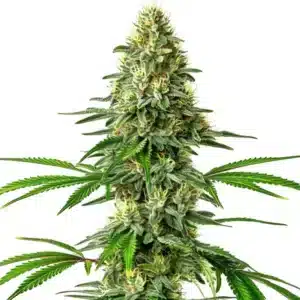
Imagine the disappointment of cultivating a strain like Godfather OG from Blimburn Seeds, known for its high THC content, only to find that improper drying has diminished its effects. Proper drying techniques are essential to maintain the stability of the plant’s potency, ensuring every puff delivers the expected experience.
Recommended Strains

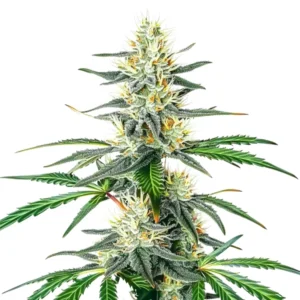
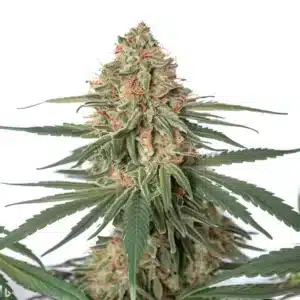
Godfather OG

|
THC | 26% - 30% (High) |

|
Type | Feminized |

|
Yield | High |

|
Phenotype | 60% Indica / 40% Sativa |

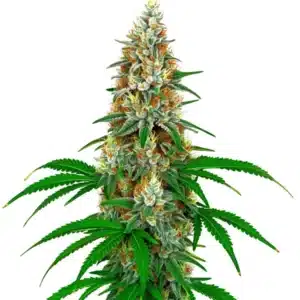
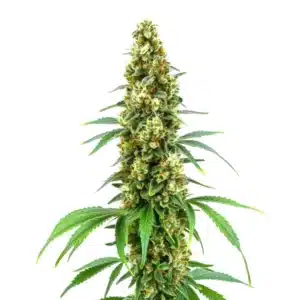
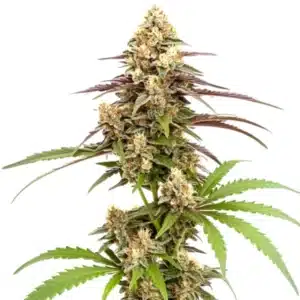
Tangie
|
|
THC | 19% - 22% (Medium) |
|
|
Type | Feminized |
|
|
Yield | High |
|
|
Phenotype | 30% Indica / 70% Sativa |
Another example is the popular strain Blue Dream from Blimburn Seeds. When dried properly, this strain retains its balanced effects, making it a favorite among both recreational and medicinal users. Here, we’ll delve into why proper drying increases potency stability and what techniques can help you achieve the best results.
How Moisture Affects Potency and Stability
Moisture plays a significant role in cannabis potency. When cannabis is too moist, it becomes a breeding ground for mold and mildew, which can degrade the plant’s cannabinoids and terpenes. This degradation directly impacts the potency and stability of the strain.
On the flip side, if cannabis is too dry, it can become brittle, leading to a loss of those precious trichomes that house the plant’s cannabinoids. This loss means a decrease in potency, making it crucial to strike the right balance during the drying process.
Knowing why proper drying enhances potency stability begins with recognizing moisture’s dual threat. An excess of moisture can lead to microbial growth, while insufficient moisture can strip away essential oils. Both scenarios compromise the cannabis quality.
Furthermore, the impact of drying on potency and stability is evident in the plant’s final presentation. Correct moisture levels preserve color and texture, ensuring that the cannabis looks as good as it performs. This visual appeal is an additional reason why proper drying is indispensable.
Promos & Deals
Proper Drying Techniques for Stability in Potency
One of the most effective proper drying techniques for stability in potency is to maintain a consistent drying environment. This includes controlling temperature and humidity levels. A cool, dark space with a temperature between 60-70°F and humidity levels of 55-65% is ideal.
Another technique is to hang your cannabis plants upside down in this controlled environment. This method allows for even drying, reducing the risk of mold and ensuring that the plant’s cannabinoids remain stable and potent.
The relationship between drying and potency stability is reinforced by the need for patience and precision. Rapid drying might seem convenient but often leads to uneven moisture distribution, affecting cannabinoid preservation. Hence, slow and steady wins the race.
Additionally, utilizing tools like hygrometers to monitor environmental conditions can prevent accidental deviations from the optimal drying parameters. This vigilance underscores why proper drying techniques for stability in potency are essential for high-quality cannabis production.
The Impact of Drying on Potency and Stability
Many growers find that the drying process directly impacts the flavor and aroma of the cannabis. Strains like Tangie from Blimburn Seeds are renowned for their citrusy flavor and aroma. Proper drying helps to preserve these characteristics, enhancing the overall experience.
Inadequate drying can result in a harsh smoke that detracts from the enjoyment of the strain. By taking the time to dry cannabis correctly, you ensure that the end product is not only potent but also pleasant to consume.
The impact of drying on potency and stability goes beyond taste. It also affects the user’s overall experience, influencing both the immediate and lingering effects of the strain. Properly dried cannabis offers a cleaner, more controlled high.
Moreover, by knowing why proper drying increases potency stability, growers can better manage the post-harvest process, ensuring that the cannabis retains its therapeutic properties. This attention to detail is what separates mediocre cannabis from exceptional offerings.
Benefits of Proper Drying for Potency Stability
One of the main benefits of proper drying for potency stability is the prevention of mold and mildew. These unwanted guests thrive in moist environments and can wreak havoc on your cannabis crop, reducing both its potency and safety for consumption.
Another benefit is the enhanced shelf life of your cannabis. When dried properly, cannabis can maintain its potency for longer periods, ensuring that you can enjoy the fruits of your labor well into the future.
The benefits of proper drying for potency stability also extend to economic gains. By reducing waste and ensuring a high-quality product, growers can command better prices in the market. This financial incentive is a compelling reason to prioritize the drying process.
Additionally, proper drying techniques for stability in potency contribute to a sustainable growing practice. By minimizing the risk of crop loss due to mold, growers can maintain a steady supply, supporting long-term cultivation goals and consumer trust.
- Maintain a consistent drying environment
- Control temperature and humidity levels
- Hang plants upside down for even drying
- Preserve terpenes and cannabinoids
- Prevent mold and mildew
FAQs about why proper drying increases potency stability
What is the ideal environment for drying cannabis?
The ideal environment for drying cannabis involves a dark, cool space with controlled temperature and humidity. Aim for temperatures between 60-70°F and humidity levels of 55-65%. This setting helps prevent mold and preserves potency.
Consistent monitoring is crucial. Use a hygrometer to track humidity levels and ensure they remain stable. This setup keeps your cannabis potent and flavorful.
Why proper drying increases potency stability is evident in the meticulous control of these environmental factors. By maintaining the ideal conditions, you protect the plant’s essential compounds, ensuring they are as potent and stable as possible.
Furthermore, the choice of drying area can impact the final product. Selecting a space with little variation in temperature and humidity helps avoid sudden changes that could compromise the drying process.
How long should cannabis be dried?
Drying times vary but typically range from 7 to 14 days. Factors like ambient humidity and temperature can affect the duration. It’s important to check the stems; they should snap rather than bend when ready.
Patience is key. Rushing the process can lead to diminished potency. By allowing adequate drying time, you ensure your cannabis retains its strength and stability.
The relationship between drying and potency stability is particularly evident during the drying period. Allowing the plant enough time to dry naturally ensures that the cannabinoids and terpenes remain intact.
Additionally, monitoring the drying timeframe helps avoid the pitfalls of overdrying or under-drying. Both extremes can have a negative impact on the cannabis’s potency and overall quality.
Can improper drying affect the flavor of cannabis?
Yes, improper drying can significantly affect the flavor. Overdrying can result in a harsh smoke, while under-drying may lead to mold, both of which degrade the taste. Proper drying preserves terpenes responsible for flavor.
Strains like Tangie rely on these terpenes for their unique profiles. By correctly drying your cannabis, you maintain the flavors that make each strain distinct and enjoyable.
The impact of drying on potency and stability extends to the sensory experience of cannabis as well. A well-dried batch will provide a flavor profile that is as rich and complex as intended by the grower.
Moreover, the benefits of proper drying for potency stability include retaining the strain’s signature aroma. This olfactory component plays a crucial role in the user’s enjoyment and perception of quality.
Why is controlling humidity important during drying?
Controlling humidity is vital to prevent mold growth and preserve potency. High humidity can lead to mold, while low humidity might overdry the plant, affecting cannabinoid preservation.
Maintaining the right humidity ensures the cannabis dries evenly, locking in the desired potency and stability. This balance is key to producing high-quality cannabis.
Why proper drying enhances potency stability is largely due to the careful management of humidity. By keeping it in check, you protect the plant from microbial threats and ensure that the drying process remains effective.
Additionally, knowing the impact of drying on potency and stability helps in selecting the right tools and methods for monitoring and maintaining humidity levels, ensuring a consistent and successful outcome.
What are the signs of improperly dried cannabis?
Signs include a brittle texture, loss of aroma, and a harsh smoke. These indicate overdrying, which can cause cannabinoid degradation. On the other hand, a grassy smell may suggest under-drying.
Proper drying results in a balanced moisture content, preserving the plant’s potency and ensuring a smooth, enjoyable experience. Observing these signs can guide you in adjusting your drying process for better results.
The benefits of proper drying for potency stability include avoiding these negative outcomes. By recognizing the signs of improper drying early, growers can make necessary adjustments to preserve the crop’s quality.
Furthermore, the relationship between drying and potency stability is highlighted when evaluating the final product. A properly dried batch will exhibit vibrant colors and a robust aroma, signifying a successful drying process.
Continue exploring
For a deeper dive, we recommend reading How to Enhance Cannabis Aroma Naturally together with Can Cannabis Have Low Moisture but High Water Activity?. Both expand on the points above and help you apply them in a real cannabis garden.