Proven Insights: Does Curing Cannabis Improve Cannabinoid Stability?

Curing cannabis is a crucial step that many growers swear by. It’s not just about enhancing flavor and aroma, but also about something more profound: cannabinoid stability. When you cure cannabis properly, you allow the cannabinoids, the active compounds in cannabis, to stabilize. But does curing cannabis improve cannabinoid stability in a significant way? Let’s dive into the details.
Cannabinoids like THC and CBD are sensitive to environmental factors. Over time, without proper curing, these compounds can degrade. By curing your cannabis, you control the environment, ensuring the cannabinoids don’t break down prematurely. This is where the curing process affects cannabinoid retention, preserving the plant’s potency.
Recommended Strains
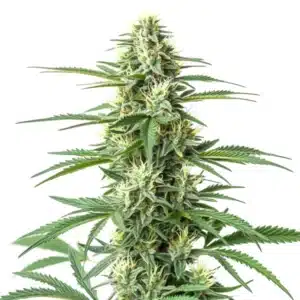
CBD Critical Mass (1:1)

|
CBD | 5% (Low) |

|
Type | CBD Feminized |

|
Yield | Medium |

|
Phenotype | 60% Indica / 40% Sativa |

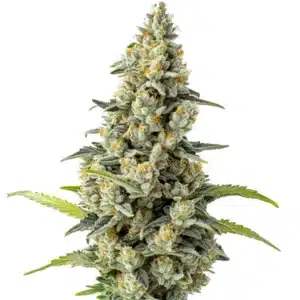
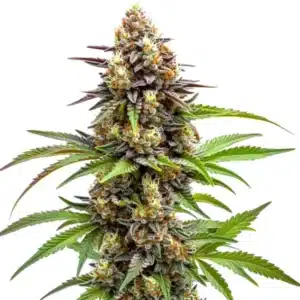
GG4

|
THC | 27% (High) |
|
|
Type | Feminized |
|
|
Yield | High |
|
|
Phenotype | 40% Indica / 60% Sativa |
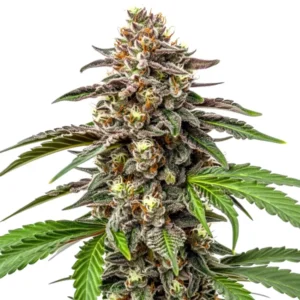
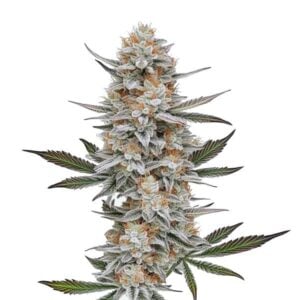
Take, for instance, the popular strain GG4 from Blimburn Seeds. This strain is known for its high THC content. If not cured properly, you risk losing some of that THC content, which is why curing is essential for maintaining its potency and ensuring cannabinoid stability during cannabis curing.
The Science Behind Curing Cannabis for Cannabinoid Stability
Curing involves storing cannabis in a controlled environment after drying, a process that answers the question does curing cannabis improve cannabinoid stability. This step is critical because it allows excess moisture to slowly evaporate while preserving cannabinoids. When done correctly, curing can substantially improve cannabinoid stability, helping your stash retain its potency and effects over time.
During the curing process, cannabis is typically stored in airtight containers. This step is vital because it prevents the oxidation of THC and other cannabinoids. Oxidation leads to the conversion of THC into CBN, which can change the psychoactive effects of the cannabis.
Maintaining cannabinoid stability during cannabis curing requires careful monitoring of environmental conditions. Factors such as light, temperature, and humidity must be controlled to prevent cannabinoid degradation. By curating these conditions, growers can ensure that the cannabinoids remain active and effective for longer periods.
Furthermore, the curing process is a protective measure against environmental stressors that could otherwise destabilize cannabinoids. By creating an optimal environment for curing, the cannabis not only retains its potency but also improves in quality over time, showcasing the true benefits of curing cannabis for cannabinoid preservation.
Promos & Deals

Benefits of Curing Cannabis for Cannabinoid Preservation
Properly cured cannabis not only maintains its cannabinoid profile but also enhances the overall experience. The benefits of curing cannabis for cannabinoid preservation are numerous, impacting both recreational and medicinal users positively.
For recreational users, strains like Blue Dream from Blimburn Seeds, which is famous for its balanced high, can lose its unique effects if not cured correctly. Curing helps maintain the intended experience by preserving the delicate balance of cannabinoids and terpenes.
Medicinal users may also find that properly cured cannabis offers more consistent therapeutic effects. This is due to the preservation of cannabinoids like CBD, which are crucial for managing symptoms such as pain and anxiety. Ensuring cannabinoid stability during cannabis curing enhances the medicinal value of each strain.
Moreover, curing cannabis effects on cannabinoid stability by providing a smoother, more refined product. This refinement not only enhances the flavor and aroma but also ensures a more enjoyable and effective experience, whether for recreational or medicinal purposes.
How the Curing Process Affects Cannabinoid Retention
Knowing how curing affects cannabinoid retention involves understanding does curing cannabis improve cannabinoid stability by managing key environmental conditions during the process. Light, heat, and oxygen are the primary enemies of cannabinoids, and by carefully controlling these factors, curing helps keep cannabinoids stable, potent, and effective over time.
The curing process affects cannabinoid retention by slowing down the degradation process. For instance, a strain like Critical Mass from Blimburn Seeds, known for its high CBD content, benefits significantly from curing. This process helps retain the CBD levels, ensuring the strain remains effective for therapeutic use.
Additionally, curing plays a critical role in how inactive cannabinoids are converted into active forms. This transformation is essential for unlocking the full potential of cannabis, making the curing process indispensable for achieving desired effects, whether psychoactive or therapeutic.
By knowing the nuances of how curing process affects cannabinoid retention, growers can tailor their techniques to enhance the overall quality and efficacy of their cannabis. This knowledge is especially valuable when dealing with strains that have specific cannabinoid profiles needing preservation.
Real-Life Examples of Curing Techniques
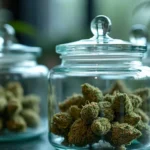
Many experienced growers have their own methods for curing cannabis. A common technique involves using mason jars, which are perfect for keeping out air and light. This ensures that the cannabinoids remain stable throughout the curing process.
Another popular method is the use of humidity packs. These are small packs that maintain the ideal humidity level inside the jar, preventing the buds from drying out too quickly or becoming moldy. This is especially useful for strains like GG4, where the cannabinoids are particularly sensitive to humidity changes.
In some regions, traditional curing methods are passed down through generations, reflecting a wealth of knowledge about cannabis curing and cannabinoid stability improvement. These techniques often involve specific container choices and environmental controls that have stood the test of time.
Experimentation with different curing methods can reveal new insights into does curing cannabis improve cannabinoid stability over time. By documenting outcomes and adjusting variables like humidity and temperature, growers can refine their approach to achieve optimal cannabinoid stability and retention.
FAQs About does curing cannabis improve cannabinoid stability
How long should cannabis be cured for optimal cannabinoid stability?
The curing process typically lasts anywhere from two weeks to two months. The ideal duration depends on the strain and the desired outcome. For instance, a strain like Blue Dream might require a longer curing period to fully develop its cannabinoid profile. Patience is key, as rushing the process can lead to less stable cannabinoids.
It’s important to check the buds regularly during curing. Open the jars every few days to allow fresh air to circulate and to check for any signs of mold. This step ensures that the curing process is going smoothly and that the cannabinoids remain stable.
The length of time required for curing can vary depending on environmental conditions and the specific characteristics of each strain. Monitoring these factors closely can help ensure that the curing process achieves the desired level of cannabinoid stability.
For growers looking to maximize the benefits of curing cannabis for cannabinoid preservation, knowing the specific needs of each strain is crucial. This knowledge allows for tailored curing processes that enhance the overall quality and consistency of the final product.
What is the best storage method after curing to maintain cannabinoid stability?
Once curing is complete, storing cannabis properly is crucial to maintaining cannabinoid stability. Keep the cannabis in airtight containers like glass jars, away from direct light and heat. This prevents the cannabinoids from degrading over time.
Additionally, consider using vacuum-sealed bags for long-term storage. This method removes air and reduces the risk of oxidation, further preserving the cannabinoids. When storing strains like Critical Mass, which are used for their therapeutic effects, maintaining cannabinoid stability is essential.
Investing in high-quality storage solutions can make a significant difference in the long-term preservation of cannabinoids. Using UV-resistant jars or containers can further protect the cannabis from light exposure, a common cause of cannabinoid degradation.
For growers and consumers alike, knowing how curing and storage practices influence cannabinoid stability is key to maximizing the benefits of cannabis. By implementing best practices for storage, the quality and potency of cannabis can be preserved for extended periods.
Does curing affect the taste and aroma of cannabis?
Yes, curing has a significant impact on the taste and aroma of cannabis. During the curing process, terpenes, the compounds responsible for the plant’s scent and flavor, are preserved. This results in a smoother, more flavorful smoke.
For example, a strain like GG4 benefits greatly from curing, as it enhances the diesel and earthy notes that the strain is known for. Proper curing ensures that the flavor profile remains intact, providing a more enjoyable experience.
The preservation of terpenes during curing not only maintains the flavor profile but also enhances the aromatic experience. This can lead to a more satisfying and memorable consumption experience, whether smoked or vaped.
The interplay between terpenes and cannabinoids is a vital aspect of the cannabis experience. Curing ensures that this relationship is preserved, allowing consumers to fully appreciate the complexity and depth of each strain’s unique profile.
Are there any risks of not curing cannabis properly?
Improper curing can lead to several issues, including the degradation of cannabinoids and loss of potency. Without curing, cannabis can become harsh to smoke and may develop mold, which poses health risks.
Additionally, strains with high THC content, like Blue Dream, can lose their potency if not cured correctly. This not only affects the psychoactive effects but can also diminish the therapeutic benefits of the cannabis.
Mold and mildew are common risks associated with inadequate curing, posing both health risks and affecting the quality of the cannabis. These issues can be avoided by adhering to best practices for curing and consistently monitoring environmental conditions.
The financial and qualitative losses resulting from improper curing are significant. By prioritizing proper curing techniques, growers can ensure the longevity, safety, and effectiveness of their cannabis products.
Why is humidity control crucial during the curing process?
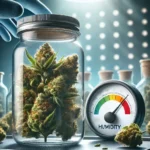
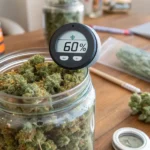
Humidity control is essential during curing because it helps prevent mold growth and ensures a slow, even drying process. The ideal humidity range is between 55-65%. This range allows the cannabinoids to stabilize without the risk of mold.
Using humidity packs can help maintain the right levels inside the curing jars. This is particularly important for maintaining cannabinoid stability during cannabis curing, as excess moisture can lead to degradation, affecting both the potency and safety of the cannabis.
Humidity control is a balancing act that requires precision and attentiveness. Too much moisture can lead to mold, while too little can dry out the cannabis, leading to a loss of potency and flavor. Humidity packs or digital hygrometers can be invaluable tools in managing this aspect of the curing process.
By knowing the critical function of humidity control in curing cannabis, growers can better manage the environmental factors that contribute to cannabinoid preservation. This knowledge is essential for producing high-quality cannabis that maintains its intended effects and benefits.