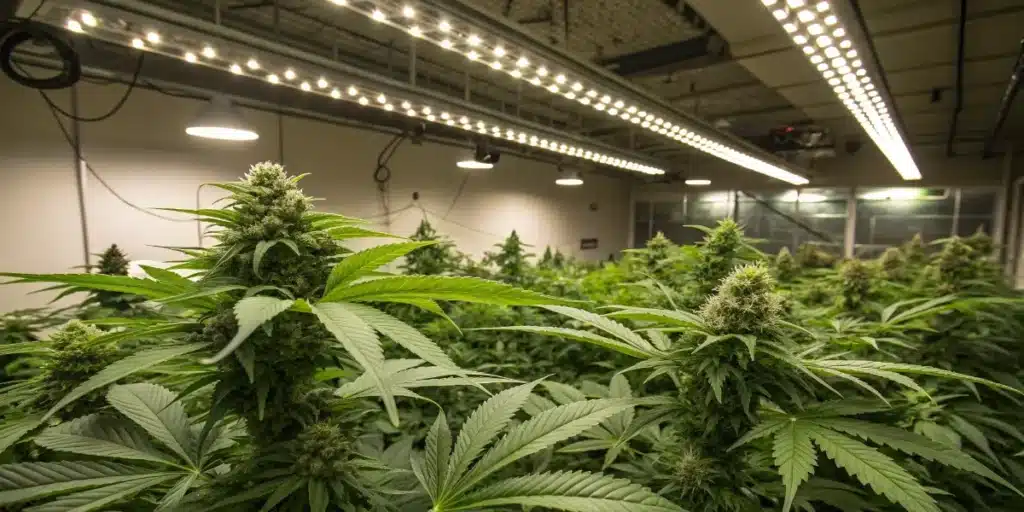
When to Increase Light Intensity in Flowering for Optimal Yield

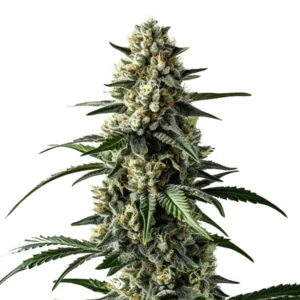
Optimal light intensity timing: Increasing light intensity during the flowering stage is essential for maximizing cannabis yield and quality. Growers often boost light levels around the third week of flowering when plants show increased bud development. Experienced cultivators report that optimizing light intensity can enhance THC production by up to 20%, particularly in strains like GG4.
During the flowering phase, cannabis plants undergo significant changes that require precise light management. Terpenes like myrcene and caryophyllene play a crucial role in aroma and flavor development, with flowering times typically ranging from 8 to 10 weeks. Master growers emphasize that the optimal light intensity can significantly enhance the quality and yield of strains such as GG4.
Recommended Strains
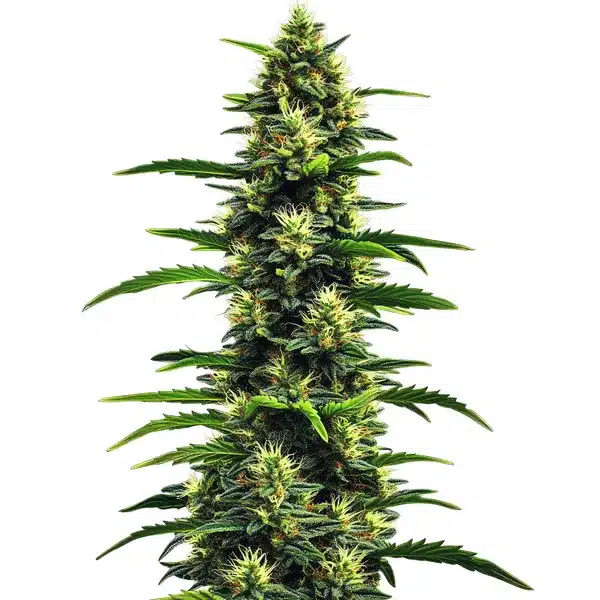
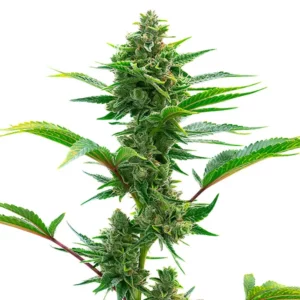
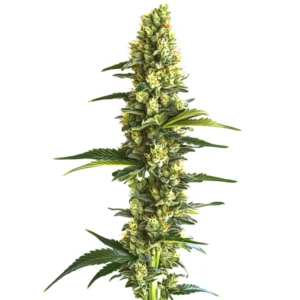
Gushers

|
THC | 22% - 25% (High) |

|
Type | Feminized |

|
Yield | Medium |

|
Phenotype | 60% Indica / 40% Sativa |
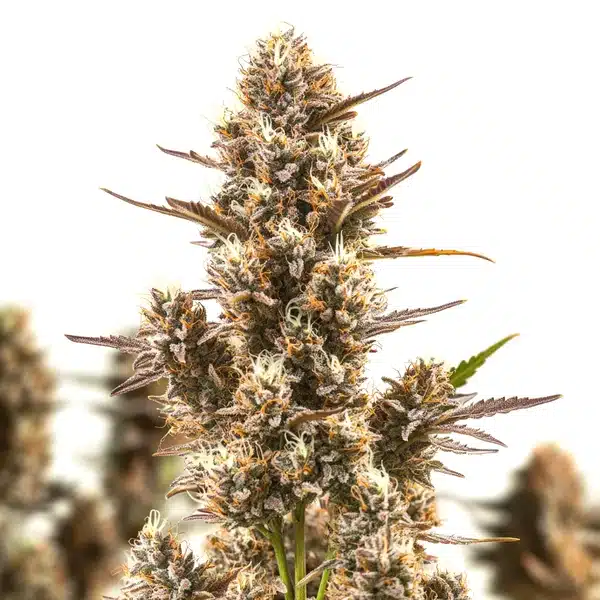
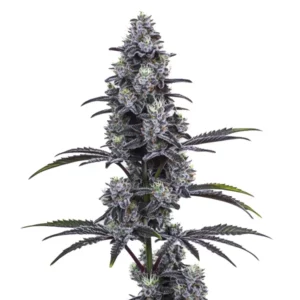
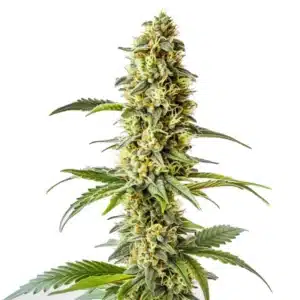
Blue Zushi
|
|
THC | 25% - 30% (High) |
|
|
Type | Feminized |
|
|
Yield | High |
|
|
Phenotype | 60% Indica / 40% Sativa |
Light Intensity in Flowering
Importance of Light Intensity for Cannabis Growth
Light intensity directly influences the photosynthetic process, impacting the plant’s ability to produce energy and grow. During the flowering stage, cannabis plants require increased light intensity to support bud development and resin production. A light intensity of 800-1000 µmol/m²/s is ideal for maximizing photosynthesis without causing light stress.
Experienced growers note that seeds respond differently to light intensity, with some strains like GG4 showing enhanced resin production under optimal conditions. A grow light intensity chart can help in determining the right levels for each growth stage, ensuring plants receive the appropriate amount of light.
When to Increase Light Intensity in Flowering
The transition to flowering marks a critical period for light adjustment. Many cultivators on forums like Reddit suggest increasing light intensity around the third week of flowering, as plants exhibit signs of vigorous bud growth. This timing aligns with the plant’s natural cycle, promoting robust flower development.
Indoor growers often face the challenge of balancing light intensity with heat management. It’s crucial to monitor environmental factors like temperature and humidity, which should remain between 68°F – 77°F (20°C – 25°C) and 40-50% RH, respectively, to prevent stress and optimize growth.
Promos & Deals
Adjusting Light Intensity for Different Cannabis Types
Photoperiod vs Autoflower: Key Differences
Photoperiod strains, such as those offered by Blimburn Seeds, require a change in light schedule to trigger flowering, typically a 12/12 light cycle. Autoflowering strains, however, transition based on age rather than light, making them more flexible but also requiring consistent light intensity.
When increasing light intensity in flowering autoflower strains, it’s essential to maintain a steady 18/6 light schedule. This consistency ensures that autoflowers receive enough light to maximize yield without the risk of light stress, which can be detrimental to their compact growth structure.
When to Increase Light Intensity in Flowering Indoor
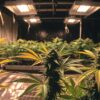
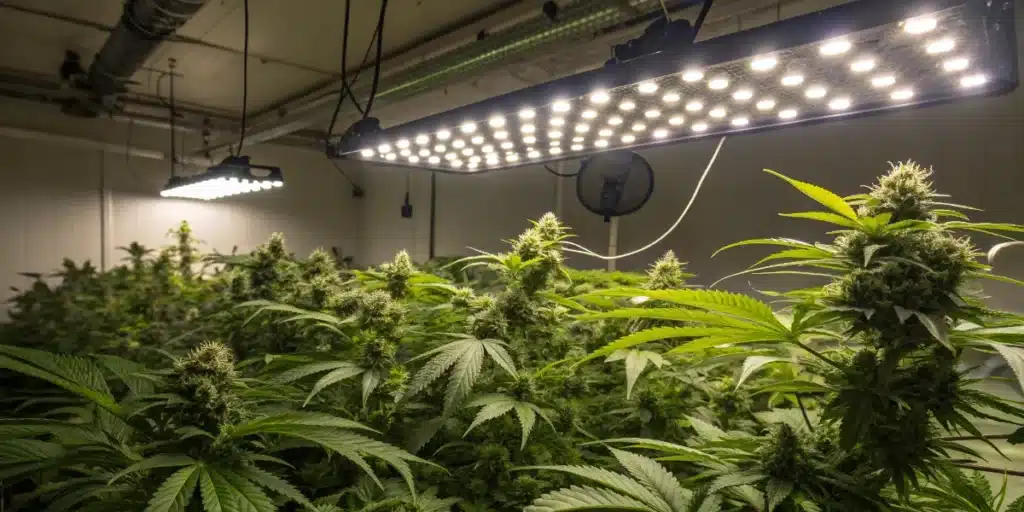
Indoor cultivation offers precise control over light conditions, allowing growers to fine-tune intensity for optimal results. Increasing light intensity in flowering indoor setups should be done gradually to acclimate plants and prevent shock. A gradual increase over a week can help plants adjust, promoting healthy growth.
Utilizing LED grow lights during this phase is beneficial due to their efficiency and low heat output. LED light intensity during flower should be adjusted to match the plant’s needs, ensuring that the spectrum and intensity are optimized for resin and terpene production.
Best Practices for Using LED Lights During Flowering
Advantages of LED Lights for Cannabis
LED lights offer several advantages, including energy efficiency, longevity, and customizable light spectra. These features make them ideal for cannabis cultivation, particularly during the flowering stage when specific light wavelengths can enhance THC and terpene production.
Master growers recommend using full-spectrum LEDs to mimic natural sunlight, providing plants with the necessary red and blue wavelengths. This setup supports robust flower development and can increase yields by up to 30% compared to traditional lighting systems.
LED Light Intensity During Flower
Adjusting LED light intensity during flower is crucial for maximizing bud size and potency. A common practice is to increase intensity to 1000 µmol/m²/s during peak flowering, ensuring that plants receive ample light for photosynthesis without risk of light burn.
Reducing light intensity at the end of flowering can mimic natural seasonal changes, signaling plants to focus energy on resin production. This technique can enhance the potency and flavor profile of strains like GG4, resulting in a more aromatic and potent harvest.
Reducing Light Intensity at the End of Flowering
Preparing for Harvest: Final Light Adjustments
As harvest approaches, reducing light intensity can help plants allocate resources to resin and terpene production. This practice, known as “flushing,” involves lowering light levels to around 600 µmol/m²/s, encouraging plants to finish strong.
Experienced cultivators highlight the importance of this technique for enhancing the final product’s quality. By reducing stress and promoting resin development, growers can achieve a more flavorful and potent yield, particularly in high-THC strains like GG4.
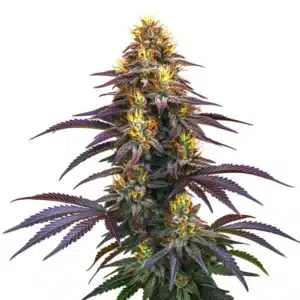
| Feature | GG4 | Blue Zushi | Gushers |
|---|---|---|---|
| THC Content | 27% | 25-30% | 22-25% |
| Dominant Terpene | Humulene | Limonene | Myrcene |
| Flowering Time | 8-10 weeks | 8-9 weeks | 8-10 weeks |
| Yield Outdoor | 24.69 – 28.22 oz/plant | 28.22 – 35.27 oz/plant | 17.64 – 19.4 oz/plant |
| Effect | Happy, Relaxed, Talkative | Euphoric, Tingly, Relaxed | Happy, Relaxed, Uplifted |
Professional Tips for Light Management
- Maintain 800-1000 µmol/m²/s during peak flowering to maximize photosynthesis and bud growth.
- Gradually increase light intensity over a week to prevent plant shock and optimize growth.
- Use full-spectrum LEDs to provide essential wavelengths for resin and terpene production.
- Reduce light intensity to 600 µmol/m²/s at the end of flowering to enhance resin development.
- Monitor temperature and humidity closely, keeping them at 68°F – 77°F (20°C – 25°C) and 40-50% RH.
- Ensure proper airflow and ventilation to prevent heat stress and maintain optimal growing conditions.
FAQs on Light Intensity During Flowering
When should I turn my grow light to 100 percent?
Turn your grow light to 100 percent intensity around the third week of flowering when plants start vigorous bud development. This timing helps maximize photosynthesis and bud growth. Ensure the light intensity is within the optimal range of 800-1000 µmol/m²/s to avoid light stress.
How do you tell if grow lights are too strong?
Signs of excessive grow light intensity include leaf burn, bleaching, and upward curling of leaves. If you notice these symptoms, reduce light intensity or increase the distance between the lights and the canopy. Maintaining light intensity within 800-1000 µmol/m²/s helps prevent these issues.
What week do buds fatten the most?
Buds typically fatten the most between weeks 6 and 8 of flowering. During this period, plants focus on bud development and resin production. Ensure optimal light intensity and nutrient levels to support this critical growth phase and maximize yield.
What should week 3 of flowering look like?
In week 3 of flowering, you should see the formation of small buds and increased pistil development. Plants will exhibit vigorous growth as they transition into full flowering. Adjust light intensity to 800-1000 µmol/m²/s to support this growth and prepare for the upcoming bud fattening phase.
What is the best light spectrum for flowering?
The best light spectrum for flowering includes a combination of red and blue wavelengths. Red light (around 660 nm) promotes flowering and bud development, while blue light (around 450 nm) supports healthy leaf growth. Full-spectrum LEDs provide these wavelengths, enhancing overall plant health and yield.