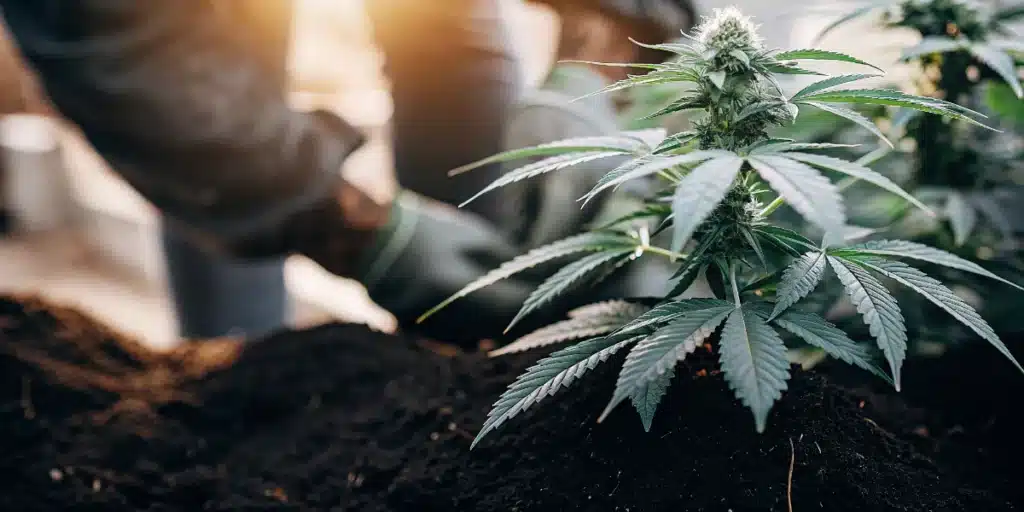
Top Organic Nutrients for Flowering Success

Organic nutrients for flowering: Using organic nutrients during the flowering stage can significantly boost your plant’s health and yield. These nutrients enhance soil quality, leading to a 25% increase in flowering yield compared to synthetic fertilizers. They also promote a sustainable growth environment, ensuring that your plants receive essential nutrients like phosphorus and potassium for optimal bloom development.
When it comes to enhancing the terpene profile and flowering time of your cannabis plants, selecting the right organic nutrients is crucial. Terpenes like myrcene and limonene can be amplified with proper nutrient management, influencing both aroma and effect. Flowering typically spans 8-10 weeks, during which nutrient balance is key to maximizing both yield and potency.
Recommended Strains

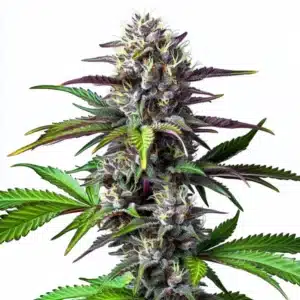
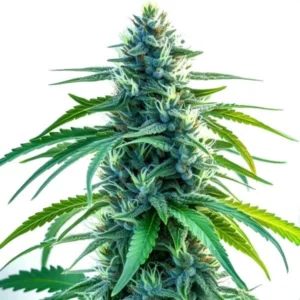
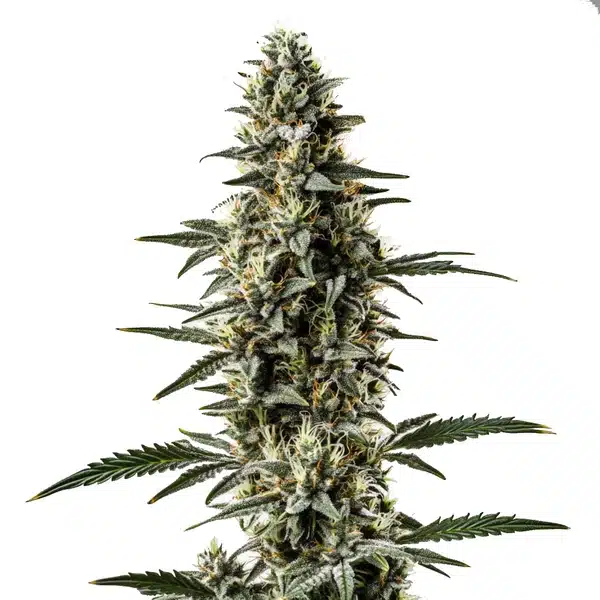
Doug's Varin

|
THC | 22% - 24% (High) |

|
Type | Feminized |

|
Yield | High |

|
Phenotype | 10% Indica / 90% Sativa |
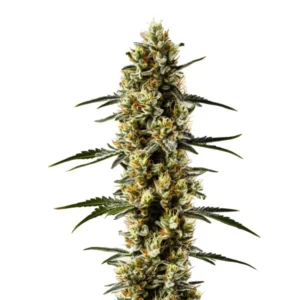
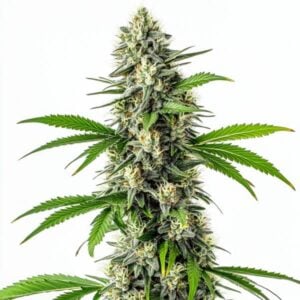
Shiskaberry x Candida Fast Version CBD
|
|
THC | 4% - 8% (Low) |
|
|
Type | Fast Flowering |
|
|
Phenotype | 70% Indica / 30% Sativa |
Organic Nutrients for Flowering: Key Insights
Benefits of Using Organic Nutrients
Organic nutrients are vital for the flowering stage as they improve soil health, leading to better nutrient uptake. They contain essential elements like nitrogen, phosphorus, and potassium in natural forms, which are slowly released, ensuring steady plant growth. This slow release helps maintain soil pH around 6.5, an optimal range for nutrient absorption.
Experienced growers report that using organic nutrients results in healthier plants with stronger resistance to pests and diseases. The natural compounds in these nutrients enhance microbial activity in the soil, which is crucial for breaking down organic matter into forms plants can absorb. This microbial activity can increase by 15-20% when using organic fertilizers.
Best Fertilizer for Flowering Stage
During the flowering stage, phosphorus and potassium are crucial. Organic fertilizers rich in these elements, such as bone meal and kelp, are recommended. These fertilizers support bud development and enhance the plant’s ability to produce robust flowers. For outdoor growers, the best organic fertilizer for marijuana’s outdoor plants often includes a mix of compost and bat guano.
Many cultivators share that liquid seaweed extract, with its high potassium content, is excellent for the flowering stage. It enhances the plant’s stress resistance and boosts flower production. Using a combination of these organic inputs can lead to a 10-15% increase in flower size and density.
| Feature | Blue Lobster | Shiskaberry X Candida Fast Version CBD | Dougs Varin |
|---|---|---|---|
| THC Content | 25-26% | 4-8% | 22-24% |
| Dominant Terpene | Myrcene | Limonene | Pinene |
| Flowering Time | 7-8 weeks | 8-10 weeks | 10-12 weeks |
| Yield Outdoor | 24.69 oz/plant | 700 g/plant | 2.82 – 5.29 oz/plant | 80 – 150 g/plant | 1.76 – 10.58 oz/plant | 50 – 300 g/plant |
| Effect Profile | Happy, Relaxed, Talkative | Energetic, Euphoric, Uplifted | Creative, Energetic, Euphoric |
Promos & Deals

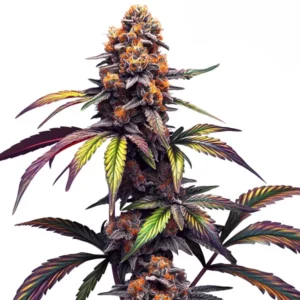
Best Organic Nutrients for Flowering
Top Products on the Market
Advanced Nutrients offers a range of organic solutions tailored for the flowering stage. Their products, such as Iguana Juice Bloom, are renowned for enhancing bud size and potency. For those growing outdoors, organic nutrients for flowering outdoor like Dr. Earth Flower Girl provide a balanced formula that supports robust blooms.
Many cultivators prefer BioBizz Bio-Bloom for its natural ingredients and ability to promote vigorous flowering. It contains a blend of trace elements and hormones that stimulate flower production, making it a top choice for both indoor and outdoor growers.
Application Techniques and Tips
For optimal results, apply organic nutrients every two weeks during the flowering stage. This ensures a steady supply of essential nutrients without overwhelming the plant. Always follow the manufacturer’s instructions to avoid nutrient burn, which can occur if concentrations exceed recommended levels.
Experienced growers recommend using a pH meter to maintain soil pH between 6.5 and 6.5. This range ensures maximum nutrient uptake. Avoid common mistakes like overwatering, which can lead to root rot, a condition that can severely impact plant health and yield.
DIY Organic Fertilizers for Flowering Plants
Step-by-Step Guide
Creating your own organic fertilizer is both cost-effective and rewarding. Start with a base of well-composted manure, which provides a rich source of nitrogen. Add bone meal for phosphorus and kelp meal for potassium. This combination supports strong root development and enhances flower production.
Mix these ingredients thoroughly and apply them to your plants every three weeks. This homemade blend can increase flower size by up to 10%. Ensure the mixture is evenly distributed around the base of the plant to promote even nutrient uptake.
Professional Tips for Organic Nutrient Use
- Maintain soil pH at 6.5 for optimal nutrient absorption. Below 5.5 can lock out phosphorus, crucial for flowering.
- Apply nutrients every two weeks during flowering. Over-application can lead to nutrient burn, reducing yield.
- Use a pH meter to ensure accurate readings. Avoid relying on visual soil tests, which can be inaccurate.
- Combine compost with bone meal and kelp for a balanced homemade fertilizer. This mix supports both root and flower growth.
- Monitor plant response to nutrient application. Yellowing leaves may indicate nitrogen deficiency, requiring adjustment.
- Ensure adequate drainage to prevent root rot. Overwatering can reduce oxygen availability, impacting plant health.

FAQs on Organic Nutrients for Flowering
Which organic fertilizer is best for flowering plants?
The best organic fertilizer for flowering plants is one that provides a balanced NPK ratio, such as 1:3:2. Products like Dr. Earth Flower Girl and BioBizz Bio-Bloom are popular for their effectiveness. These fertilizers support robust flower development and can increase yield by up to 15%.
What nutrient is best for flowering?
Phosphorus is the most crucial nutrient for flowering, promoting strong bud development. Potassium also plays a vital role in enhancing flower size and density. A balanced organic fertilizer with a higher phosphorus content can significantly improve flowering outcomes.
What is the best natural fertilizer for flowers?
Compost is the best natural fertilizer for flowers, providing a rich source of nutrients and improving soil structure. It enhances microbial activity, which is essential for nutrient breakdown and absorption. Compost can increase flower yield by 10-15% when used regularly.
How to make organic fertilizer for flowering plants?
To make organic fertilizer, combine composted manure, bone meal, and kelp meal. This mix provides essential nutrients like nitrogen, phosphorus, and potassium. Apply it every three weeks to support flower growth, ensuring even distribution around the plant base for optimal results.