Organic vs Synthetic Nutrients: Impact on Cannabis VOCs

Impact of Nutrients on Cannabis VOCs: The choice between organic and synthetic nutrients significantly affects cannabis volatile organic compounds (VOCs), especially when analyzing the organic vs synthetic nutrients impact on cannabis VOCs. Organic nutrients often enhance the terpene profile, leading to richer aromas, while synthetic options provide precise nutrient control. Experienced growers report that organic-fed cannabis can have up to 15% higher terpene concentrations, impacting both aroma and potential therapeutic effects.
The influence of nutrients on cannabis VOCs is pivotal for cultivators seeking optimal aroma and flavor. Organic nutrients are known to enrich terpene profiles, enhancing the plant’s natural scent, while synthetic nutrients offer exact nutrient delivery. Notably, organic methods can increase terpene concentrations by 15%, providing a distinct aromatic advantage over synthetic approaches.
Recommended Strains

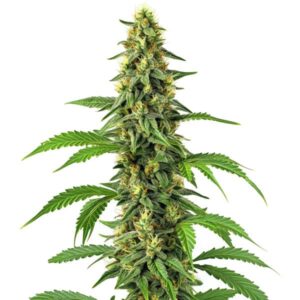
GG4

|
THC | 27% (High) |

|
Type | Feminized |

|
Yield | High |

|
Phenotype | 40% Indica / 60% Sativa |
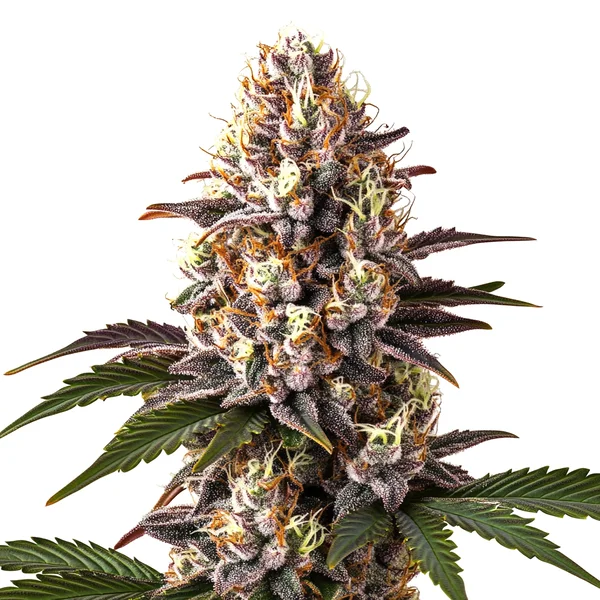
Blue Widow
|
|
THC | 12% - 17% (Medium) |
|
|
Type | Feminized |
|
|
Yield | High |
|
|
Phenotype | 60% Indica / 40% Sativa |
Cannabis Nutrients Overview
Organic Nutrients and Their Role
Organic nutrients are derived from natural sources such as compost, bone meal, and fish emulsion. When analyzing the organic vs synthetic nutrients impact on cannabis VOCs, organic feeding methods are often associated with enhanced soil health and increased microbial activity, which can lead to improved plant vigor. The slow-release nature of organic fertilizers ensures a steady supply of nutrients, promoting robust growth and a richer terpene and VOC profile.
Experienced growers report that using organic nutrients can lead to a 10-15% increase in terpene production, contributing to a more complex aroma. This is due to the enhanced microbial activity in the soil, which aids in nutrient absorption and terpene synthesis.
Synthetic Nutrients and Their Function
Synthetic nutrients are formulated to provide precise nutrient ratios, allowing growers to tailor feeding schedules to the plant’s specific needs. This precision can lead to increased yields and faster growth rates. However, the impact on terpene profiles can be less pronounced compared to organic methods.
Many cultivators share that synthetic nutrients can lead to a 20% increase in yield due to their targeted delivery. However, this often comes at the cost of terpene complexity, as the rapid nutrient uptake can sometimes overshadow the natural development of aromatic compounds.
Promos & Deals



Volatile Organic Compounds (VOCs) in Cannabis
What Are VOCs?
Volatile Organic Compounds (VOCs) are organic chemicals that have a high vapor pressure at room temperature. In cannabis, these compounds are primarily responsible for the plant’s aroma and flavor. Terpenes, a type of VOC, are the most notable, with over 100 different types found in cannabis, each contributing to the plant’s unique scent profile.
In cannabis cultivation, VOCs are not only important for aroma but also for their potential therapeutic effects. For instance, myrcene, a common terpene, is known for its earthy aroma and ability to enhance THC uptake through the blood-brain barrier.
Importance of VOCs in Cannabis
VOCs play a crucial role in the sensory experience of cannabis. They contribute to the plant’s aroma, flavor, and potential therapeutic benefits. The presence and concentration of specific VOCs can significantly influence the overall quality and consumer preference of cannabis products.
Master growers have pointed out that maintaining optimal VOC levels can enhance the user experience by providing a richer and more complex aroma profile. This is particularly important for strains like GG4, known for its potent aroma and high terpene content.
Organic Nutrients and Their Impact on Cannabis VOCs
Benefits of Organic Nutrients
Organic nutrients are celebrated for their ability to enhance the natural flavors and aromas of cannabis. In discussions about the organic vs synthetic nutrients impact on cannabis VOCs, organic feeding methods are often preferred because they improve soil health and microbial diversity, helping facilitate the production of terpenes and other VOCs. This results in a more aromatic and flavorful product, which is highly sought after by consumers.
In artisanal cultivation circles, it is noted that organic-fed plants can exhibit a 15-20% increase in terpene concentration, leading to a more robust and appealing aroma. This is due to the natural breakdown of organic matter, which releases nutrients slowly and steadily.
Challenges of Using Organic Nutrients
Despite their benefits, organic nutrients come with challenges. They can be less predictable in terms of nutrient delivery, requiring careful monitoring and management to avoid deficiencies. Additionally, organic fertilizers can attract pests if not properly managed.
Many cultivators share that maintaining a balanced nutrient profile with organic methods can be challenging, as it requires a deep knowing of soil biology and plant needs. However, the reward is often a superior terpene profile and a more sustainable cultivation practice.
Synthetic Nutrients and Their Impact on Cannabis VOCs
Advantages of Synthetic Nutrients
Synthetic nutrients offer precision and control, allowing growers to optimize plant growth and yield. They are formulated to provide exact nutrient ratios, which can lead to faster growth and larger harvests. This precision is particularly beneficial in commercial operations where consistency and efficiency are paramount.
Experienced growers report that synthetic nutrients can increase yields by 20-25%, making them a popular choice for high-volume production. However, the trade-off is often a less complex terpene profile, as the rapid nutrient uptake can overshadow natural terpene development.
Potential Drawbacks of Synthetic Nutrients
While synthetic nutrients offer control and efficiency, they can also lead to nutrient lockout and soil degradation over time. The high salt content in synthetic fertilizers can accumulate in the soil, affecting its health and microbial activity.
Master growers have pointed out that over-reliance on synthetic nutrients can result in a 10-15% decrease in terpene complexity, as the focus shifts towards maximizing yield rather than enhancing aroma and flavor. This highlights the importance of balancing nutrient delivery with terpene development.
Comparative Analysis: Organic vs Synthetic Nutrients
Insights from Cultivation Practices
When analyzing the organic vs synthetic nutrients impact on cannabis VOCs, it becomes clear that each approach offers different advantages. Organic methods often lead to richer terpene profiles and more complex aromas, while synthetic approaches tend to prioritize yield and faster growth rates. This trade-off is evident in various cultivation scenarios, where the choice of nutrients can significantly influence the final product’s quality, flavor, and overall VOC expression.
Many cultivators share that organic-fed cannabis can have a 15-20% higher terpene concentration, enhancing aroma and flavor. In contrast, synthetic nutrients can increase yield by 20-25%, making them ideal for commercial operations focused on volume.

Professional Tips for Optimizing Cannabis VOCs
- Maintain soil pH between 6.0-6.5 for optimal nutrient uptake. A pH outside this range can lead to nutrient lockout, affecting terpene production.
- Ensure consistent watering schedules. Overwatering can drown roots, reducing oxygen availability and impacting VOC synthesis.
- Use a light schedule of 18/6 during vegetative growth to maximize energy for terpene biosynthesis.
- Maintain 58-62% RH during curing. This range preserves terpenes while preventing mold growth.
- Apply a N:P:K ratio of 1:3:2 during flowering to support terpene development alongside bud growth.
- Monitor and adjust EC levels to 1.2-1.6 mS/cm to ensure balanced nutrient availability for terpene enhancement.
FAQs about organic vs synthetic nutrients impact on cannabis VOCs
Is organic fertilizer better than synthetic for cannabis?
Organic fertilizers are often preferred for cannabis due to their ability to enhance terpene profiles, resulting in richer aromas. They promote soil health and microbial activity, which can lead to a 15-20% increase in terpene concentration. However, they require more management compared to synthetic options.
Is organic cannabis healthier?
Organic cannabis is considered healthier due to its natural cultivation methods, which avoid synthetic chemicals. This approach can increase terpene levels by 15%, enhancing both aroma and potential therapeutic effects. However, it demands careful nutrient management to avoid deficiencies.
Does cannabis emit VOCs?
Yes, cannabis emits VOCs, primarily in the form of terpenes. These compounds are responsible for the plant’s distinct aroma and can vary in concentration based on cultivation methods. Organic nutrients can enhance VOC production by up to 15%, contributing to a richer scent profile.
What is the disadvantage of using organic fertilizer?
Organic fertilizers can be unpredictable, requiring careful monitoring to avoid nutrient deficiencies. They can also attract pests if not managed properly. Despite these challenges, they enhance terpene profiles, increasing aroma complexity by 15-20% compared to synthetic alternatives.
How do synthetic nutrients affect cannabis VOCs?
Synthetic nutrients provide precise control over nutrient delivery, which can increase yields by 20-25%. However, this precision can sometimes overshadow terpene development, leading to a less complex aroma profile. Balancing nutrient delivery with terpene enhancement is crucial for optimal results.