Sweet Candy Cannabis Aroma VOCs Explained

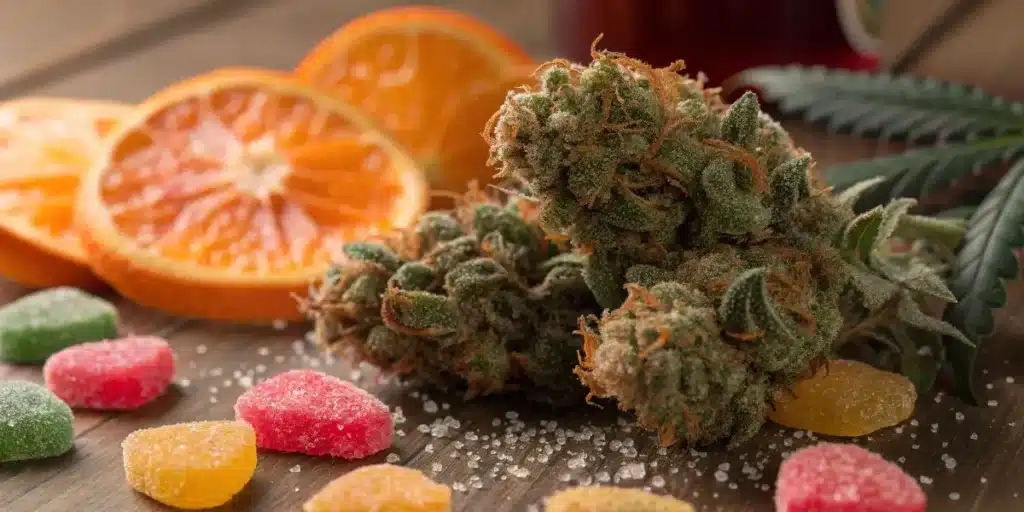
In the world of cannabis, the sweet candy cannabis aroma VOCs are a highly sought-after trait, largely due to the presence of specific volatile organic compounds. These compounds, including terpenes like myrcene and esters, contribute to the complex scent profile of many strains. Knowing the chemistry behind these aromas can enhance cultivation techniques and improve the overall sensory experience.
What are VOCs in Cannabis?
How VOCs Affect Cannabis Aroma
Volatile organic compounds (VOCs) in cannabis are responsible for the plant’s distinct aromas. These compounds, primarily terpenes and esters, evaporate easily, releasing scents that range from earthy to sweet. For instance, myrcene, which can be present in concentrations of 0.5-1.5%, imparts a musky, sweet scent, enhancing the overall aroma profile of strains like Sweet Candy.
Recommended Strains

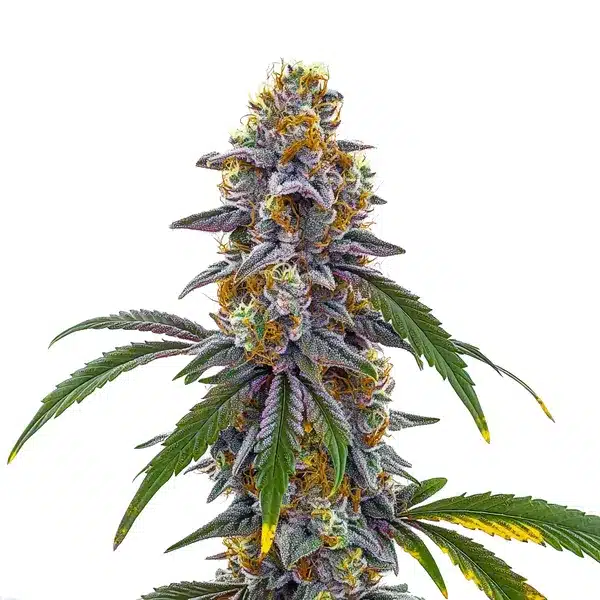
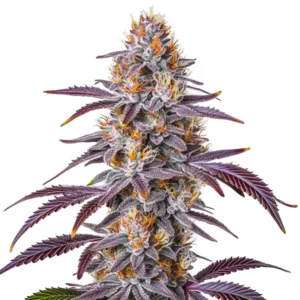
Sweet Zombie

|
THC | 20% - 25% (High) |

|
Type | Feminized |

|
Yield | High |

|
Phenotype | 80% Indica / 20% Sativa |
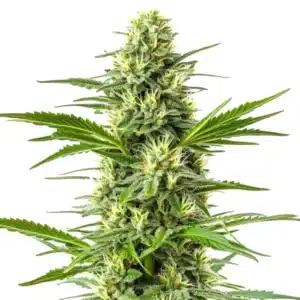
Candyland
|
|
THC | 18% - 20% (Medium) |
|
|
Type | Feminized |
|
|
Yield | High |
|
|
Phenotype | 30% Indica / 70% Sativa |
VOCs also play a crucial role in the plant’s defense mechanisms, attracting pollinators and repelling pests. The concentration and combination of these compounds determine the unique scent of each strain. Experienced growers often manipulate environmental factors such as temperature and humidity to optimize VOC production, thereby intensifying the desired aroma.
The Chemistry Behind Sweet Candy Aromas
The sweet candy aroma in cannabis is primarily due to specific terpenes and esters. Limonene, for example, contributes a citrusy sweetness, while linalool adds floral notes. These compounds can be present in concentrations ranging from 0.3% to 1.0%. Together, they create a complex, candy-like scent profile that is both enticing and memorable.
Besides to terpenes, esters such as ethyl acetate contribute to the sweet aroma. These esters are often found in tropical fruit strains, which share similar VOC profiles. The interplay of these compounds not only affects the aroma but also enhances the overall sensory experience, making certain strains stand out for their sweet, candy-like scent.
Optimizing Environmental Conditions for VOCs
Master growers have communicated that optimal environmental conditions are crucial for enhancing VOC production. During the vegetative phase, maintaining a relative humidity (RH) of 60% to 70% is ideal, while in the flowering phase, reducing RH to 40% to 50% helps prevent bud rot and enhances aroma. Temperature should be kept between 20°C and 25°C during the day, with a night drop of 8°C to 11°C to mimic natural conditions.
Proper lighting is also essential. Full-spectrum LED lights that mimic natural sunlight are recommended. These lights should provide 800-1000 µmol/m²/s to ensure robust terpene development. Consistent airflow is necessary to prevent mold and maintain the integrity of the aroma.
Promos & Deals
Strains Known for Sweet Candy Aromas
Popular Sweet Candy Strains on Allbud and Leafly
According to Allbud, the Candyland strain is known for its delightful aroma, combining sweet and fruity notes that captivate the senses. This strain is often favored for its high THC content, which can reach up to 26%, making it a potent choice for experienced users.
Leafly describes several candy strains that captivate with their sweet aromas, including the Sweet Zombie strain, which is highlighted for its unique blend of sweet and earthy scents. These strains are popular among users seeking a flavorful and aromatic experience.
Professional Tips for Enhancing Sweet Candy Aromas
- Maintain 58-62% RH during curing to preserve terpene profiles. Below 55% can reduce aroma intensity.
- Use full-spectrum LED lights for optimal terpene production, maintaining 800-1000 µmol/m²/s.
- Ensure consistent airflow to prevent mold, which can diminish aroma quality.
- Avoid over-fertilization; excess nitrogen can suppress terpene development.
- Harvest at peak maturity to capture the full spectrum of VOCs, enhancing aroma.
- Store cannabis in airtight containers at 59-70°F (15-21°C) to maintain aroma integrity.
FAQs about sweet candy cannabis aroma VOCs
Does cannabis emit VOCs?
Yes, cannabis emits volatile organic compounds (VOCs), which are responsible for its distinct aromas. These compounds include terpenes and esters, which can vary in concentration from 0.5% to 2.0% depending on the strain and cultivation conditions.
What are the effects of candy fumes?
The sweet candy aromas in cannabis can enhance the user experience by providing a pleasant and enticing scent. While the aroma itself does not induce effects, it can complement the strain’s overall profile, which may include uplifting or relaxing effects depending on the specific strain.
What strain is sweet candy?
Sweet Candy is a strain known for its sugary, fruity aroma and high THC content, typically ranging from 22% to 26%. It is popular among users seeking a potent and flavorful experience. This strain is often highlighted on platforms like Allbud and Leafly for its unique scent profile.
What are the effects of candy candy strain?
The Candy Candy strain is renowned for its sweet aroma and balanced effects. Users often report a relaxing and calming experience, with THC levels ranging from 18% to 22%. Its terpene profile, including linalool and myrcene, contributes to its soothing effects.
How do sweet candy aromas in cannabis affect the user experience?
Sweet candy aromas enhance the sensory experience by providing a pleasant scent that complements the strain’s effects. These aromas can make the consumption experience more enjoyable, especially when combined with high THC levels, which can range from 20% to 26% in candy strains.