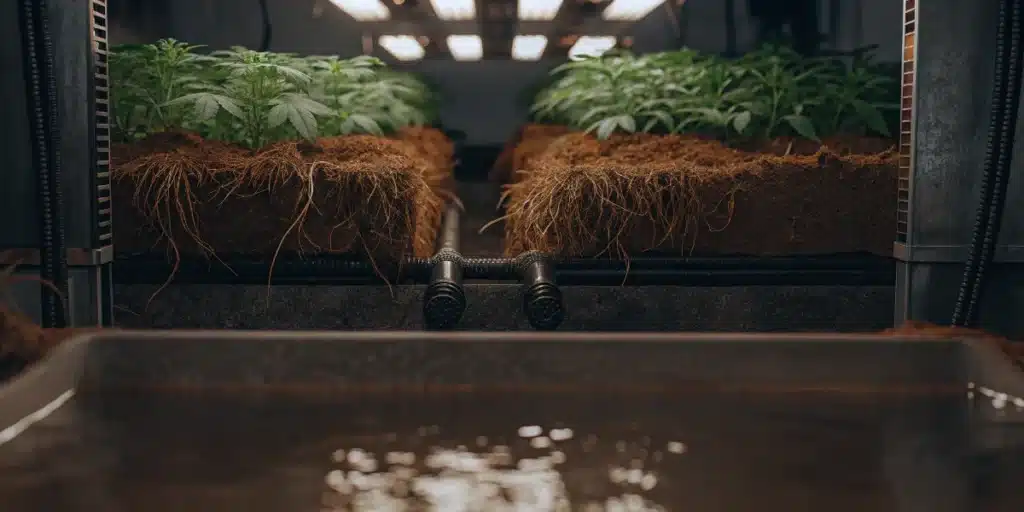
Nutrient Film Technique Hydroponics: Setup & Benefits

Nutrient Film Technique Hydroponics: This method involves a shallow, continuous stream of nutrient solution flowing over plant roots, ensuring optimal oxygen and nutrient delivery. It’s highly efficient for fast-growing, shallow-rooted crops like lettuce and herbs. The system’s design balances water, nutrients, and oxygen, making it ideal for maximizing growth rates and minimizing resource use.
Nutrient Film Technique Hydroponics offers a streamlined approach to growing, utilizing a thin nutrient solution film to nourish plant roots. This method is favored for its efficiency and ability to boost growth rates by up to 30% over traditional soil methods. The system’s simplicity and effectiveness make it a popular choice for growers looking to optimize their yield.
Recommended Strains
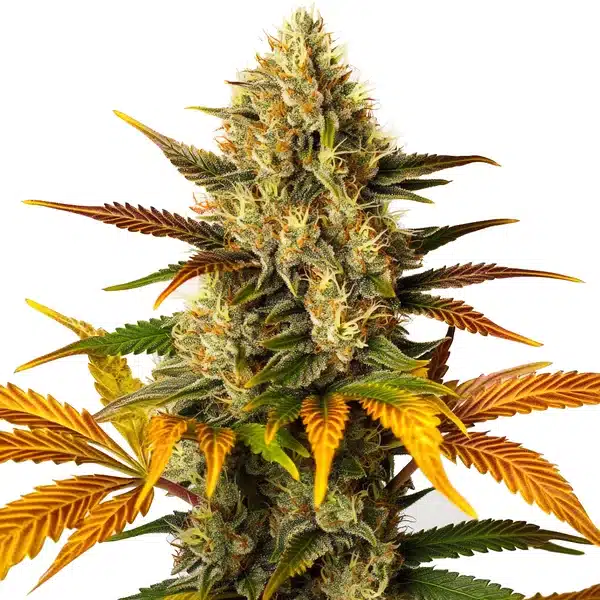
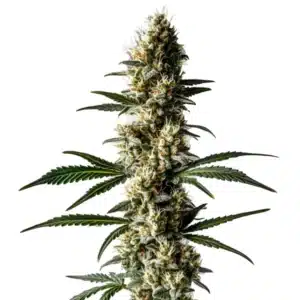
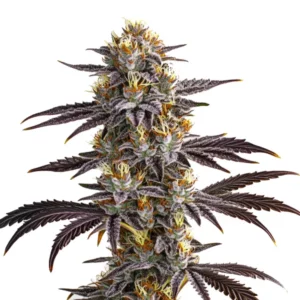
Lemon Tree x Z OG

|
THC | 26% - 30% (High) |

|
Type | Feminized |

|
Yield | High |

|
Phenotype | 40% Indica / 60% Sativa |

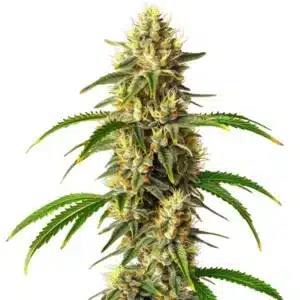
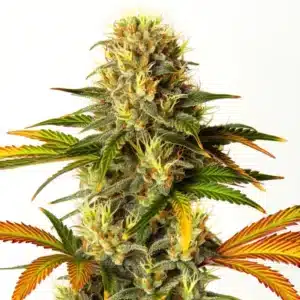
Blue OG Regular
|
|
THC | 20% - 25% (High) |
|
|
Type | Regular |
|
|
Yield | High |
|
|
Phenotype | 60% Indica / 40% Sativa |
What is Nutrient Film Technique Hydroponics?
Basic Principles of NFT
The Nutrient Film Technique (NFT) is a hydroponic system where a thin film of nutrient-rich water flows over the roots of plants. This method allows for efficient nutrient uptake and oxygenation, crucial for plant health. The roots are exposed to air, which enhances oxygen absorption, a critical factor for root respiration and growth.
In NFT systems, the nutrient solution is continuously recirculated, maintaining a consistent flow rate of approximately 1-2 liters per minute. This ensures that plants receive a steady supply of nutrients and water, optimizing growth conditions. The system’s design minimizes water usage, making it an eco-friendly option for sustainable cultivation.
Nutrient Film Technique System
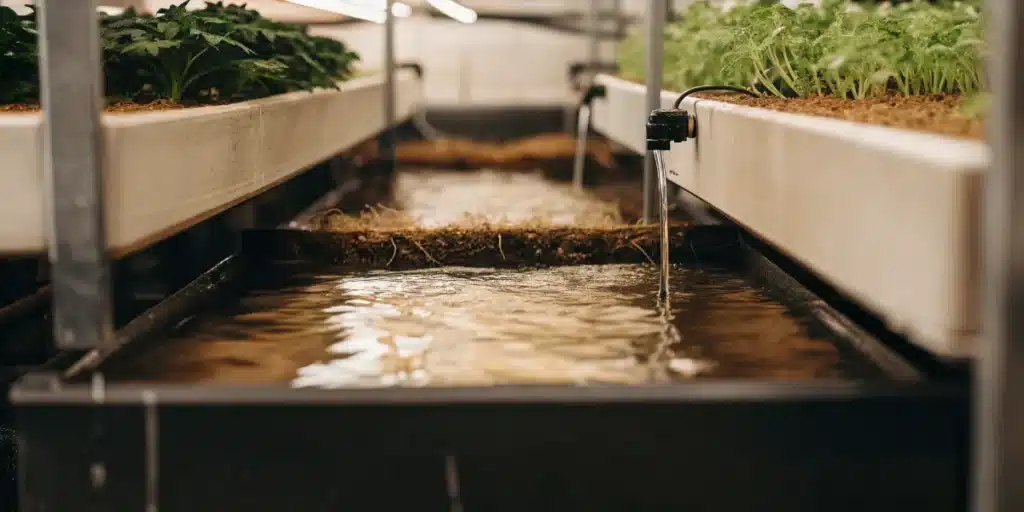
The NFT system utilizes a slightly tilted channel where the nutrient solution flows from one end to the other. This design ensures that the roots are constantly bathed in nutrients, while excess solution is collected and recirculated. This setup is particularly effective for crops like lettuce and herbs, which thrive in nutrient-rich environments.
For optimal results, maintain a nutrient solution temperature between 68°F and 72°F (20°C – 22°C) to prevent root diseases. Regularly monitor pH levels, keeping them between 5.5 and 6.5 to ensure nutrient availability. These parameters are essential for maximizing plant health and yield.
Promos & Deals
Setting Up Your NFT Hydroponic System
Essential Equipment and Materials
To set up an NFT hydroponic system, you’ll need channels or tubes, a reservoir, a submersible pump, and a timer. These components work together to create a continuous flow of nutrients. The channels should be slightly inclined to facilitate the flow of the nutrient solution.
Ensure that your pump can circulate the solution at a rate of 1-2 liters per minute. This flow rate is crucial for maintaining a consistent nutrient supply. Additionally, use opaque channels to prevent algae growth, which can obstruct nutrient flow and affect plant health.
Step-by-Step Setup Guide
Begin by assembling the channels on a slight incline, connecting them to the reservoir. Install the pump in the reservoir, ensuring it can circulate the solution efficiently. Use a timer to control the pump, running it for 15 minutes every hour to maintain nutrient flow.
Download our comprehensive PDF guide for a detailed setup. This guide includes step-by-step instructions and system blueprints, ensuring a successful installation. Following these guidelines will help you achieve optimal results with your NFT hydroponic system.
| Feature | Lemon Tree X Zkittlez | Critical Kush Auto | Blue OG Regular |
|---|---|---|---|
| THC Content | 26-30% | 16-20% | 20-25% |
| Dominant Terpene | Myrcene | Caryophyllene | Limonene |
| Flavor Profile | Diesel, Earthy, Lemon, Sweet, Tropical | Earthy, Pine, Woody | Citrus, Woody |
| Growth Time | 8-9 weeks | 8-10 weeks | 8-10 weeks |
| Yield Indoor | 1.97 – 2.29 oz/ft² | 1.47 – 1.8 oz/ft² | 1.47 – 1.64 oz/ft² |
Advantages and Disadvantages of NFT Hydroponics
Pros of Using NFT
NFT hydroponics offers several advantages, including efficient water use and reduced nutrient waste. The continuous flow of nutrients ensures that plants receive a consistent supply, promoting faster growth. This system is ideal for small spaces, as it requires less physical area compared to traditional soil cultivation.
Many cultivators share that NFT systems can increase growth rates by up to 30% compared to soil methods. This efficiency makes NFT a popular choice for commercial growers looking to maximize yield. Additionally, the system’s simplicity allows for easy maintenance and monitoring, reducing labor costs.
Cons and Challenges
Despite its benefits, NFT hydroponics presents some challenges. The system’s reliance on continuous nutrient flow means that pump failures can lead to rapid plant stress. Additionally, the shallow nutrient film can limit the types of crops grown, as larger plants may require more support.
To mitigate these risks, ensure regular maintenance and monitoring of the system. Experienced growers recommend using backup pumps and monitoring systems to prevent failures. Addressing these challenges is crucial for successful NFT hydroponic cultivation.
NFT Hydroponics vs. Other Systems
Comparison with DWC
When comparing NFT to Deep Water Culture (DWC), both systems offer unique advantages. NFT is known for its efficiency and low water usage, while DWC provides more support for larger plants due to its deeper water reservoir. The choice between these systems depends on the specific needs of the grower and the crops being cultivated.
For instance, NFT is ideal for fast-growing, shallow-rooted crops, while DWC can support larger plants like tomatoes. Both systems require careful monitoring of pH and nutrient levels to ensure optimal growth. Consider your crop type and space limitations when choosing between these hydroponic systems.
Best Practices for NFT Hydroponics
Maintenance Tips
Regular maintenance is essential for the success of an NFT hydroponic system. Ensure that the nutrient solution is replenished and balanced, with pH levels maintained between 5.5 and 6.5. Clean the channels regularly to prevent algae buildup, which can obstruct nutrient flow.
Monitor the system’s components, such as pumps and timers, to ensure they are functioning correctly. Many cultivators recommend using a digital pH meter and EC meter for accurate readings. These tools are crucial for maintaining optimal growing conditions and preventing plant stress.
Common Issues and Solutions
Common issues in NFT systems include nutrient imbalances and root diseases. To address these, regularly test the nutrient solution and adjust as needed. Ensure that the solution temperature remains between 68°F and 72°F (20°C – 22°C) to prevent root rot.
If you encounter pump failures, have a backup system in place to maintain nutrient flow. This precaution can prevent plant stress and loss. Addressing these common issues and their solutions is vital for maintaining a healthy NFT hydroponic system.
Integrating NFT with Aquaponics
Benefits of Combining Systems
Integrating NFT with aquaponics can enhance system efficiency by utilizing fish waste as a nutrient source. This combination reduces the need for chemical fertilizers, making it an eco-friendly option. The symbiotic relationship between fish and plants in aquaponics promotes sustainable cultivation.
Explore how NFT can enhance aquaponic systems by providing a continuous nutrient flow. This integration can improve plant growth rates and reduce water usage. Many growers find that combining these systems results in higher yields and healthier plants.
Professional Tips for NFT Hydroponics
- Maintain 68°F – 72°F (20°C – 22°C) solution temperature to prevent root diseases. Use a digital thermometer for accuracy.
- Ensure pH levels remain between 5.5 and 6.5 for optimal nutrient uptake. Adjust with pH up/down solutions as needed.
- Use opaque channels to prevent algae growth, which can obstruct nutrient flow and affect plant health.
- Monitor pump function regularly to prevent system failures. Consider a backup pump for reliability.
- Test nutrient solution weekly to maintain balance and prevent deficiencies. Use an EC meter for precise readings.
- Download our NFT hydroponic system design PDF for detailed blueprints and setup instructions.
Frequently Asked Questions
Which is better, NFT or DWC?
NFT is ideal for small, fast-growing crops, offering efficient water use and nutrient delivery. DWC supports larger plants with its deeper water reservoir. Choose based on your crop type and space. NFT systems are more compact, while DWC provides stability for larger plants.
What are the disadvantages of NFT hydroponics?
NFT systems can suffer from pump failures, leading to rapid plant stress. They also limit crop types due to shallow nutrient films. Regular maintenance and monitoring are crucial to prevent these issues. Backup systems can mitigate risks associated with pump failures.
Is NFT suitable for beginners?
NFT systems are beginner-friendly due to their simplicity and low maintenance requirements. However, they require careful monitoring of pH and nutrient levels. Beginners should start with easy-to-grow crops like lettuce and herbs to gain experience.
What plants grow best in NFT systems?
Fast-growing, shallow-rooted plants like lettuce, spinach, and herbs thrive in NFT systems. These crops benefit from the continuous nutrient flow and efficient oxygenation. Avoid larger plants that require more support, as NFT systems may not provide adequate stability.
Can NFT systems be used in aquaponics?
Yes, NFT systems can be integrated with aquaponics, utilizing fish waste as a nutrient source. This combination reduces chemical fertilizer use and promotes sustainable cultivation. It enhances nutrient delivery and water efficiency, benefiting both plants and fish.