How to Tell When Cannabis is Ready to Harvest

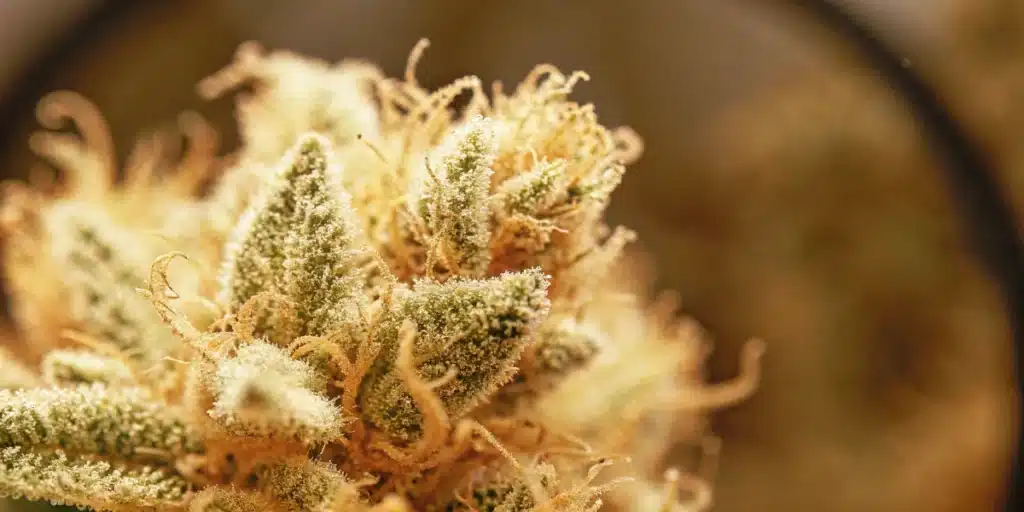
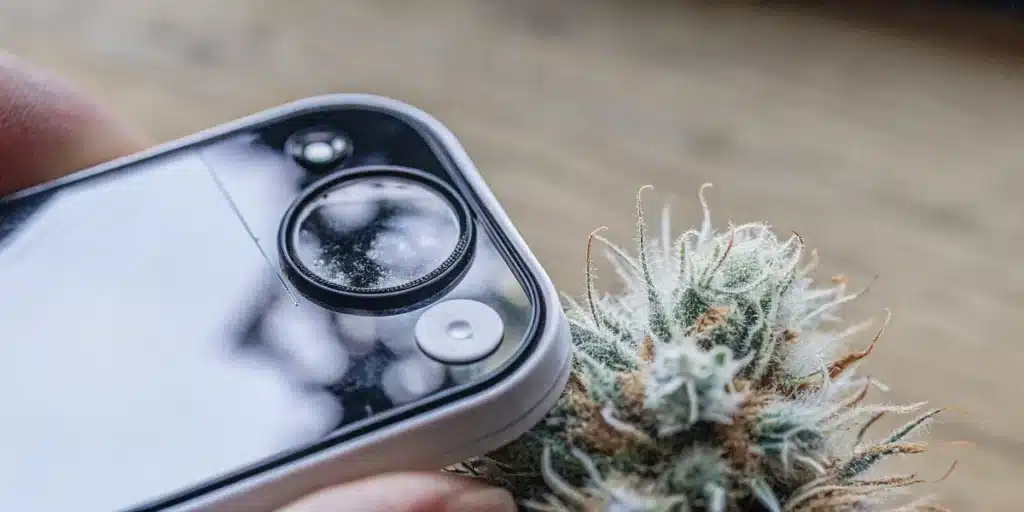
Trichome inspection: The optimal method to determine cannabis harvest readiness is by inspecting the trichomes, which are the small, crystal-like resin glands on your buds. Use tools like a jeweler’s loupe or a smartphone macro lens to observe them. Trichomes should appear milky white, indicating peak potency and the perfect time to harvest.
Assessing the readiness of your cannabis for harvest involves more than just a visual check. Knowing the terpene profile and flowering time is crucial for timing your harvest to enhance flavor and effect. Terpenes like myrcene and caryophyllene can influence the overall experience, while flowering times of 8-10 weeks ensure optimal development.
Recommended Strains
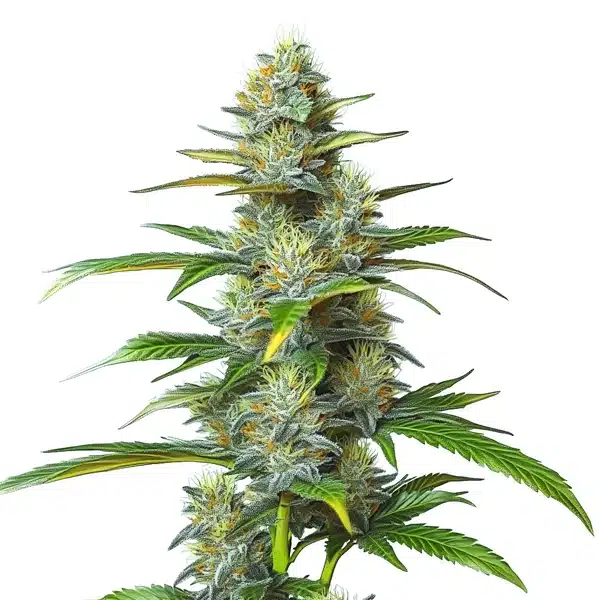
Moby Dick Autoflower

|
THC | 16% - 20% (Medium) |

|
Type | Autoflowering |

|
Yield | High |

|
Phenotype | 40% Indica / 60% Sativa |

Pineapple Kush
|
|
THC | 16% - 18% (Medium) |
|
|
Type | Feminized |
|
|
Yield | High |
|
|
Phenotype | 70% Indica / 30% Sativa |
Knowing Trichomes
What are Trichomes?
Trichomes are microscopic, hair-like structures on cannabis plants that produce and store cannabinoids and terpenes. These glandular appendages are crucial for the plant’s defense and reproduction. They appear as tiny, crystal-like structures covering the buds and leaves, giving cannabis its frosty appearance. Trichomes are the primary source of the plant’s psychoactive and therapeutic properties.
Experienced growers report that trichomes play a vital role in determining harvest time. Their appearance changes as the plant matures, transitioning from clear to milky white, and finally amber. This change indicates the degradation of THC to CBN, affecting potency and effect. Monitoring trichomes closely can help you harvest at the peak of potency, typically when they are 70-90% milky.
Trichomes Ready to Harvest
Trichomes ready to harvest will appear milky white, indicating peak potency. This stage is crucial for maximizing THC content and ensuring the desired effects. When examining the trichomes, refer to pictures of trichomes ready for harvest to ensure accuracy. A jeweler’s loupe or digital microscope can provide the necessary magnification to observe these changes.
Outdoor growers can use pictures of trichomes ready for harvest as a reference to ensure they pick the optimal time. The trichomes’ transition from clear to milky is a critical indicator, with the final amber stage suggesting a more sedative effect. Timing your harvest when 70-80% of trichomes are milky can optimize the balance between THC and CBN.
Promos & Deals

Visual Indicators of Harvest Readiness
Pictures of Buds Ready to Harvest
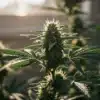
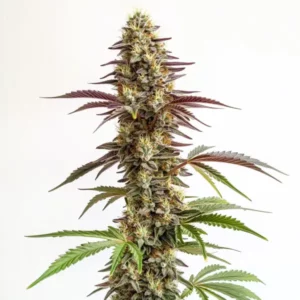
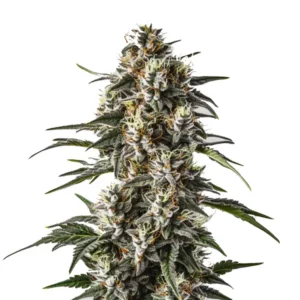
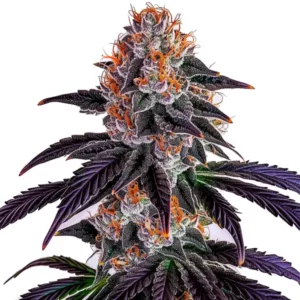
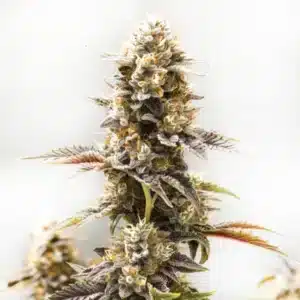
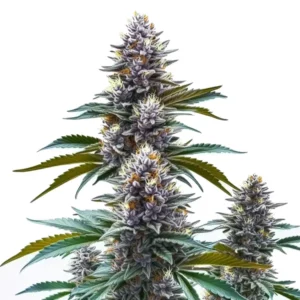
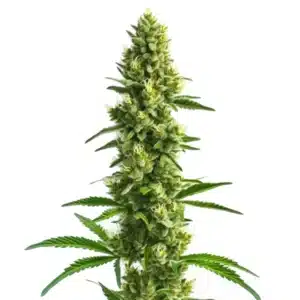
Use pictures of buds ready to harvest as a visual guide. Buds should exhibit a dense structure with swollen calyxes and vibrant pistils. The pistils, initially white, will darken to orange or brown, curling inward as the plant matures. These visual cues, combined with trichome inspection, provide a comprehensive assessment of harvest readiness.
Many cultivators share that the visual appearance of the buds is as important as trichome color. Buds should feel firm to the touch and emit a strong aroma, indicative of a rich terpene profile. The combination of visual and olfactory cues can guide you to harvest at the ideal time, ensuring maximum potency and flavor.
Best Time to Harvest Cannabis
Best Time to Harvest Cannabis Day or Night
The best time to harvest cannabis is early in the morning before the sun affects the plant’s terpene profile. Harvesting at this time preserves the volatile compounds that contribute to the plant’s aroma and flavor. Consider what time of day to harvest cannabis for the best results, as light exposure can degrade terpenes and cannabinoids.
Master growers have pointed out that harvesting during the cooler morning hours can also reduce plant stress, maintaining the integrity of the trichomes. This practice is especially beneficial for outdoor growers, where environmental factors can significantly impact the plant’s chemical composition.
How to Harvest Cannabis and Dry it Indoors
Pictures Trichomes Ready Harvest Outdoor
Learn how to harvest cannabis and dry it indoors to preserve quality. Proper drying and curing are essential to maintain potency and flavor. Pictures of trichomes ready for harvest outdoor can guide you in timing your harvest to coincide with optimal trichome development. This ensures that the drying process captures the plant at its peak.
Maintain 58-62% RH during the drying process to prevent mold and preserve terpenes. Use a calibrated digital hygrometer to monitor humidity levels, avoiding analog devices that may provide inaccurate readings. This careful control of the drying environment is crucial for preserving the quality and potency of your harvest.
Environmental Factors Affecting Harvest Time
Trichomes Harvest Chart
A trichomes harvest chart can help you determine the optimal harvest time. This chart provides a visual representation of trichome development stages, from clear to milky and amber. By comparing your plant’s trichomes to the chart, you can accurately assess their readiness for harvest, ensuring maximum potency and desired effects.
Environmental factors such as light intensity and temperature can influence trichome development. Growers should maintain a consistent light schedule and temperature range to promote optimal trichome production. Deviations can lead to premature degradation of cannabinoids and terpenes, affecting the overall quality of the harvest.
| Feature | Blue Cookies | Moby Dick Auto | Pineapple Kush |
|---|---|---|---|
| THC Content | 18-21% | 16-20% | 16-18% |
| Dominant Terpene | Myrcene | Pinene | Limonene |
| Aroma | Berry, Earthy, Herbal | Citrus, Pine | Cheese, Earthy, Pineapple, Spicy |
| Effect | Creative, Euphoric, Uplifted | Energetic, Euphoric, Tingly | Creative, Euphoric, Uplifted |
| Flowering Time | 8-10 weeks | 10-12 weeks | 8-10 weeks |
Professional Tips
- Maintain 58-62% RH during curing to preserve terpenes and prevent mold. Below 55% can dry out the buds too quickly, while above 65% risks mold growth.
- Harvest in the early morning to preserve terpene profiles, as light and heat can degrade these compounds throughout the day.
- Use a jeweler’s loupe to inspect trichomes. Clear trichomes indicate immaturity, while amber trichomes suggest a more sedative effect.
- Monitor temperature during drying, keeping it between 60-70°F (15-21°C) to prevent cannabinoid degradation.
- Flush plants with plain water 1-2 weeks before harvest to remove nutrient buildup, enhancing flavor and smoothness.
- Use a trichomes harvest chart to visually compare trichome stages, ensuring you harvest at peak potency.
FAQs
What is the 3 day darkness before harvest?
The 3-day darkness before harvest is a technique where plants are kept in complete darkness for 72 hours. This is believed to increase resin production and enhance potency. During this period, plants focus energy on cannabinoid and terpene development, potentially boosting THC levels by up to 5%.
What does a ripe bud look like?
A ripe bud is dense, with swollen calyxes and pistils that have turned from white to orange or brown. The trichomes should be mostly milky white, indicating peak THC levels. The aroma should be strong and indicative of the strain’s terpene profile, signaling readiness for harvest.
What does cannabis look like right before harvest?
Right before harvest, cannabis plants have buds with vibrant colors, curled pistils, and a strong aroma. Trichomes are predominantly milky, with some turning amber. The plant’s leaves may yellow slightly as nutrients are redirected to the buds, a sign of nearing maturity.
What should trichomes look like when cannabis is ready to harvest?
When cannabis is ready to harvest, trichomes should appear milky white, indicating peak THC potency. Some growers prefer a mix of 70% milky and 30% amber trichomes for a balanced effect. This stage ensures the highest psychoactive properties and desired effects.
How do environmental factors affect cannabis harvest time?
Environmental factors like temperature and light exposure can significantly impact cannabis harvest time. Consistent temperatures between 68-77°F (20-25°C) and a stable light schedule promote optimal trichome development. Fluctuations can lead to premature cannabinoid degradation, affecting potency and yield.