Proven THC to CBN Conversion Under Light: Expert Guide

Transforming THC into CBN through light exposure is a fascinating process that intrigues both novice cannabis enthusiasts and seasoned growers. The concept of THC to CBN conversion under light explains how specific light conditions trigger the breakdown of THC over time. This process, known as THC degradation into CBN, is essential for those looking to create cannabis with altered cannabinoid profiles and more sedative effects.
Knowing the effects of light on THC to CBN conversion is essential for cannabis growers who wish to optimize their harvests. By leveraging the right lighting conditions, you can significantly influence the photochemical conversion of THC to CBN. This article dives into the technical aspects of this process, providing you with practical tips and real-life examples to achieve the desired results.
Recommended Strains

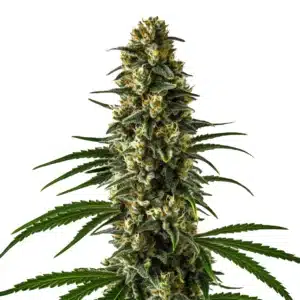
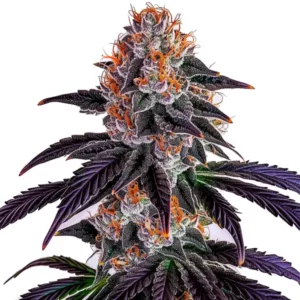
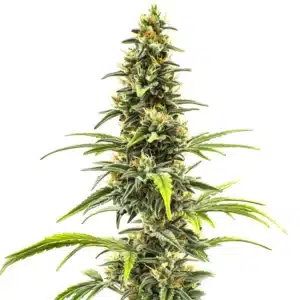
Sour Diesel

|
THC | 22% - 25% (High) |

|
Type | Feminized |

|
Yield | High |

|
Phenotype | 30% Indica / 70% Sativa |
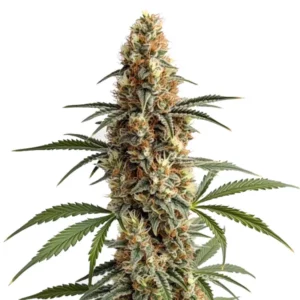
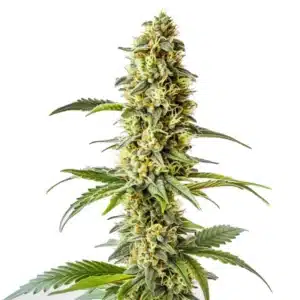
Bruce Banner #3
|
|
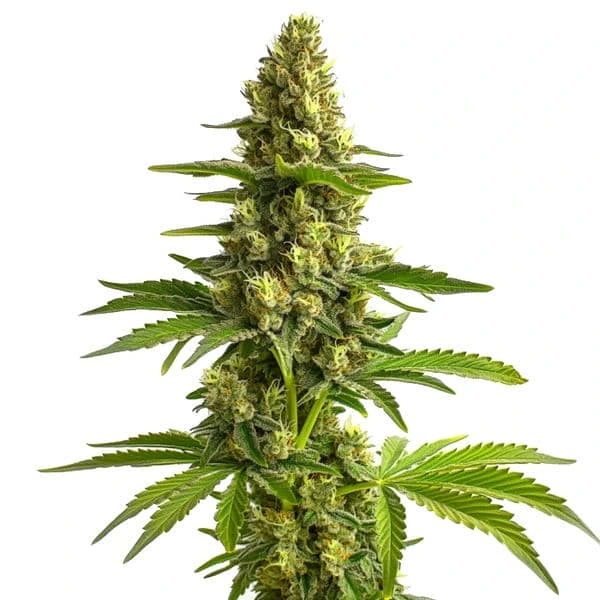
THC | 20% - 29% (High) |
|
|
Type | Feminized |
|
|
Yield | High |
|
|
Phenotype | 50% Indica / 50% Sativa |
Many cannabis strains are suitable for experimenting with this conversion. For instance, strains from Blimburn Seeds like Sour Diesel, Bruce Banner, and Girl Scout Cookies offer unique cannabinoid profiles that can benefit from light-induced transformations. These examples will be explored further to illustrate how light affects various cannabis strains.
Knowing the THC Degradation Process to CBN
The THC degradation process to CBN is a natural chemical reaction that occurs over time, especially when cannabis is exposed to light and air. THC, the psychoactive component of cannabis, slowly converts to CBN, a cannabinoid known for its sedative effects. While CBN is less psychoactive than THC, it offers unique benefits that some users seek.
In the context of cannabis cultivation, controlling the degradation process is crucial. Growers can manipulate this conversion to produce cannabis strains with higher CBN levels. This is particularly useful for those growing cannabis for medicinal purposes, as CBN is known for its potential therapeutic effects, such as promoting sleep and relieving pain.
Temperature and humidity also play a significant role in the THC degradation process to CBN. Higher temperatures can accelerate the conversion, but they must be managed carefully to prevent unwanted degradation of other cannabinoids. Maintaining optimal environmental conditions ensures a balanced conversion and preserves the quality of the cannabis.
The choice of strain is critical in this process. Cannabis strains with higher natural THC levels are typically more efficient in undergoing THC degradation to CBN. Growers should select strains known for their responsiveness to light and environmental changes to maximize the benefits of this conversion.
Promos & Deals

Effects of Light on THC to CBN Conversion
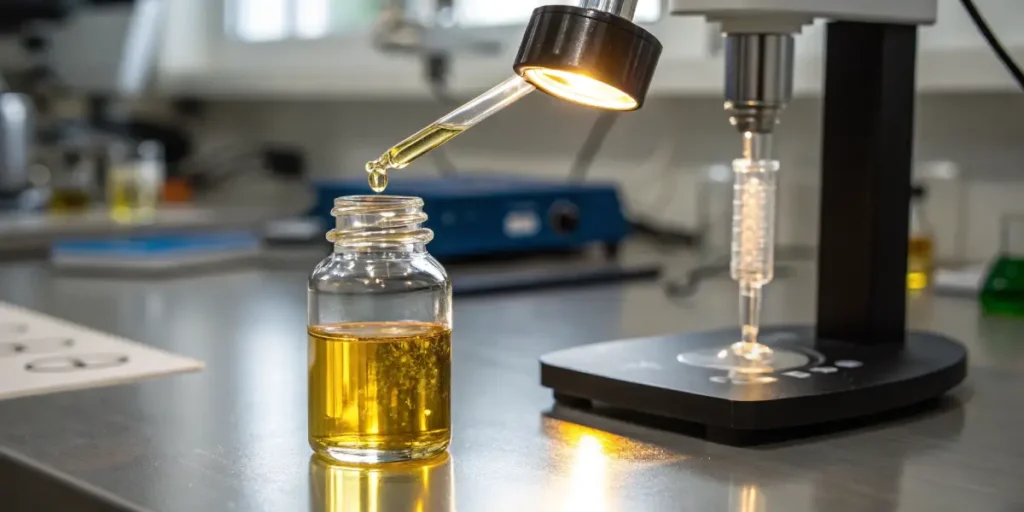
Light plays a pivotal role in the conversion of THC to CBN. Both natural sunlight and artificial light sources can influence this transformation. When cannabis is exposed to prolonged light, the THC molecules begin to degrade, eventually converting into CBN. This transformation is more pronounced under specific wavelengths.
UV light conversion of THC to CBN is particularly effective. UV rays have the energy required to break down THC molecules, accelerating the conversion process. Growers often leverage UV light to control the cannabinoid profile of their cannabis plants. However, it’s important to balance the amount of UV exposure to prevent damaging the plant.
Knowing the effects of light on THC to CBN conversion allows growers to fine-tune their cultivation strategies. Different light spectrums can either accelerate or decelerate the conversion, depending on the desired outcome. By carefully selecting light sources, growers can influence the rate and extent of CBN production in their plants.
In outdoor environments, the natural light cycle can be harnessed to facilitate the conversion process. Strategic planning around seasonal light variations can enhance the effects of light on THC to CBN conversion, helping growers achieve a product with higher CBN levels naturally.
Optimal Light Conditions for THC to CBN Conversion
Creating the optimal light conditions for THC to CBN conversion requires careful planning and execution. The right balance of light intensity, duration, and spectrum is crucial. High-intensity light can speed up the conversion process, but it must be carefully monitored to avoid adverse effects on the plant’s health.
For indoor growers, using specialized lighting systems that mimic natural sunlight can be beneficial. These systems allow for precise control over the light spectrum and intensity, providing an ideal environment for cannabinoid conversion. Furthermore, adjusting the light cycle to increase exposure during the later stages of plant growth can enhance CBN levels.
Optimal light conditions for THC to CBN conversion also involve managing the duration of light exposure. Extended light periods can enhance the conversion process, but it’s crucial to monitor the plant’s response to avoid stress. This balance ensures maximum CBN production without compromising plant health.
For those utilizing artificial light, investing in full-spectrum LED lights can create the necessary conditions for enhanced photochemical conversion of THC to CBN. These lights provide the flexibility needed to adjust lighting conditions according to the plant’s growth stage and desired cannabinoid profile.
Real-Life Examples: Cannabis Strains and Conversion
- Sour Diesel: Known for its energizing effects, Sour Diesel from Blimburn Seeds can be transformed to increase its CBN content through controlled light exposure. This can create a more balanced effect, making it suitable for evening use.
- Bruce Banner: This strain is famous for its high THC content, but with the right light conditions, it can be converted to produce more CBN. This transformation can alter its effects, providing a more calming experience.
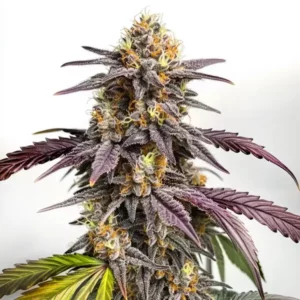
- Girl Scout Cookies: A popular choice, Girl Scout Cookies can benefit from THC to CBN conversion under light, offering a more relaxing effect while maintaining its signature flavor profile.
These examples highlight the potential of using light to manipulate the cannabinoid content of different strains. By experimenting with light exposure, growers can customize their cannabis to better suit their personal preferences or market demands.
Experimentation with these strains allows growers to understand the practical implications of THC to CBN conversion under light. Different strains react uniquely to light conditions, offering a spectrum of possibilities for tailoring the cannabinoid profile. This customization can lead to innovative cannabis products with targeted effects.
Moreover, using strains from Blimburn Seeds ensures a reliable starting point for such experimentation. Their genetic consistency and reputation for high-quality seeds provide a solid foundation for growers aiming to achieve specific results in the THC degradation process to CBN.

FAQs about THC to CBN conversion under light
How does UV light affect the THC to CBN conversion process?
UV light is highly effective in accelerating the conversion of THC to CBN. The high-energy nature of UV rays breaks down THC molecules more efficiently than other light sources. This makes UV light a popular choice among growers looking to increase CBN levels in their cannabis plants.
However, the use of UV light must be carefully managed. Excessive UV exposure can damage the plant, affecting its overall health and yield. Therefore, growers should aim to provide just enough UV light to facilitate conversion without compromising the plant’s vitality.
The benefits of UV light in the conversion process are well-documented, but they require a nuanced approach. Balancing the photochemical conversion of THC to CBN with plant health necessitates careful monitoring and adjustments in UV light intensity.
UV light conversion of THC to CBN can be optimized by integrating it into a broader light management strategy. By combining UV exposure with other light spectrums, growers can enhance the efficiency of the conversion while mitigating potential negative effects on the plants.
Can all cannabis strains undergo THC to CBN conversion under light?
While most cannabis strains can undergo THC to CBN conversion under light, the efficiency of this process can vary significantly. Strains with higher initial THC content tend to show more pronounced conversion results. However, some strains are genetically predisposed to degrade into CBN more readily than others.
Growers interested in maximizing CBN production should choose strains known for their adaptability to light-induced conversion. Selecting strains from reputable sources like Blimburn Seeds can ensure better control over the desired cannabinoid profile.
It’s important to understand that not all strains will convert at the same rate or to the same extent. Experimenting with different strains can help identify which ones are most responsive to light-induced THC degradation to CBN, allowing for targeted cultivation practices.
Furthermore, some strains may require more specific light conditions to achieve optimal conversion. Knowing these nuances and variations can enhance a grower’s ability to tailor cannabis cultivation to specific therapeutic or recreational goals.
What are the benefits of increasing CBN in cannabis?
CBN is known for its sedative properties, making it beneficial for individuals seeking relaxation or improved sleep quality. Besides to its calming effects, CBN has potential therapeutic benefits, including pain relief and anti-inflammatory properties.
Increasing CBN in cannabis can create strains that cater to users looking for non-psychoactive options. This can be particularly appealing for medicinal users who want the therapeutic benefits of cannabis without the intense psychoactive effects of THC.
Medicinal users often seek strains with higher CBN content to address specific health concerns, such as insomnia or chronic pain. The targeted increase in CBN can result in products that offer relief without the side effects associated with higher THC levels.
Additionally, CBN’s unique profile is gaining popularity in the wellness industry, with products focusing on relaxation and stress reduction. By knowing and implementing the THC to CBN conversion under light, growers can meet this growing demand with precision.
How can indoor growers optimize light for THC to CBN conversion?
Indoor growers can optimize light for THC to CBN conversion by using adjustable lighting systems that allow for precise control over light intensity and spectrum. By mimicking natural sunlight, growers can create an environment conducive to cannabinoid conversion.
Additionally, growers should adjust the light cycle to increase exposure during the flowering stage. This will help facilitate the conversion process, allowing for the production of cannabis with higher CBN content while ensuring the plants remain healthy and productive.
Advanced lighting technologies, such as programmable LED systems, can simulate the gradual changes in light intensity and spectrum seen in natural environments. This adaptability is crucial for achieving optimal light conditions for THC to CBN conversion.
Indoor growers also benefit from being able to monitor and modify environmental factors such as temperature and humidity, which can further enhance the efficiency and effectiveness of the light-induced conversion process.
Are there any risks associated with the photochemical conversion of THC to CBN?
The photochemical conversion of THC to CBN is generally safe when conducted under controlled conditions. However, excessive light exposure, particularly UV light, can pose risks such as plant damage and reduced yield. Careful management of light exposure is essential to minimize these risks.
Growers should monitor their plants closely and adjust lighting conditions as needed to ensure optimal conversion without harming the plants. By doing so, they can achieve the desired cannabinoid profile while maintaining the health and productivity of their cannabis crops.
Knowing the risks involved with the photochemical conversion of THC to CBN is crucial for implementing effective cultivation strategies. By balancing light exposure with plant health needs, growers can maximize benefits while minimizing potential drawbacks.
Constant observation and adjustment in light management, coupled with knowledge of each strain’s specific needs, are key to successful THC to CBN conversion under light. This proactive approach ensures both high-quality yield and the desired cannabinoid output.