When is Harvest Time for Weed: A Complete Guide

Optimal Harvest Timing: Cannabis harvest timing hinges on visual maturity indicators like trichome coloration and pistil changes. If you’re wondering when is harvest time for weed, indica strains are typically ready in 7–8 weeks, sativas in 9–10 weeks, and autoflowers in 8–12 weeks from seed. Harvesting just before dawn can enhance potency. This timing ensures the highest quality yield and maximizes cannabinoid content.
Timing your cannabis harvest is crucial for achieving the best flavor and potency. Indica strains often have a terpene profile dominated by myrcene, contributing to their earthy aroma and sedative effects. Sativas, on the other hand, often feature limonene, offering citrus notes and uplifting effects. Autoflowering varieties provide flexibility with their shorter life cycle and robust adaptability.
Recommended Strains
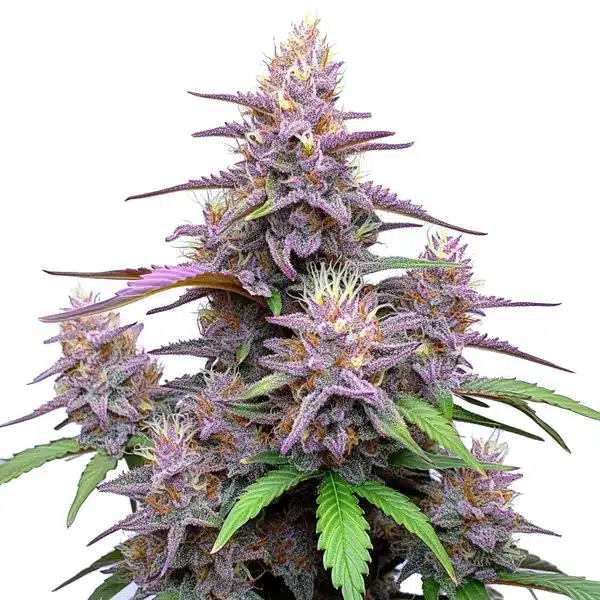
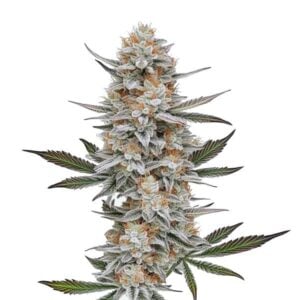
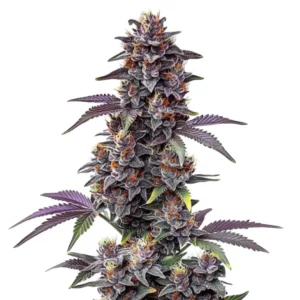
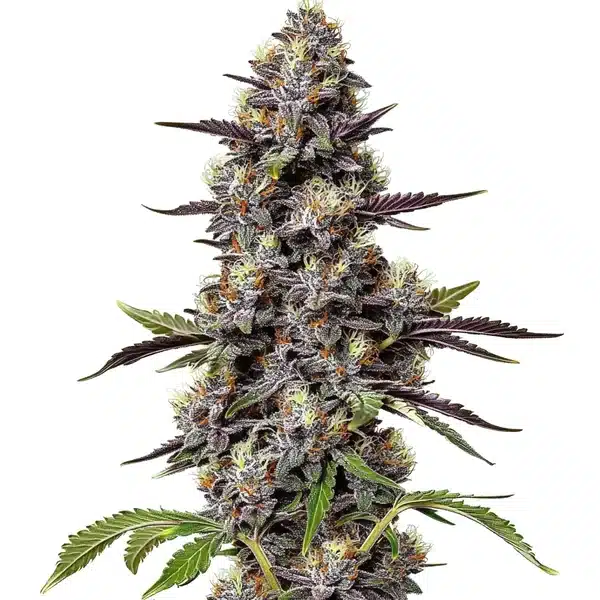
Gorilla Purple Auto

|
THC | 20% - 24% (High) |

|
Type | Autoflowering |

|
Yield | High |

|
Phenotype | 50% Indica / 50% Sativa |
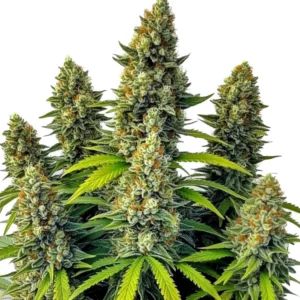
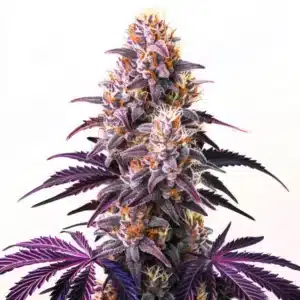
Critical Purple Kush
|
|
THC | 16% - 18% (Medium) |
|
|
Type | Feminized |
|
|
Yield | High |
|
|
Phenotype | 60% Indica / 40% Sativa |
When is Harvest Time for Weed?
Visual Cues for Harvesting
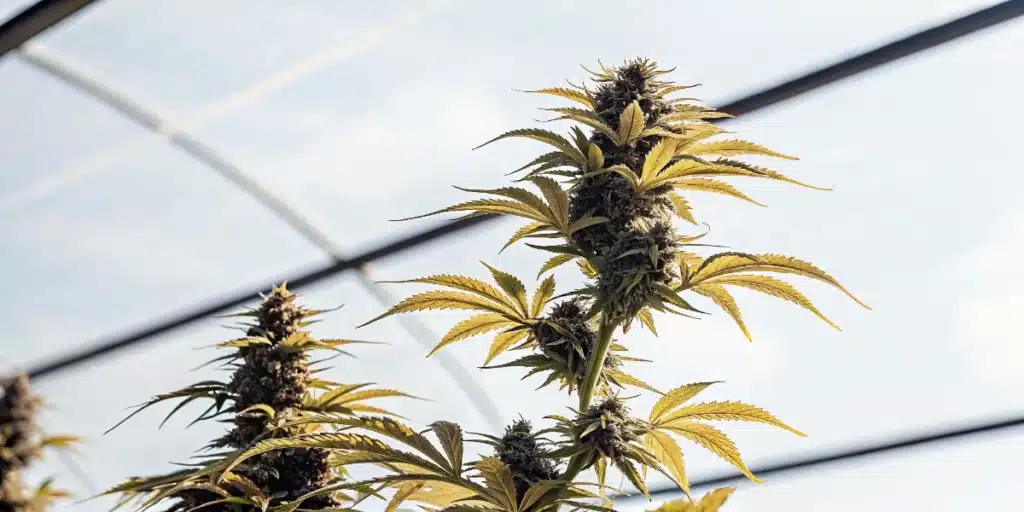
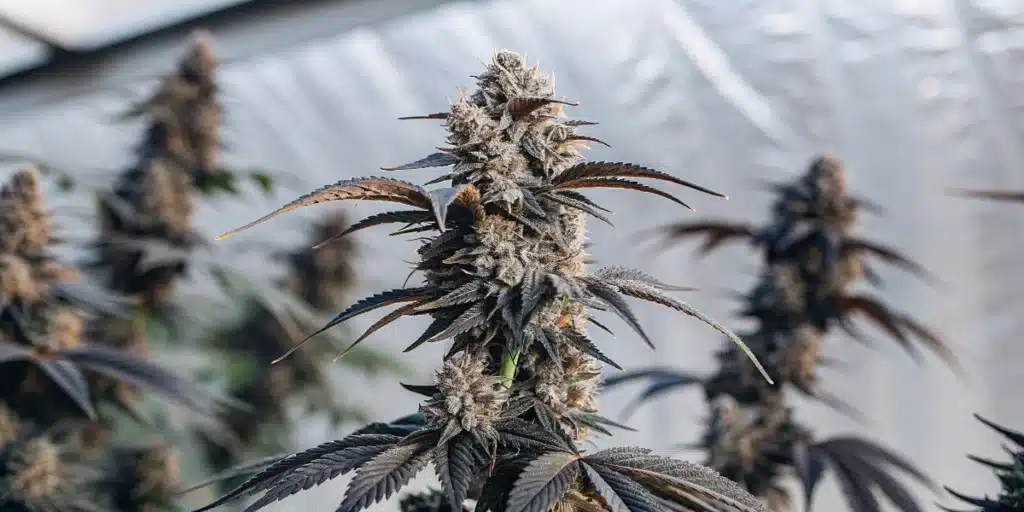
Recognizing the right time to harvest cannabis involves observing specific visual cues. Trichomes, the tiny resin glands on buds, change color as they mature. Initially clear, they transition to a milky white, then amber. Experienced growers suggest harvesting when trichomes are mostly milky with some amber, indicating peak THC levels. Pistils, the hair-like structures on buds, also darken and curl inward as they mature.
Monitoring these changes is essential. Trichomes at 20-30% amber provide a more relaxing effect, while predominantly milky trichomes offer a more cerebral high. Pistils should be 70-90% darkened for optimal harvest time. These visual indicators are vital for determining the best harvest window and ensuring maximum potency and flavor.
Timing for Different Strains
Different cannabis strains have varying flowering times. Indica strains typically flower in 7-8 weeks, while sativas take 9-10 weeks. Autoflowering strains, like those available from Blimburn Seeds, such as Critical Purple Kush, complete their cycle in 8-12 weeks from seed. This diversity in timing allows growers to plan staggered harvests for continuous yields.
In professional cultivation circles, understanding these timelines helps in scheduling your grow operations. Indicas are ideal for those seeking quicker harvests, while sativas offer a longer growing period for those aiming for a more energetic high. Autoflowers are perfect for beginners due to their resilience and shorter growth cycle.
Promos & Deals

Harvesting Techniques for Optimal Yield
Indica vs. Sativa Harvesting
Indica and sativa strains require different harvesting approaches due to their unique growth patterns and effects. Indicas, known for their relaxing effects, are best harvested when trichomes are mostly milky with some amber. This timing enhances their sedative properties. Sativas, offering a more energetic high, should be harvested when trichomes are predominantly milky, maximizing their uplifting effects.
For indica strains, the terpene myrcene (0.5-1.5%) is dominant, enhancing relaxation by increasing THC absorption. Sativas often feature limonene (0.5-1.0%), providing citrus aromas and mood-enhancing properties. These differences in terpene profiles influence the ideal harvest time and desired effects.
Autoflowering Varieties
Autoflowering cannabis varieties, such as Chemdog Auto, offer unique advantages in terms of harvest timing. These strains automatically transition from vegetative to flowering stages based on age, not light cycles, completing their life cycle in 8-12 weeks. This makes them ideal for growers seeking quick turnover and multiple harvests per season.
Autoflowers are resilient and can be grown year-round, providing flexibility in planning harvests. They are less sensitive to environmental changes, making them suitable for novice growers. The key to successful autoflower harvests is monitoring trichome development closely, as their rapid growth can lead to quick maturity.
| Feature | Critical Purple Kush | Chemdog Auto | Gorilla Purple Auto |
|---|---|---|---|
| Flowering Time | 7 – 9 weeks | 8 – 9 weeks | 9 – 11 weeks |
| THC Content | 16-18% | 18-20% | 20-24% |
| Dominant Terpene | Terpineol | Camphene | Caryophyllene |
| Yield Indoor | 1.64 – 1.97 oz/ft² | 500 – 600 g/m² | 0.98 – 1.31 oz/ft² | 300 – 400 g/m² | 1.8 – 1.97 oz/ft² | 550 – 600 g/m² |
| Effect | Calming, Relaxed, Sedative | Creative, Energetic, Uplifted | Creative, Euphoric, Relaxed |
Best Practices for Harvesting
Ideal Time of Day
Harvesting cannabis at the right time of day can significantly impact its potency. The best time to harvest is just before sunrise when the plant’s terpene and cannabinoid levels are at their peak. This is because these compounds degrade in sunlight, and harvesting before exposure ensures maximum potency and flavor.
To achieve this, plan your harvest to coincide with early morning hours. This practice is especially beneficial for strains like Gorilla Purple Auto, which are known for their rich terpene profiles. Avoid harvesting during midday when sunlight is strongest, as this can lead to terpene loss.
Tools and Techniques
Using the right tools and techniques is essential for a successful cannabis harvest. Sharp scissors or pruning shears are crucial for clean cuts, minimizing damage to the plant and preserving trichomes. Gloves should be worn to prevent contamination and protect the resinous buds from oils on your skin.
After cutting, hang the branches upside down in a dark, well-ventilated area with humidity levels between 45-55% and temperatures around 60-70°F (15-21°C). This environment facilitates proper drying, preventing mold and preserving potency. Always use a hygrometer to monitor conditions, ensuring an optimal drying process.
Professional Tips for Harvesting Cannabis
- Maintain 58-62% RH during curing. This range preserves terpenes and cannabinoids, preventing mold. Lower humidity can arrest terpene development, reducing flavor and aroma.
- Harvest indica strains when trichomes are 20-30% amber for a more sedative effect, enhancing relaxation and sleep quality.
- Use a digital microscope to examine trichomes closely, ensuring accurate assessment of maturity for peak potency.
- Plan harvests for early morning to maximize terpene retention and cannabinoid levels, avoiding midday heat that degrades these compounds.
- Invest in quality pruning shears for clean cuts, preserving trichomes and preventing plant damage during harvest.
- Monitor drying conditions with a hygrometer, maintaining 45-55% RH and 60-70°F (15-21°C) to prevent mold and preserve potency.
FAQs about When is harvest time for weed
How do you know it’s time to harvest your weed?
It’s time to harvest when trichomes are mostly milky with some amber, indicating peak THC levels. Pistils should be 70-90% darkened. These visual cues ensure optimal potency and flavor, providing the best effects from your cannabis.
How long after buds appear do you harvest?
Typically, cannabis is ready for harvest 6-8 weeks after buds first appear for indicas, and 8-10 weeks for sativas. Autoflowering strains may be ready in 8-12 weeks from seed. Monitoring trichome and pistil development is crucial for timing.
What’s a good harvest date for weed?
The best harvest date depends on strain type and growing conditions. Indicas are often ready in late September to early October, while sativas may extend into late October. Autoflowers can be harvested multiple times per season due to their shorter cycles.
When can I smoke after harvest?
After harvesting, cannabis should be dried for 7-14 days and cured for at least 2-4 weeks to enhance flavor and potency. Smoking too soon can result in harshness and reduced effects. Proper curing improves the overall quality of the smoke.
What factors determine the best harvest date for cannabis?
The best harvest date is determined by strain genetics, environmental conditions, and visual maturity cues like trichome and pistil development. Monitoring these factors ensures optimal potency and flavor, aligning with the desired effects.