When to Harvest Pot Plants: A Complete Guide

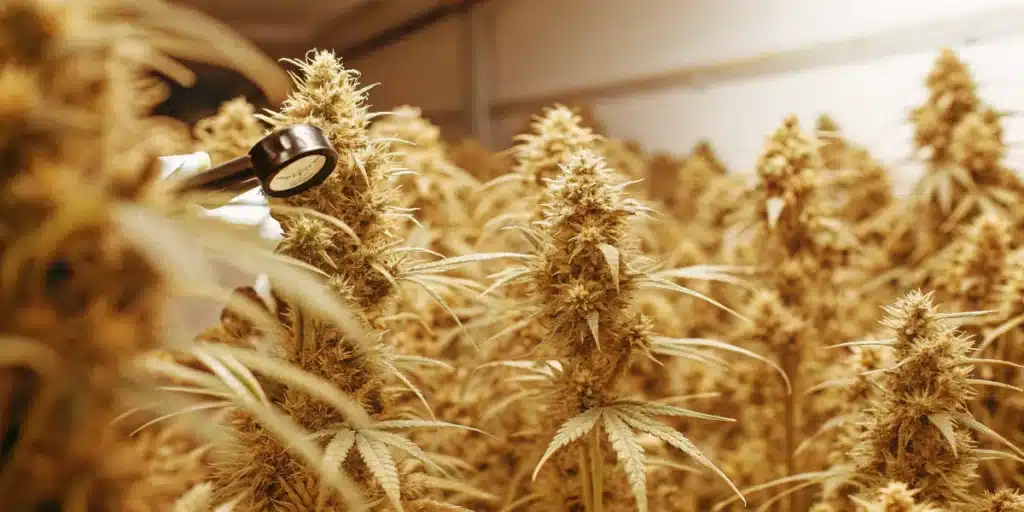
Optimal Harvest Timing: The ideal moment to harvest cannabis is by examining the trichomes on the buds with a magnifying tool, such as a jeweler’s loupe or a smartphone camera. Harvest when 70-90% of trichomes appear cloudy or milky to achieve maximum THC levels and euphoric effects. This timing ensures the highest potency and quality. Outdoor growers know this season well, celebrated as Croptober.
Harvesting pot plants at the right time is essential for capturing the full terpene profile and enhancing the strain’s unique flavors. This involves recognizing the plant’s flowering cycle, typically spanning 8-10 weeks, and knowing the visual cues provided by the plant’s pistils and leaves. Proper timing can significantly influence the overall quality and aroma of the final product. If you are unsure about the exact moment, our guide on when weed is ready to harvest walks through every visual cue.
Recommended Strains

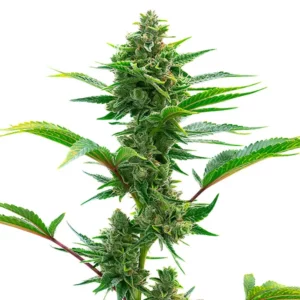
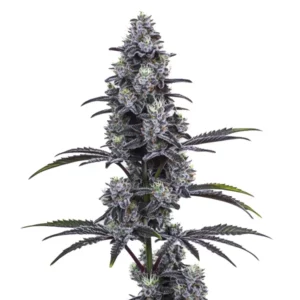
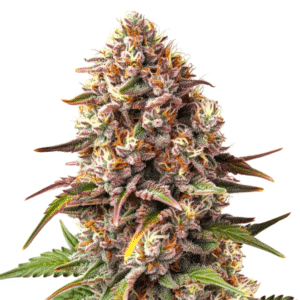
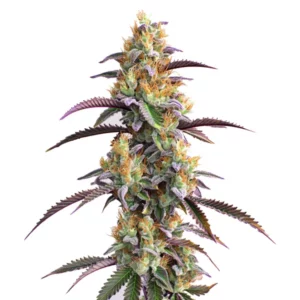
Moby Dick

|
THC | 24% - 27% (High) |

|
Type | Feminized |

|
Yield | High |

|
Phenotype | 40% Indica / 60% Sativa |

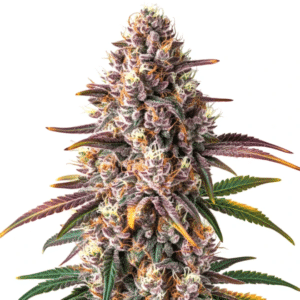
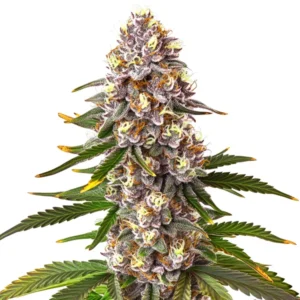
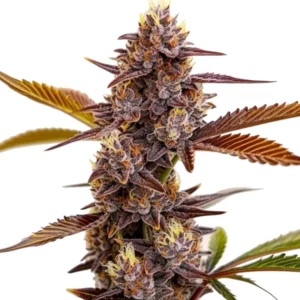
Blue Dream Autoflower
|
|
THC | 10% - 13% (Low) |
|
|
Type | Autoflowering |
|
|
Yield | Medium |
|
|
Phenotype | 30% Indica / 70% Sativa |
Trichomes: The Key to Harvest Timing
What are Trichomes?
Trichomes are tiny, resinous glands found on the surface of cannabis buds. These structures are responsible for producing cannabinoids like THC and CBD, as well as terpenes, which contribute to the plant’s aroma and flavor. In the context of cannabis cultivation, trichomes serve as a protective barrier against pests and environmental stressors, while also being the primary source of the plant’s psychoactive properties.
Trichomes appear as small, crystal-like structures that can be seen with the naked eye but are best examined under magnification. They develop throughout the flowering stage and change color as the plant matures. Initially clear, trichomes transition to a cloudy or milky appearance as they reach peak potency, before eventually turning amber as THC degrades into CBN, a less psychoactive compound.
How to Inspect Trichomes
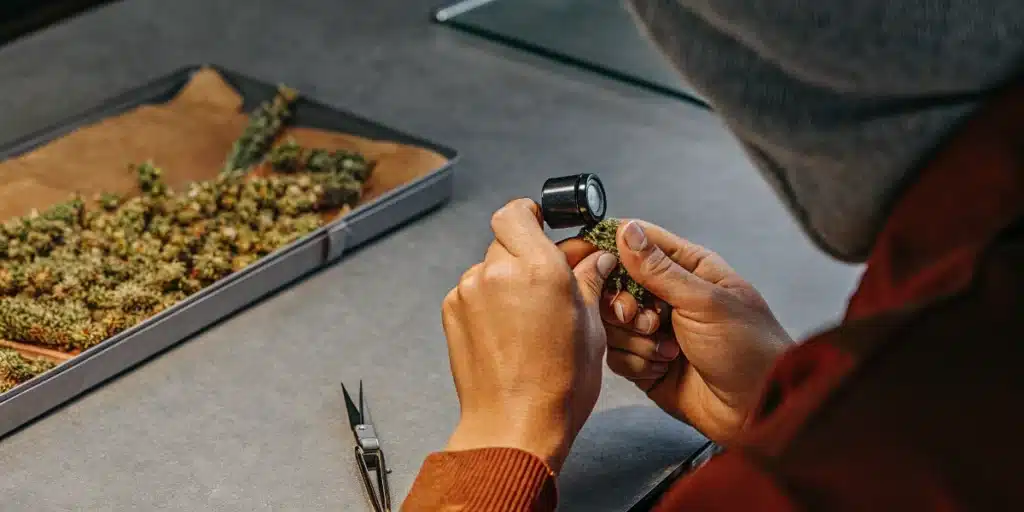
To accurately assess trichome maturity, use a jeweler’s loupe or a digital microscope. These tools allow you to closely examine the trichomes’ color and clarity. Aim to harvest when 70-90% of trichomes are cloudy, which indicates the highest THC concentration. Avoid harvesting when trichomes are mostly clear, as this suggests the plant is not yet fully mature.
Experienced growers often check trichomes in various parts of the plant, as maturation can vary between the top and lower buds. This detailed inspection ensures that the entire plant is harvested at its peak, maximizing both yield and potency. Remember, environmental factors like humidity and light exposure can also affect trichome development, so maintain optimal conditions throughout the flowering period.
Promos & Deals
When to Harvest Pot Plants
Indoor vs Outdoor Harvesting
Indoor and outdoor cannabis plants have different harvesting timelines due to their distinct growing environments. Indoor plants benefit from controlled conditions, allowing for precise manipulation of light cycles and temperature. Typically, indoor growers harvest after 8-10 weeks of flowering, depending on the strain. Outdoor plants, however, are subject to natural light cycles and climate variations, often requiring harvest in late September to early October.
For outdoor growers, monitoring local weather patterns is crucial to avoid premature harvest due to unexpected frost or rain, which can damage buds. In contrast, indoor growers can extend the flowering phase slightly to optimize trichome development. Regardless of the setting, always prioritize trichome inspection over calendar dates to determine the ideal harvest time.
Optimal Trichome Color for Harvest
The color of trichomes is a reliable indicator of a plant’s readiness for harvest. Cloudy or milky trichomes signify peak THC levels, offering the most potent psychoactive effects. Amber trichomes, while still potent, indicate a shift towards more sedative effects due to the conversion of THC to CBN. For a balanced effect, aim for a mix of 70% cloudy and 30% amber trichomes.
Harvesting based on trichome color allows growers to tailor the effects of their cannabis to personal preference. Those seeking a more uplifting experience should harvest when trichomes are predominantly cloudy. Conversely, for a more relaxing effect, wait until a higher percentage of trichomes turn amber. This nuanced approach ensures a customized cannabis experience.
Factors Influencing Harvest Time
Climate Considerations
Climate plays a significant role in determining the harvest time for cannabis plants. In regions with shorter growing seasons, outdoor growers must be vigilant about early frosts, which can damage crops. Conversely, in warmer climates, extended growing seasons allow for more flexibility in harvest timing, potentially enhancing potency and yield.
Temperature fluctuations can also impact trichome development and overall plant health. Ideal conditions include daytime temperatures between 20°C – 25°C (68°F – 77°F) and nighttime temperatures no lower than 15°C (59°F). Maintaining these conditions helps prevent stress-related issues like mold and pest infestations, which can compromise the quality of the harvest.
Strain-Specific Harvesting Tips
Different cannabis strains have unique flowering times and trichome development patterns. Indica-dominant strains often mature faster, typically within 8-9 weeks, while Sativa-dominant strains may require up to 12 weeks. Hybrid strains fall somewhere in between, depending on their genetic makeup. Knowing these differences is crucial for timing your harvest accurately.
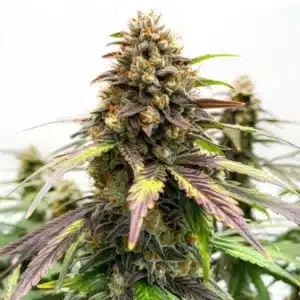
For instance, strains like GG4 are known for their dense trichome production and potent effects. Monitoring the trichomes closely on such strains can help maximize their THC content. Always refer to the specific strain’s characteristics and growth patterns when planning your harvest schedule.
| Feature | GG4 | Moby Dick | Blue Dream Auto |
|---|---|---|---|
| THC Content | 27% | 24-27% | 10-13% |
| Flowering Time | 8-10 weeks | 9-10 weeks | 7-9 weeks |
| Dominant Terpene | Caryophyllene | Limonene | Myrcene |
| Effect | Happy, Relaxed, Talkative | Focused, Happy, Relaxed | Focused, Happy, Relaxed |
| Yield | High | High | Medium |
Professional Tips for Harvesting
- Maintain 58-62% RH during curing to preserve terpenes. Below 55% can dry out buds too quickly, while above 65% risks mold growth.
- Use a digital microscope for accurate trichome inspection. This prevents premature or late harvesting, which can affect potency.
- Monitor environmental conditions closely, especially for outdoor grows, to avoid unexpected weather impacts on harvest timing.
- Always calibrate your pH meter before testing soil or nutrient solutions to ensure accurate readings and optimal plant health.
- Consider strain-specific characteristics, such as flowering time and terpene profile, when planning your harvest schedule.
- Harvest in the morning when terpene levels are highest, ensuring maximum flavor and aroma in the final product.
FAQs About Harvesting Pot Plants
How can you tell if your pot plants are ready for harvest?
Pot plants are ready for harvest when trichomes on the buds turn from clear to cloudy, indicating peak THC levels. This typically occurs 8-10 weeks into flowering, depending on the strain. Use a magnifying tool to inspect trichomes, aiming for 70-90% cloudy for optimal potency and effect.
During which week do cannabis buds typically fatten the most?
Cannabis buds usually fatten the most during the final two to three weeks of the flowering stage. This period is crucial for trichome development and cannabinoid production. Ensure optimal light and nutrient conditions to maximize bud size and potency during this time.
What is the best time to harvest outdoor cannabis plants?
The best time to harvest outdoor cannabis plants is typically late September to early October, depending on the local climate and strain. Monitor trichome color and weather forecasts to avoid harvesting during adverse conditions like frost or heavy rain, which can damage buds.
How do cannabis buds appear two weeks before harvest?
Two weeks before harvest, cannabis buds should appear dense and covered in a thick layer of trichomes. The pistils will start to darken and curl inward. This is a critical time for final nutrient adjustments and environmental control to enhance flavor and potency.
What are the signs of overripe cannabis plants?
Overripe cannabis plants exhibit trichomes that have turned mostly amber, indicating THC degradation into CBN. The buds may also appear overly dry or brittle. Harvesting at this stage results in a more sedative effect, which may not be desirable for all users.