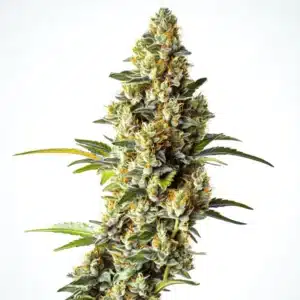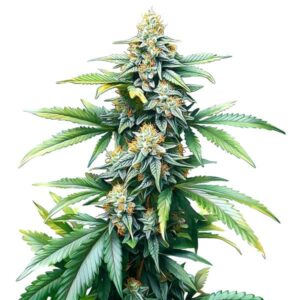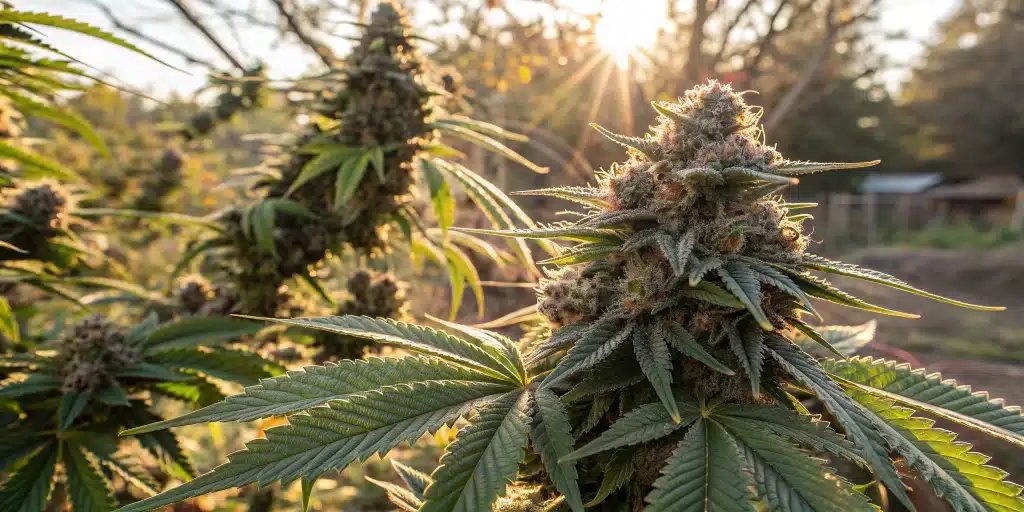
Maximize Outdoor Cannabis Yield During Flowering

Optimizing outdoor cannabis yields: To boost your outdoor cannabis yield during flowering, focus on fine-tuning energy allocation, enhancing nutritional support, and shielding your plants from environmental stressors. Utilize the sun’s power by ensuring your plants efficiently harness sunlight, which is your greatest natural resource. These strategies are essential for a successful and bountiful harvest.
Did you know that terpenes like Myrcene and Limonene can significantly influence your cannabis plant’s aroma and effects? During the flowering stage, these compounds develop intensely, impacting both the sensory profile and the potential therapeutic benefits of your harvest. Understanding the timing of terpene synthesis is crucial for optimizing your crop’s quality and potency.
Recommended Strains

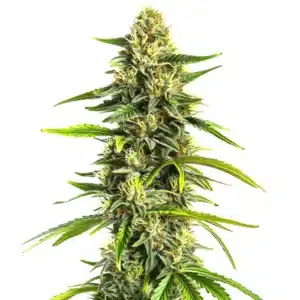
Jamaican

|
THC | 17% - 21% (Medium) |

|
Type | Feminized |

|
Yield | High |

|
Phenotype | 10% Indica / 90% Sativa |
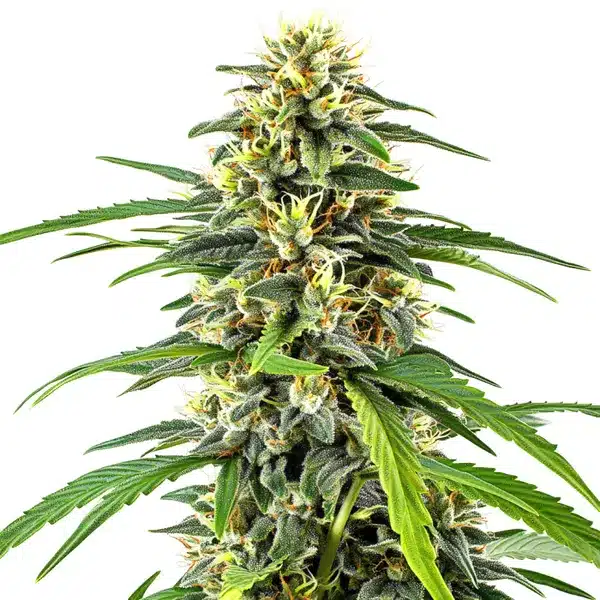
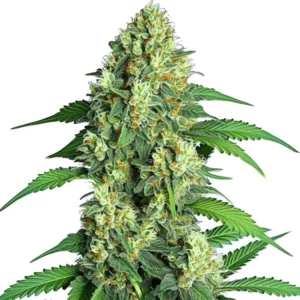
Amnesia Haze
|
|
THC | 18% - 22% (Medium) |
|
|
Type | Feminized |
|
|
Yield | High |
|
|
Phenotype | 30% Indica / 70% Sativa |
Optimize Nutrient Management
Balanced Fertilization and pH Adjustments
Ensuring that your cannabis plants receive the right balance of nutrients is vital. During flowering, a nutrient ratio of N:P:K 1:3:2 supports bud development. Monitor soil pH closely, aiming for a range of 6.0 to 6.5 to maximize nutrient uptake. Even minor pH deviations can lead to nutrient lockout, stunting growth and reducing yield.
Regular soil testing is essential to fine-tune your nutrient regimen. Many growers find that maintaining a pH of 6.2 optimizes nutrient absorption, leading to healthier plants and larger buds. Organic fertilizers, such as compost teas, can provide a steady nutrient supply, aligning with the natural growth cycles of outdoor plants.
Organic Amendments for Soil Health
Incorporating organic amendments like worm castings and bone meal enriches the soil, enhancing its structure and fertility. These amendments improve water retention and drainage, crucial for preventing root rot and promoting healthy growth. A well-amended soil supports robust root systems, directly impacting yield potential.
Regular applications of organic matter throughout the growing season can significantly boost your plants’ resilience and yield. By fostering a nutrient-rich environment, you reduce the reliance on synthetic chemicals, promoting sustainable practices that enhance both plant health and environmental stewardship.
Promos & Deals
Enhance Light Exposure
Maximizing Sunlight and Reflection
Position your plants to receive maximum sunlight exposure, ideally 10-12 hours per day. Use reflective materials like white walls or mirrors to increase light penetration, which enhances photosynthesis and bud formation. This technique can increase yield by up to 20% by ensuring that all parts of the plant receive adequate light.
Rearranging your garden layout to minimize shading from trees or structures is a simple yet effective strategy. Trimming nearby foliage can prevent unwanted shading, allowing your plants to harness every available ray of sunlight for optimal growth and development.
Pruning and Canopy Management
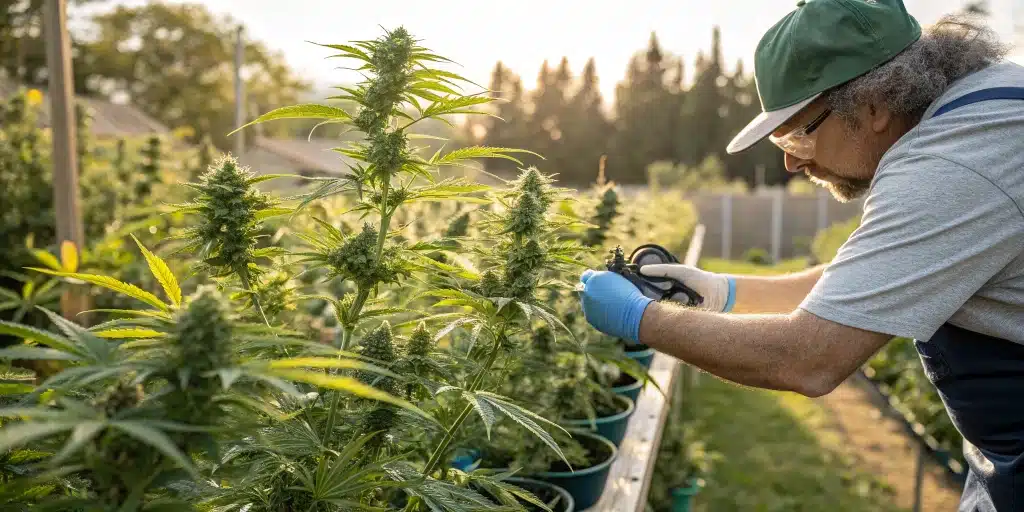
Effective pruning and canopy management are essential for maximizing light exposure and air circulation. By removing lower branches and excess foliage, you allow more light to reach the buds, promoting even growth and reducing the risk of mold. A well-managed canopy ensures that all buds mature uniformly.
Regular pruning sessions during the early flowering phase can boost yield by directing the plant’s energy towards producing larger, denser buds. This practice is crucial for maintaining plant health and maximizing the potential of your outdoor cannabis garden.
| Feature | Lemon Haze Auto | Northern Lights 10 | Purple Kush X White Russian |
|---|---|---|---|
| THC Content | 18-22% | 16-20% | 20-24% |
| Dominant Terpene | Limonene | Myrcene | Caryophyllene |
| Yield | 1.5-2 oz/ft² (450-600 g/m²) | 1.8-2.2 oz/ft² (550-670 g/m²) | 2-2.5 oz/ft² (600-750 g/m²) |
| Flowering Time | 8-9 weeks | 7-8 weeks | 9-10 weeks |
| Height | 3-4 ft (90-120 cm) | 4-5 ft (120-150 cm) | 3-4 ft (90-120 cm) |
Implement Plant Training Techniques
Topping, Fimming, and Low-Stress Training
These plant training techniques are crucial for maximizing yield. Topping involves cutting the main stem to promote multiple colas, while fimming trims new growth to encourage bushier development. Low-stress training gently bends branches, exposing more bud sites to light, enhancing lateral growth and yield potential.
During the vegetative stage, combining topping with low-stress training can create an even canopy, maximizing light exposure. These methods require precision but significantly boost yield by transforming plant structure and enhancing productivity.
Strategic Pruning for Better Airflow
Strategic pruning improves airflow and light distribution, essential for healthy bud development. Removing excess foliage and focusing on productive branches prevents mold and supports robust growth. This technique ensures each bud receives adequate resources, enhancing yield.
Regular pruning sessions help maintain a balanced canopy, simplifying harvest and improving plant health. By consistently applying these techniques, you enhance yield and reduce complications, providing a reliable answer to increasing yield during flowering.
Manage Watering and Irrigation
Consistent Watering Schedules
Establishing a consistent watering schedule is vital for preventing water stress. Aim for a steady moisture level, using tools like moisture meters to monitor soil conditions. This practice supports nutrient uptake and promotes strong growth, directly influencing bud development and yield.
Adjust your watering routine based on weather conditions, ensuring your plants never suffer from water stress. Consistent hydration provides a stable environment, maximizing your plants’ potential for a robust harvest.
Ensuring Proper Drainage and Moisture Control
Proper drainage is as crucial as consistent watering. Amend soil with perlite or sand to improve drainage, preventing water pooling and root rot. Maintaining a balance between moisture and aeration creates ideal conditions for robust growth and higher yields.
Natural rainfall can disrupt your watering schedule, so consider installing drainage systems or raised beds to control moisture levels effectively. These adjustments ensure your plants do not become waterlogged, preserving their yield potential.
Monitor Pest and Disease Prevention
Organic Pest Control Methods
Organic pest control methods, like neem oil and insecticidal soap, are effective for protecting plants during flowering. These natural options deter pests without harsh chemicals, maintaining plant health and yield. Regular treatments ensure pests are kept at bay, allowing plants to focus on growth.
Organic pest control supports sustainable growing practices and minimizes chemical residues. Consistent monitoring and timely intervention are key to controlling pest problems, proving that organic methods are reliable for maintaining a healthy garden.
Regular Inspection and Early Intervention
Regular plant inspections help catch signs of pest infestation or disease early. By observing plants routinely, you can identify problems before they escalate. Early intervention with appropriate treatments maintains plant health and prevents yield loss.
Scheduling weekly inspections and keeping detailed records of plant health can make a big difference. Early detection allows for quick action, minimizing damage and preserving yield, creating a stable environment for robust growth and a bountiful harvest.
Professional Tips for Outdoor Cannabis Cultivation
- Maintain 58-62% RH during flowering. This range optimizes terpene development and prevents mold. Use a digital hygrometer for accuracy.
- Ensure pH levels remain between 6.0-6.5 for nutrient absorption. Regular soil testing can prevent nutrient lockout.
- Use reflective materials to increase light exposure by 20%. This enhances photosynthesis and bud formation.
- Apply organic amendments like worm castings to improve soil health and yield. These enrich the soil structure and fertility.
- Implement topping and low-stress training for a fuller canopy. This maximizes light exposure and increases yield.
- Monitor for pests weekly and use neem oil as a preventive measure. Early intervention prevents infestations and yield loss.
FAQs about Increasing Yield During Flowering Outdoor
How to yield bigger buds during flowering?
To yield bigger buds during flowering, focus on optimizing light exposure and nutrient management. Ensure plants receive 10-12 hours of sunlight daily and maintain a nutrient ratio of N:P:K 1:3:2. Regular pruning and training techniques can also enhance bud size by directing energy to productive sites.
Should I water more during the flowering stage?
Watering should be consistent but not excessive during flowering. Use moisture meters to maintain optimal soil moisture, preventing water stress. Overwatering can lead to root rot, while under-watering reduces nutrient uptake. Adjust watering based on weather conditions to support healthy bud development.
How to fatten up outdoor buds?
To fatten up outdoor buds, implement strategic pruning and canopy management. Remove lower branches to enhance light penetration and airflow. Maintain a balanced nutrient regimen and ensure consistent watering to support bud growth. These practices promote larger, denser buds.
What week do buds fatten the most?
Buds typically fatten most during weeks 6 to 8 of the flowering stage. During this period, focus on maintaining optimal nutrient and water levels. Monitor plants closely for signs of nutrient deficiency or pest issues, which can impact bud development.
Can pruning increase yield during flowering?
Yes, pruning can significantly increase yield during flowering by improving light exposure and airflow. Remove excess foliage and lower branches to direct energy to productive bud sites. This practice enhances bud size and density, contributing to a more abundant harvest.