How to Extract THC from Flower: Step-by-Step Methods

THC extraction techniques: THC extraction involves methods to separate cannabinoids and terpenes from cannabis plant material, focusing on isolating trichomes where these compounds are concentrated. Both industrial and artisanal processes are employed, with ethanol extraction achieving up to 90% cannabinoid recovery. These methods are popular among home enthusiasts for their efficiency and ease of use.
Unlocking the full potential of cannabis involves knowing its terpene profile and flowering time. Terpenes, such as myrcene and limonene, contribute to the plant’s aroma and therapeutic effects. Flowering time, ranging from 8-10 weeks, impacts the potency and yield of THC. This guide delves into practical extraction methods, ensuring you maximize your harvest’s cannabinoid content.
Recommended Strains

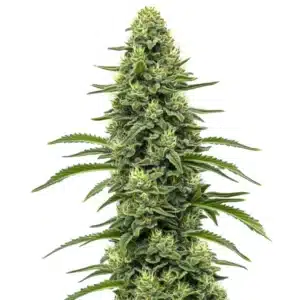
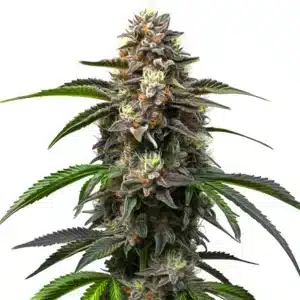
Bruce Banner Regular

|
THC | 25% - 32% (High) |

|
Type | Regular |

|
Yield | High |

|
Phenotype | 40% Indica / 60% Sativa |
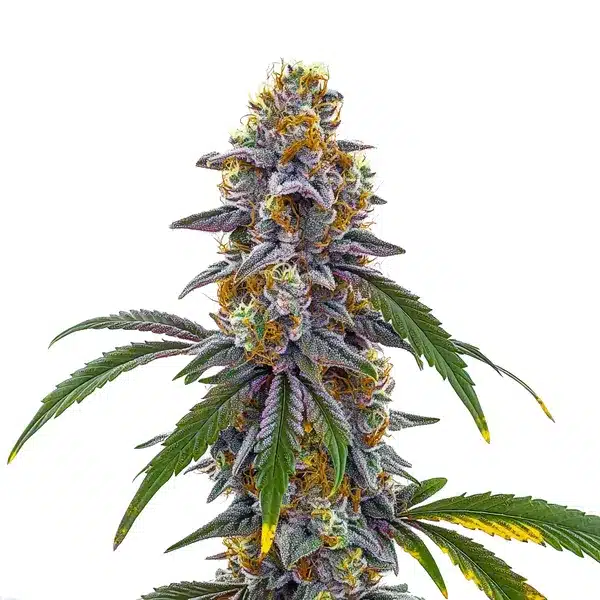
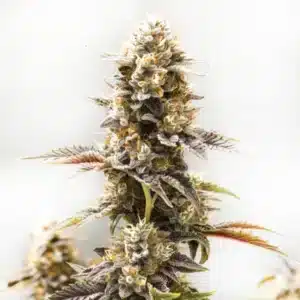
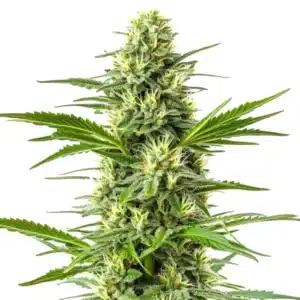
Candyland
|
|
THC | 18% - 20% (Medium) |
|
|
Type | Feminized |
|
|
Yield | High |
|
|
Phenotype | 30% Indica / 70% Sativa |
THC and Its Importance
What is THC?
Tetrahydrocannabinol (THC) is the primary psychoactive compound in cannabis, responsible for its intoxicating effects. It interacts with the body’s endocannabinoid system, particularly the CB1 receptors in the brain, to produce euphoria and relaxation. THC content in cannabis can range from 15% to 30%, depending on the strain and cultivation methods.
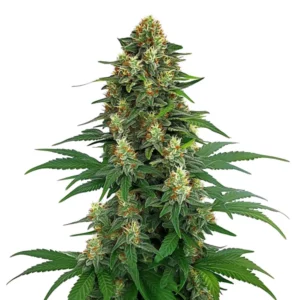
Strains like GG4 are renowned for their high THC levels, often reaching 25-30%. This potency makes them a favorite among recreational users seeking intense effects. Blimburn Seeds offers a variety of high-THC strains, ensuring you find the perfect match for your needs.
Benefits of THC Extraction
Extracting THC from cannabis flower offers several advantages, including increased potency and versatility in consumption. Concentrates can contain up to 80% THC, providing a more intense experience than smoking flower. Additionally, extracts are ideal for making edibles, tinctures, and topicals, allowing for precise dosing and diverse applications.
Many cultivators report that THC extraction enhances the therapeutic potential of cannabis, as it allows for the isolation of specific cannabinoids and terpenes. This process can also remove unwanted plant material, resulting in a cleaner, more refined product.
Promos & Deals


How to Extract THC from Flower
Preparation and Safety Measures
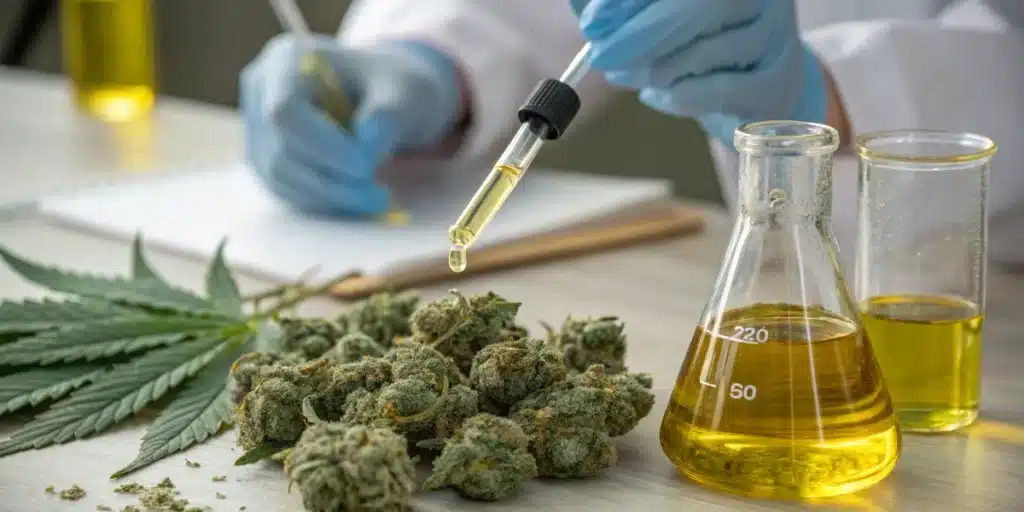
Before beginning the extraction process, ensure you have the necessary equipment, including a solvent like ethanol, a filtration system, and safety gear. Maintaining a well-ventilated workspace is crucial, as solvents can be flammable and emit harmful fumes. Always wear gloves and goggles to protect yourself from potential hazards.
Experienced growers emphasize the importance of using high-quality cannabis flower, as this directly impacts the potency and purity of the final extract. Aim for a strain with a THC content of at least 20% to maximize yield. Additionally, ensure your flower is properly cured, with moisture levels between 58-62% RH, to prevent mold and degradation.
Step-by-Step Guide to Extraction
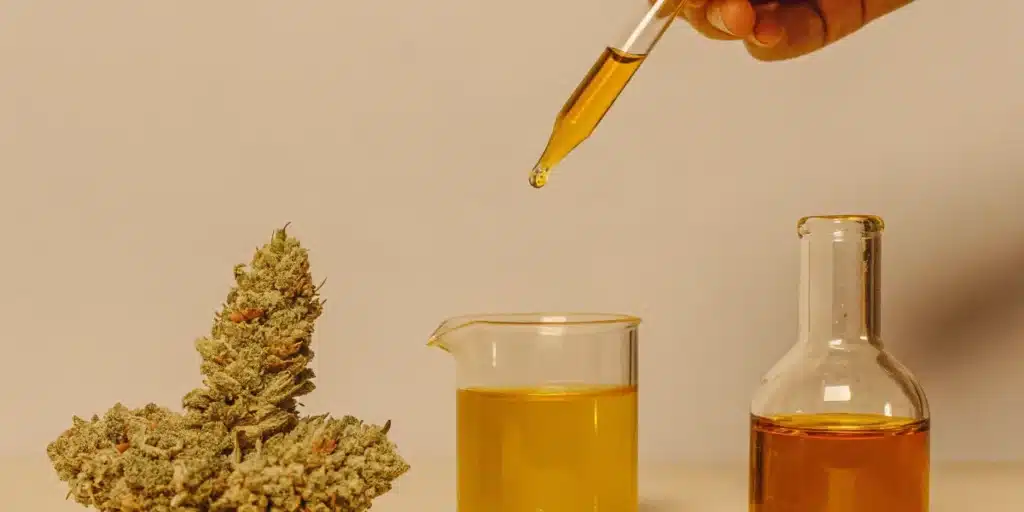
The process of extracting THC oil from flower involves several steps, starting with decarboxylation. Heat the cannabis at 220°F (104°C) for 30-45 minutes to activate the THC. Next, combine the decarboxylated flower with ethanol in a mason jar, ensuring the plant material is fully submerged. Shake the jar for 3-5 minutes to agitate the mixture.
For those considering a THC extraction machine for home use, these devices streamline the process by automating agitation and filtration. However, while hot water is not typically used to extract THC, it can be employed in cold water extraction methods, which rely on temperature differences to separate trichomes.
To make a THC extract, you need to filter the ethanol solution through a fine mesh or coffee filter to remove plant material. Evaporate the ethanol using a double boiler or a dedicated evaporator, ensuring the temperature does not exceed 180°F (82°C) to preserve cannabinoids. Similar to THC, CBD can also be extracted from the plant at home using these methods.
THC extraction from hemp follows similar principles, though the starting material often contains lower THC levels. Cold water extraction is a popular method for extracting THC, as it preserves terpenes and flavonoids while minimizing solvent use.
Methods of THC Extraction
How to Extract THC with Ethanol
Using ethanol as a solvent, THC can be extracted by soaking decarboxylated cannabis in ethanol for 24-48 hours. This method is favored for its simplicity and efficiency, often yielding up to 90% cannabinoid recovery. Ensure the ethanol is food-grade and evaporate it completely to avoid residual solvent in the final product.
Ethanol extraction is popular among home enthusiasts due to its accessibility and safety compared to other solvents like butane. Many cultivators share that ethanol preserves the full spectrum of cannabinoids and terpenes, enhancing the entourage effect.
Cold Water THC Extraction
Cold water extraction is a solvent-free method that uses ice water to separate trichomes from plant material. The process involves agitating cannabis in ice water, causing trichomes to break off and sink due to their density. This method is ideal for preserving terpenes and producing high-quality hash.
Master growers have pointed out that cold water extraction requires patience and precision, as the temperature and agitation must be carefully controlled. The resulting product, often called bubble hash, can contain up to 60% THC, depending on the starting material.
| Feature | GG4 | Bruce Banner Regular | Candyland |
|---|---|---|---|
| THC Content | 27% | 25-32% | 18-20% |
| Dominant Terpene | Humulene | Limonene | Pinene |
| Effect | Happy, Relaxed, Talkative | Focused, Happy, Relaxed | Happy, Hungry, Relaxed |
| Yield (Indoor) | 1.64 – 1.97 oz/ft² | 1.47 – 1.97 oz/ft² | 1.64 – 2.13 oz/ft² |
| Flowering Time | 8-10 weeks | 8-10 weeks | 8-10 weeks |
Professional Tips for THC Extraction
- Maintain 58-62% RH during curing to preserve terpene profiles. Below 55% can lead to terpene loss, while above 65% risks mold growth.
- Use food-grade ethanol for extraction to ensure safety and purity. Avoid denatured alcohol, which contains harmful additives.
- Decarboxylate cannabis at 220°F (104°C) for optimal THC activation. Higher temperatures can degrade cannabinoids.
- Filter ethanol solutions with a fine mesh to remove plant material. This step is crucial for a clean, potent extract.
- Store extracts in airtight containers at 59-70°F (15-21°C) to maintain potency. Exposure to light and heat can degrade cannabinoids.
- Consider using a THC extraction machine for consistent results. These devices automate the process, reducing the risk of human error.
FAQs on THC Extraction
What is the best method to extract THC?
The best method for extracting THC is ethanol extraction, which can achieve up to 90% cannabinoid recovery. It is favored for its safety, efficiency, and ability to preserve a full spectrum of cannabinoids and terpenes. This method is accessible for home enthusiasts and provides a clean, potent extract.
Is THC bad for PVCs?
THC can potentially exacerbate premature ventricular contractions (PVCs) due to its psychoactive effects on the cardiovascular system. Users with heart conditions should consult a healthcare professional before consuming THC. Monitoring dosage and frequency is crucial to minimize potential risks associated with THC use.
How to activate THC in flowers?
To activate THC in cannabis flowers, decarboxylate them by heating at 220°F (104°C) for 30-45 minutes. This process converts THCA into psychoactive THC, enhancing its effects. Proper decarboxylation is essential for making edibles and other cannabis-infused products.
How much THC is in a gram of flower?
A gram of cannabis flower typically contains 150-300 mg of THC, depending on the strain’s potency. Strains like GG4 can have THC levels as high as 30%, while others may be lower. Accurate THC content is crucial for dosing and achieving desired effects.
Can hot water extract THC?
Hot water is generally ineffective for extracting THC, as cannabinoids are not water-soluble. However, cold water methods can separate trichomes, which contain THC. This technique is used in making bubble hash, a solvent-free concentrate with preserved terpene profiles.