Ashwagandha and THC: What to Know Before Combining Them

Quick answer: Ashwagandha is a calming adaptogenic herb and THC is the main active compound in cannabis; both can promote relaxation and drowsiness. Some people combine them hoping for added stress relief or better sleep, but because both are sedating, together they may increase drowsiness, and research on the specific interaction is limited. Talk to a healthcare professional before combining them, especially if you take medication.
Ashwagandha and THC: A Closer Look
Ashwagandha, an adaptogenic herb used in traditional medicine, and THC, the main psychoactive compound in cannabis, are both popular for relaxation, so it is natural that people ask about using them together. Both are associated with calming, stress-reducing effects, which is the usual reason for the interest.
Recommended Strains

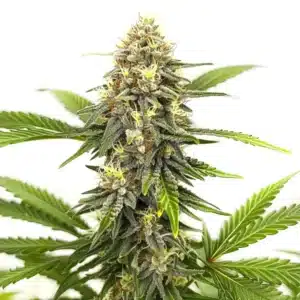
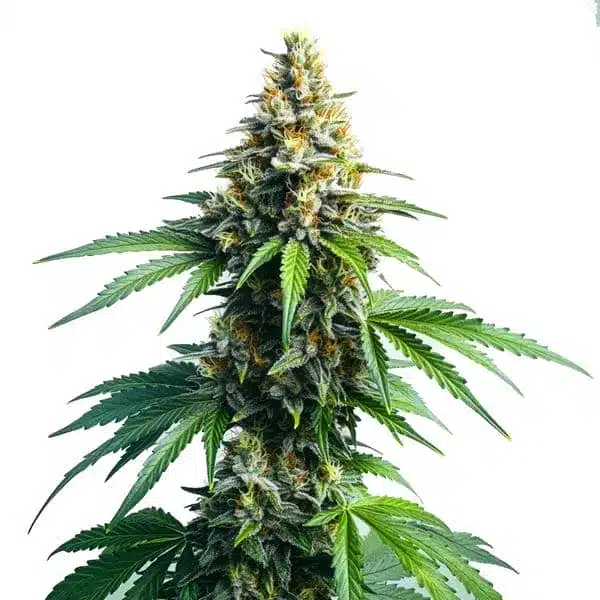
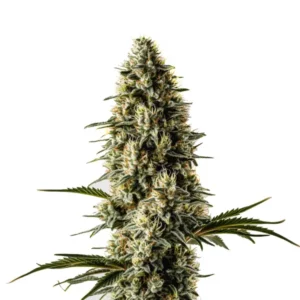
Afghan Autoflower

|
THC | 15% - 17% (Medium) |

|
Type | Autoflowering |

|
Yield | Medium |

|
Phenotype | 90% Indica / 10% Sativa |
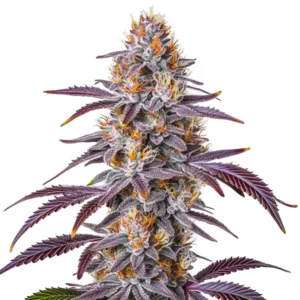
Afghan Kush
|
|
THC | 16% - 21% (Medium) |
|
|
Type | Feminized |
|
|
Yield | High |
|
|
Phenotype | 90% Indica / 10% Sativa |
It is important to be realistic: while each has been studied individually, high-quality research on combining them specifically is limited. This article explains what each one is, why people combine them, and the sensible precautions, but it is general information, not medical advice. Anyone considering the combination, particularly alongside medication, should speak with a doctor first.
| Questions | Ashwagandha | THC (cannabis) |
|---|---|---|
| What it is | An adaptogenic herb/supplement | The main intoxicating cannabinoid in cannabis |
| Common reported use | Stress, relaxation, sleep support | Relaxation, euphoria, appetite, pain relief |
| Both can cause | Drowsiness, calm | Drowsiness, sedation |
| Combining | May add to sedation/drowsiness; research on the interaction is limited, talk to a doctor | |
Promos & Deals

Why People Combine Them
The appeal is mostly about relaxation and sleep. Ashwagandha is widely used as a stress and sleep support, and many people use THC to unwind, so combining them is often an attempt to enhance calm or rest. Some also pair a daytime adaptogen with occasional cannabis use as part of a general wellness routine.
That said, ‘may help some people relax’ is very different from a proven benefit. Individual responses vary a lot, and what feels relaxing for one person can feel like too much sedation for another. Treat any combined use as personal experimentation to approach cautiously, not as an established remedy, and keep expectations modest.
| Feature | Illemonati | Blue Dream | Amnesia Haze Auto |
|---|---|---|---|
| THC Content | 22-26% | 18-22% | 20-24% |
| Dominant Terpene | Limonene | Myrcene | Caryophyllene |
| Flavor Profile | Citrus, Pine | Berry, Sweet | Spicy, Earthy |
| Effect Duration | 2-3 hours | 3-4 hours | 2-3 hours |
| Suitable For | Daytime Use | Creative Tasks | Relaxation |
Possible Side Effects and Interactions
The most likely issue with combining ashwagandha and THC is additive sedation: because both can cause drowsiness and relaxation, together they may make you more sleepy, groggy or mentally foggy than expected. Starting low and not driving or operating machinery is sensible if you ever try them together.
There are also individual considerations. Ashwagandha may not be suitable for people who are pregnant or breastfeeding, have thyroid or autoimmune conditions, or take certain medications (including sedatives), and cannabis has its own contraindications and can interact with medicines. Because both act on the body in overlapping ways, the safest step is to review your specific situation with a healthcare professional rather than assume it is fine.
Using Them Responsibly
If, after speaking to a professional, you do use them together, basic caution applies: start with low amounts of each, try them at a time when you do not need to be alert, avoid driving, and do not mix them with alcohol or other sedatives. Pay attention to how you feel and stop if you feel overly sedated or unwell.
Remember this is general information, not a recommendation or medical advice, and cannabis is not legal everywhere. If your goal is relaxation or better sleep, there are many approaches worth discussing with a professional. For related reading on cannabis and calm, see our guides on terpenes for anxiety and THC as a muscle relaxant.
Who Should Be Especially Careful
Some people should be particularly cautious or avoid combining ashwagandha and THC altogether. That includes anyone who is pregnant or breastfeeding, people with thyroid conditions or autoimmune disorders (for whom ashwagandha may be unsuitable), and anyone taking sedatives, sleep aids, blood pressure, thyroid or immunosuppressant medications, since interactions are possible.
Young people, anyone with a history of mental-health conditions affected by THC, and those who need to drive or work should also think twice. None of this means the combination is dangerous for every healthy adult, but it does mean the sensible default is to check with a healthcare professional who knows your history before combining them, rather than assuming it is fine.
Professional Tips for Combining Ashwagandha and THC
- Start with 300 mg of ashwagandha and 5 mg of THC to assess tolerance. Gradually increase as needed to avoid adverse effects.
- Maintain a journal to track dosage and effects, helping to identify the optimal combination for stress relief and relaxation.
- Consult a healthcare professional before combining ashwagandha with THC, especially if you have existing health conditions.
- Avoid combining with alcohol, as it can increase sedation and impair cognitive function.
- Ensure THC products are sourced from reputable suppliers to avoid contaminants that could affect interactions.
- Be mindful of local laws regarding THC use, as regulations vary by region and can impact legal consumption.
FAQs about Ashwagandha and THC
Can you take ashwagandha and THC together?
Some people do, usually for relaxation or sleep, but because both can be sedating they may increase drowsiness together, and research on the specific combination is limited. It is not automatically unsafe for healthy adults, but you should talk to a healthcare professional first, especially if you take medication or have a health condition.
Does ashwagandha interact with weed?
The main concern is additive sedation, since both ashwagandha and cannabis can cause drowsiness and calm, so combined they may make you more sleepy or foggy. Ashwagandha may also be unsuitable with certain conditions or medications. Evidence on the direct interaction is limited, so check with a doctor before combining them.
Is ashwagandha like weed?
No. Ashwagandha is a non-intoxicating adaptogenic herb used for stress and sleep support; it does not get you high. THC in cannabis is psychoactive and does. They are sometimes used for similar goals (relaxation), but they are very different substances that work in different ways. This is general information, not medical advice.
Is it safe to mix ashwagandha with cannabis every day?
Daily combined use is not well studied, so it cannot be called clearly safe. Both can be sedating, and long-term or daily use raises more questions about tolerance, interactions and underlying conditions. If you are considering regular combined use, discuss it with a healthcare professional first. This is general information, not medical advice.
Does ashwagandha make a weed high stronger?
There is no good evidence that ashwagandha intensifies a THC high. Both can be relaxing, so together you may feel calmer or sleepier, but that is additive sedation rather than a stronger high. Responses vary, and research on the combination is limited, so start low and consult a professional. This is not medical advice.
What are the benefits people look for?
People usually combine them hoping for added relaxation, stress relief or better sleep, since both are associated with calming effects. These are reported, personal reasons rather than proven medical benefits, and results vary widely. Approach it cautiously, start low, and speak to a healthcare professional. This is general information, not medical advice.