How to Extract THC Oil from Flower: A Step-by-Step Guide

THC Extraction Process: Extracting THC oil from cannabis flower involves removing trichomes, the resin-filled glands rich in THC, from the plant material. Popular DIY methods include oil infusion for edibles and topicals, and solvent extraction for creating potent concentrates. These methods ensure efficient extraction, allowing you to produce high-quality THC oil at home.
Extracting THC oil from cannabis flower requires precision and knowing of terpene profiles and flowering times. Terpenes like myrcene and limonene contribute to the oil’s aroma and effects. Flowering time, ranging from 8 to 10 weeks, impacts the potency and yield of the oil. This guide explores various extraction methods to maximize your results.
Recommended Strains

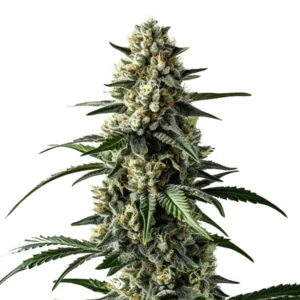
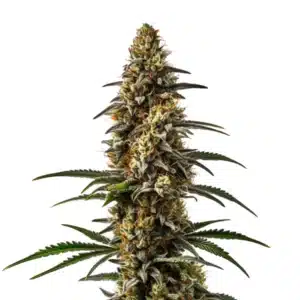
GG4

|
THC | 27% (High) |

|
Type | Feminized |

|
Yield | High |

|
Phenotype | 40% Indica / 60% Sativa |

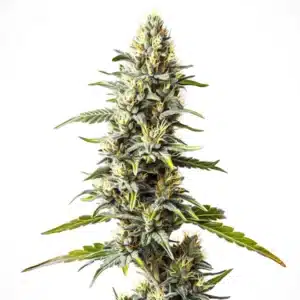
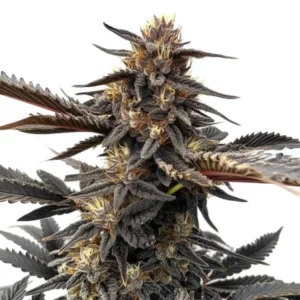
Cafe Racer
|
|
THC | 25% (High) |
|
|
Type | Feminized |
|
|
Yield | Medium |
|
|
Phenotype | 30% Indica / 70% Sativa |
THC and Its Benefits
What is THC?
THC, or tetrahydrocannabinol, is the primary psychoactive compound found in cannabis. It interacts with the body’s endocannabinoid system, particularly the CB1 receptors in the brain, producing effects such as euphoria and relaxation. Typically, THC concentrations in cannabis strains range from 15% to 30%, influencing the potency of the extracted oil.
Experienced growers report that strains like GG4 can reach THC levels of 27%, making them ideal for potent oil production. The presence of terpenes like myrcene, which enhances THC uptake, further augments the oil’s effects.
Benefits of THC Oil
THC oil offers numerous benefits, including pain relief, appetite stimulation, and mood enhancement. It is commonly used in medical settings to manage chronic pain and nausea. The oil’s effects can vary depending on the concentration and the presence of other cannabinoids and terpenes.
Many cultivators share that using THC oil in edibles allows for precise dosing, typically ranging from 10 to 20 mg per serving. This method provides a longer-lasting effect compared to smoking or vaping, making it a preferred choice for those seeking sustained relief.
Promos & Deals


Preparing for Extraction
Decarboxylation: The Crucial First Step
Decarboxylation is essential for activating THC in cannabis. This process involves heating the flower to convert THCA into THC, enhancing the psychoactive effects. Typically, decarboxylation is achieved by baking cannabis at 220°F (104°C) for 30 to 45 minutes.
Master growers have pointed out that maintaining a consistent temperature is crucial to prevent degradation of cannabinoids and terpenes. A calibrated oven thermometer ensures accuracy, preventing the loss of potency during this critical step.
How to Extract THC Oil from Flower
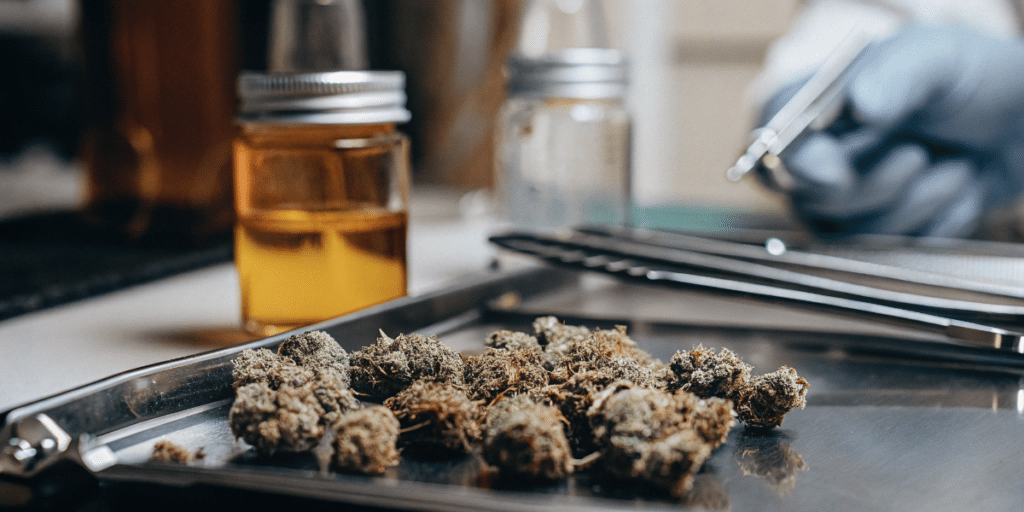
There are several methods to extract THC oil from flower, each with its own advantages. The oil infusion method involves soaking decarboxylated cannabis in a carrier oil, such as coconut or olive oil, and heating it gently. This method is ideal for making canna oil on the stove top or in a slow cooker.
For those looking for a more potent concentrate, solvent extraction using ethanol is a popular choice. This method involves soaking the flower in ethanol, then evaporating the solvent to leave behind pure THC oil. It’s crucial to use food-grade ethanol to ensure safety and quality.
Advanced Extraction Techniques
Using a THC Oil Extraction Machine
THC oil extraction machines streamline the process, offering precision and efficiency. These machines use CO2 or ethanol as solvents, providing a clean and potent extract. Investing in a THC oil extraction machine can significantly enhance the quality and yield of your oil.
Many cultivators share that these machines can process large quantities of flower, producing consistent results. They are particularly beneficial for those looking to scale up production or achieve higher purity levels in their extracts.
How to Extract THC with Ethanol
Extracting THC with ethanol is a straightforward process that involves soaking the cannabis flower in ethanol, then filtering and evaporating the solvent. This method is favored for its simplicity and effectiveness in preserving terpenes and cannabinoids.
It’s important to perform this extraction in a well-ventilated area and use a double boiler to gently evaporate the ethanol. This ensures safety and prevents the loss of volatile compounds, resulting in a high-quality THC oil.
Making THC Oil Tinctures and Other Products
How to Make THC Oil Tincture
Creating a THC oil tincture involves dissolving THC oil in a carrier like alcohol or glycerin. This method allows for precise dosing, with typical concentrations ranging from 100 to 300 mg of THC per ounce. Tinctures are versatile, suitable for sublingual use or incorporation into beverages.
Many cultivators share that tinctures offer a discreet and convenient way to consume THC, with effects lasting up to 4 hours. Proper storage in a cool, dark place preserves potency and extends shelf life.
Cannabis-Infused Oil for Gummies
Cannabis-infused oil is a popular ingredient for making gummies, offering a consistent and flavorful experience. The oil is mixed with gelatin and flavorings, then poured into molds to set. Each gummy typically contains 5 to 10 mg of THC, allowing for controlled consumption.
Experienced growers report that using a precise scale to measure ingredients ensures consistency in potency and flavor. Gummies should be stored in an airtight container to maintain freshness and prevent degradation.
Professional Tips for THC Oil Extraction
- Maintain 58-62% RH during decarboxylation to preserve terpenes. Use a digital hygrometer for accuracy.
- Use food-grade ethanol for solvent extraction to ensure safety and quality.
- Invest in a THC oil extraction machine for consistent results and higher purity levels.
- Store THC oil in amber glass bottles at 59-70°F (15-21°C) to prevent degradation.
- Use a double boiler to evaporate ethanol safely, preserving volatile compounds.
- Measure ingredients precisely when making gummies to ensure consistent potency.
FAQs on THC Oil Extraction
How to extract oil from a flower?
To extract oil from a flower, decarboxylate the cannabis, then use an oil infusion or solvent extraction method. Oil infusion involves soaking the flower in a carrier oil, while solvent extraction uses ethanol to dissolve the cannabinoids. Both methods yield potent THC oil, with yields varying based on flower quality.
How to extract THC out of flowers?
Extracting THC from flowers involves decarboxylation followed by oil infusion or solvent extraction. Decarboxylate at 220°F (104°C) for 30-45 minutes, then choose your method. Oil infusion is ideal for edibles, while solvent extraction offers a more concentrated product. Both methods require precision for optimal results.
What is the best solvent for extracting THC?
Ethanol is widely regarded as the best solvent for extracting THC due to its safety and effectiveness. It preserves terpenes and cannabinoids, resulting in a high-quality extract. Ensure you use food-grade ethanol for safety, and perform the extraction in a well-ventilated area to avoid hazards.
How much oil from 1 oz of bud?
From 1 oz of cannabis bud, you can typically extract 3 to 4 grams of THC oil, depending on the strain’s potency and extraction method. Using a high-THC strain like GG4 can increase yield, as these strains often have THC levels of 27%.
Can I use THC oil in edibles?
Yes, THC oil is ideal for use in edibles, providing consistent dosing and long-lasting effects. Typically, edibles contain 10 to 20 mg of THC per serving. Ensure the oil is evenly distributed in the mixture to maintain consistent potency across servings, enhancing the overall experience.