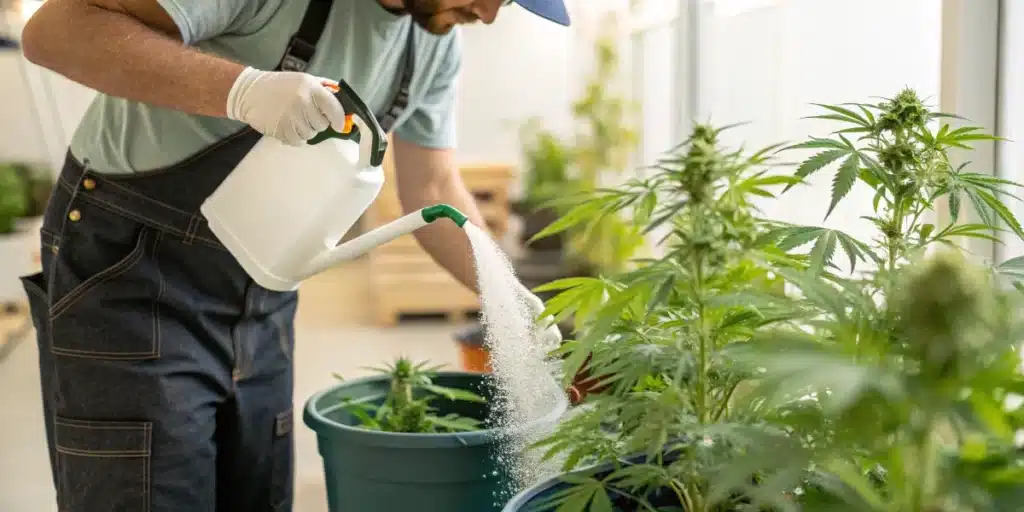
How Much Epsom Salt for Plants: A Complete Guide

Optimal Epsom Salt Use: For a balanced liquid feed, dissolve 1 tablespoon of Epsom salt per gallon of water. This solution can be used for root feeding or as a foliar spray monthly to enhance magnesium levels. Prior to application, soil testing is advised to confirm magnesium deficiency, ensuring the necessity of this supplement.
Enhancing plant health with Epsom salt involves knowing its role in magnesium supplementation. While Epsom salt is beneficial for many plants, it’s crucial to tailor its use based on plant type and growth stage. This guide will navigate through the specifics of application, ensuring optimal plant health and growth.
Recommended Strains
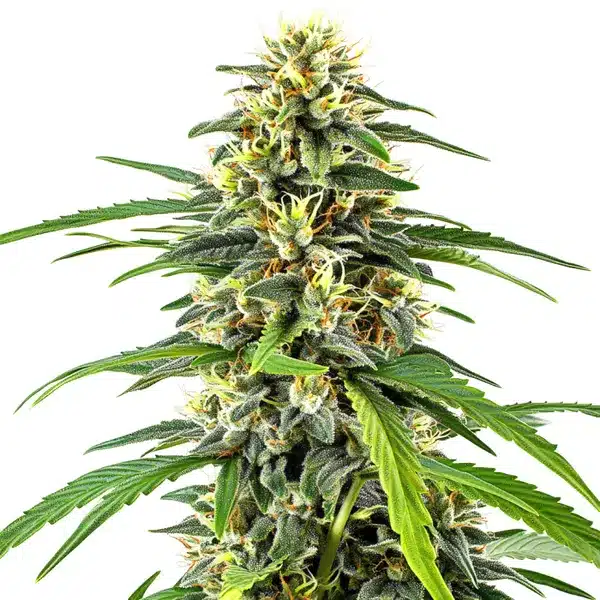
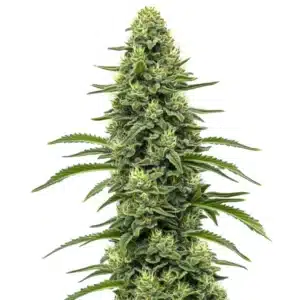
Amnesia Haze

|
THC | 18% - 22% (Medium) |

|
Type | Feminized |

|
Yield | High |

|
Phenotype | 30% Indica / 70% Sativa |
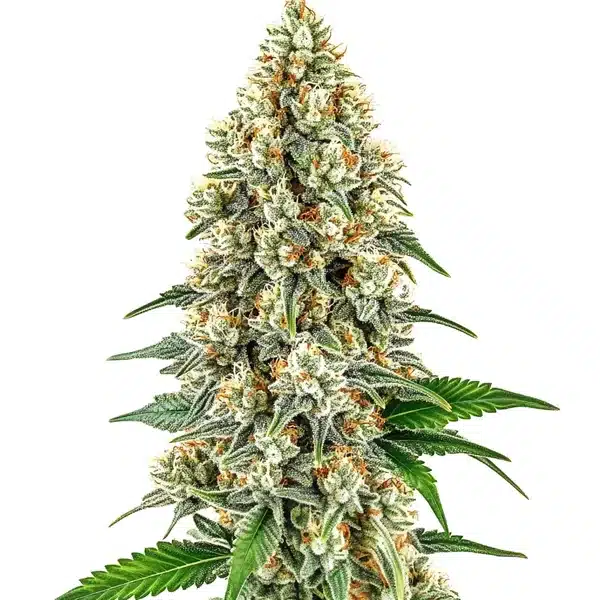
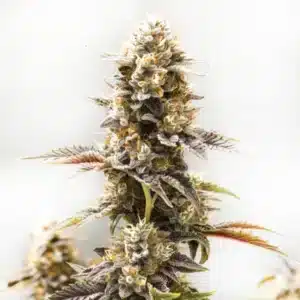
Cinderella 99
|
|
THC | 13% - 17% (Medium) |
|
|
Type | Feminized |
|
|
Yield | High |
|
|
Phenotype | 20% Indica / 80% Sativa |
Epsom Salt and Its Benefits
What is Epsom Salt?
Epsom salt, chemically known as magnesium sulfate, is a mineral compound composed of magnesium, sulfur, and oxygen. It is commonly used in gardening to correct magnesium deficiencies, which can manifest as yellowing leaves and stunted growth. Magnesium is vital for photosynthesis, as it is a central component of chlorophyll molecules.
In the context of cannabis cultivation, magnesium plays a critical role in enhancing the production of terpenes and cannabinoids. Experienced growers often report that supplementing with Epsom salt can lead to more vibrant foliage and improved overall plant vigor, especially in magnesium-deficient soils.
Benefits of Using Epsom Salt for Plants
Using Epsom salt can significantly enhance plant growth by boosting magnesium levels, which in turn supports chlorophyll production and nutrient absorption. This can lead to healthier, more robust plants with improved resistance to pests and diseases. Additionally, Epsom salt can enhance the uptake of other essential nutrients like nitrogen and phosphorus.
For flowering plants, Epsom salt can be particularly beneficial. Many cultivators share that applying Epsom salt as a foliar spray during the flowering stage can enhance bud development and increase the density of flowers. This is due to magnesium’s role in energy transfer and the synthesis of plant hormones.
Promos & Deals
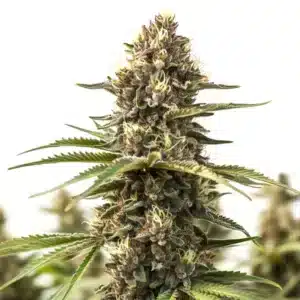


How Much Epsom Salt for Plants
How Much Epsom Salt for Plants Per Gallon
For most plants, dissolve 1 tablespoon of Epsom salt per gallon of water. This concentration is generally safe for a wide range of plants and can be applied either as a soil drench or a foliar spray. It’s essential to adjust the dosage based on the specific needs of your plants and the results of soil testing.
While this standard mixture works for many plants, some sensitive species may require a more diluted solution to prevent potential leaf burn or nutrient imbalance. Always start with a lower concentration and increase as needed based on plant response.
How to Mix Epsom Salt for Plants
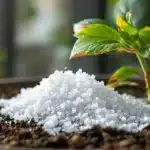
Mixing Epsom salt for plants involves dissolving it in warm water, which helps the salt dissolve more completely. Start by adding 1 tablespoon of Epsom salt to a gallon of warm water, stirring until fully dissolved. This solution can then be applied directly to the soil or used as a foliar spray.
It’s crucial to ensure that the solution is evenly mixed to prevent uneven distribution of magnesium, which could lead to localized deficiencies or toxicities. Always use a clean, dedicated container for mixing to avoid contamination with other substances.
| Feature | Cinderella 99 | GG4 | Amnesia Haze |
|---|---|---|---|
| THC % | 13-17% | 27% | 18-22% |
| Dominant Terpene | Terpinolene | Humulene | Myrcene |
| Yield Indoor | 1.64 oz/ft² | 500 g/m² | 1.64 – 1.97 oz/ft² | 500 – 600 g/m² | 1.64 – 1.97 oz/ft² | 500 – 600 g/m² |
| Flowering Time | 8-10 weeks | 8-10 weeks | 8-10 weeks |
| Effect | Creative, Focused, Hungry | Happy, Relaxed, Talkative | Creative, Focused, Hungry |
Application Techniques
How to Use Epsom Salt for Flowering Plants
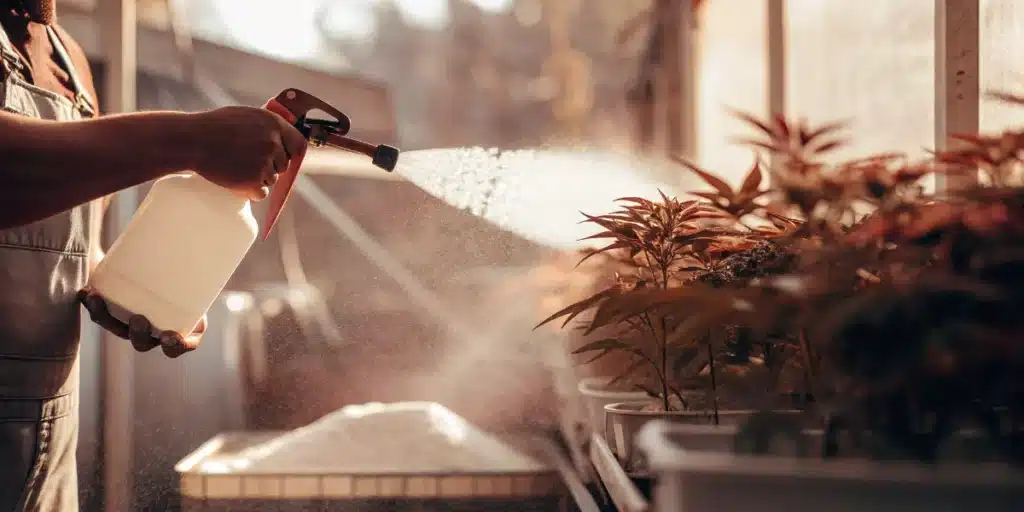
Flowering plants can benefit significantly from Epsom salt, particularly when applied as a foliar spray. This method allows for quick absorption of magnesium through the leaves, enhancing photosynthesis and energy production during critical growth stages. Apply the spray once a month for best results.
Ensure the application is done during the early morning or late afternoon to prevent leaf burn from the sun. The growing community has communicated that consistent use during flowering can lead to denser, more resinous buds.
How to Use Epsom Salt for Indoor Plants
Indoor plants often require a more cautious approach due to the controlled environment. A diluted solution of Epsom salt, such as 1 teaspoon per gallon of water, is recommended to prevent salt buildup in the soil. This can be applied monthly to support healthy foliage and vibrant blooms.
Master growers have pointed out that monitoring soil pH and nutrient levels is crucial when using Epsom salt indoors to avoid nutrient lockout or imbalances. Regular flushing of the soil can help mitigate any potential issues.
Considerations and Precautions
What Plants Don’t Like Epsom Salt
Some plants, like sage and rosemary, may not respond well to Epsom salt due to their natural preference for lower magnesium levels. These plants can suffer from nutrient imbalances if Epsom salt is applied excessively. Always research the specific needs of your plants before applying any supplements.
Experienced gardeners recommend observing plant response closely after initial applications and adjusting as necessary. In some cases, alternative magnesium sources may be more appropriate for sensitive species.
Will Epsom Salt Kill Plants?
Excessive use of Epsom salt can indeed harm plants, leading to symptoms such as leaf burn, yellowing, and stunted growth. It’s crucial to adhere to recommended dosages and observe plant response. If adverse effects are noticed, discontinue use and flush the soil with fresh water to remove excess salts.
Many cultivators share that moderation and careful observation are key to successfully using Epsom salt without detrimental effects. Regular soil testing can help prevent over-application and ensure balanced nutrient levels.
Epsom Salt for Plants Benefits and Side Effects
While Epsom salt can boost plant growth by providing essential magnesium, overuse may lead to nutrient imbalances, affecting plant health. The benefits include enhanced chlorophyll production and improved nutrient uptake, but the side effects of over-application can include salt buildup and reduced soil fertility.
In artisanal cultivation circles, it’s advised to balance Epsom salt use with other nutrients to maintain overall soil health. Regular monitoring and adjustments based on plant needs are crucial for optimal results.
Where to Buy Epsom Salt for Plants
Epsom salt is widely available at garden centers and online retailers like Amazon. When purchasing, ensure the product is labeled as pure magnesium sulfate without additives. This ensures the highest quality for gardening purposes and prevents potential contamination from other substances.
Buying in bulk can be cost-effective for larger gardens, but always store the product in a cool, dry place to maintain its efficacy. Many cultivators prefer sourcing from reputable suppliers to guarantee product purity and consistency.
Professional Tips for Using Epsom Salt
- Maintain a 1 tablespoon per gallon ratio for general use. This concentration supports healthy magnesium levels without risking toxicity.
- Test soil magnesium levels before application. Unnecessary supplementation can lead to nutrient lockout.
- Apply foliar sprays in the early morning or late afternoon. This timing prevents leaf burn from midday sun exposure.
- For indoor plants, use a diluted solution of 1 teaspoon per gallon. This prevents salt buildup in confined environments.
- Observe plant response closely after initial applications. Adjust dosage based on visible plant health and growth patterns.
- Regularly flush soil with fresh water to prevent salt accumulation. This practice maintains soil health and nutrient balance.
FAQs on Epsom Salt for Plants
Can I just sprinkle Epsom salt on plants?
Sprinkling Epsom salt directly on plants is not recommended. It can lead to uneven distribution and potential leaf burn. Instead, dissolve 1 tablespoon of Epsom salt per gallon of water for a balanced application. This method ensures even nutrient distribution and minimizes the risk of plant damage.
Which plants do not like Epsom salt?
Plants like sage and rosemary typically do not benefit from Epsom salt due to their preference for lower magnesium levels. Overuse on these plants can cause nutrient imbalances. Always research plant-specific needs before applying Epsom salt to ensure it is beneficial.
Can too much Epsom salt hurt plants?
Yes, excessive Epsom salt can harm plants by causing leaf burn, yellowing, and stunted growth. Stick to recommended dosages, such as 1 tablespoon per gallon of water, and monitor plant response. If adverse effects occur, flush the soil with water to remove excess salts.
Can Epsom salt fix yellowing leaves?
Epsom salt can help address yellowing leaves if magnesium deficiency is the cause. Dissolve 1 tablespoon per gallon of water and apply as a foliar spray. This can quickly boost magnesium levels, improving leaf color and plant health. However, confirm magnesium deficiency before treatment.
What are the benefits of Epsom salt for flowering plants?
Epsom salt enhances flowering plants by boosting magnesium levels, which supports chlorophyll production and energy transfer. This can lead to denser, more vibrant blooms. Apply a foliar spray monthly during flowering for best results. Ensure the plant actually needs magnesium before application.