Expert Guide: Where Heavy Metals in Cannabis Come From Revealed

Heavy metals in cannabis can be a concern for anyone who grows or consumes it. These metals, like lead, cadmium, and mercury, may affect the quality and safety of cannabis products. But where do these heavy metals in cannabis come from? Let’s dive into the details and understand their origins.
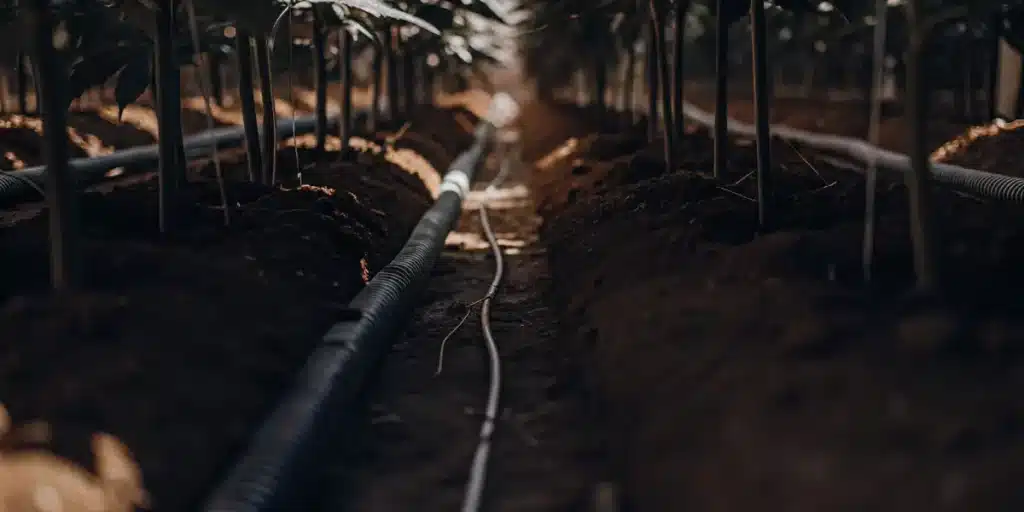
Heavy metals often find their way into cannabis through the soil in which the plants are grown. Contaminated soil can be a primary source of heavy metals in cannabis cultivation. Soil can contain these metals naturally, or they can be introduced through human activities like industrial pollution or the use of certain fertilizers.
Recommended Strains
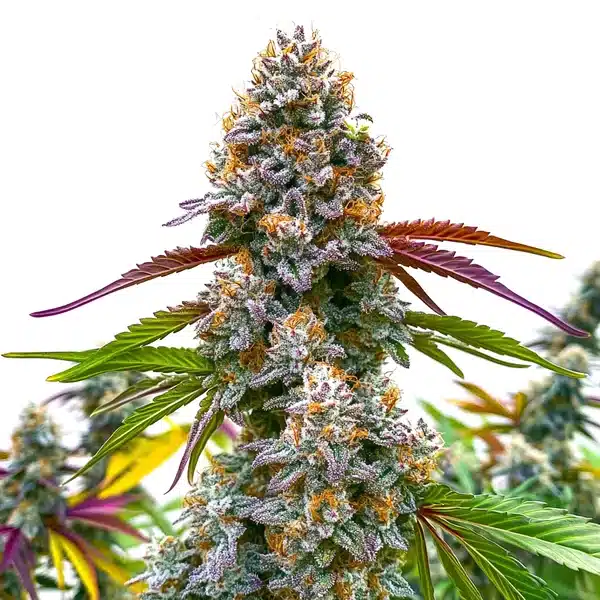
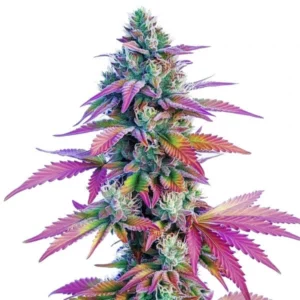
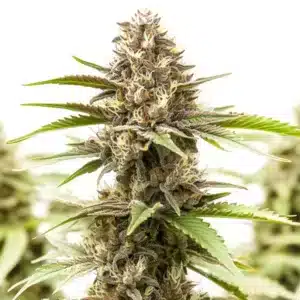
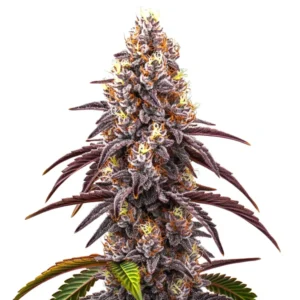
Critical Daddy Purple

|
THC | 19% (Medium) |

|
Type | Feminized |

|
Yield | High |

|
Phenotype | 50% Indica / 50% Sativa |

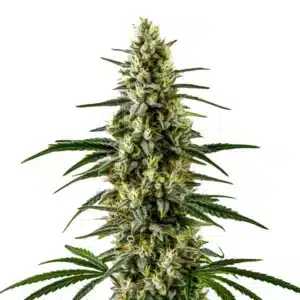
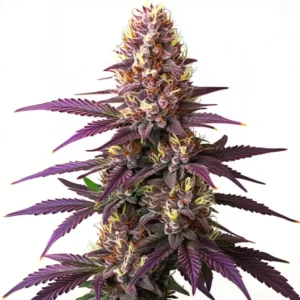
GG4
|
|
THC | 27% (High) |
|
|
Type | Feminized |
|
|
Yield | High |
|
|
Phenotype | 40% Indica / 60% Sativa |
Environmental factors also play a significant role in the presence of heavy metals in cannabis. Rainfall, air pollution, and even nearby industrial activities can contribute to heavy metal contamination in cannabis soil. Knowing these factors can help growers take effective measures to limit exposure to these toxic elements.
Sources of Heavy Metals in Cannabis Cultivation
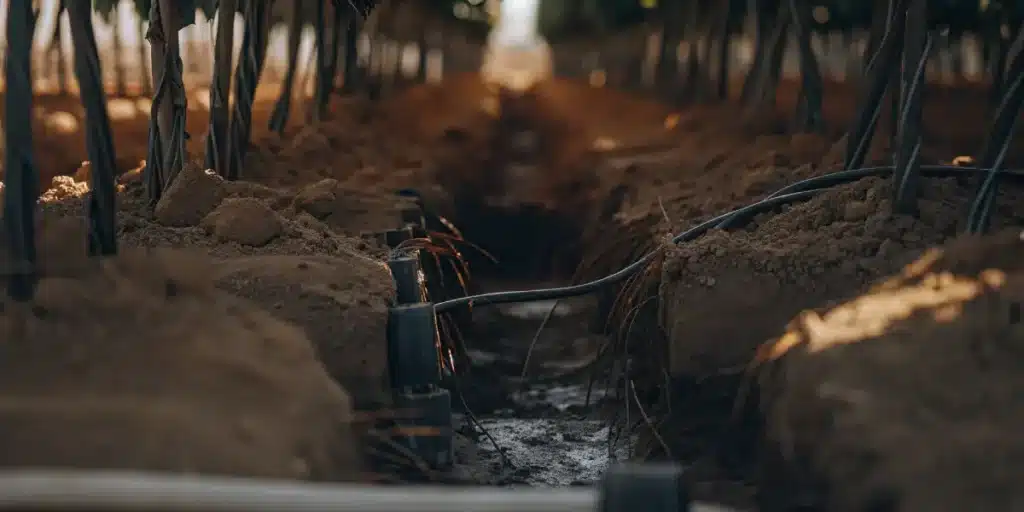
Soil is not the only source of heavy metals in cannabis cultivation. Water used for irrigation can also introduce these metals to the plants. If water is sourced from contaminated rivers or groundwater, it can carry heavy metals that ultimately get absorbed by cannabis plants.
Fertilizers and pesticides are another major source of heavy metals. Some fertilizers contain trace amounts of these metals, which can accumulate in the soil over time. When selecting fertilizers, it’s crucial for growers to choose those that are tested and certified to be low in heavy metal content.
Knowing where heavy metals in cannabis come from helps growers make informed decisions about their cultivation practices. By identifying the origins of toxic metals in cannabis plants, they can implement strategies to mitigate these risks. This includes selecting appropriate water sources and ensuring that all growing inputs, like fertilizers, are thoroughly vetted.
Another important consideration is the influence of the local environment. Areas with a history of industrial activity may have higher levels of metal contamination in both soil and water. Regular testing and monitoring are essential to manage these potential hazards effectively. By keeping a vigilant eye on these factors, growers can produce safer, higher-quality cannabis.
Promos & Deals
Heavy Metal Contamination in Cannabis Soil
Heavy metal contamination in cannabis soil can occur naturally or through human activities. In some regions, soil naturally contains higher levels of certain heavy metals due to the geological composition of the area. For instance, soils rich in minerals can naturally have higher concentrations of metals like arsenic or lead.
Industrial activities, such as mining or manufacturing, can significantly increase heavy metal levels in nearby soils. Even urban areas can see elevated levels of metals due to vehicle emissions and construction activities. For this reason, it’s essential to test soil before beginning cannabis cultivation.
The origins of toxic metals in cannabis plants are often traced back to their growing environment. High levels of metal contamination in soil can be a barrier to successful cultivation, as plants readily absorb these elements. By knowing the geographical and industrial history of a location, growers can better anticipate potential contamination issues.
Certain soil amendments can assist in reducing heavy metal contamination in cannabis soil. For example, adding organic matter can help bind metals in the soil, making them less available for plant uptake. This approach, combined with regular soil and plant testing, can provide a proactive solution to managing contamination risks in cannabis cultivation.
Environmental Factors Affecting Cannabis Heavy Metals
Environmental conditions greatly influence the uptake of heavy metals by cannabis plants. Rainwater can wash heavy metals from the air onto the soil and plants. Additionally, air pollution from factories or vehicles can deposit metals directly onto cannabis leaves.
Temperature and humidity also affect how plants absorb metals from the soil. In warmer climates, plants may take up more water to stay hydrated, potentially increasing the uptake of any dissolved metals. Monitoring environmental conditions can help mitigate these risks.
Environmental factors affecting cannabis heavy metals include not only atmospheric conditions but also the broader ecological health of a region. For example, proximity to heavy traffic or industrial zones can exacerbate the levels of airborne metals that settle on crops. Knowing these dynamics is crucial for maintaining safe cultivation practices.
Furthermore, the choice of cultivation method can significantly impact metal exposure. Opting for greenhouse or indoor growing can offer more control over environmental factors, reducing exposure to potential contaminants. This methodical approach aligns with best practices in minimizing heavy metal uptake in cannabis from soil.
Heavy Metal Uptake in Cannabis from Soil
Cannabis plants absorb heavy metals from the soil through their roots. The extent of heavy metal uptake in cannabis from soil depends on several factors, including the type of soil, the concentration of metals, and the plant’s growth stage.
Some cannabis strains, like those offered by Blimburn Seeds such as Critical Daddy Purple, are bred to be more resilient to heavy metal uptake. These strains can be particularly useful for growers in areas with known soil contamination issues.
Recognizing where heavy metals in cannabis come from, particularly with regard to soil interactions, is vital for developing effective cultivation strategies. Strains that exhibit reduced metal uptake can form part of a broader strategy to limit contamination. This genetic resilience offers an additional layer of security against heavy metal exposure.
Advanced cultivation techniques, such as the use of chelating agents, can also assist in managing heavy metal uptake in cannabis from soil. These agents bind with metals, making them less available to the plant. By integrating these techniques, growers can further protect their crops from the adverse effects of heavy metals.
Practical Steps to Minimize Heavy Metal Exposure
Testing soil and water for heavy metal content is a crucial first step for any grower. This information can guide decisions on whether to amend the soil or switch to alternative growing methods like hydroponics.
Using raised beds with clean, imported soil or growing mediums can reduce the risk of heavy metal contamination. Growers should also consider using organic fertilizers that are certified to be low in heavy metals.
One effective approach to minimize heavy metal exposure is the strategic selection of cannabis strains. Blimburn Seeds offers a variety of strains that are known for their resilience to metal uptake, providing growers with reliable options in challenging environments. These strains can be a proactive measure in maintaining product safety and quality.
Education and training for growers are also key elements in minimizing exposure. By staying informed about the latest research and techniques in managing heavy metals, growers can adopt best practices that safeguard their crops and, ultimately, the consumers of their products.
Recommended Cannabis Strains from Blimburn Seeds
Blimburn Seeds offers several strains that may be more resilient to heavy metal uptake. GG4 is known for its sturdy nature and adaptability to different growing conditions, making it a good choice for environments with potential heavy metal exposure.
Another strain, Blue Dream, offers not only a delightful flavor profile but also a robust growth habit that can help in managing heavy metal risks. These strains are part of Blimburn Seeds’ wide range of options for growers looking to optimize their cultivation practices.
Strains like Critical Daddy Purple and GG4 from Blimburn Seeds are specifically bred to withstand adverse conditions, including those where heavy metals in cannabis come from. These options empower growers to produce high-quality cannabis even in less-than-ideal environments.
Besides to their resilience, these strains offer excellent yield and potency, making them a favorite among both commercial and home growers. By choosing strains from a trusted source like Blimburn Seeds, growers ensure they are investing in genetics that prioritize both safety and performance.
FAQs about where heavy metals in cannabis come from
What are the main sources of heavy metals in cannabis cultivation?
The primary sources of heavy metals in cannabis cultivation include contaminated soil and water. Soil can become contaminated either through natural geological processes or human activities like industrial pollution. Water used for irrigation may also carry heavy metals, especially if sourced from polluted rivers or groundwater.
Fertilizers and pesticides can also contribute to heavy metal levels. These products may contain trace amounts of metals, which can accumulate over time in the soil and get absorbed by the plants. Choosing certified low-metal fertilizers can help mitigate this risk.
Knowing the sources of heavy metals in cannabis cultivation is essential for devising effective mitigation strategies. By identifying and controlling these sources, growers can better safeguard their crops from contamination. This proactive approach is critical for ensuring the safety and quality of cannabis products.
Adopting comprehensive testing regimes for both soil and water can provide valuable insights into potential contamination sources. This data-driven approach allows growers to adapt their cultivation practices accordingly, minimizing the risk of heavy metal uptake in cannabis from soil and other media.
How do environmental factors affect heavy metal levels in cannabis?
Environmental factors such as air pollution, rainfall, and temperature can influence heavy metal levels in cannabis. Airborne metals from industrial activities can settle on cannabis plants, while rain can wash these metals into the soil. High temperatures can increase plant water uptake, leading to more metal absorption.
Managing these environmental factors through controlled growing environments or selecting resilient strains like those from Blimburn Seeds can help reduce heavy metal risks. Monitoring and adjusting growing conditions is key to minimizing exposure.
The broader ecosystem around a cultivation site plays a crucial role in determining metal exposure levels. Elements such as wind patterns, proximity to industrial zones, and even seasonal weather changes can impact the concentration of metals in the growing environment. Recognizing these factors is crucial for effective risk management.
Growers can employ various strategies to counteract these environmental influences, such as implementing barriers to air pollution or adjusting irrigation schedules to account for metal-laden rainwater. These tactics can be part of an integrated approach to managing environmental factors affecting cannabis heavy metals.
Can certain cannabis strains reduce heavy metal uptake?
Yes, certain cannabis strains have been bred to be more resilient to heavy metal uptake. Strains like Critical Daddy Purple and GG4 from Blimburn Seeds are known for their robust growth and adaptability, which can help manage heavy metal risks.
These strains offer growers options to cultivate cannabis in areas where soil or environmental conditions may pose a higher risk of contamination. They provide a practical solution for maintaining plant health and safety.
The genetic makeup of a cannabis plant significantly influences its ability to absorb metals from the soil. Strains that inherently limit metal uptake can be a valuable asset in regions with known contamination issues. By selecting such strains, growers can proactively address potential heavy metal concerns.
Incorporating these strains into a broader cultivation strategy that includes regular testing and environmental monitoring can further enhance their effectiveness. This comprehensive approach aligns with best practices for reducing heavy metal contamination in cannabis soil and other growing media.
What measures can growers take to minimize heavy metal exposure?
Growers can take several measures to minimize heavy metal exposure. These include testing soil and water for metal content before planting, using raised beds with clean soil, and opting for hydroponic systems that offer better control over nutrient inputs.
Choosing fertilizers and pesticides that are certified to be low in heavy metals is also crucial. Regularly testing plant tissue for metal content helps ensure the safety of the final cannabis products, allowing for corrective measures if needed.
Implementing a comprehensive risk management plan is essential for minimizing heavy metal exposure. This plan should include regular soil and water testing, careful selection of cultivation sites, and the use of modern growing techniques like hydroponics or aquaponics that reduce dependence on potentially contaminated soil.
Education plays a pivotal role in effective management. By staying informed about new research and developments in cultivation practices, growers can continually refine their strategies to minimize heavy metal contamination. Collaboration with experts and industry peers can also provide valuable insights and support.
How can consumers ensure the cannabis they consume is safe from heavy metals?
Consumers can ensure the safety of cannabis products by purchasing from reputable sources that test their products for heavy metal content. High-quality brands usually provide lab reports that detail the metal content and other safety parameters.
Knowing the origins of cannabis and the cultivation practices used can also provide reassurance. Opting for products from growers who use tested and certified cultivation methods, like those involving strains from Blimburn Seeds, can further minimize risks.
Consumers should also educate themselves on the potential risks associated with heavy metals in cannabis. By knowing where heavy metals in cannabis come from, they can make informed choices about the products they purchase. Seeking out brands that prioritize transparency and safety can significantly reduce exposure risks.
Additionally, supporting companies that actively engage in sustainable and environmentally-friendly cultivation practices can further enhance consumer safety. These practices often go hand-in-hand with rigorous testing protocols, ensuring that the final products are both safe and of high quality.