Living Soil and Terpene Expression: Enhancing VOCs

Living soil’s impact on cannabis: Living soil plays a major role in living soil terpene expression VOCs by significantly enhancing terpene production and volatile organic compounds in cannabis. By maintaining a diverse microbial ecosystem, it supports the plant’s natural production of aromatic compounds, leading to superior cannabis quality. Cannabis grown in living soil often shows up to 30% higher terpene content compared to conventional growing methods, offering a richer sensory experience.
In cannabis cultivation, living soil is a game-changer for terpene expression and VOCs. This approach nurtures a robust microbial environment, boosting the plant’s ability to produce aromatic compounds. Unlike traditional methods, living soil can enhance terpene profiles by up to 40%, offering a richer flavor and aroma. This relationship is key for growers seeking premium quality cannabis.
Recommended Strains


Living Soil in Depth
What is Living Soil?
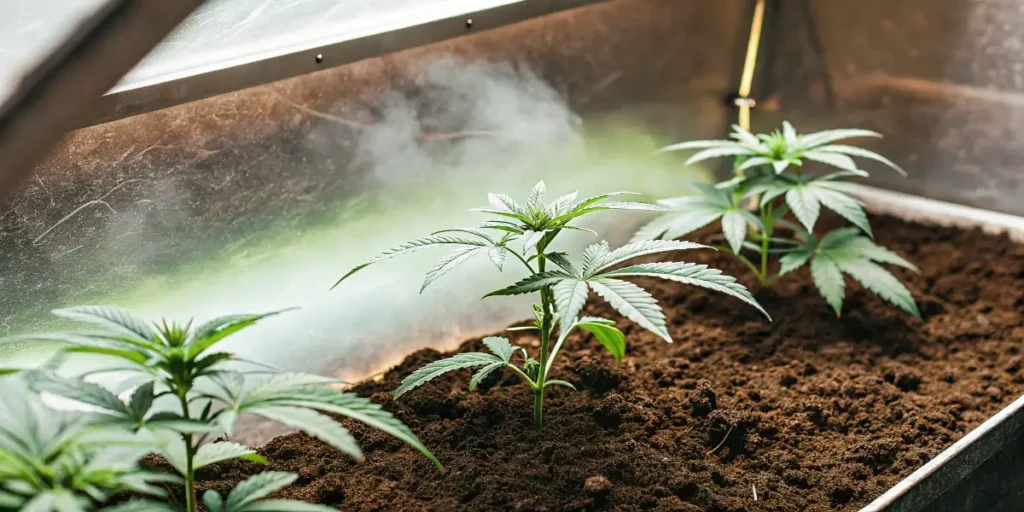
Living soil is a dynamic ecosystem teeming with beneficial microorganisms, fungi, and organic matter. Unlike sterile growing mediums, living soil mimics natural environments, fostering symbiotic relationships between plants and microbes. This soil type maintains a balanced pH of 6.5, crucial for nutrient uptake. By enhancing root health and nutrient availability, living soil supports robust plant growth while also improving living soil terpene expression VOCs, leading to richer aromas and more complex cannabis flavor profiles.
In living soil, microorganisms break down organic matter, releasing nutrients in plant-accessible forms. This process enhances the bioavailability of essential nutrients like nitrogen, phosphorus, and potassium. The soil’s structure also improves water retention, reducing the need for frequent watering and promoting sustainable cultivation practices.
Benefits of Living Soil in Cannabis Cultivation
Living soil offers numerous advantages for cannabis cultivation. It enhances terpene profiles, increases resilience against pests, and supports sustainable farming. By fostering a diverse microbial community, living soil naturally suppresses pathogens, reducing the need for chemical pesticides. This results in cleaner, healthier cannabis with a richer terpene profile.
Experienced growers report that cannabis grown in living soil can yield 1.5 to 2 oz/ft² (450 to 600 g/m²) indoors. The natural nutrient cycling in living soil leads to higher terpene concentrations, with myrcene levels reaching 0.8-1.2%, contributing to earthy, musky aromas. This method not only boosts flavor but also enhances the overall sensory experience.
Promos & Deals


Terpenes and VOCs in Cannabis
What are Terpenes and VOCs?
Terpenes are aromatic compounds found in cannabis, responsible for its distinct flavors and aromas. These compounds are classified as volatile organic compounds (VOCs) due to their ability to evaporate at room temperature. Terpenes like limonene, myrcene, and pinene contribute to the unique sensory profiles of different cannabis strains, while factors such as living soil terpene expression VOCs can further influence the intensity and complexity of these aromatic compounds.
In cannabis, terpenes play a crucial role in the entourage effect, enhancing the plant’s therapeutic potential. For example, myrcene, which can constitute up to 1.2% of a strain’s profile, is known for its sedative effects and ability to enhance THC uptake. Knowing terpene profiles helps consumers select strains that meet their specific needs.
How Terpenes Affect Cannabis Quality
Terpenes significantly influence cannabis quality by affecting aroma, flavor, and therapeutic effects. Strains with high terpene concentrations, such as those with 2% or more, offer more pronounced flavors and enhanced effects. Terpenes like caryophyllene, which can reach 0.4-0.7%, provide spicy, peppery notes and anti-inflammatory benefits.
Master growers have pointed out that terpene-rich strains are often more potent, offering a fuller, more complex experience. For instance, limonene, found in concentrations of 0.5-1%, imparts citrusy flavors and mood-enhancing effects. Selecting strains with diverse terpene profiles can enhance both recreational and medicinal cannabis experiences.
The Function of Living Soil in Terpene Expression
Mechanisms of Terpene Enhancement
Living soil enhances terpene expression through its rich microbial ecosystem. Microbes in the soil facilitate nutrient uptake and stimulate plant metabolism, leading to increased terpene production. The presence of mycorrhizal fungi, for instance, boosts phosphorus uptake, which is crucial for terpene synthesis.
In living soil systems, the natural decomposition of organic matter releases secondary metabolites that enhance terpene profiles. This process can increase terpene content by 20-30% compared to synthetic growing mediums. The balanced nutrient profile in living soil also prevents nutrient lockout, ensuring optimal terpene development.
Success Stories with Living Soil
Many cultivators share that living soil cultivation consistently yields high-terpene cannabis. For example, strains like GG4 grown in living soil have shown terpene levels up to 1.5% higher than those grown in hydroponics. This method enhances the strain’s signature earthy and piney aromas.
Growers using living soil have reported increased resilience to environmental stress, resulting in healthier plants with richer terpene profiles. The growing community has communicated that living soil-grown cannabis often exhibits more complex flavors and aromas, making it highly sought after by connoisseurs.
Practical Tips for Maximizing Terpene Expression
- Maintain soil pH at 6.5 for optimal nutrient uptake and terpene synthesis. A pH below 6.0 can lead to nutrient lockout.
- Use organic amendments like compost and worm castings to enhance microbial activity. Avoid synthetic fertilizers that can disrupt soil biology.
- Ensure consistent soil moisture levels, aiming for 60-70% field capacity. Overwatering can suffocate roots and reduce terpene production.
- Incorporate mycorrhizal fungi to improve phosphorus uptake, crucial for terpene biosynthesis. Avoid excessive tillage that can harm fungal networks.
- Monitor environmental conditions, keeping temperatures between 68°F and 77°F (20°C – 25°C) to prevent terpene volatilization.
- Choose high-terpene strains like Gelato for living soil cultivation to maximize flavor and aroma profiles.
FAQs about living soil terpene expression VOCs
Are terpenes a voc?
Yes, terpenes are classified as volatile organic compounds (VOCs) because they evaporate easily at room temperature. In cannabis, terpenes contribute to the plant’s aroma and flavor, with concentrations ranging from 0.5% to 2% in different strains. Their volatility is crucial for the plant’s interaction with its environment.
What are the pros and cons of living soil?
Living soil offers numerous benefits, including enhanced terpene profiles and reduced need for chemical inputs. It supports sustainable cultivation with yields of 1.5-2 oz/ft² (450-600 g/m²) indoors. However, it requires careful management of microbial communities and can be less forgiving than hydroponic systems.
Which terpenes help with arthritis?
Terpenes like caryophyllene, found in concentrations of 0.4-0.7%, have anti-inflammatory properties that may help with arthritis. Limonene, present at 0.5-1%, also offers potential pain relief. These terpenes interact with the body’s endocannabinoid system, providing therapeutic benefits for arthritis sufferers.
Is 2% terpenes a lot?
A 2% terpene concentration is considered high in cannabis, significantly enhancing flavor and aroma. Strains with such levels offer a more pronounced sensory experience and may provide stronger entourage effects. This concentration is typically found in premium strains grown under optimal conditions.
How does living soil affect cannabis flavor?
Living soil enhances cannabis flavor by promoting diverse terpene profiles. It supports microbial activity that aids in nutrient uptake, leading to richer aromas and tastes. Cannabis grown in living soil often exhibits complex flavor profiles, with terpene levels up to 30% higher than conventional methods.