CO2 Enrichment Effect on Cannabis VOCs

CO2 enrichment impact: The CO2 enrichment effect on cannabis VOCs can be significant, as elevated CO2 levels enhance terpene production, directly affecting aroma and potency. By optimizing CO2 concentrations, growers can potentially improve both yield and overall flower quality. Experienced cultivators report that increased CO2 levels stimulate terpene synthesis, which is crucial for developing a richer aromatic profile. This process can lead to a more robust and flavorful cannabis crop, benefiting both growers and consumers.
Volatile Organic Compounds (VOCs) in cannabis are pivotal in determining the plant’s aroma and therapeutic properties. By manipulating CO2 levels, growers can influence terpene profiles, which are vital VOCs. This approach not only affects the sensory experience but also enhances the overall quality of the crop, offering a unique edge in cannabis cultivation.
Recommended Strains


VOCs in Cannabis
What are VOCs?
VOCs, or Volatile Organic Compounds, are compounds that easily become vapors or gases. In cannabis, these include terpenes and flavonoids, which contribute to the plant’s aroma and flavor. Understanding the CO2 enrichment effect on cannabis VOCs is also important, as elevated CO2 levels can influence terpene production and overall aromatic intensity. Terpenes like myrcene and limonene are found in concentrations ranging from 0.5% to 2%, influencing both the scent and potential therapeutic effects of the cannabis strain.
These compounds are integral to the plant’s defense mechanisms, attracting pollinators and deterring pests. The synthesis of VOCs is influenced by environmental factors, including light, temperature, and CO2 levels. Knowing their role is crucial for optimizing cannabis cultivation and enhancing the plant’s desirable traits.
Importance of VOCs in Cannabis
VOCs play a critical role in the cannabis experience, affecting both aroma and perceived effects. For instance, myrcene, which enhances THC uptake, is known for its earthy scent and potential sedative effects. Limonene, with its citrus aroma, may elevate mood. These terpenes contribute to the entourage effect, where the combination of compounds produces enhanced therapeutic benefits.
For growers, optimizing VOC production can lead to a more appealing product, with a richer aroma and enhanced effects. This can be achieved by adjusting cultivation practices, such as CO2 enrichment, to boost terpene levels and improve the overall quality of the cannabis crop.
Promos & Deals
The Function of CO2 in Cannabis Cultivation
How CO2 Enrichment Works
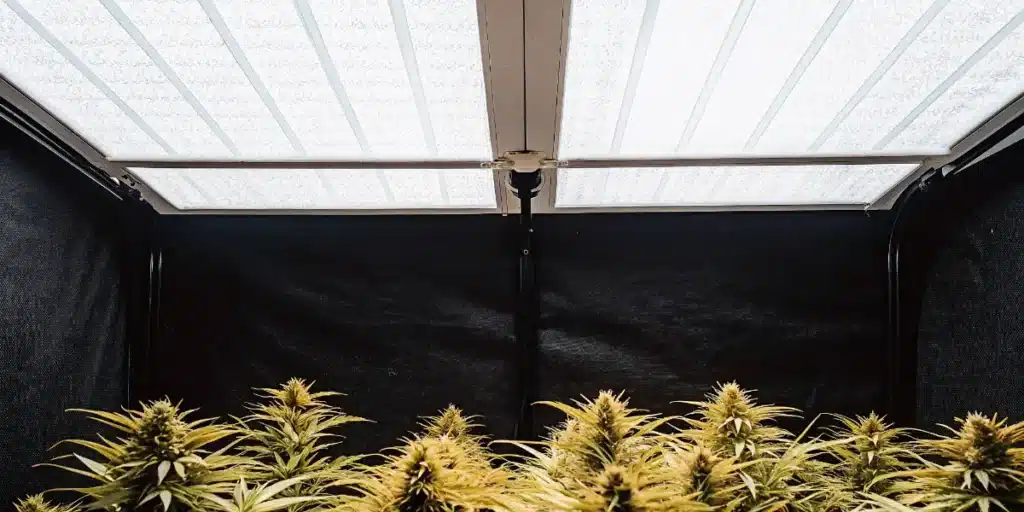
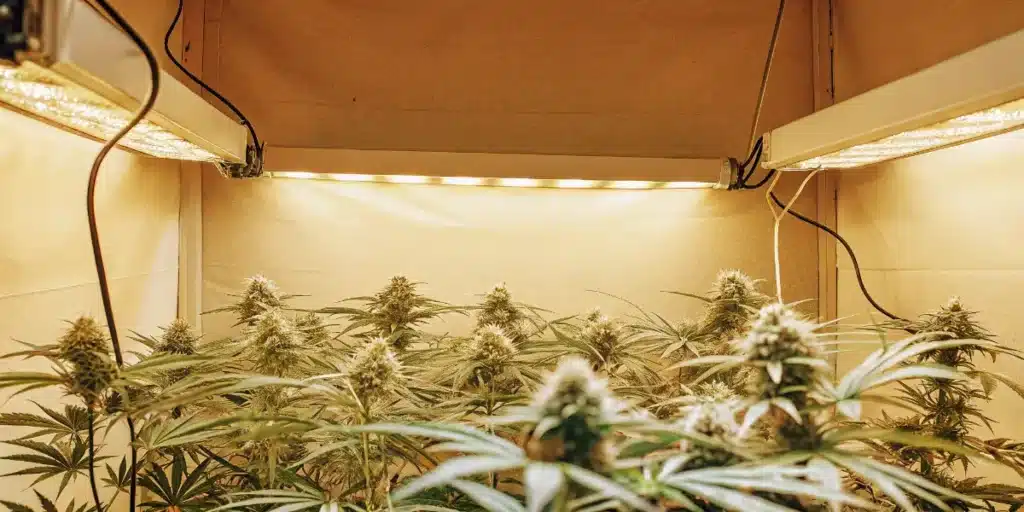
The CO2 enrichment effect on cannabis VOCs is closely linked to enhanced plant metabolism and terpene production. CO2 enrichment involves increasing the concentration of carbon dioxide in the growing environment to enhance photosynthesis. Typically, cannabis plants thrive with CO2 levels around 1200–1500 ppm, compared to ambient levels of approximately 400 ppm. This increase can boost photosynthetic rates by up to 30%, leading to faster growth, improved VOC expression, and potentially higher yields.
By providing an optimal CO2 environment, growers can maximize the plant’s ability to convert light into energy, promoting vigorous growth and increased biomass. However, it’s crucial to maintain proper ventilation and monitor CO2 levels to avoid toxicity, which can occur at concentrations above 2000 ppm.
Benefits of CO2 for Cannabis
Enhanced CO2 levels can significantly increase cannabis yield, with reports of up to 20% improvement in biomass production. This is due to the enhanced photosynthetic efficiency and increased energy available for growth. Additionally, CO2 enrichment can lead to denser buds and improved resin production, contributing to higher THC content.
However, it’s essential to balance CO2 enrichment with other environmental factors like light intensity and nutrient availability to prevent potential issues such as nutrient burn or light stress. Properly managed, CO2 enrichment can be a powerful tool for maximizing cannabis cultivation outcomes.
Impact of CO2 Enrichment on Cannabis VOCs
Insights from Cultivation Circles
Experienced growers report that CO2 enrichment can enhance terpene production, crucial VOCs in cannabis. Terpenes like myrcene and limonene can see concentration increases by up to 30% with optimized CO2 levels. This enhancement not only improves aroma but also the potential therapeutic effects of the cannabis.
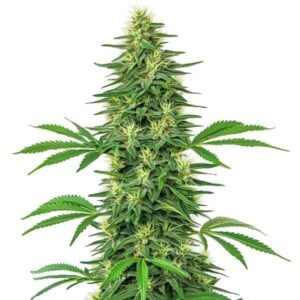
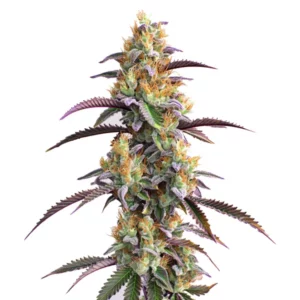
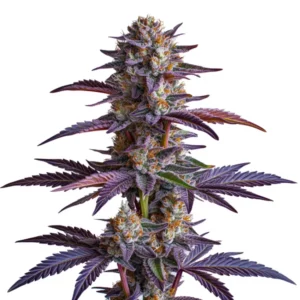
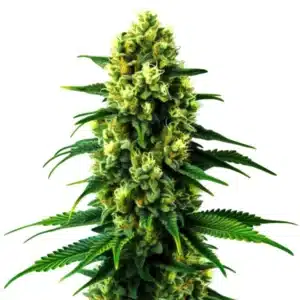
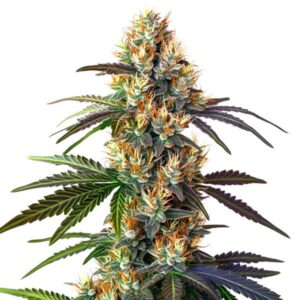
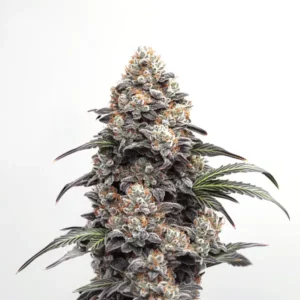
In artisanal cultivation circles, it’s noted that increased CO2 can lead to a more complex terpene profile, enhancing the plant’s overall appeal. This is particularly valuable in strains known for their unique aromatic qualities, such as Gelato and Do Si Dos.
Practical Implications for Growers
For growers, knowing the impact of CO2 on VOCs can lead to more informed decisions about environmental controls. By maintaining CO2 levels around 1200-1500 ppm, you can optimize terpene production, enhancing both the marketability and quality of your crop.
However, it’s crucial to balance CO2 levels with other environmental factors. Over-enrichment can lead to diminished returns, as excessive CO2 can stress plants, reducing overall quality. Monitoring tools and proper ventilation are essential to maintain optimal conditions.
Best Practices for CO2 Enrichment
Optimal CO2 Levels
Maintaining CO2 levels between 1200-1500 ppm is ideal for maximizing photosynthesis and terpene production. This range allows plants to efficiently use light and nutrients, promoting robust growth and enhanced VOC profiles. It’s important to regularly monitor CO2 concentrations to ensure they remain within this optimal range.
Using a CO2 meter can help you track levels accurately, preventing potential issues like CO2 toxicity, which can occur at levels above 2000 ppm. Regular calibration of your equipment is also recommended to ensure accurate readings.
Monitoring and Adjusting CO2
Effective CO2 enrichment requires careful monitoring and adjustment. Automated systems can help maintain consistent CO2 levels, adjusting output based on real-time data. This ensures that plants receive the optimal amount of CO2 without the risk of overexposure.
Besides to monitoring CO2, it’s essential to consider other environmental factors like temperature and humidity. These elements work in tandem to influence plant health and VOC production. Maintaining a balanced environment is key to achieving the best results.
Expert Tips for CO2 Enrichment
- Maintain CO2 levels at 1200-1500 ppm to boost photosynthesis and terpene production. Avoid exceeding 2000 ppm to prevent plant stress and reduced quality.
- Use a digital CO2 meter for accurate monitoring. Regular calibration ensures precise readings, preventing potential toxicity issues.
- Balance CO2 enrichment with adequate light intensity. Aim for 800-1000 µmol/m²/s to maximize photosynthetic efficiency.
- Ensure proper ventilation to prevent CO2 buildup. Stagnant air can lead to uneven distribution and potential plant stress.
- Integrate CO2 enrichment with nutrient optimization. Proper N:P:K ratios enhance plant growth and VOC production.
- Monitor plant response to CO2 levels. Signs of stress include leaf curling and discoloration, indicating the need for adjustment.
FAQs about CO2 enrichment effect on cannabis VOCs
Does cannabis emit VOCs?
Yes, cannabis emits VOCs, primarily in the form of terpenes and flavonoids. These compounds contribute to the plant’s distinct aroma and flavor. Terpenes like myrcene and limonene are present in concentrations of 0.5% to 2%, influencing both the scent and potential therapeutic effects of the cannabis strain.
Does adding CO2 increase yield?
Adding CO2 can increase cannabis yield by up to 20% by enhancing photosynthesis. Optimal CO2 levels around 1200-1500 ppm improve plant growth and biomass production. This results in denser buds and potentially higher THC content, making CO2 enrichment a valuable tool for maximizing crop output.
Can you give cannabis plants too much CO2?
Yes, excessive CO2 levels above 2000 ppm can stress cannabis plants, leading to reduced growth and quality. Signs of CO2 toxicity include leaf discoloration and curling. It’s crucial to monitor CO2 levels closely and maintain them within the optimal range of 1200-1500 ppm to avoid these issues.
What does CO2 toxicity look like in cannabis?
CO2 toxicity in cannabis manifests as leaf curling, discoloration, and stunted growth. These symptoms occur when CO2 levels exceed 2000 ppm, stressing the plants. To prevent toxicity, maintain CO2 concentrations within the optimal range of 1200-1500 ppm and ensure proper ventilation in the growing environment.
How to identify and prevent CO2 toxicity in cannabis plants?
Identify CO2 toxicity by observing leaf curling and discoloration. Prevent it by maintaining CO2 levels between 1200-1500 ppm and ensuring adequate ventilation. Regularly monitor CO2 concentrations with a calibrated meter to avoid exceeding safe levels, which can stress plants and reduce overall quality.