Expert Guide: Proven Ways Heavy Metals Introduced During Cannabis Processing

Heavy metals introduced during cannabis processing pose significant concerns for growers and consumers alike. These metals can infiltrate the cannabis plant at various stages, impacting both quality and safety. As awareness grows, so does the necessity for effective cannabis heavy metal testing protocols.
Heavy metals, such as lead, cadmium, and mercury, can find their way into cannabis products through several avenues. Knowing the sources of heavy metals in cannabis production helps in taking preventive measures. This guide aims to provide you with practical tips on reducing heavy metals in cannabis manufacturing. Contamination is rarely only chemical; growers also face bacterial contamination during cultivation, which is why careful microbiome management belongs in any clean-production plan.
Recommended Strains


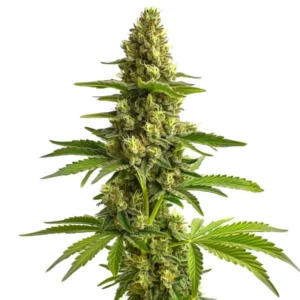
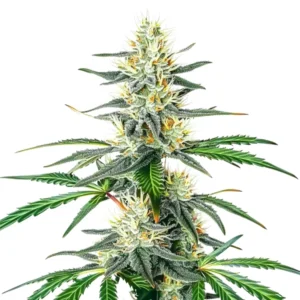
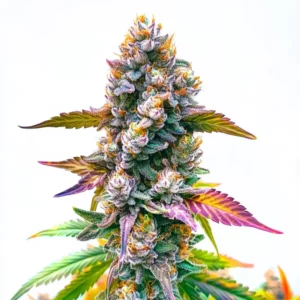
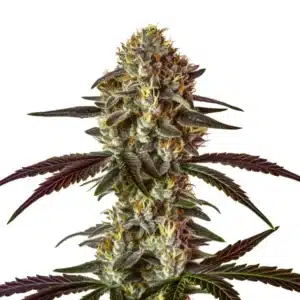
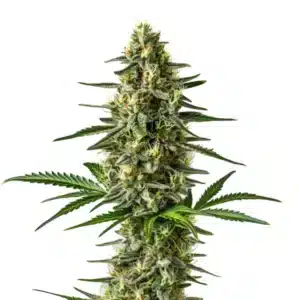
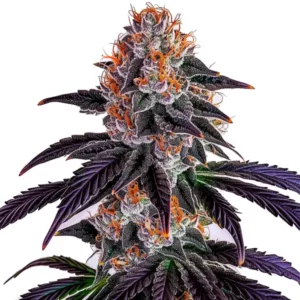
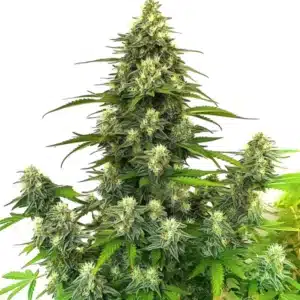
Ever wondered how heavy metals contamination in cannabis processing affects your favorite strains? For instance, Blimburn Seeds offers strains like GG4, Bruce Banner #3, and Tangie, which are cultivated with high standards to minimize these risks. Let’s dive into how these issues arise and what you can do about them.
Sources of Heavy Metals in Cannabis Production
Heavy metals can enter the cannabis cultivation process through several pathways. One major source is the soil, where plants absorb nutrients. If the soil is contaminated, these metals can easily pass into the plant. Urban environments or industrial areas often have higher levels of these contaminants.
Water used for irrigation is another potential source. Water contaminated with heavy metals can have detrimental effects on cannabis plants. It’s crucial to ensure water quality through regular testing. Not only does this prevent contamination, but it also supports healthier plant growth.
Furthermore, the use of certain pesticides and herbicides can inadvertently introduce heavy metals into the growing environment. These chemicals can linger in the soil, compounding the risks over time. Careful selection and use of organic alternatives can mitigate these issues.
Another overlooked factor is the dust and airborne particles in the environment. Industrial activities can release heavy metals into the air, which then settle on plants and soil. Regular cleaning of cultivation areas and the use of protective coverings can help reduce this type of contamination.
Promos & Deals


Cannabis Heavy Metal Testing Protocols
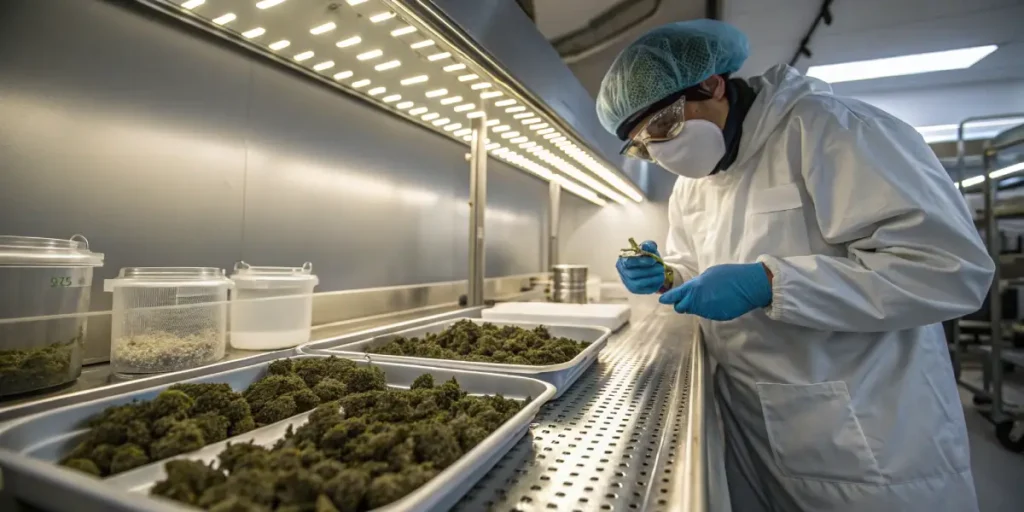
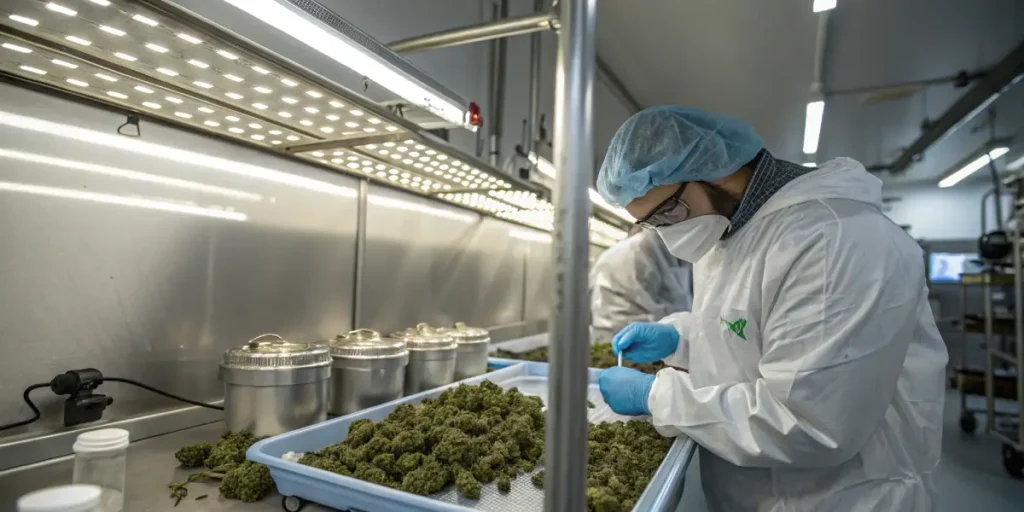
Implementing cannabis heavy metal testing protocols is crucial for ensuring quality and safety, especially when addressing heavy metals introduced during cannabis processing. These testing protocols typically involve laboratory analysis of plant samples, aiming to detect and quantify the presence of various heavy metals.
Regular testing allows producers like Blimburn Seeds to maintain high standards. This commitment to quality ensures that strains like Bruce Banner 3 are safe for consumption. Testing also helps identify potential contamination sources, allowing for timely corrective actions.
Advanced testing methods, such as inductively coupled plasma mass spectrometry (ICP-MS), offer precise measurements of heavy metals in cannabis. These techniques are essential for detailed analysis and for meeting regulatory requirements in different regions.
Moreover, developing a comprehensive testing schedule is crucial. By testing at different stages of the cultivation and processing cycle, producers can pinpoint when and where contamination occurs, leading to more effective interventions.
Reducing Heavy Metals in Cannabis Manufacturing
One effective way to reduce heavy metals in cannabis manufacturing is by selecting the right location for cultivation. Opt for areas with low industrial activity and away from urban pollution. This minimizes the risk of soil contamination from airborne heavy metals.
Another strategy involves using clean, filtered water for irrigation. By purifying the water source, you can reduce the risk of heavy metal exposure risks in cannabis products. Regular monitoring of water quality is a simple yet effective practice.
Incorporating soil amendments that bind heavy metals can also be beneficial. These amendments can reduce the bioavailability of heavy metals, thereby limiting their uptake by plants. Examples include certain clays and organic matter that can immobilize contaminants.
Collaboration with reputable suppliers for cultivation inputs is another critical step. By ensuring that fertilizers, growth media, and other inputs are free from heavy metals, producers can further safeguard their cannabis plants from contamination.
Real-life Examples and Best Practices
Consider a grower who noticed unusual leaf discoloration in their cannabis plants. Upon testing, they discovered elevated levels of heavy metals introduced during cannabis processing in the soil. By switching to a clean soil mix and ensuring proper water filtration, they successfully reduced contamination.
Another case involved a producer who implemented stringent cannabis heavy metal testing protocols. By routinely testing both soil and water, they ensured that their Tangie strain remained uncontaminated. This proactive approach not only safeguarded their crop but also enhanced consumer trust.
A further example includes a cultivator who employed hydroponic systems to better control nutrient inputs. This method allowed precise monitoring and management of potential heavy metal sources, resulting in a cleaner final product.
Additionally, utilizing cover crops and crop rotation can enhance soil health and reduce heavy metal uptake. These agricultural practices help maintain a balanced ecosystem, contributing to more sustainable and safer cannabis cultivation.
FAQs about heavy metals introduced during cannabis processing
What are heavy metals, and why are they a concern in cannabis processing?
Heavy metals are metallic elements with high densities that can be toxic in low concentrations. In cannabis processing, these metals can affect product safety and quality. Their presence in cannabis products poses health risks if consumed over time.
For growers and consumers, the concern lies in the potential health effects. Chronic exposure to heavy metals can lead to serious health issues, including kidney damage and neurological problems. Therefore, minimizing these contaminants is essential.
Regulatory bodies have set limits on acceptable heavy metal levels in cannabis products. Compliance with these regulations is critical for market access and consumer safety, emphasizing the importance of robust testing and preventive measures.
Awareness and education about heavy metals introduced during cannabis processing can empower consumers to make informed choices, encouraging industry-wide improvements in safety protocols and cultivation practices.
How do heavy metals get into cannabis plants?
Heavy metals can enter cannabis plants primarily through the soil and water. Contaminated soil, often found in industrial or urban areas, can introduce these metals as plants absorb nutrients. Similarly, irrigation water can serve as a carrier if it’s not adequately filtered.
Additionally, certain fertilizers and amendments may contain trace amounts of heavy metals. Using such products can inadvertently raise the contamination levels in cannabis plants. Opting for quality inputs is a key preventive measure.
The atmospheric deposition of heavy metals is another potential source. Vehicles, factories, and other industrial activities release pollutants that settle on plant surfaces and soil, contributing to contamination.
Knowing the sources of heavy metals in cannabis production helps in designing comprehensive strategies for reducing their impact, ensuring that the final products are safe and of high quality.
What steps can I take to minimize heavy metal contamination in my cannabis crops?
To minimize contamination, start by selecting a clean cultivation site. Areas with minimal industrial activity and away from heavy traffic are ideal. Additionally, using filtered water for irrigation can significantly reduce the risk.
Invest in high-quality fertilizers and soil amendments. Organic options are often safer and help maintain the integrity of your plants. Regular testing of soil and water is also recommended to catch any contamination early.
Implementing buffer zones around growing areas can reduce the influx of pollutants from surrounding environments. Planting hedgerows or using barriers can act as physical shields against airborne contaminants.
Adopting sustainable farming practices, such as utilizing renewable energy sources and minimizing chemical inputs, can further reduce the environmental footprint and risk of heavy metal exposure in cannabis products.
Are certain cannabis strains more susceptible to heavy metal contamination?
While all cannabis strains can be affected by heavy metal contamination, some may have different uptake rates due to their genetic makeup. However, the environment and cultivation practices play a more significant role in contamination levels.
For instance, Blimburn Seeds offers strains like GG4 and Tangie, which are cultivated with stringent quality controls to minimize these risks. Choosing reputable seed providers is a step towards safer cultivation.
Research into the phytoextraction abilities of different cannabis strains is ongoing. Some strains might naturally accumulate fewer heavy metals, making them preferable for cultivation in areas with potential contamination risks.
Utilizing genetic insights and advancements in breeding can lead to the development of strains with enhanced resistance to heavy metal uptake, contributing to safer and more resilient cannabis cultivation.
How does Blimburn Seeds ensure their cannabis strains are safe from heavy metals?
Blimburn Seeds employs rigorous testing protocols to ensure their products are free from heavy metals. By regularly testing soil and water sources, they maintain high safety standards for strains like Bruce Banner.
They also source their cultivation inputs carefully, opting for high-quality fertilizers and amendments. This attention to detail helps ensure that their strains are safe for consumption, maintaining consumer trust and satisfaction.
Besides to testing, Blimburn Seeds invests in ongoing research and development to refine their cultivation techniques, further reducing the risk of heavy metal exposure risks in cannabis products.
Their commitment to transparency and quality assurance makes them a trusted name in the industry, providing consumers with confidence in the safety and purity of their cannabis strains.