Essential Guide to Expert Microbiome Management in Cannabis Cultivation

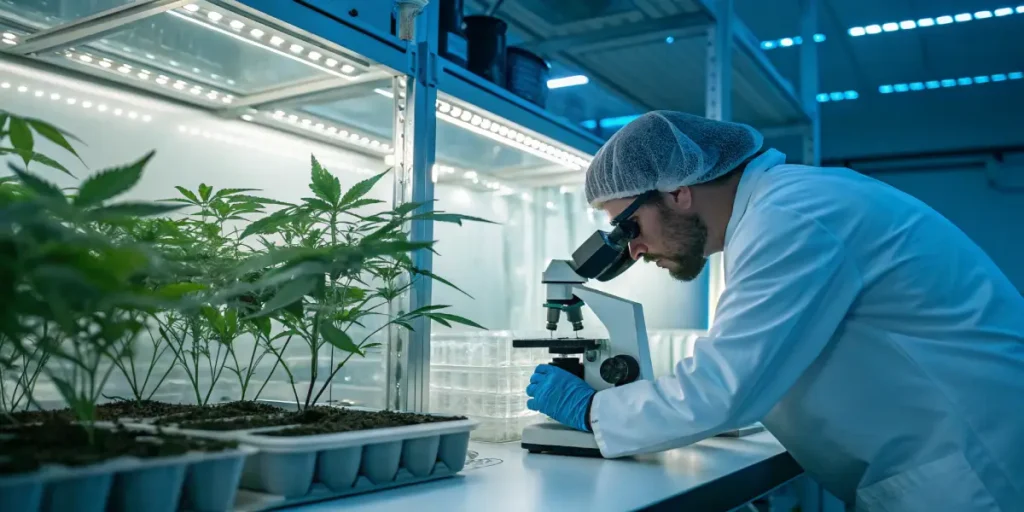
Microbiome management in cannabis cultivation is a vital aspect of growing healthy and productive plants. By focusing on the microbial life in your soil, you can enhance plant growth, improve resistance to disease, and increase yield. This guide will walk you through practical ways to manage the microbiome, offering tips that suit both new and experienced growers.
Microbial life in your cannabis soil can be a game changer. By optimizing this environment, you allow beneficial bacteria and fungi to thrive, which in turn supports plant health. Techniques such as using microbial inoculants for cannabis growth can give your plants the edge they need to flourish. A balanced microbiome also makes downstream checks easier, from quality control in residue testing to keeping the turnaround time and cost of PGR testing under control.
Recommended Strains

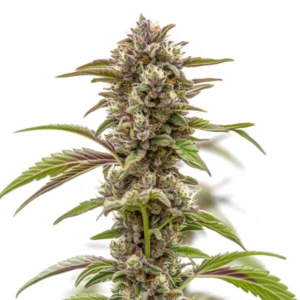
Mamba Negra

|
THC | 18% (Medium) |

|
Type | Feminized |

|
Yield | High |

|
Phenotype | 55% Indica / 45% Sativa |

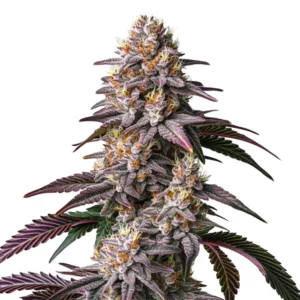
Blue Dream
|
|
THC | 17% - 24% (High) |
|
|
Type | Feminized |
|
|
Yield | High |
|
|
Phenotype | 50% Indica / 50% Sativa |
For anyone looking to cultivate strains like GG4, Girl Scout Cookies, or Blue Dream from Blimburn Seeds, mastering the art of microbiome management is a step towards achieving superior cannabis quality. Let’s dive into how these strategies can enhance your growing experience.
Microbiome Enhancement Techniques for Cannabis
Microbiome enhancement techniques for cannabis involve creating the best possible environment for microbial life. This includes adjusting pH levels, ensuring proper aeration, and maintaining the right moisture content in the soil. All these factors contribute to a robust soil microbiome.
One effective method is the use of compost tea. It’s a brew of beneficial microbes that can be sprayed on the soil or foliage. Think of it like a probiotic drink for your plants. Regular applications can lead to healthier root systems and more vigorous growth.
Implementing microbiome enhancement techniques for cannabis not only improves plant health but also contributes to sustainable cultivation practices. By focusing on natural methods to boost microbial activity, growers can reduce the need for chemical fertilizers and pesticides, leading to a more eco-friendly operation.
Moreover, these techniques can be tailored to suit different growing environments, whether indoors or outdoors. For indoor growers, maintaining optimal humidity and temperature levels can further enhance microbial communities, making microbiome management in cannabis cultivation a versatile and adaptable practice.
- Adjusting soil pH to be slightly acidic
- Ensuring good drainage and aeration
- Applying compost tea or microbial solutions
Promos & Deals
Cannabis Soil Microbiome Optimization
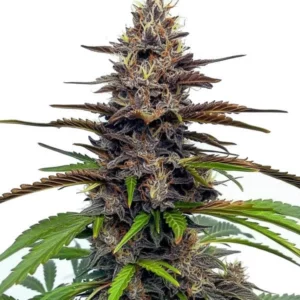
Cannabis soil microbiome optimization is about creating conditions where beneficial microbes outnumber harmful ones. A diverse microbiome can protect plants from pathogens while promoting nutrient uptake. This balance is crucial for strains like Blue Dream, known for its resilience and potency.
Cover cropping is another way to enhance soil health. Plants like clover can fix nitrogen levels and improve soil structure, creating a thriving microbial environment. This strategy is particularly beneficial in outdoor grows.
Implementing cannabis soil microbiome optimization can lead to a more resilient growing ecosystem. By fostering a biodiverse microbial population, growers can mitigate the effects of environmental stresses, such as drought or pest infestations. This proactive approach can ensure that cannabis plants remain healthy and productive throughout their growth cycle.
Furthermore, optimizing the soil microbiome helps in reducing the reliance on synthetic inputs. By promoting a natural balance of microorganisms, growers can achieve better plant health and yield quality, which is especially important for high-value strains from Blimburn Seeds.
- Using cover crops to improve soil health
- Balancing nutrient levels for optimal microbe activity
- Implementing crop rotation practices
Microbial Inoculants for Cannabis Growth
Microbial inoculants for cannabis growth are products that introduce beneficial microbes to your soil. These can be bacteria, fungi, or a combination. They work by enhancing nutrient availability and protecting against disease.
Products like mycorrhizal fungi inoculants are popular among growers. They form a symbiotic relationship with plant roots, increasing water and nutrient uptake. This can be especially beneficial for strains like Girl Scout Cookies, which thrive with increased nutrient access.
Incorporating microbial inoculants for cannabis growth can significantly reduce the need for chemical fertilizers. By naturally enhancing nutrient uptake, these inoculants make it easier for cannabis plants to access the resources they need to thrive, leading to healthier and more robust growth.
In particular, microbial inoculants can be highly effective in improving soil structure and fertility over time. As these beneficial microbes establish themselves, they help break down organic matter, releasing essential nutrients back into the soil, further supporting the principles of microbiome management in cannabis cultivation.
Inoculants can be applied during various growth stages. For instance, when transplanting your cannabis, you can add them to the root zone. This ensures that the roots are immediately enhanced by the added microbial support.
Cannabis Root Microbiome Management Strategies
Effective cannabis root microbiome management strategies are crucial for a healthy grow. This involves maintaining an optimal environment for root-associated microbes, which play a key role in plant growth and health.
A popular strategy is the use of biochar. This charcoal-like substance improves soil structure and provides a habitat for beneficial microbes. It also aids in moisture retention, which is essential for microbes to thrive.
Rotating crops and altering planting locations are also effective cannabis root microbiome management strategies. These practices help prevent soil depletion and reduce the risk of pathogen buildup, ensuring a balanced microbial environment that supports vigorous plant growth and health.
Additionally, integrating organic mulches into your growing medium can further enhance microbial diversity. Mulches provide a stable, decomposing layer that fosters microbial activity at the root level, contributing significantly to the success of microbiome management in cannabis cultivation.
Regularly rotating your cannabis plants’ location can also help prevent the buildup of pathogenic organisms. By moving pots or changing planting locations, you reduce the risk of disease and promote a more balanced microbial population.
Impact of Microbiome on Cannabis Terpene Profile
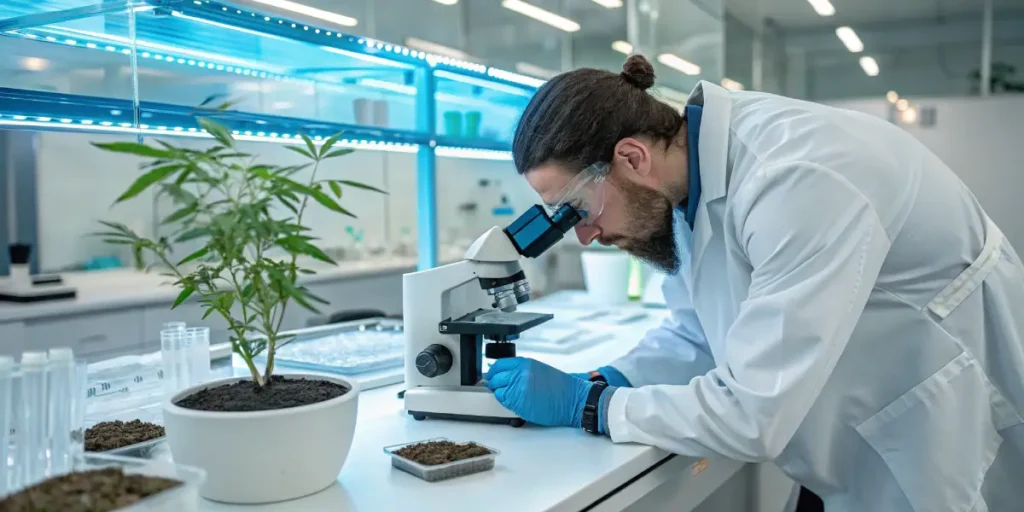
The impact of microbiome on cannabis terpene profile is profound. Terpenes are aromatic compounds that contribute to the scent and flavor of cannabis. A healthy microbiome can influence the synthesis of these compounds, enhancing the plant’s natural characteristics.
For instance, strains like GG4 are known for their strong terpene profiles. A well-managed microbiome can amplify these natural attributes, leading to more potent and desirable flavors and aromas.
Knowing the impact of microbiome on cannabis terpene profile can give growers an edge in producing high-quality cannabis. By fostering a rich and diverse microbial environment, the plant’s ability to synthesize terpenes is enhanced, resulting in unique and robust aromatic profiles that can set a grower’s product apart.
Furthermore, the choice of soil amendments and growing practices can also influence terpene production. Organic amendments like fish emulsion or kelp meal not only feed the plant but also support microbial health, contributing to a more pronounced terpene profile and overall better quality cannabis.
When optimizing the microbiome, consider the type of soil and nutrients you use, as these can impact terpene production. Organic soils rich in microbial life often lead to a more robust terpene profile, enhancing the overall quality of your cannabis.
FAQs about microbiome management in cannabis cultivation
What is microbiome management in cannabis cultivation?
Microbiome management in cannabis cultivation involves optimizing the microbial communities in the soil to support plant health. This includes using techniques like microbial inoculants and adjusting environmental conditions to promote beneficial microbes.
By focusing on the microbiome, growers can improve nutrient uptake, enhance plant resilience, and potentially increase yields. It’s a holistic approach that considers the entire growing ecosystem, not just the plants themselves.
How do microbial inoculants benefit cannabis plants?
Microbial inoculants benefit cannabis plants by introducing beneficial microbes that support nutrient absorption and disease resistance. These inoculants can include bacteria and fungi that form symbiotic relationships with the plant roots.
For instance, mycorrhizal fungi help increase the surface area for nutrient uptake, allowing plants to access more nutrients and water. This leads to healthier growth and potentially better yields, especially in nutrient-poor soils.
What are some effective cannabis root microbiome management strategies?
Effective cannabis root microbiome management strategies include using biochar to improve soil structure, rotating plant locations to prevent disease buildup, and applying compost tea to enhance microbial diversity.
These strategies aim to create a balanced microbial environment that supports healthy root development and overall plant vitality. By focusing on the root microbiome, growers can enhance their cannabis plants’ growth and resistance to stress.
How can microbiome management affect the terpene profile of cannabis?
Microbiome management can significantly affect the terpene profile of cannabis by influencing the synthesis of these aromatic compounds. A healthy soil microbiome enhances the plant’s ability to produce diverse and potent terpenes.
Growers aiming for specific flavors and aromas can benefit from optimizing their soil microbiome. Using organic soils and maintaining a diverse microbial population are key strategies for enhancing terpene profiles, resulting in more flavorful and aromatic cannabis.
Why is soil microbiome optimization important for cannabis cultivation?
Soil microbiome optimization is crucial for cannabis cultivation because it supports plant health, improves nutrient uptake, and helps control diseases. A balanced soil microbiome ensures that beneficial microbes outcompete harmful ones, leading to healthier plants.
For growers, this means better growth rates, increased resilience to stress, and potentially higher yields. Techniques such as cover cropping and using microbial inoculants are effective ways to optimize the soil microbiome for successful cannabis cultivation.