Expert Guide: Proven Limits of Detection for PGRs in Cannabis Testing

Cannabis testing is an essential part of ensuring quality and safety for consumers and growers. One key aspect is understanding the limits of detection for PGRs in cannabis testing. PGRs, or plant growth regulators, are chemicals used to influence the growth of plants. While they can be beneficial for increasing yield, their use in cannabis is often scrutinized due to potential health concerns.
The limits of detection for plant growth regulators in cannabis are critical for ensuring products are safe and comply with regulations. Testing labs use various analytical methods for detecting PGRs in cannabis, each with its sensitivity levels. These methods help in identifying any residues left by these chemicals to ensure that cannabis products are free from harmful levels of PGRs.
Recommended Strains

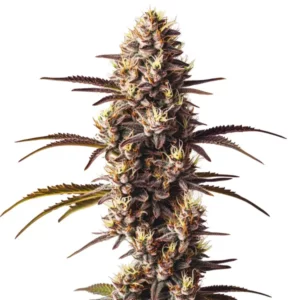
GG4

|
THC | 27% (High) |

|
Type | Feminized |

|
Yield | High |

|
Phenotype | 40% Indica / 60% Sativa |

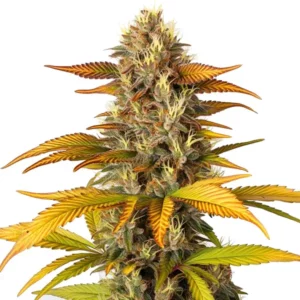
Green Crack
|
|
THC | 21% (Medium) |
|
|
Type | Feminized |
|
|
Yield | High |
|
|
Phenotype | 35% Indica / 65% Sativa |
For both first-time cannabis seed buyers and experienced growers, knowing the cannabis PGR testing detection thresholds is crucial. This knowledge aids in choosing the right strains and cultivation practices to avoid unwanted PGR residues. Let’s look at some practical aspects of PGR detection in cannabis testing.
Methods for Detecting PGRs in Cannabis
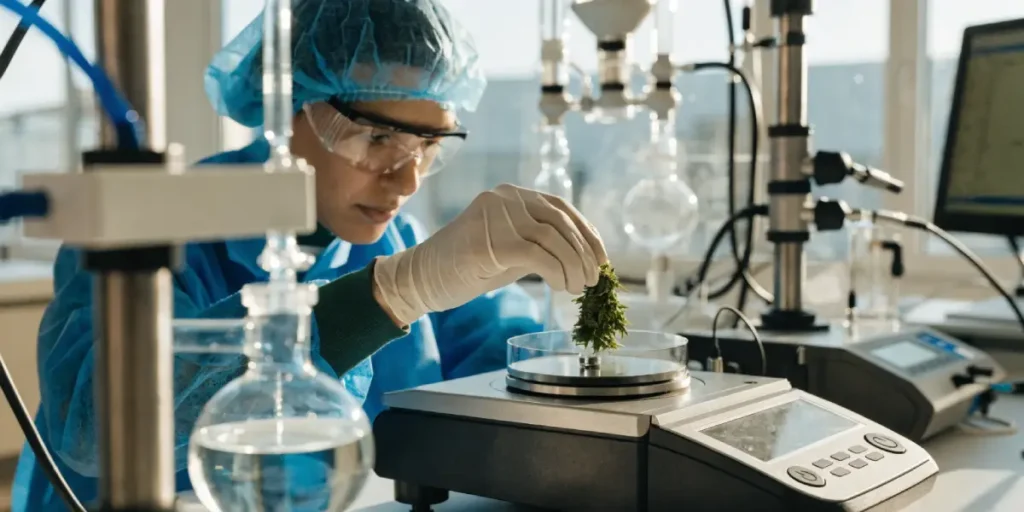
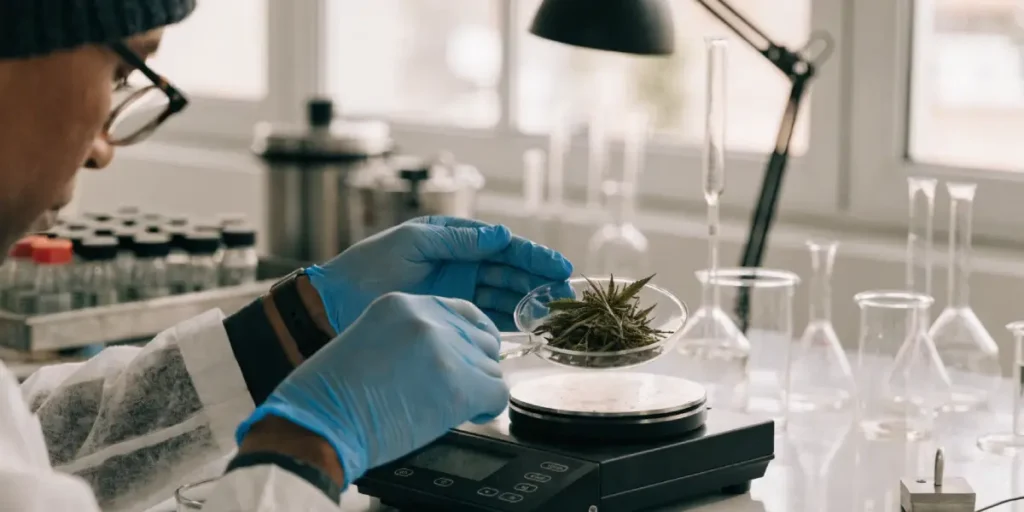
Various analytical methods for detecting PGRs in cannabis are employed by testing laboratories. These methods often involve sophisticated equipment and processes to ensure accuracy. Common techniques include liquid chromatography and mass spectrometry, which are capable of identifying even the smallest traces of PGRs.
The sensitivity of PGR detection methods in cannabis is vital for accurate testing. High sensitivity allows labs to detect even minute amounts of PGRs, ensuring compliance with safety standards. This is particularly important for medical cannabis users who require products free from harmful substances.
Advanced analytical methods for detecting PGRs in cannabis have revolutionized the industry by providing more precise and reliable results. Techniques like high-performance liquid chromatography (HPLC) and gas chromatography-mass spectrometry (GC-MS) are widely used due to their ability to separate and identify complex mixtures of compounds, including those found in cannabis.
Moreover, innovations in testing technology are continuously improving the accuracy and speed of detection processes. These advancements not only help in maintaining the integrity of the cannabis supply chain but also ensure that consumers receive products that meet the highest safety standards. By staying updated with the latest testing methodologies, laboratories can significantly enhance the limits of detection for PGRs in cannabis testing.
Promos & Deals

Challenges in Detecting PGRs in Cannabis Testing
Despite advanced technologies, challenges in detecting PGRs in cannabis testing remain. One significant challenge is the complex nature of cannabis plants, which can interfere with detection methods. The plant’s diverse chemical makeup requires precise calibration of equipment to differentiate between natural compounds and PGRs.
Additionally, the variety of PGRs used in cultivation presents challenges. Each PGR might require different detection techniques, complicating the testing process. To address this, laboratories continuously refine their methods to improve detection limits and accuracy.
The challenges in detecting PGRs in cannabis testing also extend to regulatory compliance. Different regions may have varying limits of detection for plant growth regulators in cannabis, requiring labs to adapt their methods accordingly. Navigating these regulations can be complex, necessitating thorough understanding and meticulous attention to detail.
Furthermore, the ever-evolving landscape of cannabis cultivation introduces new compounds that can complicate testing. As growers experiment with new techniques and strains, testing labs must stay agile and responsive to emerging trends. This dynamic environment underscores the importance of continuous research and development in refining cannabis PGR testing detection thresholds.
Real-Life Applications and Examples
For growers, choosing the right cannabis strain is crucial to avoid PGR-related issues. For instance, strains like Bruce Banner from Blimburn Seeds are known for their robust growth without the need for PGRs. This strain offers high yields naturally, reducing the temptation to use growth regulators.
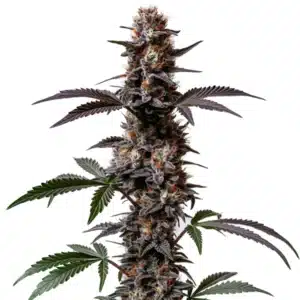
Similarly, Blackberry Moonrocks provides growers with a strain that thrives with standard cultivation practices, avoiding the pitfalls of PGR residues. Its natural resilience makes it a favorite among both novice and experienced growers.
Another excellent choice is GG4 from Blimburn Seeds. Known for its impressive growth and potency, it exemplifies how selecting the right strain can minimize the need for PGRs, ensuring a safer product for consumers.
Real-world examples also highlight the importance of choosing strains that align with environmental conditions. Strains like Blue Dream and Green Crack have gained popularity for their ability to flourish without the aid of PGRs, demonstrating the effectiveness of natural cultivation methods. By aligning strain selection with local climate and soil conditions, growers can optimize yield and quality while minimizing reliance on chemical enhancers.
These examples underscore the critical role of informed decision-making in cultivation. By leveraging knowledge of the limits of detection for PGRs in cannabis testing, growers can enhance product safety and consumer trust. Ultimately, these practices contribute to a more sustainable and health-conscious cannabis industry.
Practical Tips for Growers
To stay within the safe limits of detection for PGRs in cannabis testing, growers should focus on natural cultivation practices. This includes selecting strains that grow well in the local climate and soil conditions, reducing the reliance on chemical growth enhancers.
Regular testing of cannabis plants during the growth cycle can also help in identifying any PGR residues early. By monitoring plant health and growth patterns, growers can adjust their methods to ensure compliance with safety standards.
Implementing integrated pest management (IPM) strategies is another effective way to maintain healthy crops without resorting to PGRs. By promoting biodiversity and using natural pest control methods, growers can create a balanced ecosystem that supports plant health and resilience. This approach not only aligns with organic farming principles but also reduces the risk of chemical contamination.
Additionally, investing in high-quality soil and nutrient management practices can greatly enhance plant growth naturally. By focusing on soil health and using organic fertilizers, growers can improve plant vitality and productivity. These practices, along with regular testing and strain selection, form the foundation of a successful cultivation strategy that respects the limits of detection for PGRs in cannabis testing.
FAQs about limits of detection for PGRs in cannabis testing
What are PGRs, and why are they used in cannabis cultivation?
PGRs, or plant growth regulators, are chemicals used to control and enhance the growth of plants. In cannabis cultivation, they are sometimes used to increase yield, improve plant structure, or shorten growth cycles. However, their use is controversial due to potential health risks.
While PGRs can offer benefits, many growers and consumers prefer cannabis that is free from these chemicals. This preference stems from concerns about the potential negative effects on health and the natural characteristics of cannabis plants.
The appeal of PGR-free cannabis lies in its purity and natural profile. Consumers are increasingly seeking products that align with health-conscious and environmentally friendly values. As awareness of the potential risks associated with PGRs grows, both consumers and growers are advocating for cleaner cultivation practices that prioritize safety and sustainability.
For growers, understanding the limits of detection for plant growth regulators in cannabis is essential for meeting market demands and ensuring compliance with regulations. By focusing on natural cultivation methods, they can produce high-quality cannabis that appeals to discerning consumers and minimizes health risks.
How do testing labs determine the limits of detection for PGRs in cannabis?
Testing labs use various techniques to establish the limits of detection for PGRs in cannabis testing. These include sophisticated equipment like liquid chromatography and mass spectrometry, which can identify even small amounts of these chemicals. The process involves calibrating the equipment to differentiate between natural plant compounds and PGRs.
The goal is to ensure accuracy and compliance with safety standards, protecting consumers from harmful residues and helping growers produce safer products.
Calibration and validation are key components in determining the limits of detection for plant growth regulators in cannabis. Testing labs meticulously adjust their instruments to achieve the highest precision and reliability. This process involves comparing results against known standards and continuously refining methodologies to enhance detection capabilities.
Furthermore, collaboration with industry experts and participation in proficiency testing programs help labs stay at the forefront of testing innovations. By engaging in these efforts, laboratories can provide accurate and reliable results that are crucial for maintaining consumer trust and meeting regulatory requirements.
Why is the sensitivity of PGR detection methods important?
The sensitivity of PGR detection methods in cannabis is crucial for accurate and reliable testing. High sensitivity ensures that even minute traces of PGRs are detected, providing assurance of product safety and compliance with regulatory standards.
This level of precision is particularly important for medical cannabis, where any presence of harmful chemicals could affect the health and well-being of patients relying on cannabis for treatment.
Accurate detection of PGRs is vital for maintaining the integrity of medical cannabis products. Patients rely on these products for therapeutic benefits, and any compromise in quality could lead to adverse health effects. Therefore, the sensitivity of PGR detection methods in cannabis testing plays a critical role in safeguarding patient health and ensuring effective treatment.
Moreover, as the cannabis industry continues to grow, the demand for high standards in product safety will only increase. By prioritizing sensitive and precise testing methods, the industry can meet consumer expectations and build a reputation for reliability and excellence in cannabis production.
What are the challenges in detecting PGRs in cannabis testing?
Detecting PGRs in cannabis testing presents several challenges. The complex chemical makeup of cannabis plants can interfere with detection methods, requiring precise calibration of testing equipment. Additionally, the diversity of PGRs used in cultivation adds to the complexity of testing.
To overcome these challenges, laboratories continuously refine their testing methods, improving detection limits and accuracy to ensure compliance with safety standards.
One of the major challenges in detecting PGRs in cannabis testing is the need for specialized knowledge and expertise. Testing personnel must be well-versed in the latest analytical techniques and understand the nuances of cannabis chemistry. This expertise is crucial for accurately interpreting test results and making informed decisions about product safety.
Furthermore, the rapid evolution of cannabis products and cultivation techniques necessitates ongoing education and training for laboratory staff. By investing in professional development and staying informed about industry advancements, testing labs can effectively address the challenges of PGR detection and continue to provide valuable services to the cannabis industry.
How can growers ensure their cannabis is free from PGR residues?
Growers can ensure their cannabis is free from PGR residues by adopting natural cultivation practices and selecting strains that thrive without chemical enhancers. Regular testing during the growth cycle can also help identify any residues early, allowing for adjustments in cultivation methods.
By focusing on strains like Bruce Banner, Blackberry Moonrocks, and GG4 from Blimburn Seeds, growers can produce high-quality cannabis naturally, ensuring safety for consumers and compliance with testing standards.
Emphasizing organic farming practices is a proactive approach to minimizing PGR residues in cannabis. By using natural fertilizers, compost, and organic pest control methods, growers can enhance soil health and plant vitality without the need for synthetic chemicals. This sustainable approach not only benefits the environment but also results in cleaner, safer cannabis products.
Additionally, engaging in community-supported agriculture (CSA) programs and participating in grower networks can provide valuable resources and support for adopting best practices. Sharing knowledge and experiences with fellow growers can lead to innovative solutions and improved outcomes in cultivating PGR-free cannabis, contributing to a more responsible and health-conscious industry.