Water Activity and Yeast/Mold Testing in Cannabis

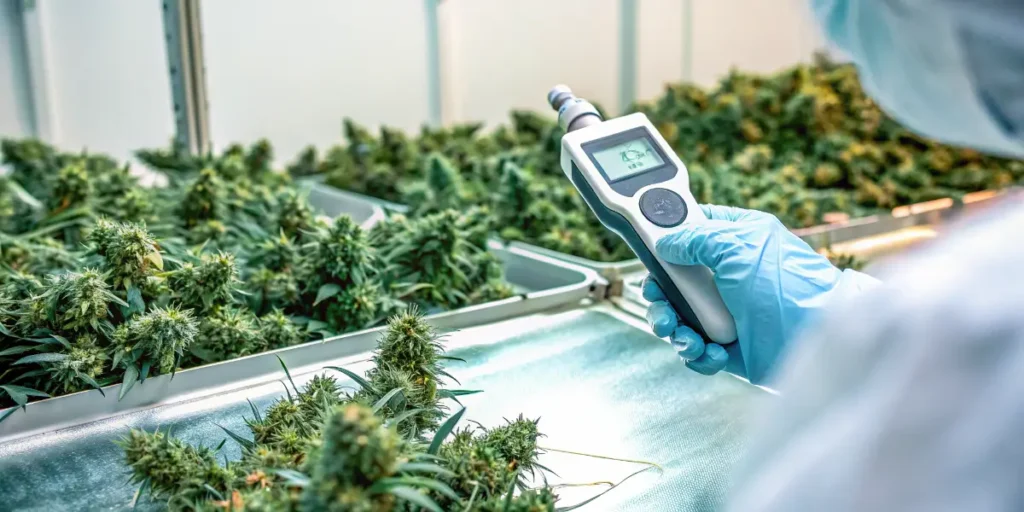
Water activity in cannabis: Water activity is crucial in cannabis as it influences yeast and mold growth. Testing involves using a water activity meter to ensure levels remain below 0.65, which prevents microbial proliferation. This parameter is essential for cultivators to maintain product safety and quality, ensuring compliance with industry standards and protecting consumer health. Knowing the relationship between water activity and yeast/mold testing cannabis is critical for identifying potential contamination risks and maintaining product stability.
In cannabis cultivation, maintaining optimal terpene profiles and flowering times is crucial. Terpenes like Myrcene and Limonene contribute to the plant’s aroma and effects, while flowering periods, typically 8-10 weeks, determine harvest timing. Experienced growers report that knowing these factors helps cultivators produce high-quality cannabis that meets consumer expectations and regulatory standards.
Recommended Strains
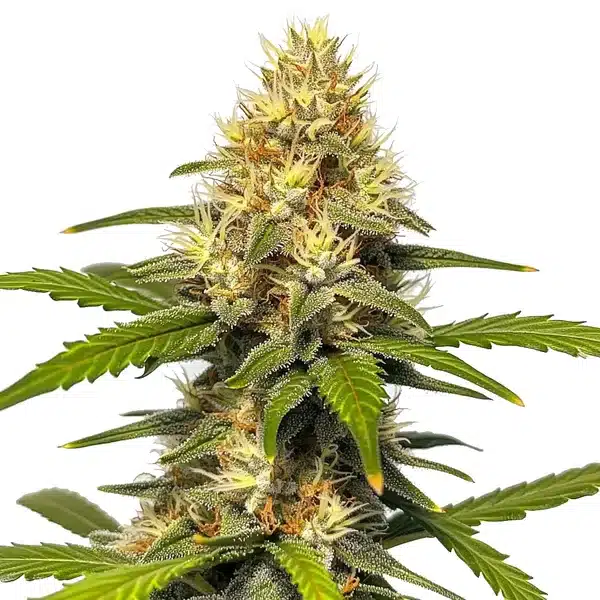
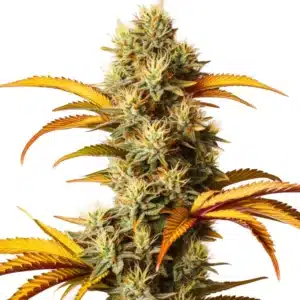
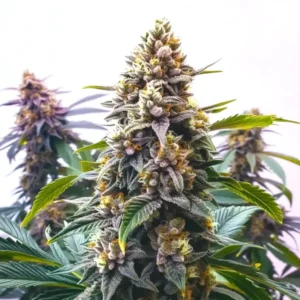
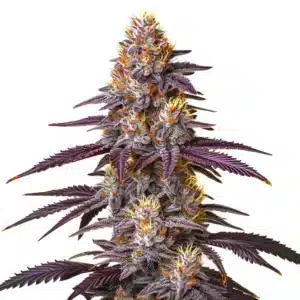
Banana Split

|
THC | 15% - 20% (Medium) |

|
Type | Feminized |

|
Yield | High |

|
Phenotype | 40% Indica / 60% Sativa |

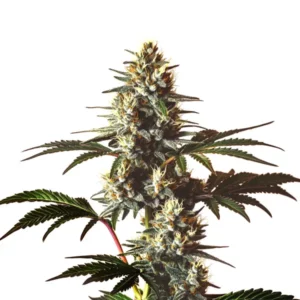
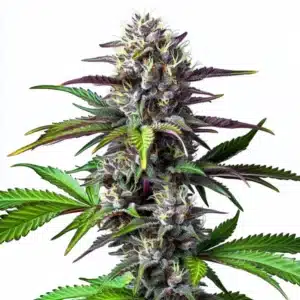
Blue Dream
|
|
THC | 17% - 24% (High) |
|
|
Type | Feminized |
|
|
Yield | High |
|
|
Phenotype | 50% Indica / 50% Sativa |
What is Water Activity in Cannabis?
Importance of Water Activity in Cannabis Testing
Water activity measures the free moisture in cannabis, which directly affects its susceptibility to yeast and mold. A water activity level below 0.65 is crucial to inhibit microbial growth, ensuring product safety. This parameter is measured using a water activity meter, which helps cultivators maintain the ideal environment for cannabis storage and distribution. As a result, water activity and yeast/mold testing cannabis procedures are essential for verifying product quality and preventing contamination.
Experienced growers emphasize the importance of maintaining water activity levels between 0.55 and 0.65. This range prevents mold growth while preserving the plant’s terpene profile. Terpenes like Limonene, which ranges from 0.5-1.0%, are sensitive to moisture levels, affecting both aroma and therapeutic effects.
Factors Influencing Yeast and Mold Growth
Yeast and mold thrive in environments where water activity exceeds 0.65. High humidity and poor ventilation can increase water activity, leading to microbial growth. Cultivators must monitor environmental conditions closely, using tools like hygrometers to maintain optimal humidity levels between 58-62% RH.
Temperature also plays a significant role, with ideal storage temperatures ranging from 59-70°F (15-21°C). Deviations from these conditions can lead to rapid microbial proliferation, compromising cannabis quality and safety. Regular monitoring and adjustments are essential to prevent these issues.
Promos & Deals
Yeast and Mold Growth in Cannabis
Factors Influencing Yeast and Mold Growth
Yeast and mold in cannabis are primarily influenced by water activity, temperature, and humidity. Maintaining water activity below 0.65 is essential to prevent microbial growth. Temperature control, ideally between 59-70°F (15-21°C), further inhibits yeast and mold proliferation, ensuring product integrity.
Humidity levels also play a critical role, with ideal conditions set between 58-62% RH. These parameters help preserve the cannabis’s terpene profile, ensuring the plant retains its desired aroma and effects. Regular monitoring with a water activity meter is recommended to maintain these conditions.
Water Activity and Yeast/Mold Testing Cannabis
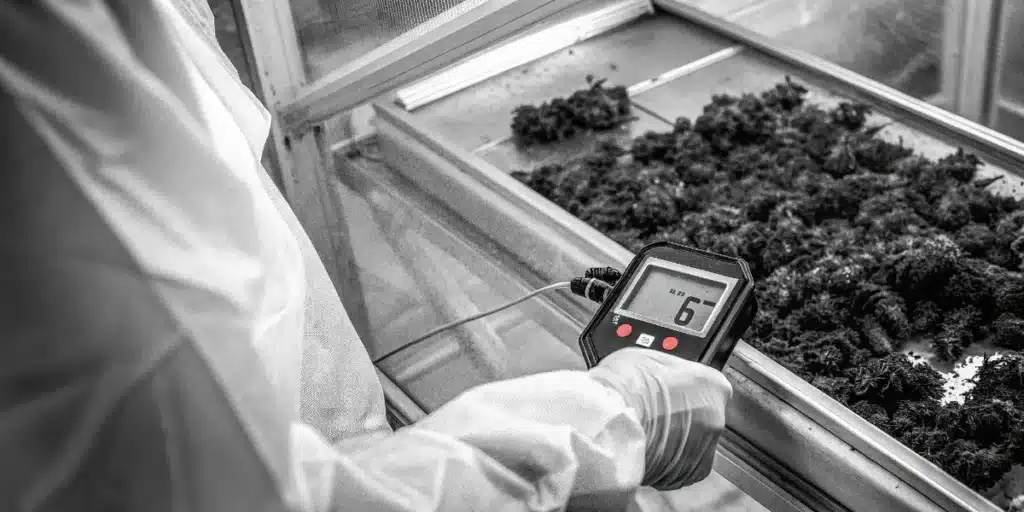
Testing cannabis for water activity involves using specialized meters to measure moisture levels accurately. Knowing how to measure water activity in cannabis is essential for preventing mold. The process ensures that cannabis remains within the safe range, typically below 0.65, to inhibit microbial growth and support water activity and yeast/mold testing cannabis protocols.
Accurate testing helps cultivators maintain compliance with industry standards, protecting consumer health and ensuring product quality. Regular testing and adjustments are necessary to prevent yeast and mold growth, which can compromise the safety and efficacy of cannabis products.
Tools for Measuring Water Activity
Choosing the Right Water Activity Meter for Cannabis
Selecting the appropriate water activity meter is crucial for accurate cannabis testing. A reliable water activity meter cannabis can help in maintaining product quality by ensuring moisture levels remain within the safe range. These meters provide precise readings, allowing cultivators to make necessary adjustments to storage conditions.
When choosing a water activity meter, consider factors such as accuracy, ease of use, and calibration requirements. High-quality meters offer reliable results, helping cultivators maintain optimal conditions for cannabis storage and distribution. Regular calibration and maintenance are essential to ensure accurate readings.
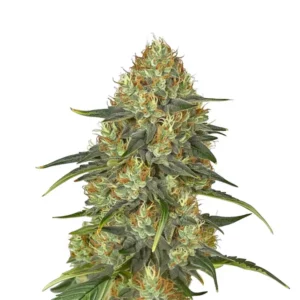
| Feature / Merkmal | GG4 | Blue Dream | Banana Split |
|---|---|---|---|
| THC Content | 27% | 17-24% | 15-20% |
| Dominant Terpene | Humulene | Myrcene | Caryophyllene |
| Aroma | Fruity, Pine, Spicy | Berry, Blueberry, Mango, Sweet | Citrus |
| Effect | Happy, Relaxed, Talkative | Happy, Relaxed, Talkative | Happy, Hungry, Relaxed |
| Flowering Time | 8-10 weeks | 8-10 weeks | 8-10 weeks |
Professional Tips for Maintaining Cannabis Quality
- Maintain 58-62% RH during storage to preserve terpene profiles and prevent mold.
- Store cannabis at 59-70°F (15-21°C) to inhibit microbial growth and maintain potency.
- Use a calibrated water activity meter to ensure moisture levels remain below 0.65.
- Regularly check and adjust environmental conditions to prevent yeast and mold growth.
- Choose a reliable water activity meter for accurate cannabis testing and quality assurance.
- Monitor humidity levels with a digital hygrometer to maintain optimal storage conditions.
Frequently Asked Questions about Water Activity in Cannabis
What is the water activity for yeast and mold growth?
Yeast and mold typically thrive at water activity levels above 0.65. Keeping cannabis below this threshold is crucial to prevent microbial growth, ensuring product safety and quality. Regular testing with a water activity meter helps maintain these conditions, protecting the integrity of the cannabis.
Why is water activity 0.6 important?
Water activity at 0.6 is a critical threshold for inhibiting yeast and mold growth in cannabis. Maintaining levels below this point ensures product safety, preventing microbial proliferation. This parameter is essential for cultivators to meet industry standards and protect consumer health.
What is the minimum water activity for yeast?
Yeast can begin to thrive at water activity levels as low as 0.6. Keeping cannabis below this level is crucial to prevent yeast growth, ensuring product safety. Regular monitoring with a water activity meter helps maintain optimal conditions for storage and distribution.
What is the ideal water activity for cannabis?
The ideal water activity for cannabis is typically between 0.55 and 0.65. This range prevents microbial growth while preserving the plant’s terpene profile. Regular testing with a water activity meter ensures these conditions are maintained, protecting the quality and safety of the cannabis.
How to measure water activity in cannabis?
To measure water activity in cannabis, use a specialized water activity meter. This device provides accurate readings of moisture levels, ensuring they remain below 0.65 to prevent mold. Regular calibration and maintenance of the meter are essential for reliable results.