How to Reduce Mold Risk After Packaging: AW Control Guide

AW Control for Mold Prevention: Maintaining water activity (AW) levels below 0.6 is crucial to minimizing mold risk after packaging. This threshold effectively inhibits mold growth, ensuring product safety and longevity. Knowing how to reduce mold risk after packaging (AW control) is essential for preserving the quality of cannabis products and preventing mold-related issues that can arise during storage and distribution.
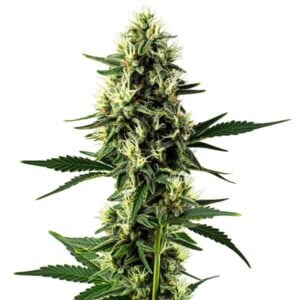
Preventing mold after packaging is essential for maintaining cannabis quality. By focusing on terpene profiles and optimal flowering times, you can enhance product resilience. For instance, strains like Donny Burger, known for its rich myrcene content, offer both robust flavors and mold resistance. Master growers have communicated that these factors can significantly impact your post-harvest success.
Recommended Strains

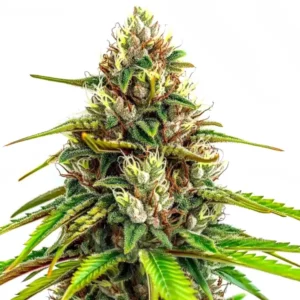
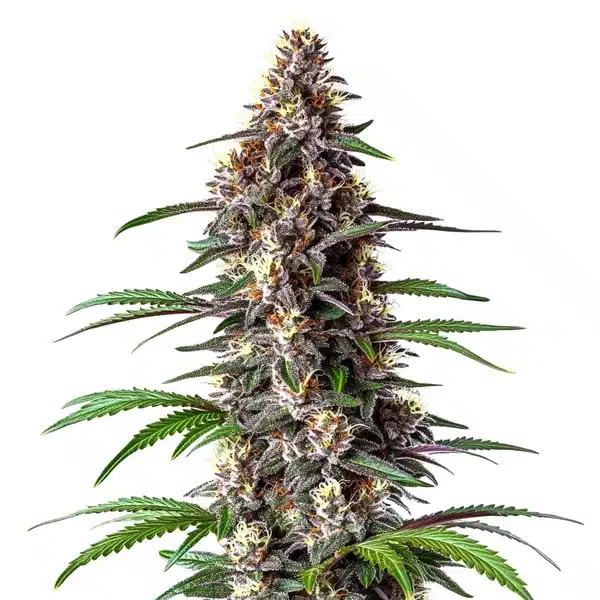
Donny Burger

|
THC | 27% - 30% (High) |

|
Type | Feminized |

|
Yield | High |

|
Phenotype | 70% Indica / 30% Sativa |
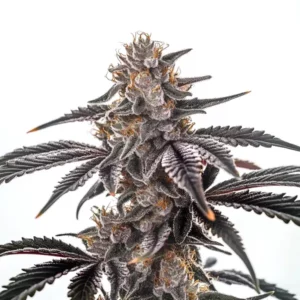
Critical Purple Auto
|
|
THC | 20% - 24% (High) |
|
|
Type | Autoflowering |
|
|
Yield | Medium |
|
|
Phenotype | 80% Indica / 20% Sativa |
Mold Risks in Packaging
Factors Contributing to Mold Growth
Mold growth in packaged cannabis is primarily influenced by moisture levels, temperature, and packaging materials. High humidity, above 65% RH, creates an ideal environment for mold spores to thrive. Additionally, temperatures between 68°F to 77°F (20°C to 25°C) can accelerate mold development. Recognizing mold in the workplace symptoms, such as musty odors or visible mold, is crucial for early intervention.
Packaging plays a pivotal role in mold prevention. Materials that allow moisture exchange can lead to increased AW levels, promoting mold growth. Knowing mold in the house health effects is key for health and safety, as exposure can lead to respiratory issues and allergic reactions. Thus, selecting the right packaging materials is essential to minimize these risks.
Practical Application & Impact
Implementing effective packaging solutions involves using materials with low permeability to moisture. Vacuum sealing and nitrogen flushing are techniques that can significantly reduce AW levels. Experienced growers report that maintaining AW below 0.6 effectively inhibits mold, ensuring product integrity. This approach not only protects the product but also enhances its shelf life.
Recognizing mold in the workplace symptoms can help identify issues early, preventing widespread contamination. Many cultivators share that regular monitoring of packaged products for signs of mold is essential. Utilizing digital hygrometers to measure RH levels within packaging can provide early warnings of potential mold risks.
Promos & Deals

How to Reduce Mold Risk After Packaging (AW Control)
Techniques for AW Control
AW control is a critical factor in preventing mold after packaging. Techniques such as desiccant packs, which absorb excess moisture, can maintain AW levels below the critical 0.6 threshold. Humidity packs, like those offered by Blimburn Seeds, are essential for maintaining optimal AW levels. These packs ensure consistent moisture control, safeguarding against mold.
Master growers have pointed out that using calibrated digital hygrometers provides accurate AW readings, allowing for precise adjustments. Proper storage techniques can further reduce mold risk, with temperatures maintained at 59-70°F (15-21°C) and RH levels between 58-62%. This controlled environment is crucial for preserving the quality of cannabis products.
Implementing EPA Mold Remediation Guidelines
Knowing mold in the workplace is crucial to ensure employee rights are protected. Following EPA mold remediation guidelines ensures compliance and safety. These guidelines recommend maintaining clean and dry environments, with regular inspections to detect mold early. Refer to mold in the workplace employee rights pdf for detailed guidelines on maintaining a safe workspace.
Practical steps for compliance include regular cleaning and maintenance of storage areas. Experienced growers report that using HEPA filters can reduce airborne mold spores, further protecting packaged products. Implementing these guidelines not only ensures product safety but also protects employees from potential health risks associated with mold exposure.
Long-Term Mold Prevention Strategies
Monitoring and Maintenance Tips
Long-term mold prevention requires ongoing monitoring and maintenance. Learn how to detect mold inside walls to prevent hidden infestations, ensuring that storage areas remain mold-free. Regular inspections and maintenance of HVAC systems can prevent mold growth by ensuring proper air circulation and humidity control.
Exploring methods that kill mold permanently can enhance your prevention strategy. Techniques such as using UV light and ozone generators have proven effective in eliminating mold spores. These methods, combined with proper AW control, provide a comprehensive approach to mold prevention when cultivating strains such as Critical Purple Autoflower.
Professional Tips for Mold Prevention
- Maintain 58-62% RH during storage to prevent mold growth. Use digital hygrometers for accurate readings, avoiding analog models.
- Ensure temperatures remain between 59-70°F (15-21°C) in storage areas to inhibit mold development.
- Use vacuum sealing to reduce AW levels, effectively minimizing mold risk.
- Incorporate desiccant packs in packaging to absorb excess moisture and maintain low AW.
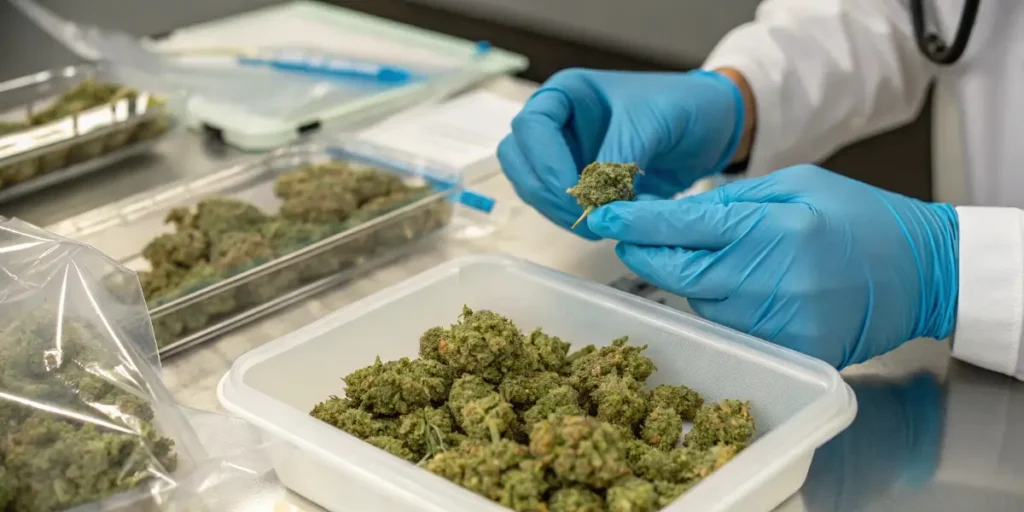
- Regularly inspect packaging for signs of mold, such as musty odors or discoloration.
- Implement UV light treatments to kill mold spores and enhance long-term prevention.
FAQs about how to reduce mold risk after packaging (aw control)
What kills mold spores instantly?
UV light and ozone generators are effective methods for killing mold spores instantly. These technologies disrupt the DNA of mold spores, preventing them from reproducing. For immediate results, ensure exposure for at least 30 minutes. This method is particularly useful in storage areas to maintain a mold-free environment.
What are the 10 signs of mold toxicity?
Mold toxicity symptoms include headaches, fatigue, respiratory issues, skin irritation, watery eyes, sneezing, coughing, sinus congestion, brain fog, and dizziness. These symptoms can vary in intensity, depending on exposure levels. If you experience multiple symptoms, it’s crucial to assess your environment for potential mold sources.
Can mold go through packaging?
Mold can penetrate packaging if the materials are permeable to moisture. Using vacuum sealing and moisture-resistant materials can prevent mold infiltration. Ensure packaging is airtight to maintain low AW levels, effectively reducing the risk of mold growth within packaged products.
What plant removes 78% of airborne mold?
The English Ivy plant is known for its ability to remove 78% of airborne mold in just 12 hours. This plant can significantly improve indoor air quality by absorbing mold spores. Place English Ivy in areas prone to mold for optimal results, ensuring adequate sunlight and water for plant health.
How to stop mold from growing on walls?
To stop mold from growing on walls, maintain indoor humidity below 60% and ensure proper ventilation. Use dehumidifiers and exhaust fans to control moisture levels. Regularly inspect walls for leaks or condensation, addressing issues promptly to prevent mold development.